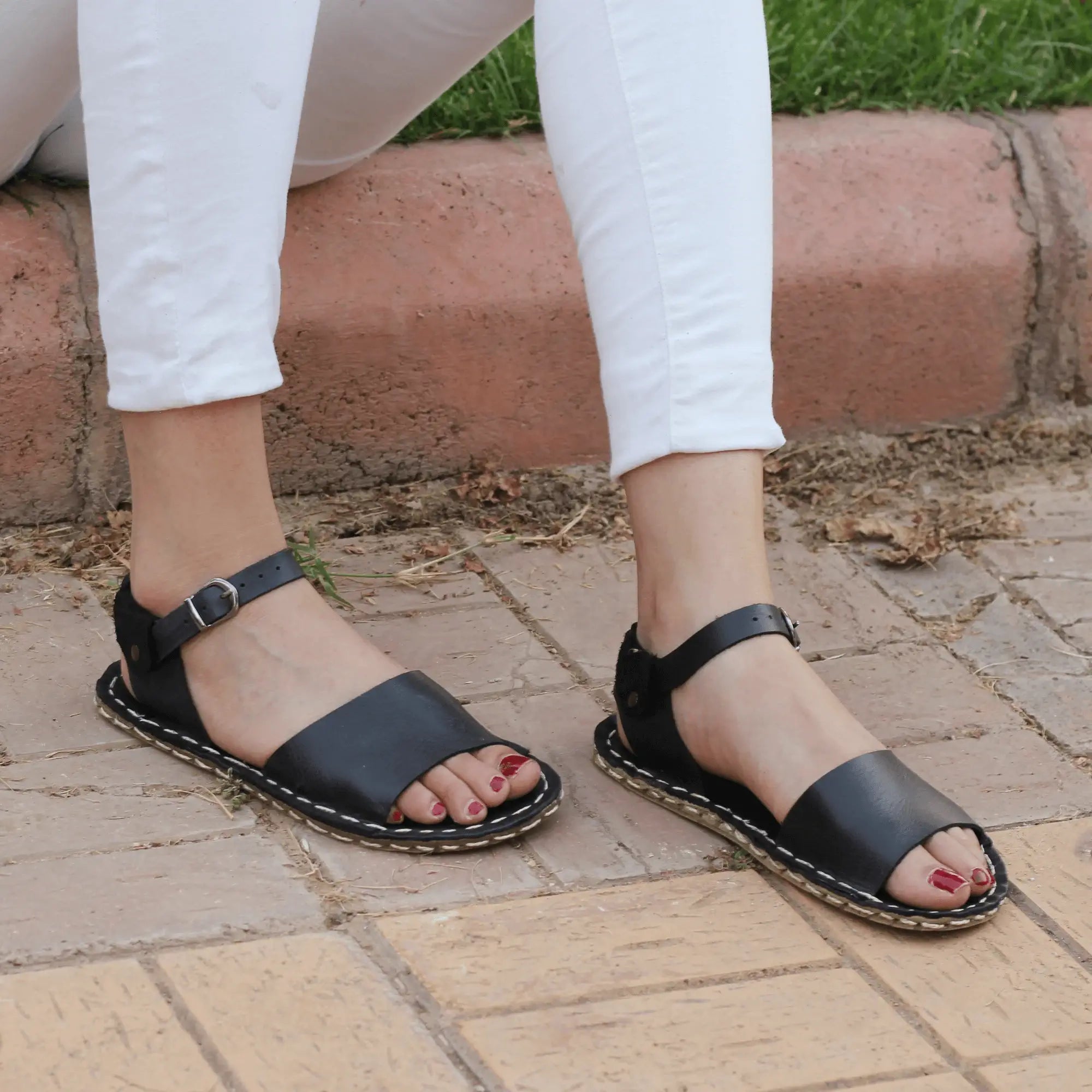
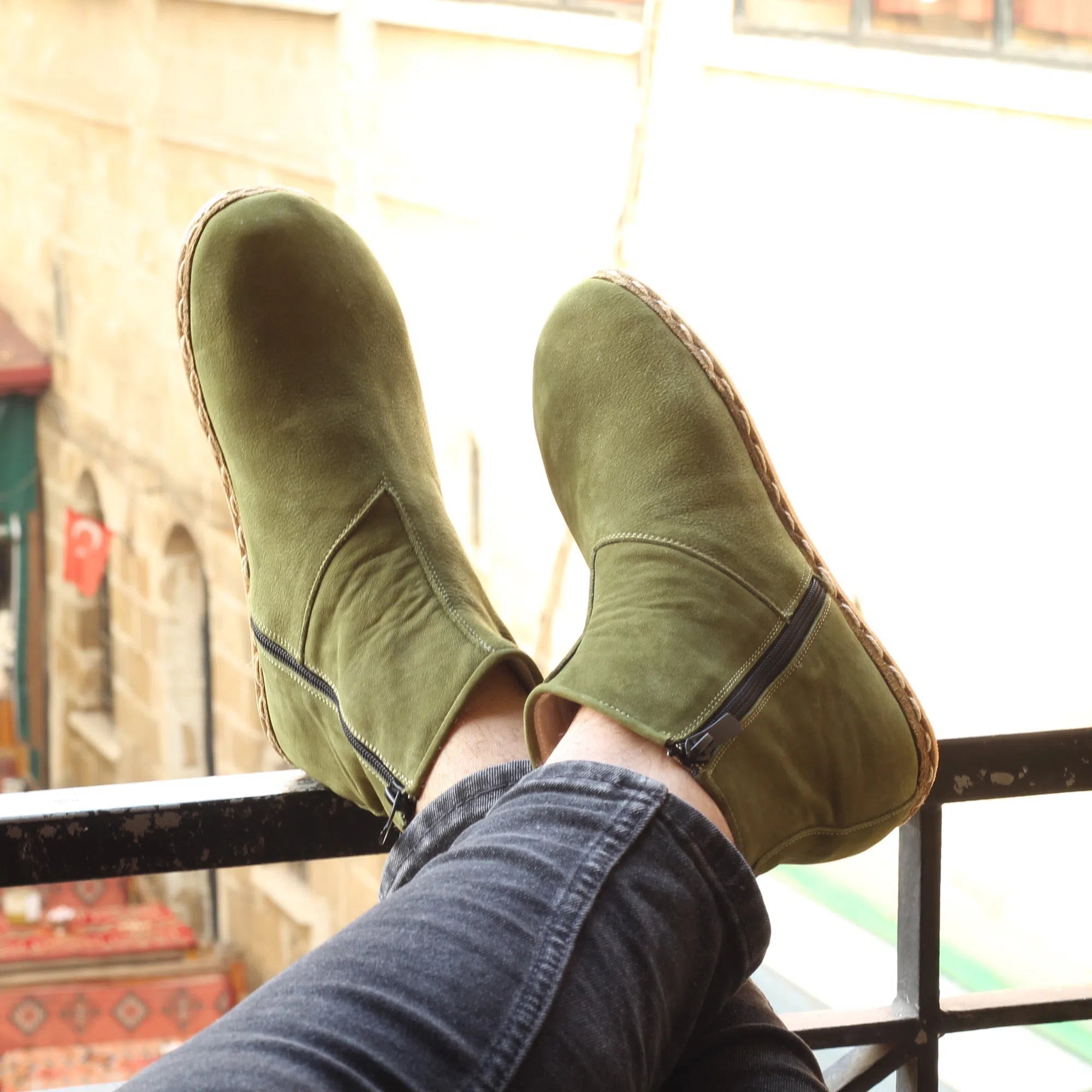
A heel lift can feel normal until you spend time without one. Then you may notice how much conventional footwear has been asking your body to adapt: toes held together, heels tipped forward, and feet separated from the texture of the ground. The question of zero drop versus raised heels is not about chasing a trend. It is about understanding what your shoes ask of your feet, ankles, knees, hips, and posture every day.
For people drawn to barefoot living, natural materials, and a freer way of moving, heel-to-toe drop is one of the first shoe details worth examining. It can affect how a shoe feels immediately, but its bigger influence is often revealed over miles, long workdays, and years of wear.
What heel drop actually means
Heel drop is the difference in height between the heel and the forefoot inside a shoe. A shoe with a 10 mm drop places the heel 10 millimeters higher than the ball of the foot. Many traditional running shoes, boots, dress shoes, and casual sneakers use a raised heel, sometimes quite noticeably.
A zero-drop shoe places the heel and forefoot at the same height. It does not mean there is no sole beneath your foot. It simply means your foot rests on a level platform, closer to the position it would take when standing barefoot on level ground.
Drop is separate from cushioning, flexibility, and toe-box width. A shoe can have a low heel but still squeeze the toes. It can be zero drop yet heavily cushioned or stiff. For genuinely natural movement, these features need to work together: a level base, room for toe splay, flexible construction, and materials that allow the foot to breathe.
Zero drop versus raised heels: the body-level difference
When a raised heel lifts the back of the foot, the ankle sits in a more pointed position. This can make the shoe feel instantly comfortable for someone accustomed to it, especially if their calves and Achilles tendons have adapted to years of elevated heels. But the lift also changes the angle of the body above it.
Your weight may shift forward. The knees, hips, and lower back may make subtle compensations to keep you upright. These changes are not identical for every person, and a shoe alone does not determine posture. Still, footwear is the platform under every step. A small change repeated thousands of times can matter.
Zero drop returns the heel and forefoot to the same plane. That level position encourages the calves, ankles, and feet to participate more naturally in standing and walking. Rather than relying on a built-in forward pitch, you learn to meet the ground with your own balance and control.
This is why zero drop can feel both liberating and demanding. Your body is doing more of the work it may have handed over to structured footwear.
The feet get more room to act like feet
The heel is only part of the equation. Raised-heel shoes are often built with tapered toe boxes, firm uppers, and rigid soles. Together, those elements can limit the foot's natural ability to spread, flex, and respond to the ground.
A well-made barefoot shoe gives the toes space to separate during walking and standing. That matters because toes are not decorative attachments. They help with balance, stability, and push-off. A wider toe box lets the big toe point forward instead of being forced inward, while a flexible sole allows the foot to bend where it is designed to bend.
Natural leather can make this experience feel even better. It breathes, softens with wear, and develops character rather than feeling like a plastic shell around the foot. At Nefes Shoes, handmade leather construction is part of the point: footwear should support your individuality, not force every foot into the same narrow mold.
Why raised heels still feel comfortable to many people
Raised heels did not become standard because everyone wanted to move poorly. They became familiar because they can change the way a shoe feels. A slight lift may reduce the stretch sensation in the calves and Achilles tendon, which is especially noticeable for people who spend years in heeled sneakers, work boots, or dress shoes.
More structured footwear can also feel reassuring. It holds the foot in place and may seem supportive when the muscles of the feet have become underused. For certain activities, injuries, or medical needs, a clinician may recommend specific footwear or an orthotic. That is a situation where individual guidance matters more than any broad shoe rule.
But familiar is not always the same as ideal. A raised heel can offer short-term ease while preserving a dependency on that lifted position. If level shoes initially feel strange, the answer is not necessarily to abandon them. It may mean your body needs time to restore mobility and strength.
The transition is where most people go wrong
Switching from raised heels to zero drop is not a contest of willpower. If you have worn conventional shoes for decades, your calf muscles, Achilles tendons, and walking pattern may be accustomed to the heel lift. Going from a thick, elevated shoe to a thin, flexible zero-drop sole for an all-day city walk can create unnecessary soreness.
Start with short, easy periods. Wear zero-drop shoes around the house, for errands, or during a relaxed walk on familiar terrain. Pay attention to how your calves, arches, and ankles respond the next day. Mild muscular fatigue can be part of adapting. Sharp pain, numbness, swelling, or persistent symptoms are signals to slow down and seek qualified advice.
Build time gradually rather than following a rigid schedule. Someone who is already active barefoot at home may adapt quickly. Someone with stiff ankles, a history of foot pain, or a highly sedentary routine may need a slower approach. The goal is not to prove toughness. The goal is to give your body enough time to learn a more natural way of carrying itself.
A few simple habits can make the process smoother. Spend some safe time barefoot indoors, gently move the ankles through their range of motion, and let your toes spread instead of gripping the floor. Choose walking before hard running. Most of all, resist the urge to treat a zero-drop shoe as a magic fix. It is a better foundation for natural movement, not a substitute for listening to your body.
Choosing zero drop without sacrificing style
Many people put off trying minimalist footwear because they picture an athletic shoe that only works on a trail. That old stereotype is fading. A zero-drop design can belong in a leather boot, a sandal, a moccasin, a slipper, or an everyday sneaker.
Look beyond the word “minimalist.” Check whether the heel and forefoot are truly level. Make sure the toe box follows the natural shape of the foot instead of tapering aggressively at the front. Flex the sole. Your shoe does not need to fold in half, but it should allow movement rather than behaving like a plank. Finally, consider what touches your skin all day. Breathable leather and thoughtful handmade construction can make a meaningful difference in comfort, odor, and how the shoe ages.
For those who value grounding practices, sole material is also part of the conversation. A natural buffalo leather sole creates a direct, traditional relationship with the earth that synthetic-heavy footwear often avoids. It is not a medical treatment, and it will not replace the basics of healthy movement. Yet for many people, the sensory experience of walking in a thin, natural sole is a powerful reminder that feet were made to feel the world beneath them.
The better question is not “Which is best?”
Zero drop is not automatically right for every moment, every body, or every activity. A person recovering from an injury may need individualized recommendations. A steep trail, a demanding job, or a long day on hard city pavement may call for different choices than a quiet walk or daily casual wear.
Still, the contrast is clear. Raised heels ask the body to stand and move from an altered angle. Zero drop gives the foot a level starting point and makes room for the body’s own mechanics to return to the conversation.
Your feet carry you through every ordinary and unforgettable part of life. Give them shoes that leave room to spread, bend, breathe, and feel the ground. Freedom often begins at the floor.