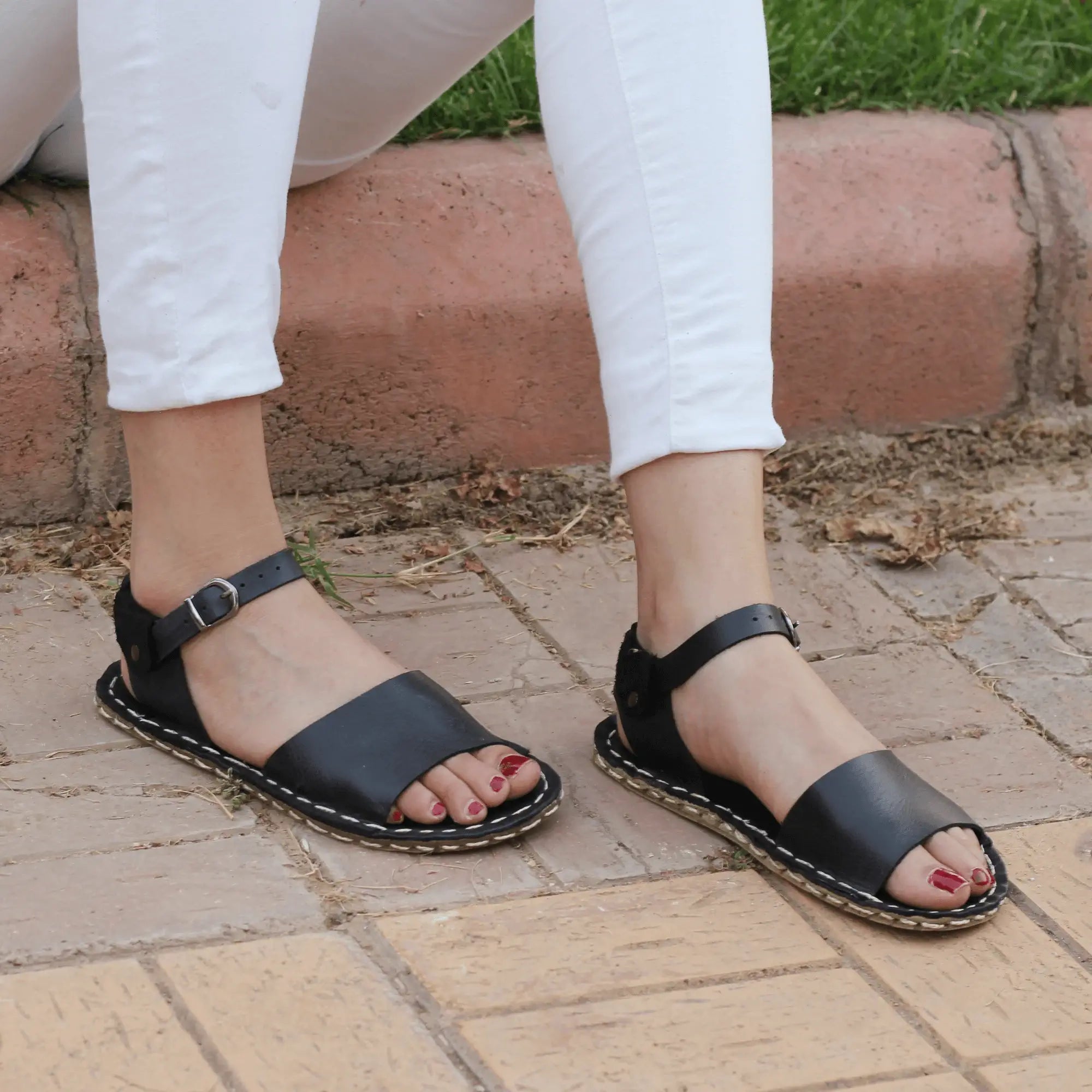
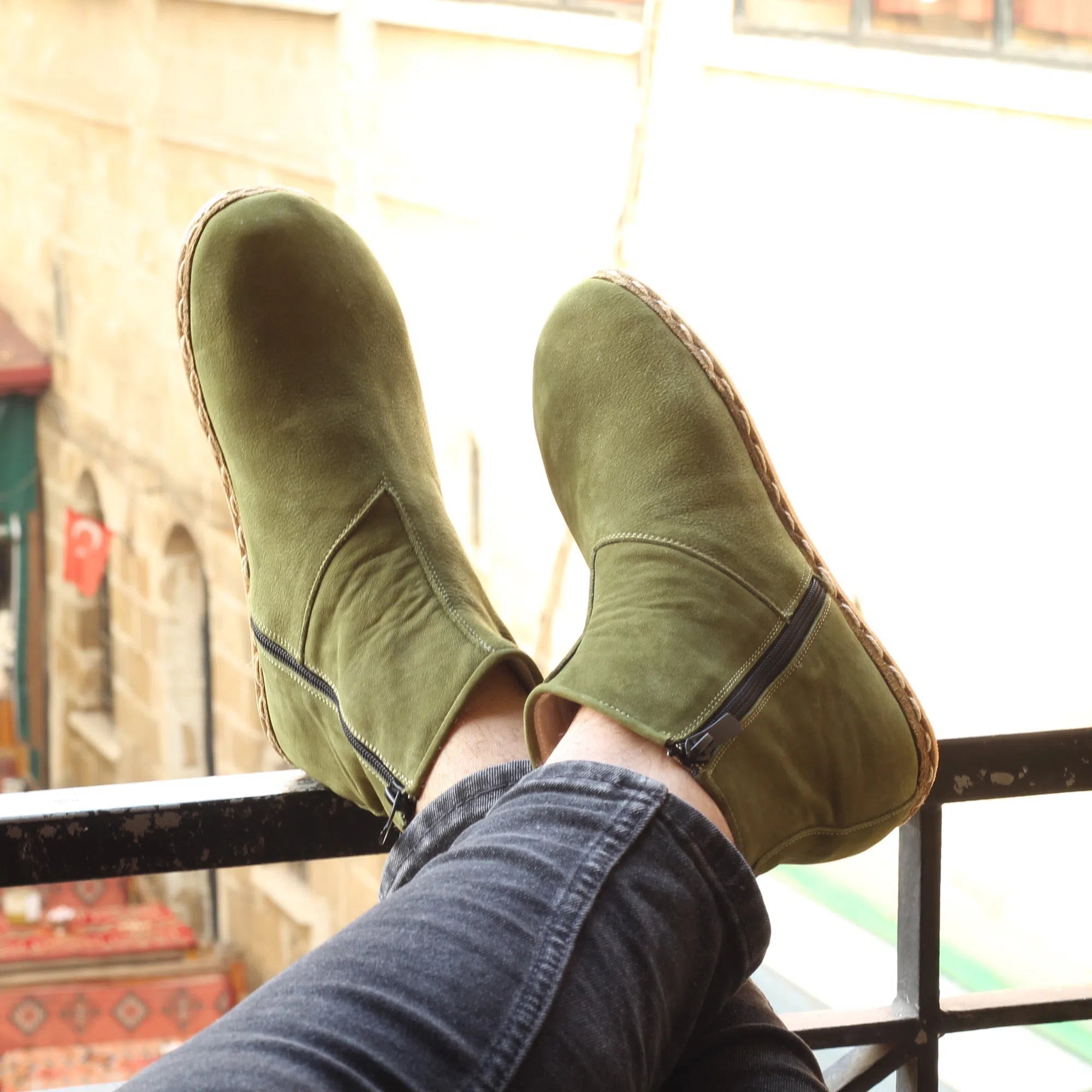
A shoe that pinches your toes by lunchtime, traps heat by afternoon, and wears out before the season changes is not a bargain. It is a recurring compromise. So, are handmade shoes worth it? For people who care about natural movement, breathable materials, and footwear with real character, the answer is often yes - provided the shoe is made well and fits your life.
Handmade does not automatically mean perfect, and a higher price is not a magic promise. But when craftsmanship is paired with foot-shaped design and honest materials, handmade footwear can offer something factory-made shoes rarely do: room for your feet to function as feet.
What You Are Really Paying for in Handmade Shoes
Mass-produced shoes are designed around speed, consistency, and cost control. Many rely on synthetic uppers, foam layers, chemical adhesives, and standardized shapes that favor a narrow, fashion-driven silhouette over the natural shape of a human foot. The result may look polished on a shelf, but it can leave little room for the toes, elevate the heel, and separate you from the ground beneath you.
A thoughtfully handmade shoe takes a different path. Skilled makers cut, shape, stitch, and assemble materials with closer attention to the way each component behaves. Leather is selected for flexibility and durability. Stitching is placed with purpose. The upper, sole, and finishing details are handled as parts of one shoe, not as disconnected pieces moving down an assembly line.
That labor matters, but so do the materials. Natural leather can gradually soften and conform to the foot. A quality leather lining can breathe better than many plastic-based alternatives. Natural buffalo leather soles, used in certain grounding-style footwear, offer a more direct and traditional connection to the surface underfoot than thick rubber platforms.
You are not simply paying for a label. You are paying for less shortcut-driven construction and a shoe meant to become more personal with wear.
Are Handmade Shoes Worth It for Foot Health?
They can be, especially when handmade construction is combined with a barefoot philosophy. A beautiful leather shoe that squeezes the forefoot is still a shoe that squeezes the forefoot. Craftsmanship alone is not enough.
The strongest handmade barefoot shoes prioritize three things conventional footwear often ignores: a wide toe box, a zero-drop sole, and flexibility. These features do not force the foot into an artificial position. They allow it to move, spread, and respond.
Your toes need room to do their job
Your toes are not decorative. They help stabilize your body, adapt to changing ground, and support balance with every step. Narrow shoes press them together, often creating a shape that looks tidy but feels nothing like a natural foot.
A wide toe box gives the toes space to splay. For many people, that means less cramped feeling during long days, fewer pressure points, and a more grounded sense of balance. It can be a major shift for anyone accustomed to shoes that make the front of the foot feel trapped.
Zero drop changes the conversation
A raised heel tips the body forward, even when the rise is small. Over time, that elevated position can affect how your ankles, calves, knees, hips, and posture work together. Zero-drop footwear places the heel and forefoot at the same level, closer to the position your body uses when standing barefoot.
This is not a promise that one shoe will solve every discomfort. Bodies are individual, and persistent pain deserves guidance from a qualified health professional. Still, many people find that a gradual move toward zero-drop shoes feels more natural than living on an angled platform.
Flexible soles let the ground speak
Feet contain a remarkable network of nerves and joints. When a sole is excessively thick and rigid, it can dull the feedback that helps you adjust your stride. Flexible minimalist soles allow more sensory information while still providing a layer of protection.
For people drawn to earthing or grounding practices, natural leather soles offer an additional appeal. They create a less insulated experience than heavily synthetic footwear and invite a more direct relationship with natural surfaces. Grounding is a personal wellness practice, not a replacement for medical care, but the feeling of walking with less between you and the earth is meaningful to many people.
The Real Value Is Often in the Wear, Not the Unboxing
A handmade shoe may not look identical to every other pair. Slight variations in grain, stitching, or tone are part of working with natural materials and human hands. That is not a defect. It is evidence that your shoes were made, not merely processed.
Leather also develops a story. It softens at your flex points, deepens in character, and gains a patina that reflects your movement. Synthetic materials often aim to stay visually unchanged until they crack, peel, or separate. Natural leather ages differently. With basic care, it can become more beautiful because it has been worn.
The cost-per-wear calculation matters here. A lower-priced shoe that fails quickly, flattens into discomfort, or remains buried in the closet is not truly inexpensive. A pair you reach for several times a week, care for, and enjoy over time can be the better value even with a higher initial price.
This is particularly true when the design is versatile. A well-made leather moccasin, boot, sandal, or minimalist sneaker can move from a morning walk to errands, travel, work, or a casual evening out without asking you to choose between comfort and personal style.
When Handmade Footwear May Not Be the Right Choice
Handmade shoes are worth it only when you value what they offer. If you need a highly specialized running shoe with heavy cushioning, a stiff work boot with a specific safety rating, or footwear for a particular medical requirement, a minimalist handmade pair may not be the best tool for that job.
There is also an adjustment period to consider. If you have spent years in thick, supportive, high-heeled shoes, switching immediately to thin, flexible, zero-drop footwear can ask more of your feet and calves than they are ready for. Start with shorter walks and everyday wear. Let your body build strength gradually instead of treating natural movement like a challenge to conquer in a weekend.
Fit is equally important. Handmade leather can relax with wear, but it should not begin painfully tight. Your toes should have room to spread, your heel should feel secure, and the shoe should flex where your foot flexes. A quality shoe cannot compensate for the wrong size or the wrong shape for your foot.
Finally, handmade footwear asks for a little participation. Leather benefits from being kept dry, cleaned gently, and conditioned when it begins to look thirsty. That is not a burden for everyone, but it is different from treating shoes as disposable objects.
How to Tell Whether a Handmade Shoe Is Actually Worth the Price
Look beyond words like “artisan,” “premium,” and “handcrafted.” The details should support the claim. Ask what the upper is made from, what touches your skin, and what forms the sole. Check whether the toe box follows the natural shape of a foot rather than tapering sharply at the front. Notice whether the heel is elevated. Bend the shoe gently to see whether it moves with the foot or resists it like a board.
Also consider the maker’s priorities. A brand such as Nefes Shoes builds around handmade leather craftsmanship, zero-drop construction, wide toe boxes, and natural movement rather than treating these features as afterthoughts. That design intention matters because it shapes every part of the finished shoe.
The most valuable pair will not necessarily be the most expensive pair. It will be the one made from materials you trust, built in a shape that respects your feet, and suited to the way you actually live.
A Better Standard for Everyday Shoes
Shoes should not ask your body to shrink, tilt, or numb itself for the sake of convention. They should make it easier to walk, stand, explore, and feel like yourself. Handmade barefoot footwear will not be the right answer for every activity or every person, but it offers a powerful alternative to the idea that cramped, synthetic, disposable shoes are normal.
Choose the pair that gives your toes room, lets your posture settle naturally, and feels good long after the first try-on. Your feet carry you through every ordinary and extraordinary place you go. They deserve more than a shoe built to be forgotten.