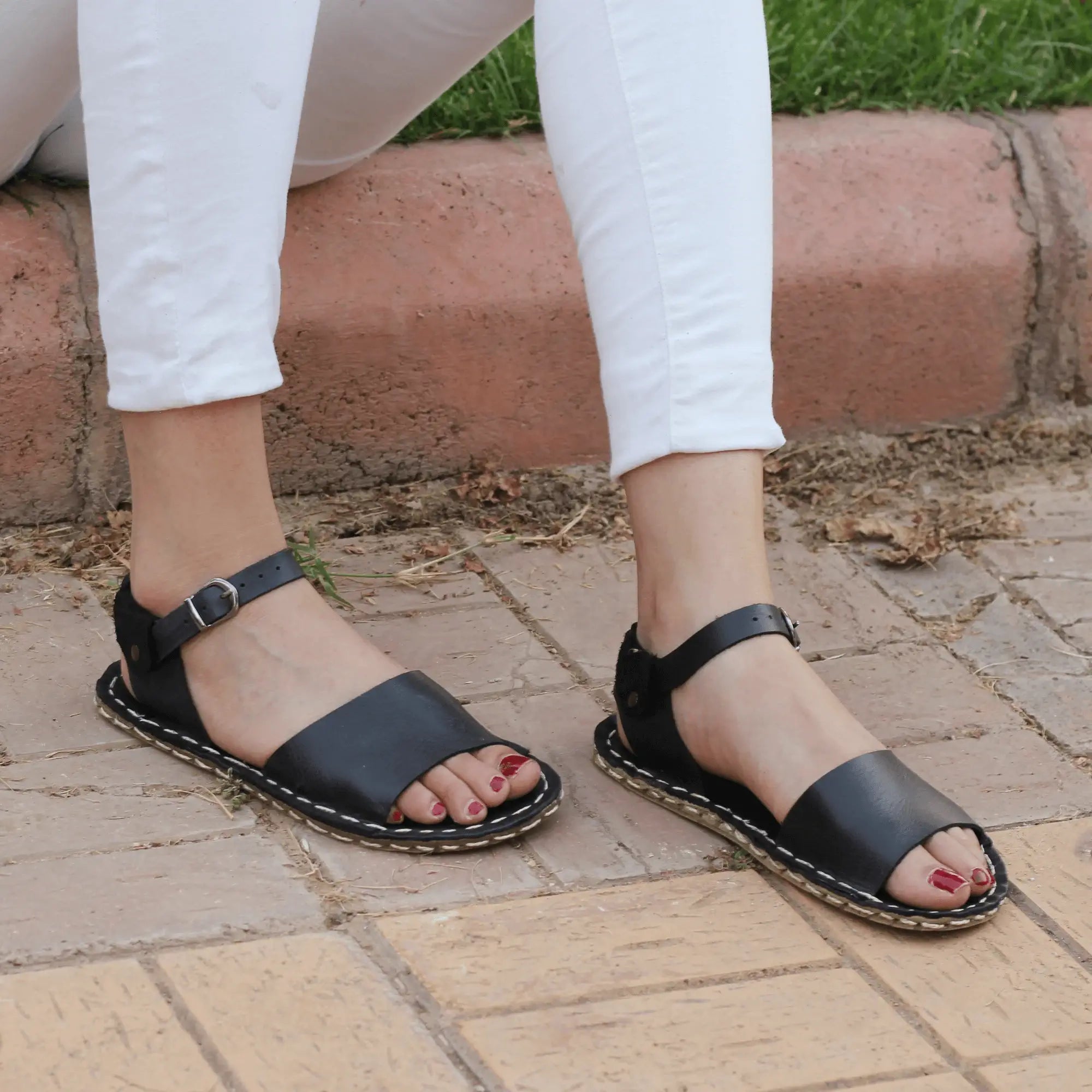
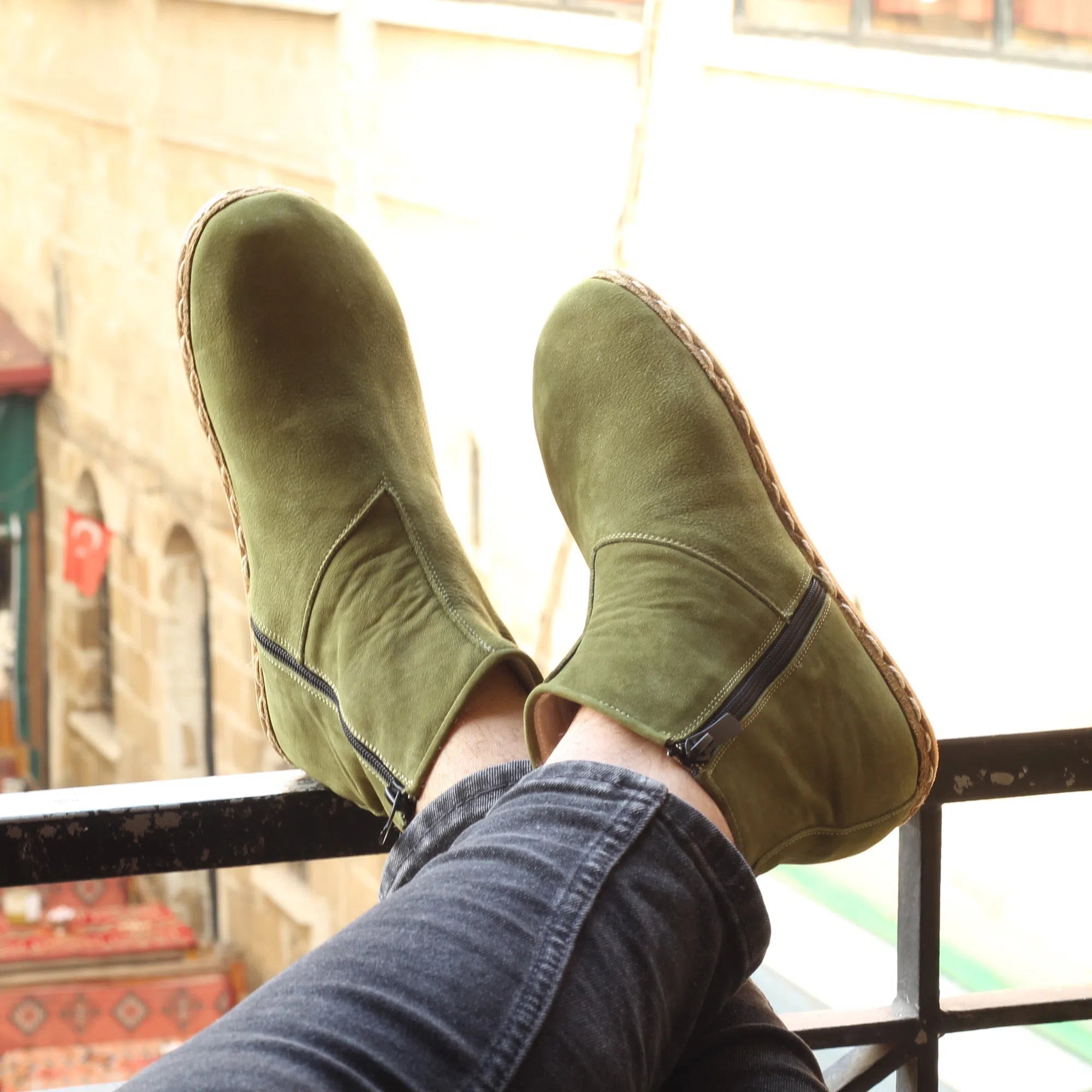
A shoe can look beautifully handmade and still fight your feet with a pointed toe, a lifted heel, and a stiff synthetic base. This handmade shoe construction guide looks past surface details to the parts that decide how a shoe feels with every step: the last, the leather, the sole, and the way they are joined.
For feet that have spent years compressed by conventional footwear, construction is not a minor detail. It is the difference between a shoe that asks your body to adapt and one that leaves room for your feet to do what they were built to do.
Handmade Shoe Construction Starts With the Shape
Every shoe begins with a last, the foot-shaped form used to shape the upper. This is where many conventional shoes go wrong before a single piece of leather is cut. A fashion-driven last often narrows toward the front, tapering the toe area into a shape that does not resemble a real, weight-bearing foot.
A natural shoe needs a foot-shaped last. It should allow the big toe to stay aligned rather than pushed inward, while giving the smaller toes room to spread. That wider toe box is not excess material. It is usable space for balance, stability, and natural toe splay.
The heel shape matters too. A well-made heel cup helps the shoe stay in place without squeezing or forcing the foot into an elevated position. In a zero-drop shoe, the heel and forefoot sit at the same height. Your feet are not pitched forward by a raised heel, which can help you move with a more natural sense of ground and posture.
There is a trade-off: a genuinely wide, zero-drop shoe may feel unusual if you are used to narrow dress shoes or thickly cushioned sneakers. That does not mean the fit is wrong. It often means your feet are finally being offered room they have not had for years. Transition gradually, especially if most of your current shoes are heavily structured.
Leather Is More Than a Luxury Detail
In handmade footwear, the upper material affects breathability, durability, and how the shoe adapts to the wearer. Full-grain leather has natural variation because it comes from a living material, not a factory-perfect sheet of plastic. Small marks, grain shifts, and color differences are part of its character.
Quality leather gradually softens and conforms to the foot. It can create a close, personal fit without relying on foam padding that compresses and breaks down. Leather also helps manage moisture better than many synthetic uppers, making it a strong choice for people concerned about sweat and odor.
But leather is not maintenance-free. It benefits from occasional cleaning and conditioning, and it should be allowed to dry naturally after getting wet. Extreme heat can dry it out, while over-conditioning can make it overly soft. Handmade shoes reward basic care because the material is made to age, not be discarded at the first sign of wear.
At Nefes Shoes, natural leather is central to the idea that comfort should come from honest materials and thoughtful shape, not from trapping the foot in layers of synthetic cushioning.
The Upper Needs to Move With You
Look closely at how the upper is cut and stitched. Excessive seams across high-motion areas can create pressure points. A cleaner upper design, paired with careful stitching, allows leather to flex where the foot flexes.
Hand finishing matters here. Skilled makers can assess tension, placement, and alignment as they work. Machines are useful tools, but mass production often treats every foot like the same foot. Artisan construction leaves more room for attention to the individual parts that influence fit and feel.
The Sole Determines Your Relationship With the Ground
The sole is where minimalist footwear becomes a clear departure from conventional shoes. Thick foam platforms may feel soft at first, but they can mute feedback from the ground and add a rigid barrier beneath the foot. A flexible sole lets the foot bend more naturally through each step.
For a barefoot-inspired shoe, look for three things: flexibility, a level platform, and enough protection for the setting where you will wear it. The ideal thickness depends on your experience and daily terrain. Someone walking mainly on smooth indoor floors may prefer a thinner, more sensory sole. Someone spending long days on rough pavement may want a little more material underfoot while still preserving flexibility.
Natural buffalo leather soles offer a distinctive feel. Leather is breathable, flexible, and capable of molding over time. It also creates a more direct physical relationship with the earth than heavily layered synthetic construction. For people who practice grounding, a natural leather sole can fit their preference for materials that feel less insulated from the natural world.
Conditions still matter. Leather soles are not the best match for every wet, icy, or abrasive surface, and they will show wear differently than rubber. That is not a flaw. It is a decision about what you want the shoe to prioritize: sensory connection and natural material character, or maximum all-weather abrasion resistance. Many handmade designs balance these needs with protective sole layers or styles suited to specific seasons.
How the Upper and Sole Are Joined
A beautiful leather upper cannot compensate for a weak attachment method. Handmade shoe construction is often defined by how the upper, insole, and outsole become one piece.
Cemented construction uses adhesive to bond the sole to the upper. It is common across the footwear industry and can be lightweight and flexible when done well. Its quality depends heavily on preparation, adhesive choice, and precision. A poorly bonded sole can separate early, while a carefully made cemented shoe can offer a clean, flexible profile.
Stitched construction adds visible or hidden thread to secure parts of the shoe. Depending on the method, stitching can improve durability and make repair more realistic. Stitchdown construction, for example, turns the edge of the upper outward and stitches it to the sole. It creates a roomy, durable shape that works especially well for footwear designed around natural toe space.
Welted construction is another traditional method, often valued for longevity and resoling potential. Yet it is not automatically the best option for every barefoot shoe. Traditional welts can add stiffness and weight, which may work against the flexible, close-to-ground feeling many minimalist wearers want. The right construction is the one that supports the shoe's purpose, not the one with the most impressive-sounding name.
Flex Should Happen at the Ball of the Foot
Pick up a shoe and gently bend it. It should flex near the ball of the foot, where your own foot naturally bends. If it only bends in the middle like a plank or refuses to bend at all, it may interfere with your walking pattern.
Do not confuse flimsiness with flexibility. A good handmade shoe can be supple without being careless. Strong stitching, well-chosen leather, and a thoughtfully designed sole create a shoe that moves with you while still holding together through real life.
Inside the Shoe: Avoiding Hidden Restrictions
The inside deserves as much attention as the outside. Many shoes advertise soft uppers, then hide a narrow insole, a raised heel wedge, or a rigid arch structure beneath the foot. If your goal is natural movement, the interior should preserve the same principles promised by the exterior.
A flat footbed allows your foot to find its own working position. Some people prefer added arch support for specific needs or medical guidance, and that preference is valid. But permanent, aggressive support is not the only route to comfort. For many wearers, a shoe that permits the foot muscles to participate can feel more freeing over time.
Natural linings and leather insoles can also improve the wearing experience. They reduce the plasticky feel found in many mass-produced shoes and can become more personal as they shape to the foot. Fit remains essential, though. No construction feature can make up for a shoe that is too short, too narrow, or too loose at the heel.
What to Look for Before You Buy
A true handmade shoe should give you more than a handcrafted appearance. Check whether the toe box follows the foot's natural outline, whether the heel sits level with the forefoot, and whether the sole bends where your foot bends. Ask what the upper, lining, and outsole are made from. Materials tell you a great deal about how a shoe will breathe, wear, and feel over time.
Also consider your real routine. Soft leather moccasins may be perfect for everyday errands, travel, and indoor wear. A boot may offer more coverage and structure for cooler weather. Sandals expose the foot to more air and sensory input but may not suit every workplace or trail. Natural footwear works best when the style matches the life you actually live.
Your feet carry you through every ordinary mile and every meaningful one. Choose construction that gives them space, flexibility, and honest contact with the ground, then give yourself time to feel what freedom underfoot can become.