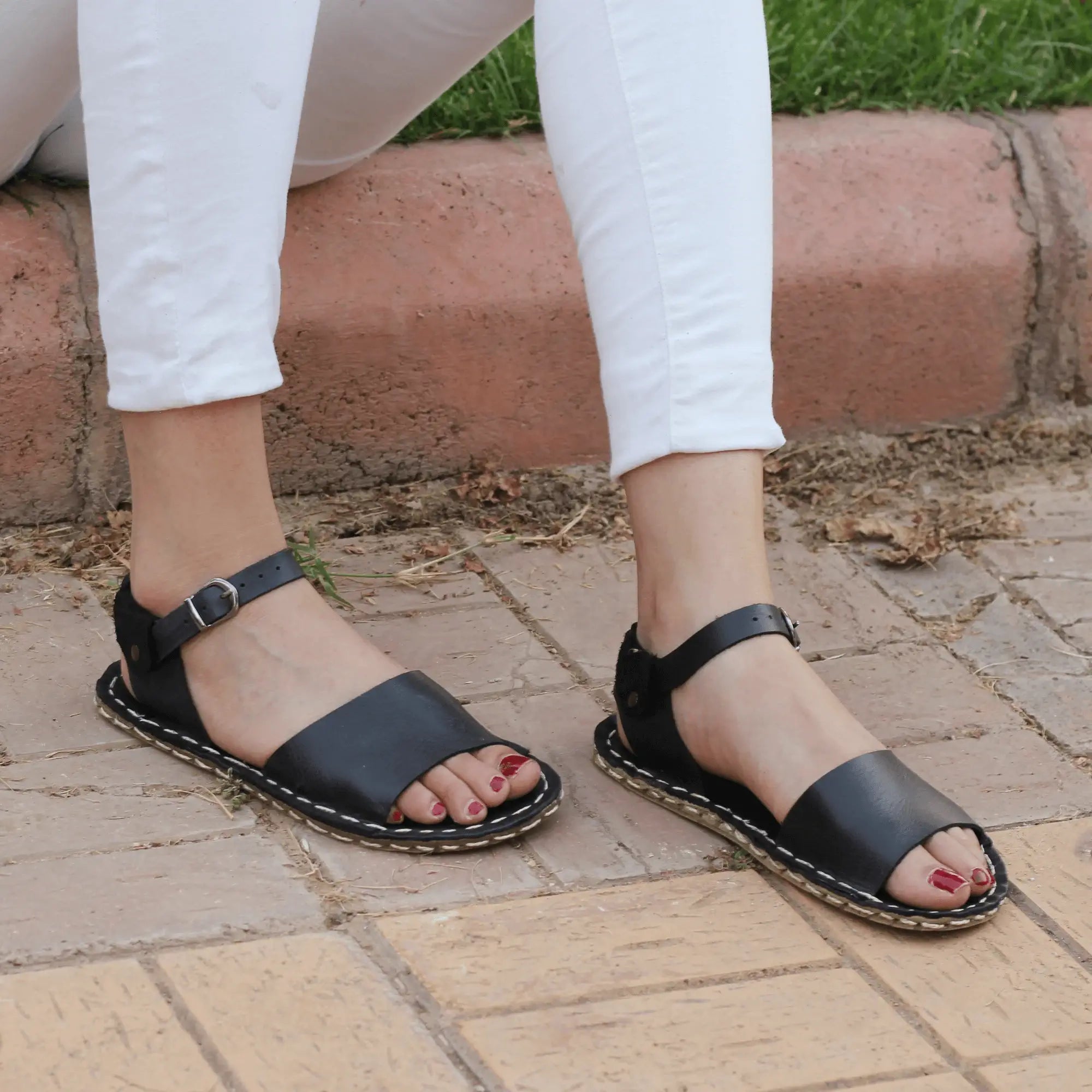
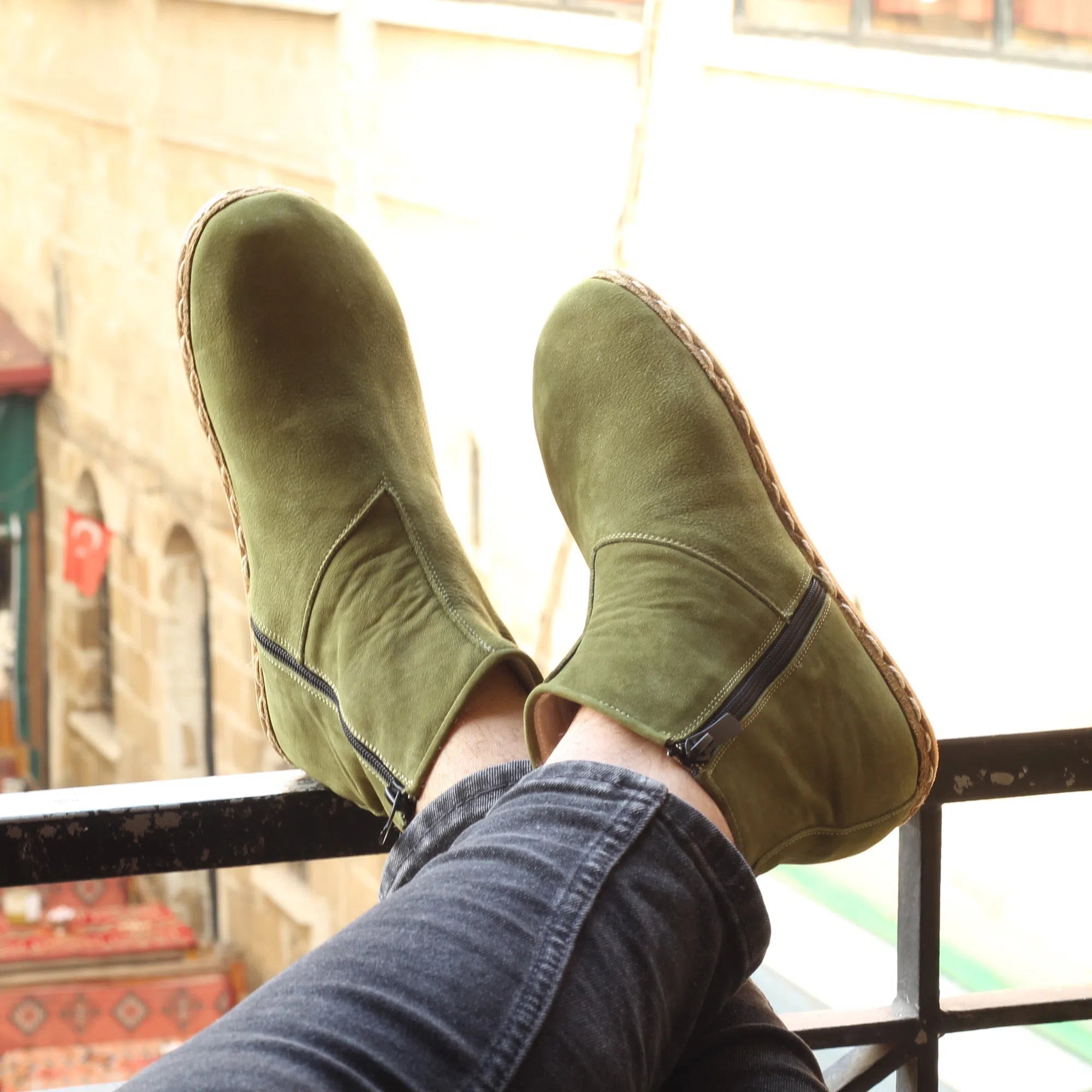
You can feel the difference between a shoe that traps your foot and a shoe that lets it work. One squeezes your toes, lifts your heel, and stacks synthetic layers between you and the ground. The other gets out of the way. That is why so many people asking are grounding shoes worth it are not really asking about a trend. They are asking whether their footwear can support natural movement, comfort, and a stronger connection to the earth at the same time.
The honest answer is yes, grounding shoes can be worth it. But not for every person, not in every setting, and not if the shoe is poorly made. The value depends on what you want from your footwear and whether the shoe actually delivers the two things that matter most: real contact potential with the ground and a foot-friendly shape that allows your body to move the way it was designed to move.
Are grounding shoes worth it for everyday wear?
For many people, they are. If you already care about barefoot walking, posture, natural materials, or reducing the bulk between your feet and the ground, grounding shoes solve a real problem. They let you stay closer to barefoot principles without asking you to go fully barefoot in a city, at work, or through changing weather.
That matters because modern shoes do more than cover the foot. They often change the way the entire body stands and moves. Narrow toe boxes crowd the forefoot. Raised heels shift weight forward. Thick synthetic soles dull ground feel. Once you have worn that kind of footwear long enough, “normal” can start to feel stiff, hot, and disconnected.
Grounding shoes appeal to people who want another option. They are designed to reduce insulation from the earth while also supporting more natural foot mechanics. When they are made with flexible construction, zero-drop geometry, and a wide toe box, the benefits go beyond the grounding concept alone.
What grounding shoes actually do
At the simplest level, grounding shoes are built to allow the body to remain more connected to the earth than conventional insulated footwear. Usually that means using conductive materials in the sole or a design that supports natural contact through leather and other less isolating components.
But this is where the conversation needs honesty. A grounding claim is only meaningful if the shoe is also wearable, comfortable, and shaped for human feet. A shoe can talk about earthing all day, but if it crushes the toes or props up the heel, it is still fighting your body.
That is why the best grounding shoes are usually also minimalist shoes. They do not just focus on conductivity. They focus on freedom. They let the toes spread, the arch respond, and the body find a more natural alignment from the ground up.
The real benefits that make grounding shoes worth it
The first benefit is sensory. Many wearers notice that grounding shoes feel calmer and more natural than standard shoes. Part of that is the grounding idea itself. Part of it is simpler and easier to measure: flexible soles, lower stack height, and better ground feel make walking feel more direct and less clumsy.
The second benefit is foot function. If the shoe has a wide toe box and zero-drop design, your feet are not being forced into an unnatural shape. That can help with comfort during long days on your feet and may support better balance and posture over time.
The third benefit is material quality. Many grounding shoes are made with leather rather than foam-heavy synthetic builds. For people who are tired of sweaty, plastic-feeling footwear, that change alone can be worth it. Natural leather tends to breathe better, mold to the foot over time, and deliver a more refined feel than mass-market athletic shoes.
The fourth benefit is lifestyle fit. Going barefoot in the grass is great, but most of life does not happen on clean grass. People work, travel, run errands, and live in places where full barefoot living is not practical. Grounding shoes can be a middle path between protection and connection.
When grounding shoes may not feel worth the price
They may not be worth it if you expect a miracle from the grounding feature alone. Some people buy earthing products hoping for an instant transformation in pain, sleep, energy, or mood. Footwear does not work like that. Your experience depends on your body, your habits, the surfaces you walk on, and the quality of the shoe.
They may also feel disappointing if you are not ready for minimalist design. If you have spent years in padded, rigid, supportive shoes, a flexible zero-drop shoe can feel unfamiliar at first. That does not mean it is bad. It means your feet and lower legs may need time to adapt.
And of course, not every grounding shoe is built well. Some brands lean hard on the wellness language while ignoring construction, fit, and durability. If the sole is too stiff, the shape is too narrow, or the materials feel cheap, the promise falls apart quickly.
Are grounding shoes worth it if you care about foot health?
In many cases, yes, especially if the pair is designed around natural movement rather than just marketing. Foot health starts with space, stability, and freedom of motion. A grounding shoe that offers those things can be far more valuable than a conventional shoe that looks supportive but weakens natural mechanics over time.
This is where people often confuse cushioning with comfort. Soft does not always mean healthy. A thick, elevated sole can mask poor movement patterns while limiting the feedback your feet rely on. A better shoe allows the foot to move, flex, and stabilize instead of outsourcing every job to foam.
That said, transition matters. If your feet are deconditioned, jumping straight into all-day wear can be too much. Start gradually. Short walks, daily errands, and low-stress use give your body a chance to rebuild strength and mobility. The shoe can help, but your body still has to do the work.
What to look for before you buy
If you are deciding whether grounding shoes are worth it, do not stop at the word grounding. Look at the full design.
A wide toe box matters because your toes need room to spread and stabilize. A zero-drop sole matters because it keeps your heel and forefoot level, which supports more natural posture. Flexibility matters because a stiff shoe limits the foot’s ability to bend and respond to terrain. Natural materials matter because they affect breathability, feel, and long-term comfort.
Craftsmanship matters too. Handmade construction is not just a romantic detail. It often shows up in better material choices, better finishing, and a shoe that feels more like an object made with purpose than a disposable product. That difference is easy to spot once you have worn both.
For shoppers who want grounding plus style, this is where brands like Nefes stand apart. The strongest pairs are not trying to look like medical devices or gimmicky wellness gear. They look like real shoes you would want to wear, while still respecting the foot and the earth.
Who gets the most value from grounding shoes?
The people who tend to love grounding shoes are usually already pushing back against conventional footwear. They are tired of toe compression, tired of sweaty synthetic linings, tired of the false promise that more foam always means more comfort.
They also tend to care about how they feel in their body. Maybe they are focused on posture, maybe they walk daily, maybe they are drawn to barefoot principles or holistic wellness. For them, grounding shoes are not just another purchase. They are part of a larger shift toward more natural living.
On the other hand, if your main priority is maximum cushion for high-impact running on pavement, a grounding shoe may not be your first choice. That is not a flaw. It is just a reminder that footwear should match the job.
The honest bottom line on are grounding shoes worth it
Yes, grounding shoes are worth it when they combine earth connection with truly natural design. That means a foot-shaped fit, zero-drop balance, flexible construction, and materials that do not bury your feet in plastic and padding. In that form, they offer more than a wellness claim. They offer a different relationship with movement.
Not everyone will feel the same effects, and not every pair deserves the price tag. But if you want shoes that respect the shape of your foot, help you move with more freedom, and bring you closer to the ground instead of boxing you off from it, grounding shoes can be money well spent.
Your feet know the difference between being managed and being allowed to move. Choose the kind of shoe that remembers what feet are for.