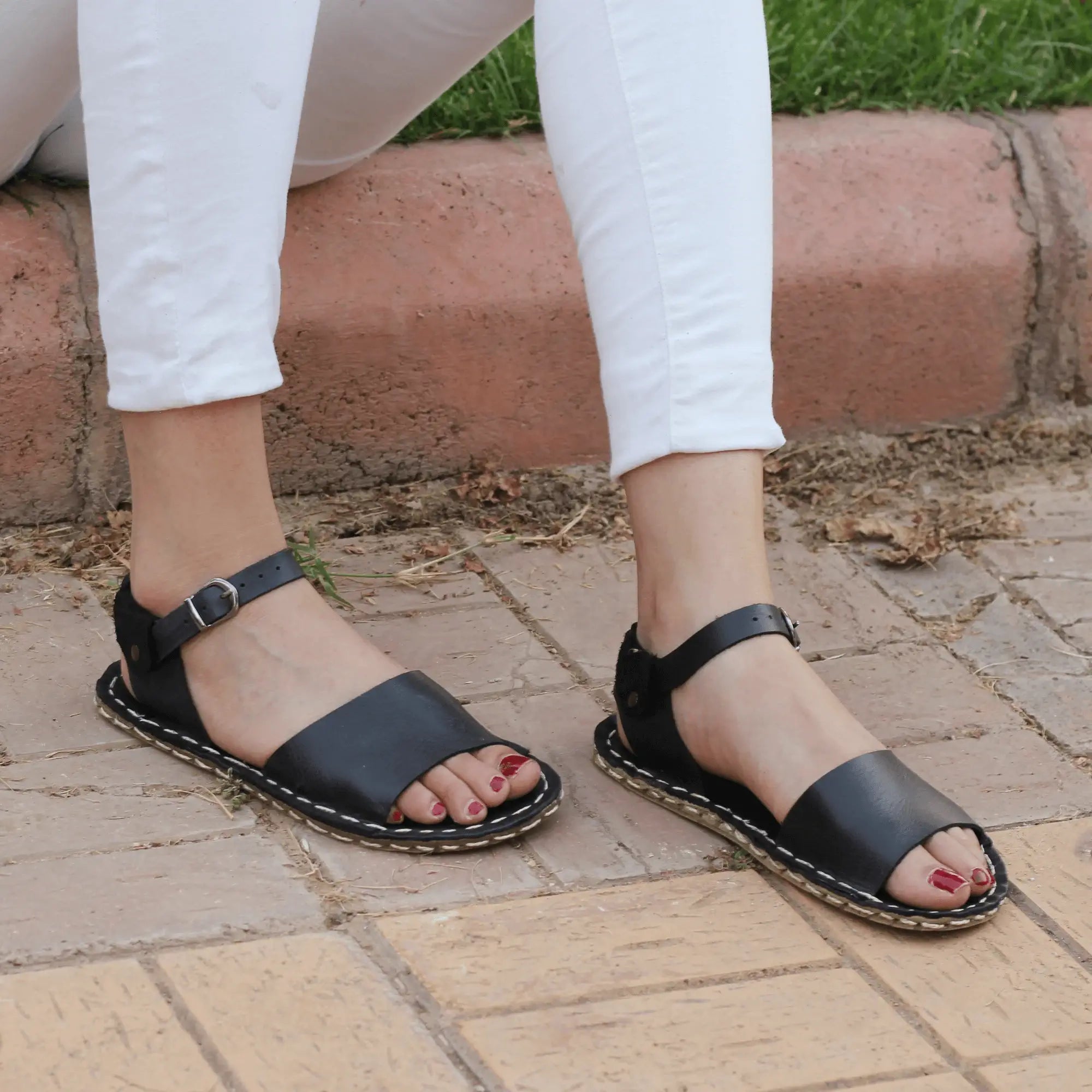
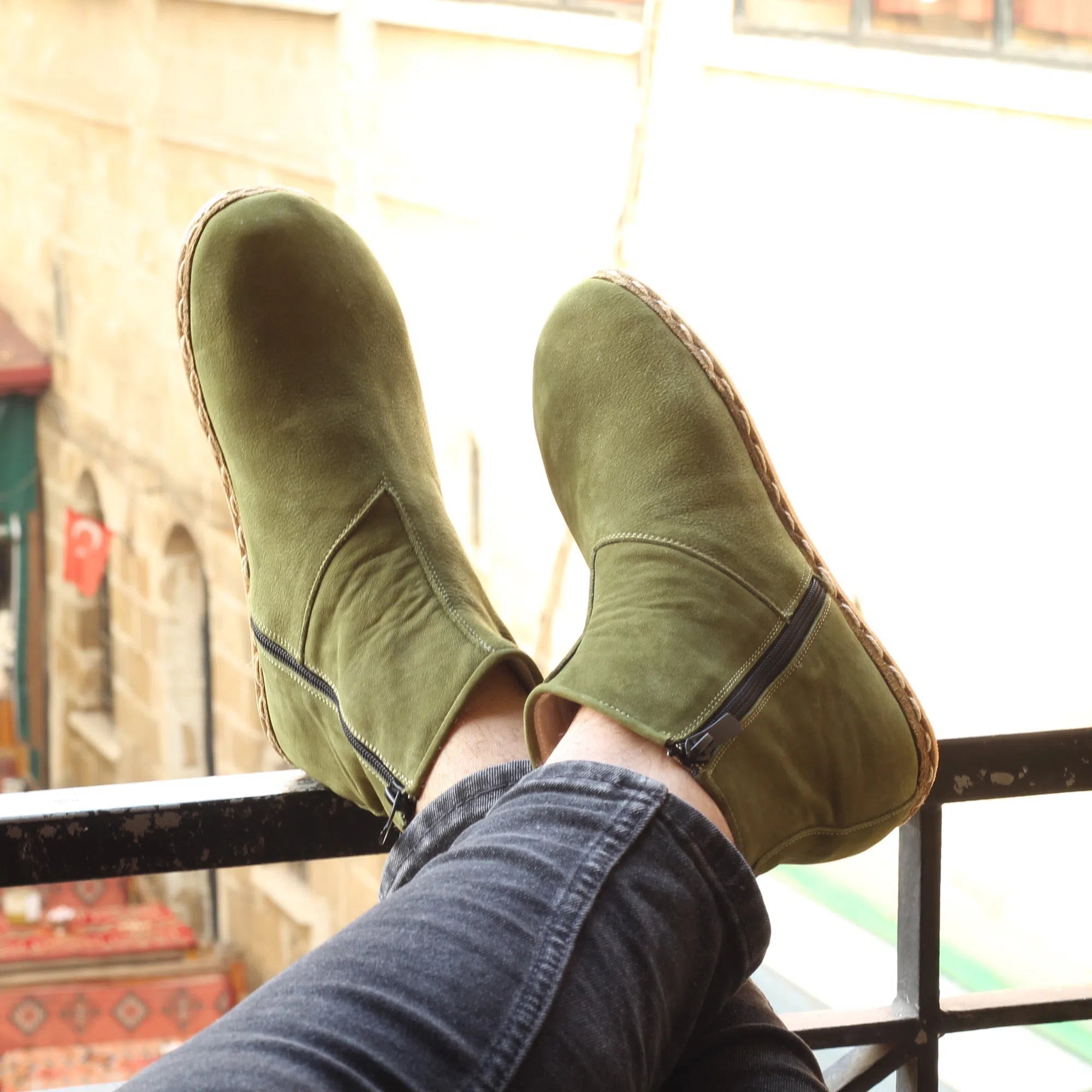
A lot of alignment problems start lower than people think. Not in the hips. Not in the back. Often in the shoes. So, do zero drop shoes help alignment? They can - but not by magic, and not for every foot on day one.
A zero drop shoe keeps the heel and forefoot at the same height. That sounds simple, but it changes the way your body stacks itself from the ground up. When you remove the raised heel found in most conventional shoes, you stop pitching the body forward and asking the ankles, knees, hips, and spine to compensate. For many people, that shift can support more natural posture, steadier walking mechanics, and better awareness of how they move.
How zero drop shoes affect alignment
Traditional footwear usually puts the heel higher than the toes. Even a small heel lift can nudge the pelvis forward, alter knee position, and shorten the demand placed on the calves and Achilles. Over time, that built-in tilt becomes normal. The body adapts, but adaptation is not always the same as healthy alignment.
Zero drop shoes remove that artificial angle. When the foot sits level with the ground, the ankle works through a more natural range, the heel can settle more honestly, and the rest of the body has a chance to organize itself with less interference. That is the key reason people ask whether zero drop shoes help alignment - they are looking for footwear that stops fighting the body.
Still, alignment is not just about heel height. A flat sole helps most when it is paired with a foot-shaped design that lets the toes spread and grip. If the shoe is zero drop but still narrow, stiff, or heavily structured, the benefits can be limited. The foot needs room to do its job.
Do zero drop shoes help alignment for everyone?
Sometimes yes. Sometimes not immediately.
If you have spent years in cushioned shoes with raised heels, your body has likely adapted to that setup. Your calves may be tight. Your feet may be weak. Your walking pattern may depend on the support and shape of conventional footwear. Switching straight into zero drop shoes can feel relieving for one person and demanding for another.
That does not mean the concept is flawed. It means transition matters.
For people with decent ankle mobility, good foot strength, and no major injuries, zero drop shoes often feel more stable and more natural fairly quickly. For people with plantar fasciitis, Achilles sensitivity, rigid feet, or long-standing compensation patterns, the same switch may need to happen gradually. Alignment can improve, but only if the body can adapt without strain.
The honest answer is that zero drop shoes can support alignment, but they do not force alignment. They create better conditions for it.
What changes people often notice
The first change is usually posture awareness. Without a raised heel, many people notice they stand less tipped forward. Walking can feel more even and grounded. Some also report less pressure in the knees or lower back because the body is no longer balancing on a subtle incline.
Another common shift is improved foot engagement. When the sole is flat and flexible enough, the foot can sense the ground better and respond to it more naturally. That can encourage better balance and a more stable chain upward through the ankles, knees, and hips.
But there is a trade-off. If your feet have been passive inside thick, structured shoes, zero drop footwear may wake up muscles that have been underused for years. That can feel like fatigue at first. A good sign is mild adaptation. A bad sign is sharp pain or lingering strain.
Why heel elevation changes more than your foot
A raised heel does not stay at the heel. It affects the whole body.
When the heel is elevated, the body often compensates by shifting weight forward. The knees may stay slightly more bent. The pelvis may tilt. The lower back may increase its curve. None of this happens in exactly the same way for every person, but the general pattern is common enough that it has shaped how many people move every day.
Zero drop shoes remove that forward pitch. In that sense, they can help alignment by reducing one of the built-in distortions of modern footwear. The body is free to stack more naturally over the feet instead of working around a shoe-shaped problem.
This is one reason natural movement advocates push back so strongly against raised heels, narrow toe boxes, and rigid soles. These features are marketed as support, but often they replace healthy function with dependency. Health begins with the feet, and footwear should respect that rather than override it.
The missing piece: toe splay and base of support
If you want better alignment, look at the toes.
A wide toe box matters because alignment depends on a stable base. When toes are squeezed together, the foot loses some of its natural platform. Balance changes. Pressure distribution changes. The big toe, which should play a major role in propulsion and stability, cannot work as well when it is crowded inward.
That is why zero drop alone is not the whole story. A level platform helps, but real alignment support usually comes from a combination of zero drop, natural toe splay, and flexibility. The foot should be able to spread, bend, and feel. That is how the body builds honest stability instead of relying on external control.
Handmade minimalist footwear with natural materials can be especially appealing here because it tends to move with the foot rather than locking it into a stiff shape. For people seeking both function and style, that matters. Better mechanics should not require wearing something that looks clinical or disposable.
When zero drop shoes may not help right away
There are cases where zero drop shoes can expose problems before they solve them.
If you have very limited ankle mobility, a history of Achilles injuries, or significant structural issues, a sudden switch may increase stress. The same can happen if you are trying to do too much too fast, especially with walking volume or exercise. Some people blame the shoe when the real issue is timing and adaptation.
There is also a difference between standing alignment and dynamic alignment. A zero drop shoe may help your standing posture feel more natural, but your gait, strength, and movement habits still matter. If your hips are weak or your stride is overreaching, footwear alone will not clean that up.
This is where a grounded, realistic view matters. Zero drop shoes are not a cure. They are a tool. A very good tool for many people, but still a tool.
How to transition if you want alignment benefits
The smartest transition is usually the slow one.
Start with shorter wear periods, especially if you are coming from heavily cushioned or heeled shoes. Let your feet, calves, and ankles adjust. Pay attention to how you walk. Many people benefit from taking shorter steps and landing more softly rather than striding hard into the ground.
It also helps to spend time barefoot at home if that feels comfortable, since that can improve foot awareness without the stress of long walks. Gentle calf mobility and simple foot-strength work can make the shift easier too. The goal is not to force natural movement. The goal is to rebuild it.
A well-made barefoot shoe can make that process more inviting. When the upper is soft, the toe box is generous, and the sole stays close to the ground, the body gets clearer feedback. That is part of why many wellness-minded shoppers are moving away from synthetic, overbuilt shoes and toward handcrafted options that respect the shape and function of the human foot. Nefes Shoes speaks to that change directly.
So, do zero drop shoes help alignment?
Yes, they often do - especially when compared with conventional shoes that lift the heel, compress the toes, and dull the foot's natural role in movement.
But the better answer is this: zero drop shoes help alignment when they allow the foot to behave naturally and when the body is ready to use that freedom well. They can improve posture, support a more balanced stance, and reduce the compensations caused by elevated heels. They can also reveal weakness, stiffness, or old movement habits that need time to unwind.
That is not a downside. It is feedback.
The body usually tells the truth when the shoes stop interfering. If you give your feet room, keep the sole level, and transition with some patience, alignment has a better chance to come from your own structure rather than from artificial support. And that is a much stronger foundation to walk on.