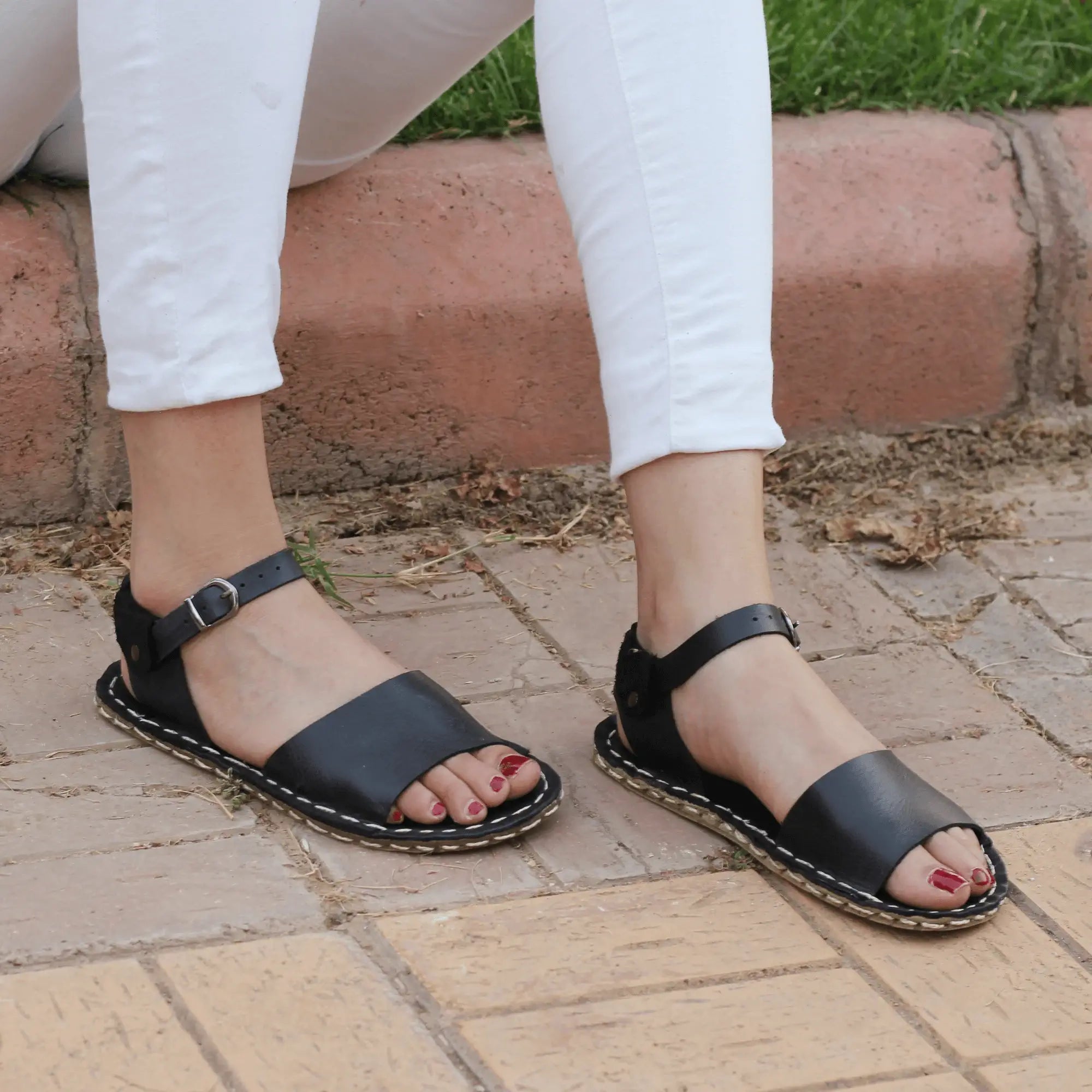
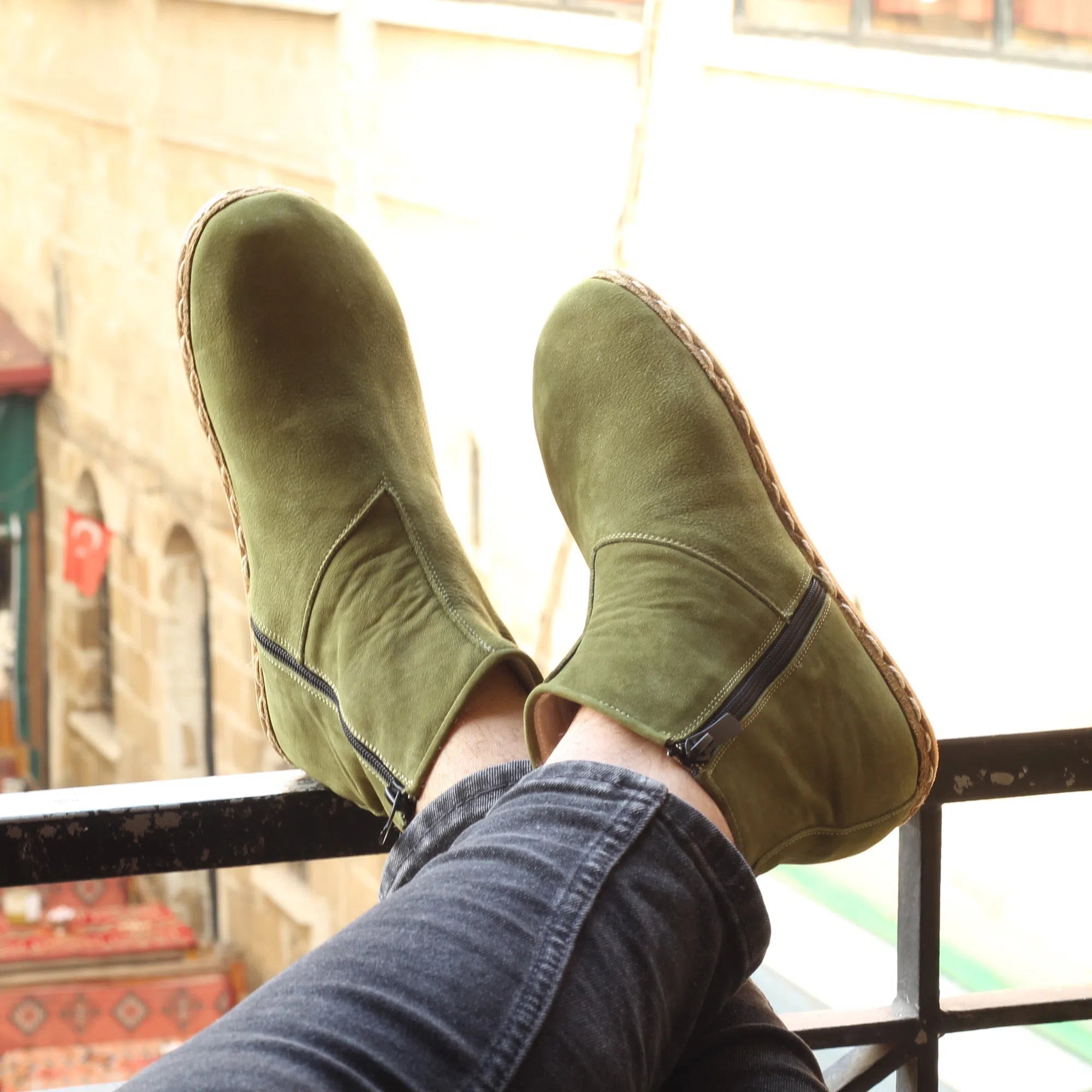
A grounding sandal should not feel like a compromise between wellness and real life. When you know how to wear grounding sandals, they become the pair you reach for on a morning walk, a barefoot-style errand run, a backyard dinner, or any day your feet are tired of being squeezed, lifted, and sealed inside synthetic shoes.
The goal is simple: let your feet move more naturally while choosing a sandal designed to preserve contact with the earth. That calls for more than slipping into an open shoe. Fit, surface, pace, and material all shape the experience.
How to Wear Grounding Sandals the Right Way
Start with the fit. A grounding sandal should hold your foot securely without gripping it like a conventional narrow shoe. Your toes need room to spread, your heel needs to stay centered, and the sandal should move with you rather than forcing your foot to claw at the footbed to keep it on.
Check your toe clearance while standing. Leave a little space in front of the longest toe, especially if your feet swell in warm weather or on longer walks. Your toes should never spill over the edge of the sole. A wide, foot-shaped sandal may look different from the pointed styles you are used to, but that shape gives the forefoot room to do its job.
Adjust straps so they are comfortably snug. If a strap leaves a deep mark, rubs the top of the foot, or causes tingling, loosen it. If your heel slides side to side or your foot moves forward with every step, tighten it gradually. The right fit is stable, not restrictive.
For sandals with leather straps, expect a brief break-in period. Quality leather softens and conforms to the foot, but it should not demand pain as the price of entry. Wear them for short outings at first, then increase your time as the leather takes on the shape of your feet.
Wear Them Barefoot When Conditions Allow
Grounding sandals are designed to be worn directly against the skin. Bare feet allow you to feel the sandal, let the toes spread freely, and enjoy the breathable character of natural leather. If the sandal uses a conductive leather sole, direct skin contact is also part of its grounding design.
That said, comfort and weather matter. Thin, natural-fiber toe socks can be useful on a cool day or when you need a little friction protection during break-in. Just recognize the trade-off: a sock creates a barrier between your foot and the sandal, so it may reduce or prevent the intended conductive connection depending on the materials involved.
Skip thick athletic socks with open sandals. They bunch under straps, change the fit, trap heat, and defeat the easy, natural feel that makes sandals worth wearing in the first place.
Choose the Ground Beneath You
Grounding is not a switch that flips merely because you put on a pair of sandals. The sole and the surface both matter. A natural, conductive sole is intended to support connection to the earth, but dry synthetic flooring, plastic decking, thick rugs, and insulated surfaces can interrupt that path.
When practical, wear your grounding sandals on natural ground: grass, soil, sand, stone, or unsealed concrete. A walk through the park, time in the garden, or a stroll along the shore gives your feet a more sensory experience than another lap across a polished mall floor.
Be realistic about the setting. City sidewalks can be excellent for everyday walking, but they are not the same as wet grass or soil. The wellness appeal of grounding is meaningful to many people, yet individual experiences vary, and sandals are not medical treatment. Think of them as one practical way to spend more time moving naturally outdoors, not a replacement for professional care when you have persistent pain, numbness, or an injury.
Transition From Conventional Shoes Gradually
Years in cushioned, heeled footwear can make natural movement feel unfamiliar. Your calves may be used to a raised heel. Your toes may have spent years compressed together. Even if grounding sandals feel instantly liberating, your body benefits from a sensible transition.
For the first week, wear them for 30 to 60 minutes on easy terrain. Use them around the house, on short walks, or during relaxed outdoor time. Pay attention to your arches, calves, ankles, and the tops of your feet. Mild muscle awareness can happen as your feet work more actively, but sharp pain, worsening soreness, or rubbing is a signal to stop and reassess.
After several comfortable wears, build toward longer walks and daily use. Do not force a twelve-hour day in minimalist sandals because you love the idea of them. Natural footwear rewards patience. Your feet have muscles, tendons, and joints that deserve time to adapt.
If you have diabetes, reduced sensation in your feet, circulation concerns, or a diagnosed foot condition, ask a qualified healthcare professional what level of minimalist footwear makes sense for you. Barefoot-inspired design is not one-size-fits-all, and strong choices begin with honest attention to your body.
Let Your Feet Move, Not Grip
The most common mistake new wearers make is gripping the sandal with their toes. It is understandable, especially if you have spent years in flip-flops or loose slides. But constant toe gripping creates tension and keeps the foot from moving naturally.
Walk with a shorter, quieter stride at first. Let your heel land gently, allow the foot to roll forward, and let the toes relax as you push off. A secure heel strap or well-adjusted upper helps here because it gives the sandal enough hold that your toes do not have to become a seatbelt.
Keep your posture easy. Zero-drop sandals place the heel and forefoot at the same level, rather than tilting the body forward with an elevated heel. Some people notice that this encourages a more upright, grounded stance, while others need time for their calves and ankles to adjust. There is no prize for rushing it.
Style Grounding Sandals Without Hiding Them
Natural footwear has earned its place beyond the yoga mat and the garden path. A handmade leather sandal can be relaxed, refined, or quietly bold depending on how you wear it. The point is not to dress like everyone else. It is to choose pieces that let your body move and still feel like you.
For casual days, pair leather grounding sandals with cropped jeans, linen pants, cotton shorts, or a soft summer dress. Let the ankle stay visible. That open line complements the low-profile shape of a minimalist sandal and keeps the outfit from feeling heavy.
For a more polished look, choose clean leather straps and wear them with tailored wide-leg trousers, a breezy midi skirt, or an unstructured linen set. Avoid overly bulky clothing that swallows the foot. Grounding sandals tend to look strongest when the silhouette is intentional and the materials feel honest: leather, linen, cotton, denim, and other breathable fabrics.
Color matters, too. Earth tones make grounding sandals easy to wear repeatedly. Black leather creates contrast and works well with sharper outfits, while brown, tan, and natural finishes bring out the handmade character. Nefes Shoes builds this idea into artisan leather footwear that refuses the false choice between natural foot freedom and personal style.
Care for the Leather and the Sole
A sandal that spends time on real ground will collect evidence of a life well lived. Dust, grass marks, and a little wear are normal. Still, basic care protects the leather and helps the sandal stay comfortable.
Brush off dry dirt after outdoor use with a soft cloth. If the upper needs cleaning, wipe it gently with a barely damp cloth, then let it air-dry away from direct heat. Do not soak leather, leave it in a hot car, or put it near a radiator. Heat can dry the fibers and make straps stiff.
Condition the leather occasionally with a product suited to the type of leather used in your sandals. Use a light hand. Too much conditioner can leave leather overly soft or greasy. The goal is supple, breathable material, not a shiny coating.
Pay attention to the outsole as well. Stones or debris caught in the tread can affect traction. If a strap begins to loosen or the sole shows unusual wear, handle the repair early. Handmade footwear is worth maintaining because it is made to become more personal with use, not disposable after one season.
Know When Grounding Sandals Are Not the Best Choice
Grounding sandals shine in warm weather, dry conditions, easy walks, travel days, and time outdoors. They are not automatically the right tool for every environment. Steep, loose trails, heavy rain, freezing temperatures, construction sites, and activities requiring protective footwear call for a different shoe.
This is not a failure of minimalist sandals. It is common sense. Freedom works best when paired with awareness of the terrain, the weather, and what your day asks of you.
Wear them often enough for your feet to remember their own strength, but wear them thoughtfully. The best grounding sandal is not the one that stays pristine in a closet. It is the one that carries you outside, lets your toes breathe, and makes every ordinary step feel a little closer to the ground beneath you.