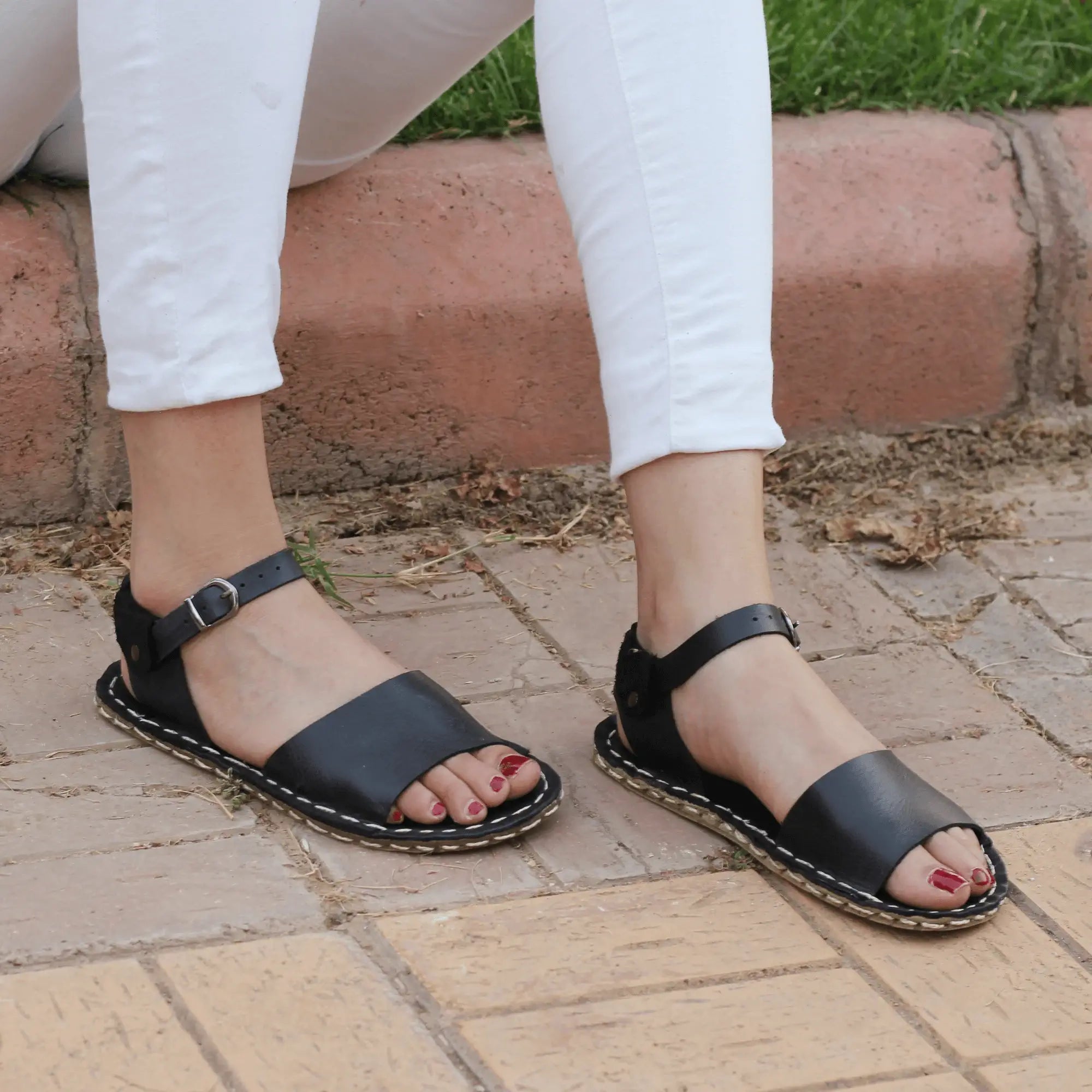
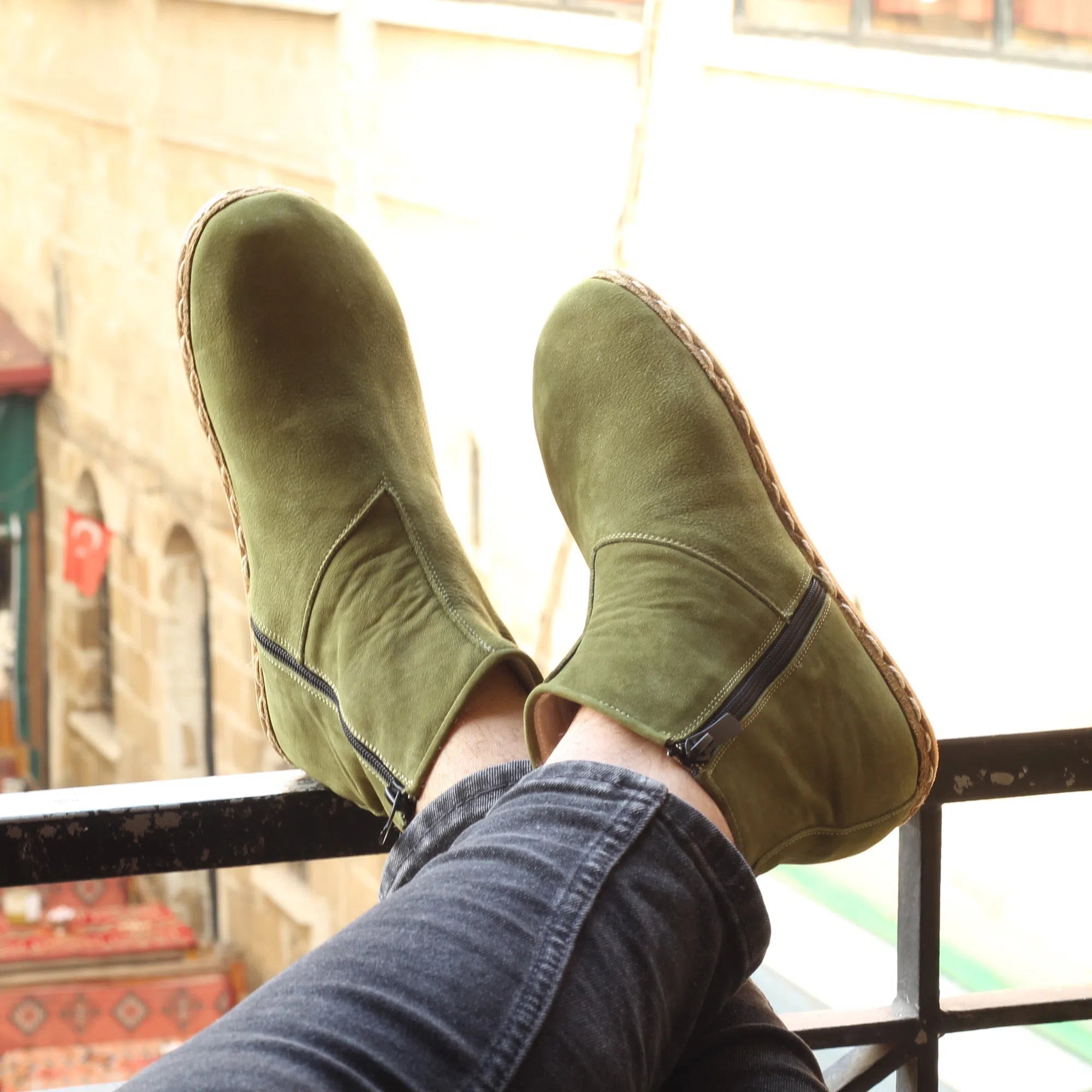
You can spot the problem before you even take your shoes off - cramped toes, a lifted heel, and that dull sense that your feet have been working against the shoe all day. Zero drop leather sneakers answer that problem in a way most modern footwear still refuses to. They bring your foot back to a more natural position, let your toes spread, and replace plastic-heavy construction with leather that breathes, softens, and moves with you.
That combination matters more than people think. Plenty of sneakers now borrow the language of comfort, but many still sit your heel higher than your forefoot and squeeze the front of the foot into a shape that has nothing to do with real anatomy. If you care about posture, balance, foot strength, or simply making it through the day without feeling trapped in your shoes, zero drop is not a gimmick. It is a design choice with real consequences.
A zero-drop shoe keeps the heel and forefoot at the same height. That sounds simple, but it changes the way you stand and move. Traditional sneakers often add a raised heel, which tips the body forward and can shift pressure through the ankles, knees, hips, and lower back. A zero-drop setup puts you on a level platform, closer to the way you stand when barefoot.
The leather part matters too. Leather is not just about appearance. Good leather adapts to the foot over time, allows for airflow, and avoids the synthetic feel that makes many sneakers hot, stiff, and strangely disconnected from the body. When the shoe is also built with a wide toe box and a flexible sole, the result feels less like a cast and more like a second skin.
For people coming from conventional athletic shoes, the first difference is often posture. The second is space. Toes that have spent years pressed together suddenly have room to spread and stabilize. That can feel unfamiliar at first, but unfamiliar is not the same as wrong. In many cases, it is the foot returning to a shape and function it should have had all along.
The real benefits of zero drop leather sneakers
The strongest case for zero drop leather sneakers is not trend, fashion, or minimalist bragging rights. It is function. A level sole can support more natural alignment from the ground up. When the foot is not pitched forward by a heel rise, the body has a better chance to stack itself with less compensation.
That does not mean every ache disappears overnight. Bodies are complicated, and years in conventional shoes leave a mark. But many people notice that walking feels more stable, calves and feet begin working differently, and pressure shifts away from the forefoot in a healthier way.
Toe room is another major benefit. Shoes with narrow fronts train the toes inward. Over time, that can contribute to discomfort, rubbing, and a loss of natural toe splay. A sneaker built for barefoot-style movement gives the toes room to spread on landing and push-off. That simple change can improve comfort during long days, especially if you spend hours on your feet.
Then there is breathability. Leather, especially when it is used thoughtfully rather than coated into stiffness, tends to regulate moisture better than many synthetic uppers. For anyone tired of sweaty feet, trapped heat, or lingering odor, leather can be a practical improvement, not just a premium material.
And there is one more layer that mass-market sneakers almost never offer - a stronger sense of connection. Shoes made from natural materials and stripped of unnecessary structure can feel more grounded, both physically and mentally. For people drawn to earthing, natural movement, and body awareness, that is not a small thing.
Zero drop is not the whole story
A shoe can be technically zero drop and still feel wrong. Brands know how to market a single feature while ignoring the rest of the foot. If the toe box is narrow, the sole is rigid, or the upper is packed with synthetic reinforcement, the label alone will not save the experience.
That is why the best zero drop leather sneakers work as a system. The sole should be level, yes, but also flexible enough to let the foot bend naturally. The toe box should be wide enough for real toe spread, not just slightly less pointed than a standard sneaker. The leather should soften and adapt rather than force the foot into a fixed shape.
Craftsmanship matters here. Handmade construction often produces a different result than factory-made footwear built around speed and uniformity. When a shoe is shaped with care and honest materials, you feel it. The fit becomes more personal. The movement becomes less restricted. The shoe starts serving the foot instead of demanding that the foot conform.
Who should consider zero drop leather sneakers
These sneakers make sense for people who are done compromising between foot health and style. If you want something that looks refined enough for everyday wear but still respects natural movement, this category fills a gap the mainstream market keeps ignoring.
They are especially appealing if you have felt boxed in by conventional sneakers, deal with overheating or sweat, or want footwear that supports a more natural stance. They also suit people who are exploring barefoot living but do not want thin, sporty shoes that look out of place with real clothes.
That said, zero drop is not always a one-day switch. If you have spent years in cushioned running shoes or elevated casual sneakers, your feet and calves may need time to adapt. Some people transition easily. Others need a slower shift. It depends on your current mobility, foot strength, and how much support your body has relied on.
How to transition without fighting your own body
The biggest mistake people make is assuming that a healthier shoe should feel effortless on day one. If your feet have been supported, compressed, and elevated for years, a more natural position can wake up muscles that have not been doing much work.
Start with shorter wear periods. Use your zero drop leather sneakers for walks, errands, or part of the workday before making them your all-day default. Pay attention to your calves, arches, and Achilles. Mild fatigue can be normal during transition. Sharp pain is not.
It also helps to let your feet do more, not less. Spend time barefoot at home if that feels good. Practice gentle toe spreading. Walk on varied natural surfaces when possible. The goal is not just changing shoes. The goal is restoring function.
If you already have significant foot issues, transition with patience. Zero drop can be liberating, but forcing adaptation too quickly usually backfires. Healthy movement is not about punishment. It is about relearning.
What to look for in quality zero drop leather sneakers
If you are shopping carefully, look beyond the phrase itself. A truly well-made pair should combine zero-drop construction with a wide toe box, flexible movement, and natural materials that improve with wear.
Leather quality is worth your attention. Full-grain and similarly durable leathers tend to mold to the foot better and age with more character than cheaper corrected materials. Breathability, softness, and long-term comfort all depend on the hide and how it is finished.
The sole deserves equal scrutiny. Some zero-drop shoes are level but still thick and stiff enough to dull ground feel. Others strike a better balance, offering protection without cutting you off from the surface beneath you. If grounding and earth connection matter to you, natural sole materials and less insulating construction may matter even more.
Aesthetic matters too. There is no virtue in buying healthy shoes you never want to wear. The good news is that zero drop leather sneakers no longer need to look clinical or niche. When design and craftsmanship come together, they can carry the ease of a sneaker with the soul of a handmade shoe. That is where brands like Nefes Shoes speak to people who want both freedom and beauty.
Why leather and natural movement belong together
Synthetic sneakers trained shoppers to accept a strange trade-off: high-tech materials, low connection. You get foam, mesh, glue, and branding, but not much honesty. Leather changes that conversation. It is tactile, durable, breathable, and alive in the sense that it ages with you.
When that material is paired with zero-drop geometry, the shoe starts making more human sense. Your feet are not elevated. Your toes are not being forced into a pointed shell. Your stride is not filtered through layers of unnecessary cushioning. You feel more of the ground, more of your own body, and more of the difference between walking naturally and being propped up.
That will not make every pair perfect for every person. Some people want more cushioning for certain activities. Some need a longer adjustment period. Some prefer a very thin sole, while others want a bit more protection for city streets. Those trade-offs are real. But if your priority is everyday footwear that respects the body instead of overriding it, zero drop leather sneakers are one of the strongest options available.
The right pair does not just change how your shoes feel. It changes what your feet are allowed to do again.