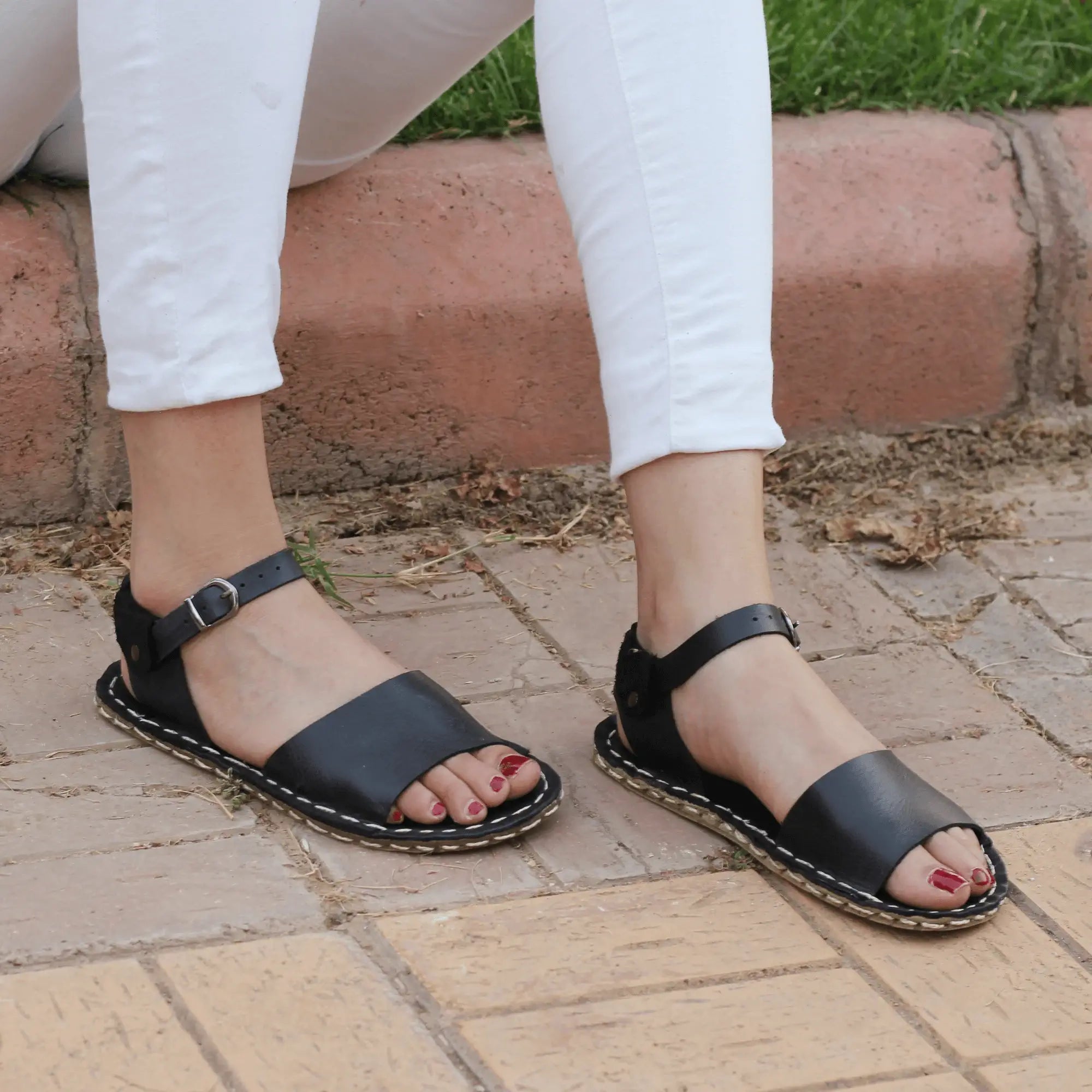
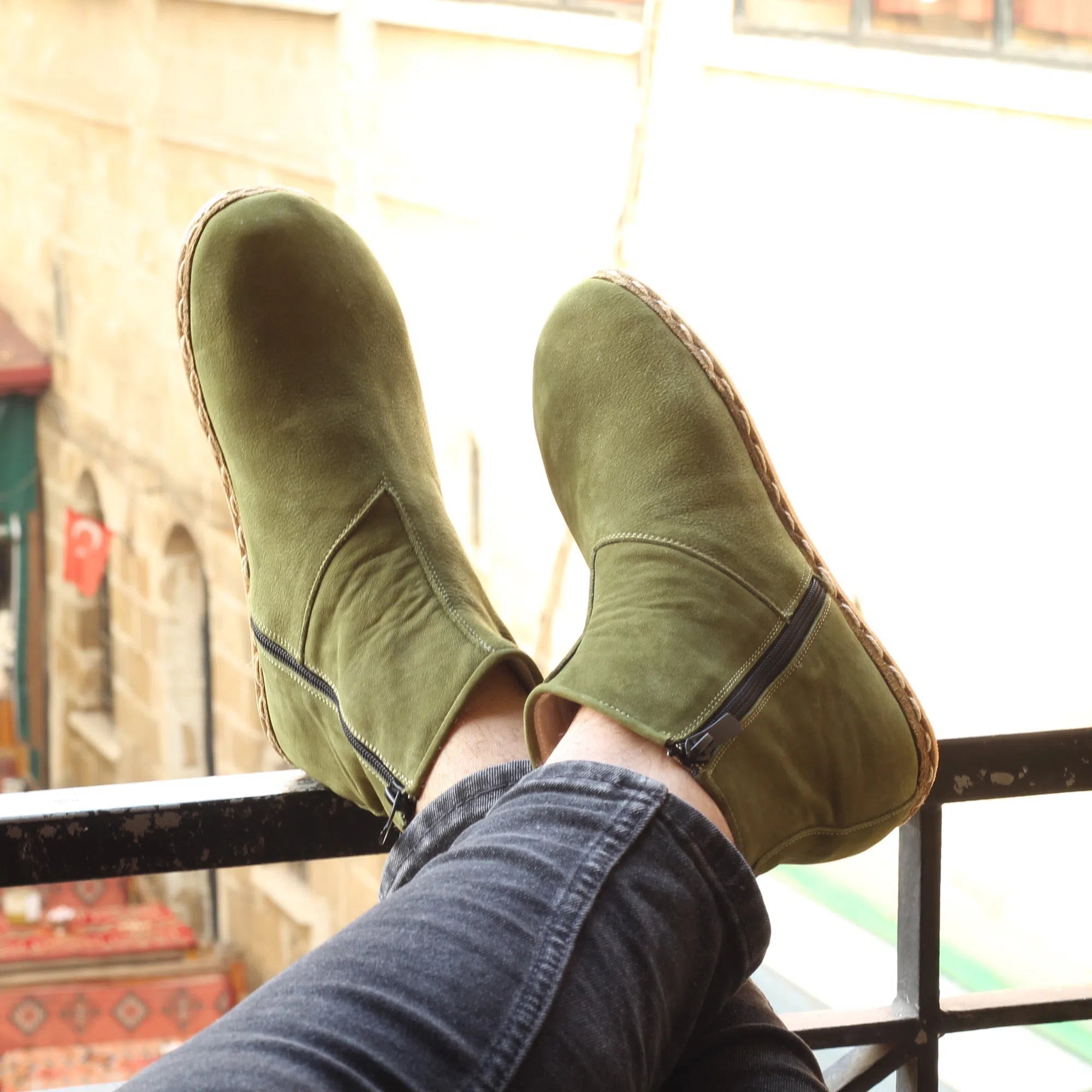
A long walk will tell you the truth about a shoe faster than any product page ever can. If you want an honest earthing shoes review for walking, the real question is not whether the idea sounds good. It is whether the shoe keeps your stride natural, your feet comfortable, and your body feeling more aligned after miles on concrete, grass, and everything in between.
That is where earthing shoes either earn their place or get exposed.
Traditional walking shoes usually promise support by adding more foam, more heel, and more structure. The problem is that all that cushioning often comes with trade-offs - restricted toe movement, a raised heel that shifts posture, and synthetic materials that trap heat and moisture. Earthing shoes take the opposite path. They aim to keep you closer to the ground, allow natural toe splay, and use conductive materials in the sole so contact with the earth is not completely blocked.
Earthing shoes review for walking: what matters most
For walking, the best earthing shoes are not just about grounding. They also have to perform as actual shoes. That means comfort over distance, a secure fit, flexibility, breathability, and enough durability to handle daily use.
The first thing most walkers notice is the sole feel. Earthing shoes usually have thinner, flatter soles than conventional sneakers. That can feel liberating if you are used to barefoot or minimalist footwear. You can sense the ground better, your gait often becomes lighter, and your foot is allowed to do more of the work it was designed to do. But if you are coming from thick cushioned shoes, the transition can be humbling. Your feet and calves may need time to adapt.
The second factor is toe box shape. A proper earthing shoe for walking should not squeeze the front of the foot into a narrow point. Wide toe boxes matter because walking is repetitive. If your toes cannot spread and stabilize, comfort starts to fade fast, especially on longer walks.
Material quality also matters more than many buyers expect. Earthing shoes made with natural leather tend to breathe better, mold to the foot over time, and avoid the plasticky feel that many synthetic shoes have. Leather soles, especially natural buffalo leather soles, create a very different walking experience from thick rubber. They feel more organic underfoot, more flexible, and more in line with the whole purpose of natural movement.
How earthing shoes feel on real walks
Short walks are easy. Almost any decent shoe can survive a trip to the coffee shop. The better test is a one-hour neighborhood walk, a day of errands, or regular daily mileage.
On those longer walks, earthing shoes tend to shine in a few clear ways. The zero-drop design helps keep posture more natural because the heel is not elevated above the forefoot. Many walkers say they feel less pitched forward. A flexible sole also encourages a smoother step rather than the heavy heel strike common in conventional athletic shoes.
There is also the sensory difference. Walking in earthing shoes can feel less insulated and more connected. Some people love that immediately. Others need time to appreciate it. If you want your footwear to disappear under you, a well-made minimalist earthing shoe often gets closer to that feeling than a bulky walking sneaker does.
Still, this is where nuance matters. More ground feel is not always better for every person, every day, or every surface. If you are walking long urban routes on hard pavement and your feet are deconditioned, a very thin sole may feel demanding at first. That does not mean the shoe is wrong. It means adaptation is part of the process.
Comfort is different from cushioning
This point gets missed constantly. Conventional brands have trained people to think soft equals comfortable. It does not always. A shoe can feel plush for ten minutes and leave your forefoot cramped by the end of the day.
Earthing shoes redefine comfort. Instead of relying on foam, they let comfort come from shape, flexibility, and freedom. If the toe box is wide, the upper is soft, and the sole moves with the foot, walking can feel surprisingly natural and fatigue can decrease over time. But that kind of comfort is honest. It does not mask poor mechanics.
The biggest trade-offs in an earthing shoes review for walking
If this category were perfect for everyone, every shoe store in America would look very different. Earthing shoes have real advantages, but they also come with trade-offs that buyers should understand.
The first trade-off is the break-in period, both for the shoe and for your body. Natural leather gets better with wear, but it may start a bit firm depending on the style. More importantly, your feet may need time to regain strength if you have spent years in stiff, cushioned shoes.
The second trade-off is surface sensitivity. On natural ground, many people love the feel of earthing shoes. On rough pavement, sharp gravel, or long stretches of unforgiving concrete, the experience can vary depending on your tolerance and the sole thickness. Some walkers want that direct connection. Others want just a bit more protection.
The third trade-off is weather and use case. Leather and natural sole materials are beautiful, breathable, and grounded in a way synthetic sneakers are not, but they are not meant to behave like heavily engineered gym shoes. If your routine includes wet conditions, aggressive hiking terrain, or high-impact workouts, you may need different footwear for those moments.
That is not a weakness. It is simply using the right tool for the right job.
What separates a good pair from a gimmick
The earthing category attracts curiosity, but not every pair deserves attention. Some brands lean hard on the grounding story while ignoring the basics of foot health. That is a mistake.
A strong walking shoe in this space should have a truly flat sole, not a hidden heel. It should have enough width for natural toe splay. It should flex where the foot flexes. And it should use quality natural materials that feel good against the skin and age well over time.
Craftsmanship matters too. Handmade construction often shows up in the details - better leather selection, cleaner stitching, and a shape that feels more human than machine-made. That difference is not cosmetic. When you walk every day, small design choices become big comfort issues.
This is one reason some buyers gravitate toward handcrafted minimalist leather shoes from brands like Nefes Shoes. The appeal is not just that they look distinct. It is that the materials and construction support the same philosophy as the design: feet should move freely, breathe naturally, and stay closer to the earth.
Fit can make or break the experience
Even an excellent earthing shoe will disappoint if the fit is off. Too loose, and you will feel unstable. Too tight, and you lose the benefit of natural movement.
For walking, the ideal fit usually means secure through the midfoot and heel, with room in the toe box for your toes to spread. Leather can shape itself to the foot over time, which is one of its strengths, but you still want the basic dimensions to be right from the start.
If you are between sizes or new to minimalist footwear, it helps to think beyond standard sneaker sizing habits. Many people have spent years wearing shoes that were too narrow without realizing it.
Who earthing shoes are best for
Earthing shoes for walking make the most sense for people who want more than just a casual style change. They suit walkers who care about posture, toe freedom, breathability, and a less artificial underfoot feel. They also tend to appeal to people already interested in barefoot living, holistic wellness, and reducing dependence on overbuilt footwear.
They may be especially satisfying for those who are tired of sweaty synthetic uppers, cramped toe boxes, and thick foam that deadens movement. If you want your walking shoes to support natural mechanics rather than override them, this category makes a strong case.
They are less ideal for someone expecting instant pillow-soft cushioning or someone unwilling to adapt gradually. Earthing shoes ask more of the foot, and that is part of their value. But it also means expectations should be realistic.
Final verdict on walking in earthing shoes
As a walking shoe category, earthing shoes are compelling when they are done right. The best pairs combine grounding potential with the fundamentals that actually matter day to day - zero-drop balance, flexible construction, a wide toe box, breathable natural materials, and enough craftsmanship to hold up under regular use.
They are not magic, and they are not for every situation. But for everyday walking, many people find them more honest, more comfortable over time, and more aligned with how the foot is meant to move than conventional shoes stuffed with foam and marketing claims.
If your feet are asking for more freedom and less interference, that is worth listening to. Often the smartest shift in wellness is also the simplest one - stop fighting your feet and let them walk the way nature intended.