A lot of hikers figure out their footwear is wrong halfway through a trail - when their toes start rubbing downhill, their heels feel trapped, or their knees begin taking more impact than they should. That is where the real barefoot boots vs hiking boots conversation starts. Not in a product chart, but in your body.
Traditional hiking boots have long been sold as the safe choice. Stiff soles, raised heels, thick cushioning, and structured uppers are supposed to protect you from the trail. Sometimes they do. But they also change how your feet move, how your weight lands, and how much work your own muscles are allowed to do. Barefoot boots challenge that entire formula.
If you care about natural movement, posture, foot strength, and materials that feel closer to the earth than a slab of foam, this comparison matters. The better option is not always the one with more padding. It is the one that matches your body, your terrain, and the kind of experience you want outdoors.
Barefoot boots vs hiking boots: the real difference
The biggest difference is not style. It is philosophy.
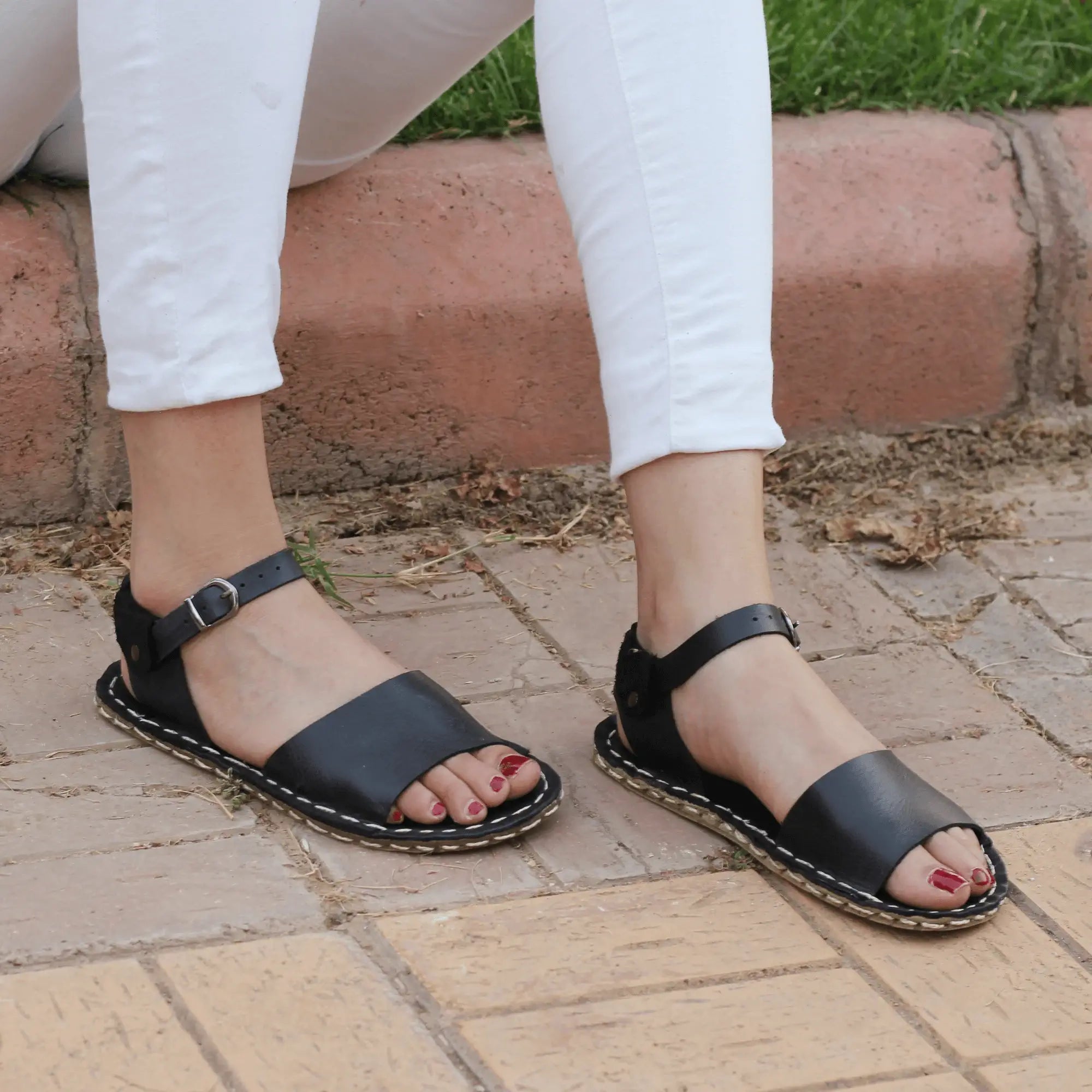
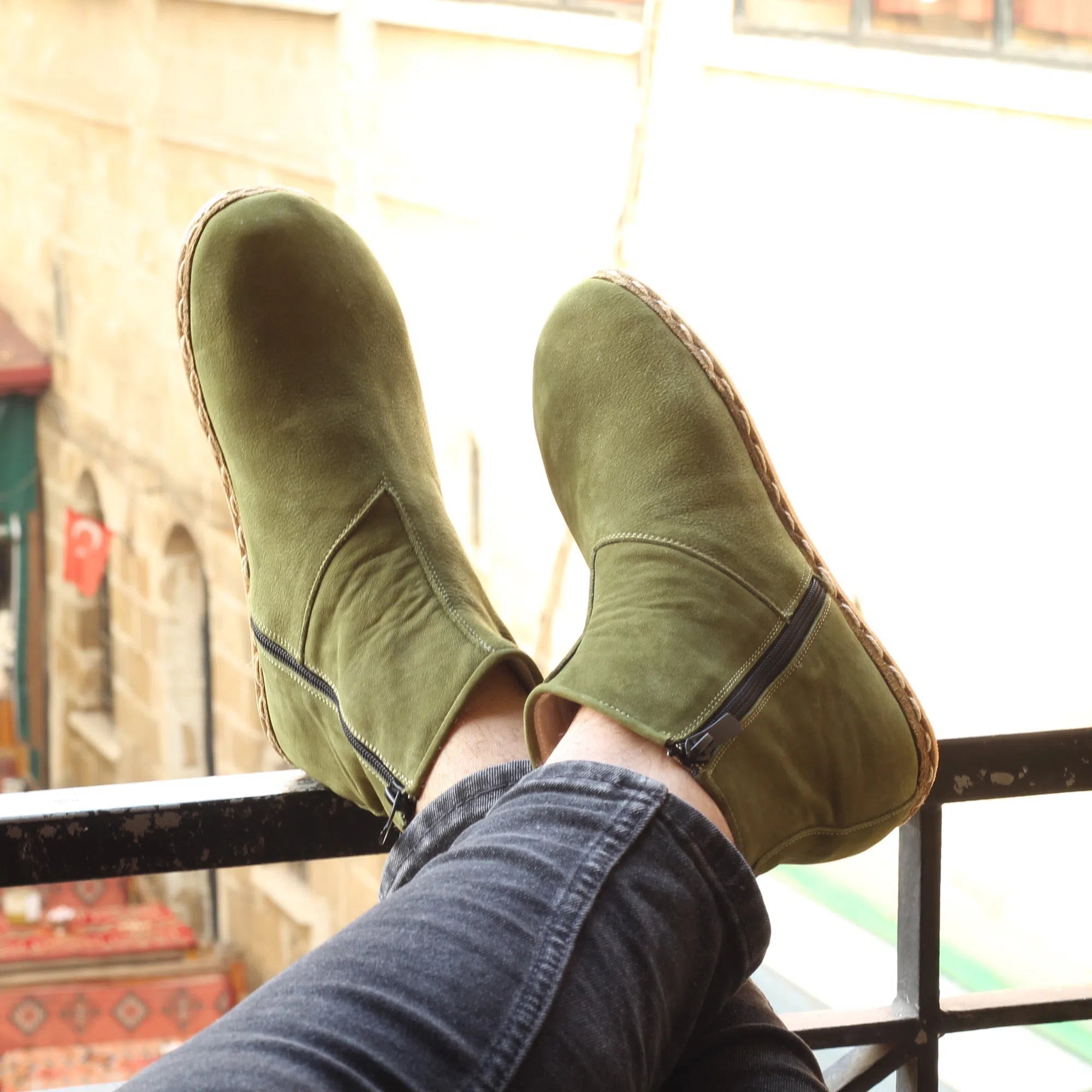
Barefoot boots are built to let the foot function the way it was designed to function. That usually means a wide toe box, a zero-drop sole with no raised heel, a flexible structure, and minimal interference between your foot and the ground. Your toes can spread. Your arch can work. Your ankle can respond naturally to uneven terrain instead of being held in place by a rigid shell.
Hiking boots, on the other hand, are usually built around control. Many have narrow toe boxes, thick midsoles, heel elevation, and firm support meant to stabilize the foot from the outside. That can feel reassuring, especially if you grew up believing that firmness equals protection. But external support often comes with a trade-off: less sensory feedback, less natural flexion, and less room for the foot to do what it already knows how to do.
That does not make every hiking boot bad, and it does not make every barefoot boot right for every trail. It means the two categories ask your body to move in very different ways.
Why barefoot boots feel different on the trail
The first thing many people notice in barefoot boots is space. Your toes are not squeezed into a tapered front. They can spread for balance, especially on uneven ground. That matters more than most people realize. Toe splay is part of stability. When the front of the foot is compressed, the whole lower body has to compensate.
The second thing is posture. A zero-drop design keeps the heel and forefoot level, which can help your alignment feel more natural from the ankles up through the knees, hips, and spine. Raised heels, even small ones, shift the body forward. Over miles, that changes how you load your joints.
Then there is ground feel. A flexible, minimalist sole lets you sense the trail under you. That feedback helps many hikers move more carefully and more efficiently. Instead of stomping through terrain with a thick buffer underfoot, you become more aware of roots, rocks, slope changes, and footing.
For people who value grounding and natural materials, barefoot boots offer something else conventional hiking boots rarely do: a more direct relationship with the environment. Less synthetic bulk. Less insulation from the earth. More honesty in how the body meets the ground.
Where hiking boots still make sense
There are situations where traditional hiking boots can be useful. If you are carrying a very heavy pack over harsh, jagged terrain for long distances, the added stiffness may reduce foot fatigue. If you are crossing sharp scree fields or snow, a thicker sole and more structured upper can offer protection that minimalist footwear may not.
Hiking boots can also feel easier for beginners who have not yet built strong feet or adapted to minimal footwear. If your feet have spent years in cushioned shoes with raised heels, jumping straight into barefoot boots for a steep all-day hike may be too much, too soon.
This is where honesty matters. Barefoot footwear is not a magic switch. It asks more from your feet and lower legs. If those tissues are weak, tight, or deconditioned, you may need time to transition. The body usually benefits from that process, but the process is still real.
Foot health: support from the inside or the outside?
This is where the argument gets sharper.
Traditional footwear often promises support by adding more structure under and around the foot. But long term, constant external support can reduce the need for the foot's own muscles to engage. A foot that is always held up can become a foot that is less capable on its own.
Barefoot boots take the opposite view. They do not force the foot into a shape. They respect its natural width, movement, and mechanics. Over time, many wearers notice better balance, stronger feet, improved comfort, and less of that cramped, overheated feeling that comes from thick synthetic shoes.
Of course, there is a difference between healthy adaptation and overdoing it. If you have severe foot pain, a current injury, or a medical condition affecting your gait, transition carefully. Freedom works best when it is introduced with awareness.
Comfort is not always softness
This is one of the biggest myths in footwear.
Many people equate comfort with cushioning at first touch. A hiking boot can feel plush in the store, especially if it has a padded collar, thick insole, and stiff sole that limits motion. But comfort over six miles is different from comfort over six minutes.
Real comfort often comes from room, breathability, natural alignment, and the ability to move without friction or compression. A boot that lets your toes spread and your foot flex can feel less "soft" at first and still leave you far less tired by the end of the day.
Material matters too. Natural leather, especially when crafted well, breathes differently than synthetic-heavy footwear. It conforms over time, manages moisture better, and tends to feel more alive on the foot. For shoppers who are tired of sweaty, odor-trapping boots made from plastic layers and glue, that difference is not small.
Barefoot boots vs hiking boots for different terrain
If your hikes are on moderate trails, forest paths, dirt roads, rolling hills, and everyday outdoor terrain, barefoot boots can be an excellent fit. They allow agility, responsiveness, and a stronger connection to the ground. They also transition well beyond the trail, which matters if you want one boot that supports your body in daily life too.
If your routes involve loose rock, technical alpine terrain, or long descents under a heavy load, some hikers may prefer the extra barrier and stiffness of a conventional hiking boot. Not because it is more natural, but because it is more specialized for those conditions.
Weather is another factor. Some barefoot boots handle cold and wet conditions beautifully, especially if made with quality leather and thoughtful construction. Others are better suited for milder use. The category matters less than the actual build.
That is why the smartest question is not, "Which one is better?" It is, "What kind of movement does this boot encourage, and is that what I want for this terrain?"
Who should choose barefoot boots?
If you are drawn to natural movement, want a wide toe box, dislike raised heels, or feel like conventional hiking boots make your feet tired rather than supported, barefoot boots deserve serious attention. They make sense for people who want their footwear to work with the body instead of controlling it.
They are especially appealing if you care about alignment, breathability, craftsmanship, and materials that do not feel industrial. For many people, that combination changes more than trail comfort. It changes how they stand, walk, and recover in everyday life.
A well-made barefoot boot can also satisfy something deeper than biomechanics. It can remind you that footwear does not have to numb your connection to the world. It can protect without imprisoning. That is a different kind of luxury.
Who may prefer hiking boots?
If you need maximum underfoot shielding, carry heavy loads regularly, or simply are not ready to retrain your feet, hiking boots may still be the better current choice. Some people need a stepping stone before moving toward less structure.
That is not failure. It is context.
Still, it is worth asking whether your boots are solving a problem or creating one. If your toes are cramped, your heel is elevated, your stride feels forced, and your feet come home weaker than they started, more support may not be the answer.
At Nefes Shoes, we believe health begins with the feet. The right boot should not fight your anatomy. It should give your body room to move, breathe, and reconnect.
The trail does not ask for bulky footwear. It asks for awareness. Choose the boot that helps you feel more of your body, not less of it.