A walking shoe should not ask your feet to become smaller, stiffer, or less alive with every mile. The best barefoot shoes for walking make room for your toes, keep your heel level with your forefoot, and let your feet do the work they were built to do. That can feel radically different after years in narrow, raised, heavily cushioned shoes.
Walking is repetitive. A short trip through the neighborhood, a day on your feet at work, or a long airport connection can add up to thousands of steps. The right barefoot shoe does not try to control every one of them. It gives your foot space, sensory feedback, and flexible protection while you move naturally.
What Makes a Barefoot Walking Shoe Worth Wearing?
The label alone is not enough. Some shoes look minimalist but still taper sharply at the toes, add a hidden heel lift, or use thick synthetic construction that separates you from the ground. For everyday walking, look past the marketing and focus on the shape and materials.
A true barefoot walking shoe has a foot-shaped, wide toe box that allows the toes to spread rather than overlap. It has a zero-drop sole, meaning the heel and forefoot sit at the same height. It also needs a flexible sole that bends with your stride instead of acting like a rigid platform beneath it.
Material matters too. Natural leather can mold to the foot over time, breathe better than many plastic-heavy uppers, and develop character rather than simply wearing out. A thin buffalo leather sole adds a distinctly grounded feel for people who want to sense the terrain beneath them while still protecting their skin from rough surfaces.
There is a trade-off: thinner, more flexible shoes provide more ground feel, but they do not hide hard pavement the way a thick foam sole does. If you are new to barefoot walking, that is not a flaw. It is a reason to transition with patience.
10 Best Barefoot Shoes for Walking by Lifestyle
The best choice depends on where you walk, what you wear, and how much barefoot experience you have. Instead of chasing one shoe for every situation, choose a style that supports the life you actually live.
1. Minimal Leather Sneakers for Daily City Walking
For errands, commutes, coffee runs, and casual office days, a low-profile leather sneaker is often the most versatile option. Look for a flexible sole, easy lace adjustment, and enough toe room for your feet to expand during a long day. Leather sneakers pair easily with denim, trousers, and relaxed dresses without looking like gym shoes.
2. Barefoot Moccasins for Soft, Flexible Comfort
Moccasins are a natural match for walking because their construction is simple and foot-friendly. A well-made leather moccasin moves with the foot rather than fighting it. They are especially appealing for dry weather, travel days, and anyone who wants a lighter, more connected feel than a conventional sneaker provides.
3. Barefoot Boots for Cool Weather Routes
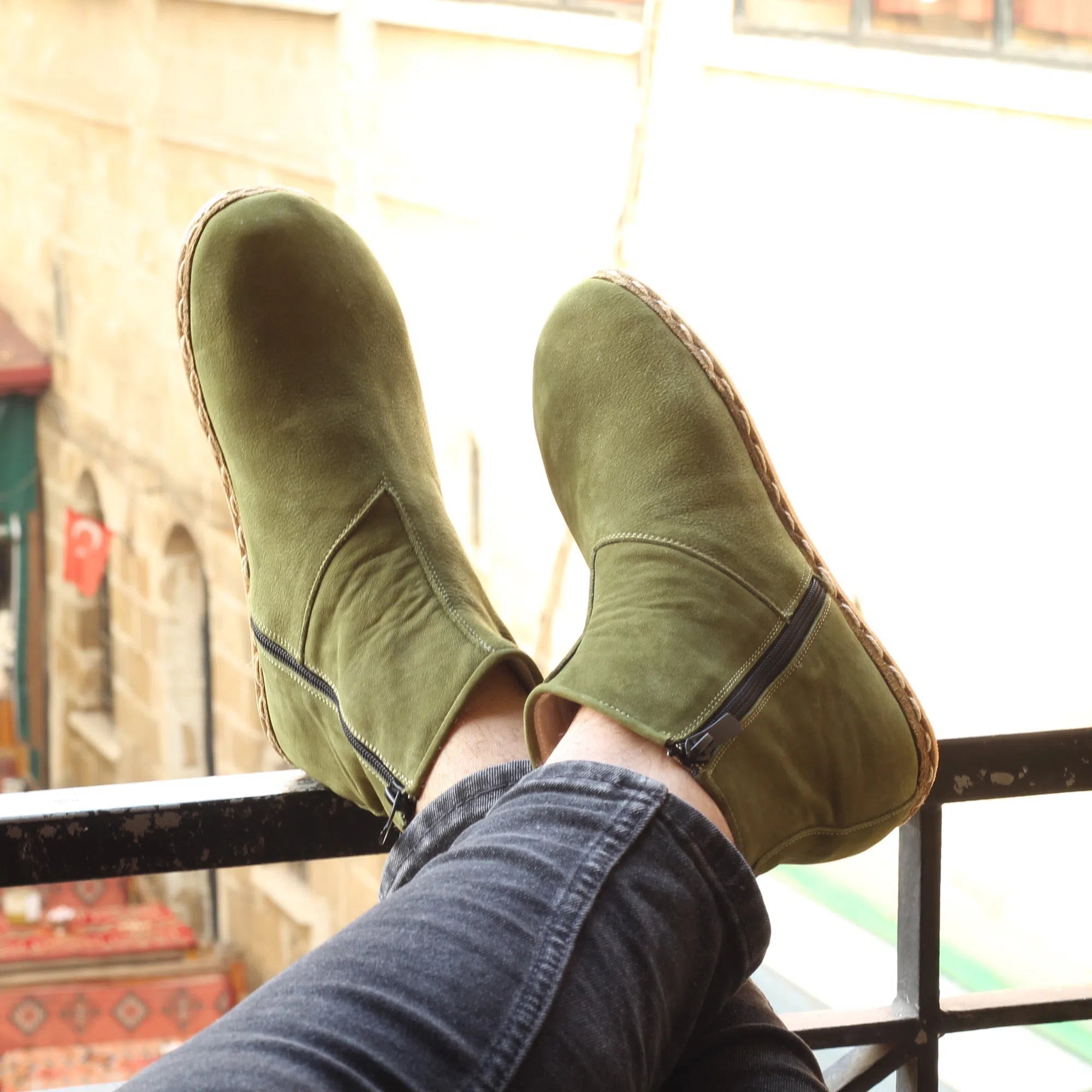
A barefoot boot should protect from weather without turning your foot into a stiff block. Choose one with a roomy forefoot and an upper that flexes at the ankle. Boots work well for fall walks, city sidewalks, and everyday outfits, but check the sole carefully: a boot can look natural while hiding a thick heel and a narrow toe shape.
4. Grounding Leather Shoes for Earth Connection
For walkers drawn to grounding practices, natural leather construction and a thin leather sole create a closer relationship with the ground. This style is best for dry outdoor surfaces, parks, gardens, and casual daily wear. Grounding shoes are not a substitute for medical care or a cure for pain, but many people value the sensory experience of less material between body and earth.
5. Open-Toe Sandals for Warm-Weather Walks
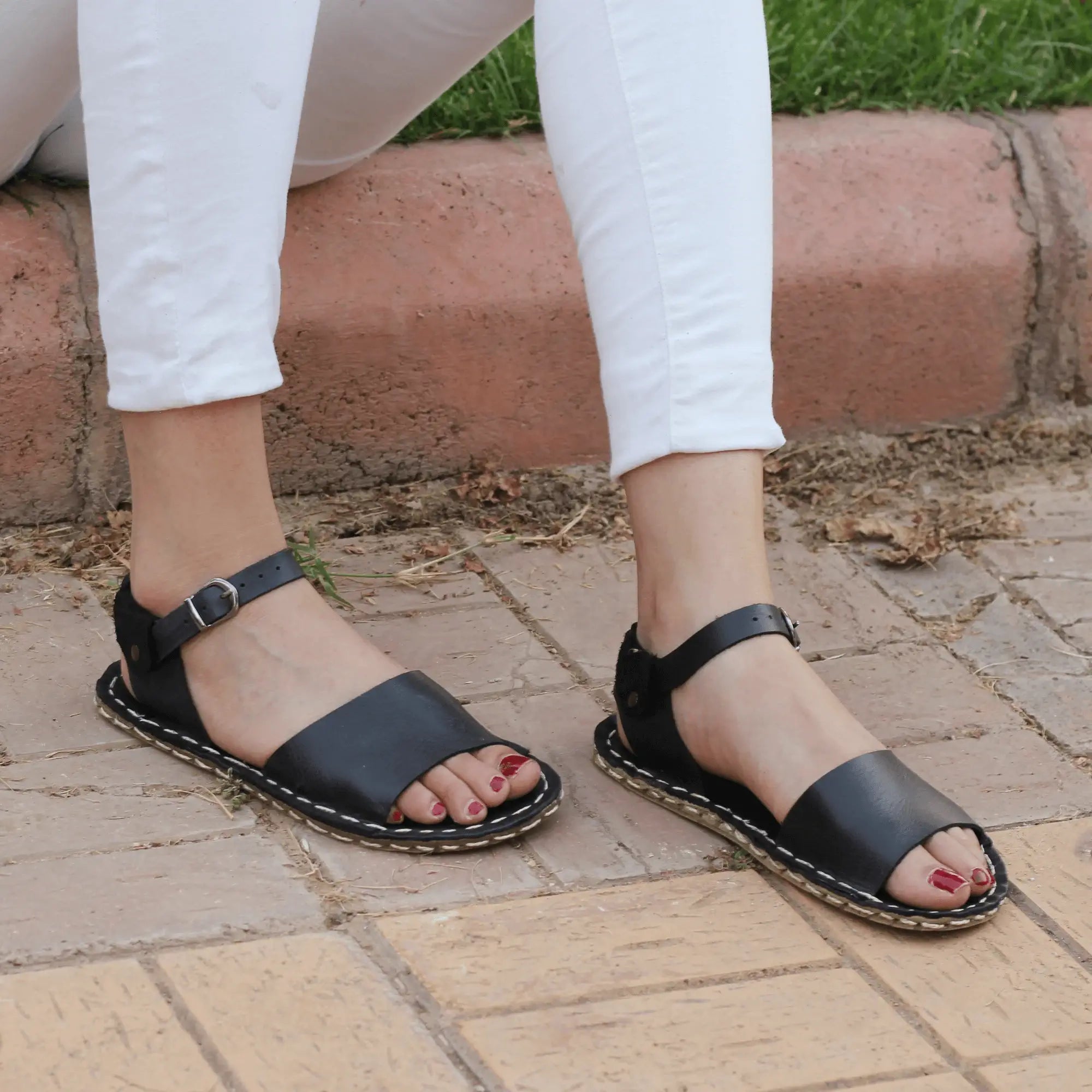
A barefoot sandal can be one of the freest ways to walk in summer, provided the straps hold the foot securely without squeezing it. Seek a flat sole and a fit that keeps your heel from sliding off the back. For long pavement walks, a sandal with a secure ankle strap usually performs better than a loose slip-on.
6. Closed-Toe Sandals for Active Summer Days
Closed-toe sandals offer more protection when trails are rocky, sidewalks are crowded, or your day includes more than a gentle stroll. They can be a smart middle ground between a full shoe and an open sandal. Make sure the toe cap is shaped around your natural toe line, not pointed inward like a conventional dress shoe.
7. Barefoot Slippers for Indoor Walking
Your walking habits at home count too. If you spend hours on hard floors, a flat, flexible slipper can keep your feet moving freely between rooms. Avoid overly padded house shoes that lift the heel or compress the toes. A breathable leather slipper is particularly useful for people who dislike sweaty, synthetic indoor footwear.
8. Slip-On Barefoot Shoes for Travel
Airport security, road trips, and quick transitions call for a shoe that is easy to put on without giving up proper fit. A slip-on can work beautifully when it has a secure heel, enough volume for your foot, and a flexible sole. The risk is choosing one that is too loose, causing your toes to grip with every step to keep it on.
9. Barefoot Loafers for Work and Smart Casual Wear
Many people leave minimalist footwear behind because they assume it cannot look polished. That is an outdated idea. A thoughtfully made barefoot loafer can bring natural movement into a workplace or dinner setting while still looking intentional. The key is a refined leather upper paired with a toe box that follows the human foot, not a fashion sketch.
10. Flexible Everyday Shoes for Barefoot Beginners
If your current shoes are highly cushioned, the best first barefoot walking shoe may be one you wear for short, easy walks rather than all-day mileage immediately. Choose a flexible, comfortable leather style that fits your lifestyle, then build time gradually. Nefes Shoes designs handmade options around this principle: natural materials, zero-drop balance, and room for the foot to be a foot.
How to Choose the Right Fit
Fit is not just about length. Your toes need room to spread as you load the foot, so leave a little space in front of the longest toe and make sure the widest part of the shoe matches the widest part of your foot. Your heel should feel secure, but it should not be locked down by a stiff counter that prevents normal movement.
Try shoes later in the day if possible, when feet are often slightly larger. Wear the socks you plan to use, or go barefoot if that is how you will walk in them. Then take a few unhurried steps. You should not feel pressure on your big toe, pinky toe, or the top of your foot. Do not assume leather will stretch enough to fix a shoe that is fundamentally too narrow.
Transition Slowly, Especially on Pavement
Barefoot shoes can change how your feet, calves, and ankles work. That is the point, but your body needs time to adapt. Start with 20 to 30 minutes of easy walking on forgiving ground or during routine errands. Increase gradually over several weeks based on how your feet and lower legs feel the next day.
Pay attention to hotspots, rubbing, unusual fatigue, or sharp pain. Mild muscle awareness can happen when underused tissues begin working more, but pain is a signal to reduce distance, reassess fit, or speak with a qualified health professional. More barefoot is not automatically better if you rush the process.
The Shoe Should Follow Your Foot
The best walking shoes do not need a towering sole, a pinched toe, or a raised heel to feel supportive. Real support begins with a stable, level platform and room for the foot to respond to the ground. Choose the style that fits your daily terrain, give your body a sensible transition, and let every walk become a little less confined.