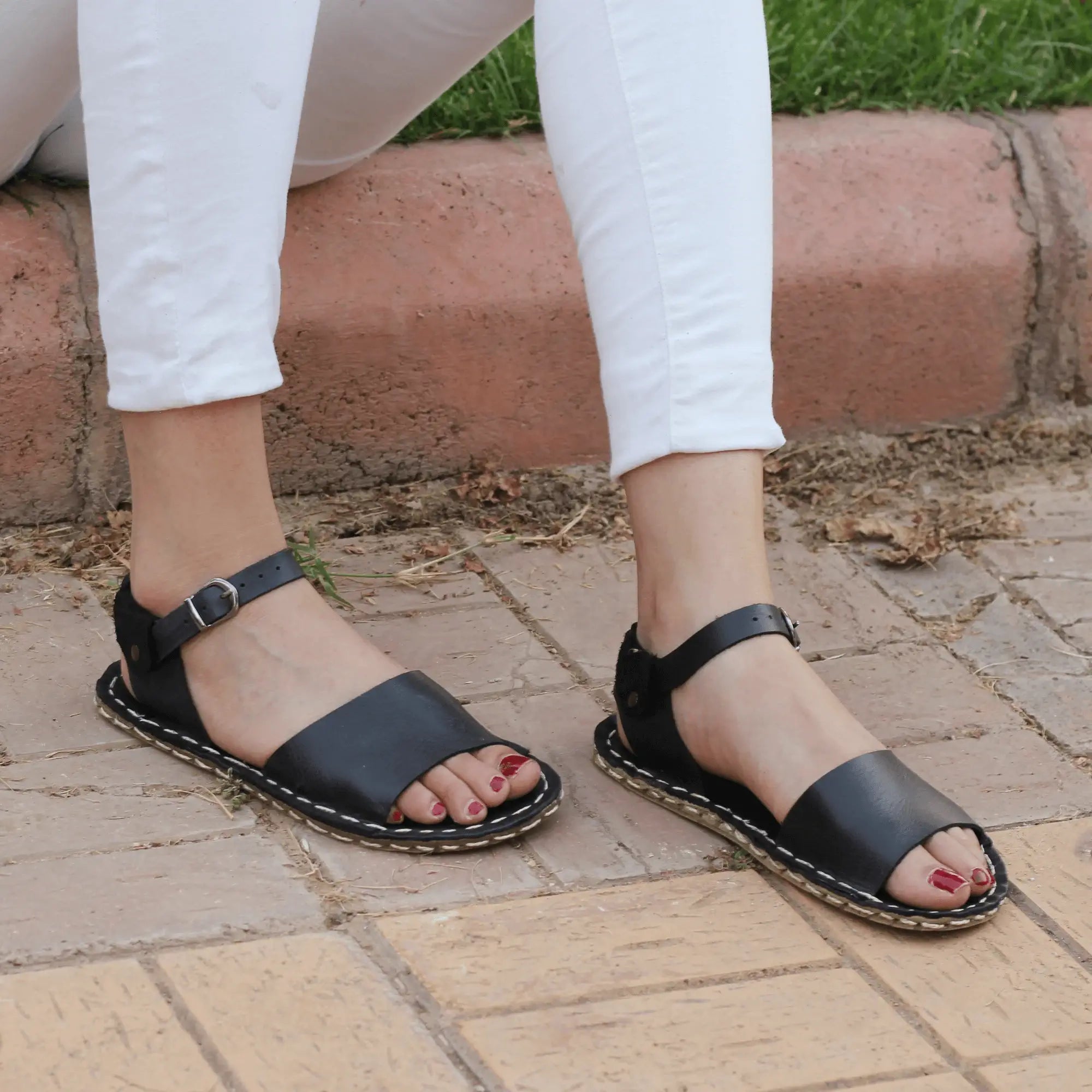
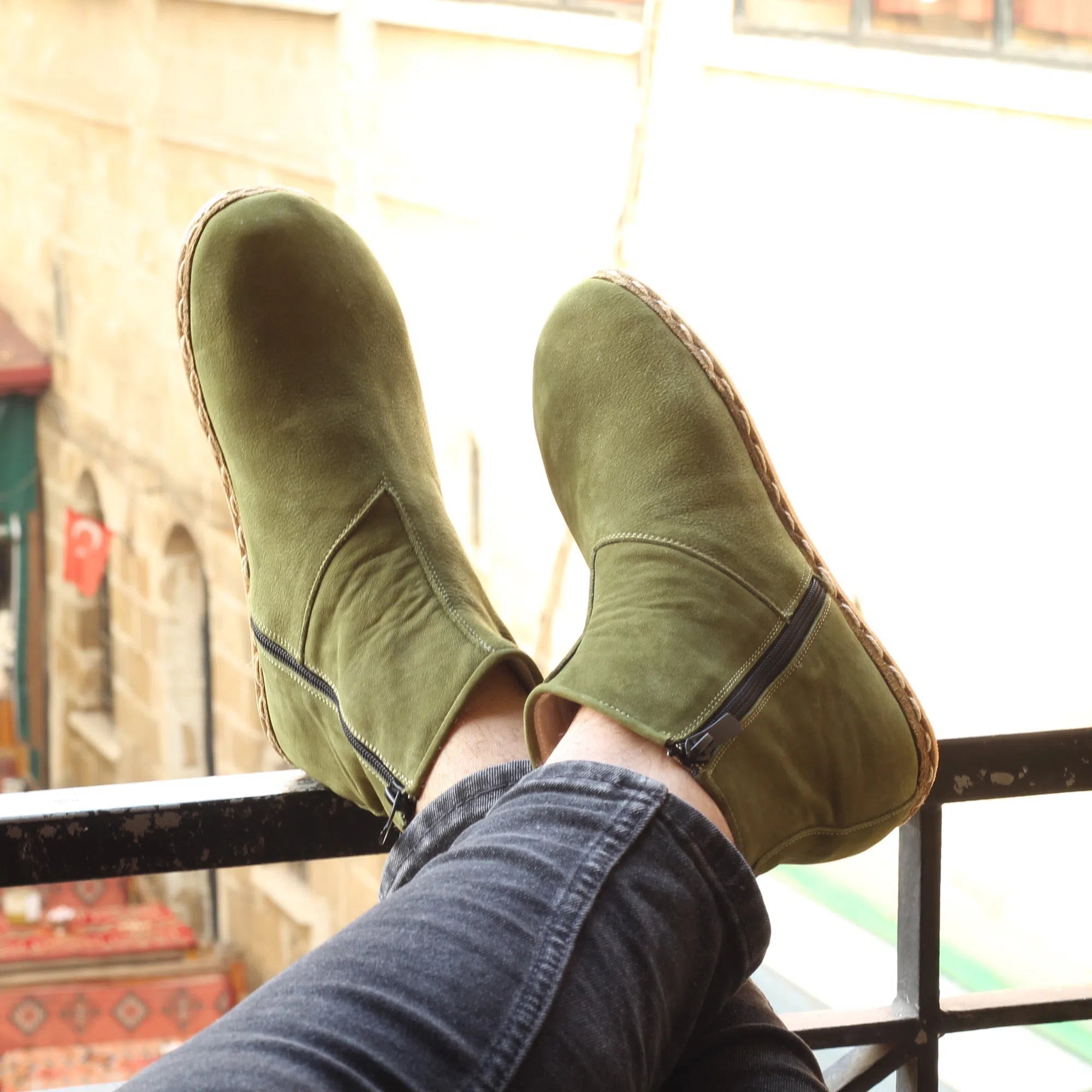
A bunion changes the way a shoe feels long before it changes the way a shoe looks. That familiar bump at the base of the big toe can turn a narrow dress shoe, stiff sneaker, or pointed boot into a source of constant pressure. Bunion friendly footwear should not simply hide the problem under extra padding. It should give your foot the room and freedom conventional shoes have taken away.
For many people, the answer is not a bigger size. It is a better shape. Shoes built around a narrow, tapered toe box push the big toe inward and crowd the smaller toes beside it. A foot-shaped design takes the opposite approach: it respects the natural width of the forefoot, lets toes spread, and avoids pressing directly against a sensitive joint.
What Makes Footwear Bunion Friendly?
The most useful feature is a wide, anatomical toe box. Your toes are not meant to form a point. They naturally fan outward, especially when you stand, walk, and carry your body weight. When a shoe gives them space, the big toe is less likely to rub against the upper or be forced toward the second toe.
Width alone is not enough, though. The material over the bunion matters just as much. Soft, flexible leather can conform gradually to the foot, while rigid synthetic uppers may create a hard pressure point that becomes more irritating as the day goes on. Look for a smooth interior, minimal seams across the forefoot, and enough upper volume that the shoe does not feel tight over the joint.
A low or zero-drop sole is another meaningful detail. Raised heels shift more weight toward the ball of the foot, where a bunion already makes loading uncomfortable. A zero-drop shoe keeps the heel and forefoot on the same level, encouraging a more natural standing position. That does not make every zero-drop shoe right for every person, especially if you are used to heavily cushioned heels, but it removes one common source of forefoot pressure.
Why Conventional Shoes Can Make a Bunion Feel Worse
Most mainstream shoes are designed around fashion silhouettes and standardized molds, not the actual shape of a human foot. They often narrow at the very place your foot needs room. Add a raised heel, stiff sole, and synthetic upper, and the result is a shoe that can trap the forefoot in a compressed position for hours.
This does not mean every stylish shoe is automatically harmful or that footwear alone causes every bunion. Bunions can have a hereditary component, and foot structure, joint mobility, and past injuries all play a role. But a shoe that repeatedly crowds the big toe can aggravate tenderness, rubbing, and fatigue. If your feet ache after a day in shoes but feel relieved when barefoot, your footwear is telling you something.
Bunion friendly footwear challenges the old idea that discomfort is the price of looking put together. A shoe can be refined, handmade, and distinctive without squeezing the front of the foot into an unnatural shape.
The Features Worth Prioritizing
A toe box shaped like your foot
Choose a shoe that is widest around the toes rather than one that tapers sharply toward the front. You should be able to wiggle your toes without the upper pressing on the bunion. There should also be a thumb's width of space ahead of the longest toe, which is not always the big toe.
Do not rely on the label alone. A shoe marked "wide" can still have a pointed toe box. Look at it from above. If the shoe narrows dramatically while your forefoot stays broad, the shape is working against you.
Flexible, natural uppers
Supple leather is often a strong choice because it is breathable, durable, and capable of softening with wear. Unlike stiff plastic-like materials, quality leather can adapt to the contours of your feet while maintaining structure where it matters. For a prominent bunion, avoid thick overlays, decorative straps, or firm seams that cross directly over the sore spot.
Natural materials also help with the issues that often travel with tight shoes: heat, sweat, and odor. A foot that is less confined tends to feel less trapped by the end of the day.
A stable, level foundation
A thin, flexible sole allows your foot to sense the ground and move through a more natural gait. For people drawn to barefoot footwear, this connection can feel like a return to how feet were designed to work: active, responsive, and free.
Still, transition gradually if you have spent years in thick, supportive shoes. Start with shorter walks and everyday wear, then increase time as your feet and calves adapt. Natural movement is a practice, not a race.
Secure fit without forefoot compression
Laces, adjustable straps, or thoughtfully placed closures help secure the heel and midfoot without forcing you to tighten the front of the shoe. This is especially useful when one foot has a larger or more sensitive bunion than the other. The goal is not a loose shoe. It is a shoe that holds the foot where it should be held while leaving the toes free.
How to Find the Right Fit
Try shoes on later in the day, when feet are naturally a little fuller. Wear the socks you expect to use, stand up, and take several steps on a hard surface if possible. A shoe can feel pleasant while seated and reveal pressure immediately once you put weight through the forefoot.
Pay attention to the first few minutes. You should not need a painful break-in period over the bunion. Leather may become more personal with wear, but it should begin with enough room. Buying a shoe that is too tight because you expect it to stretch often leads to rubbing before that stretching ever happens.
If one foot is wider, fit the larger foot. You can fine-tune the other side with a sock choice or a modest insole adjustment, but you cannot create extra width where a shoe has none. For people with significant pain, numbness, skin breakdown, or a rapidly changing foot shape, a podiatrist can help identify whether footwear is only one piece of the puzzle.
Bunion Friendly Footwear Can Still Have Character
There is a persistent belief that accommodating shoes must look clinical, bulky, or forgettable. That belief comes from decades of narrow fashion standards, not from any law of good design. A well-made moccasin, sandal, boot, or sneaker can have a generous toe box and still feel intentional.
Handmade footwear is particularly compelling here because craftsmanship shows in the details: the way leather bends, the way a sole moves, and the way the upper follows the foot instead of fighting it. Nefes Shoes builds with this principle in mind, pairing foot-shaped comfort with natural leather and barefoot-inspired construction. The result is footwear for people who want their shoes to carry them through real life, not merely survive a photograph.
Give Your Feet Room to Do Their Job
Your feet support every walk, errand, workout, and long day on the move. They deserve more than a narrow shell that treats toe compression as normal. The right shoe will not erase a bunion overnight, and no honest brand should promise that. What it can do is stop adding needless pressure, make daily movement more comfortable, and let your toes return to a more natural position inside the shoe.
Choose the shape that honors your feet. When the toe box opens up, the heel comes down, and the materials begin to breathe, every step has a little more freedom in it.