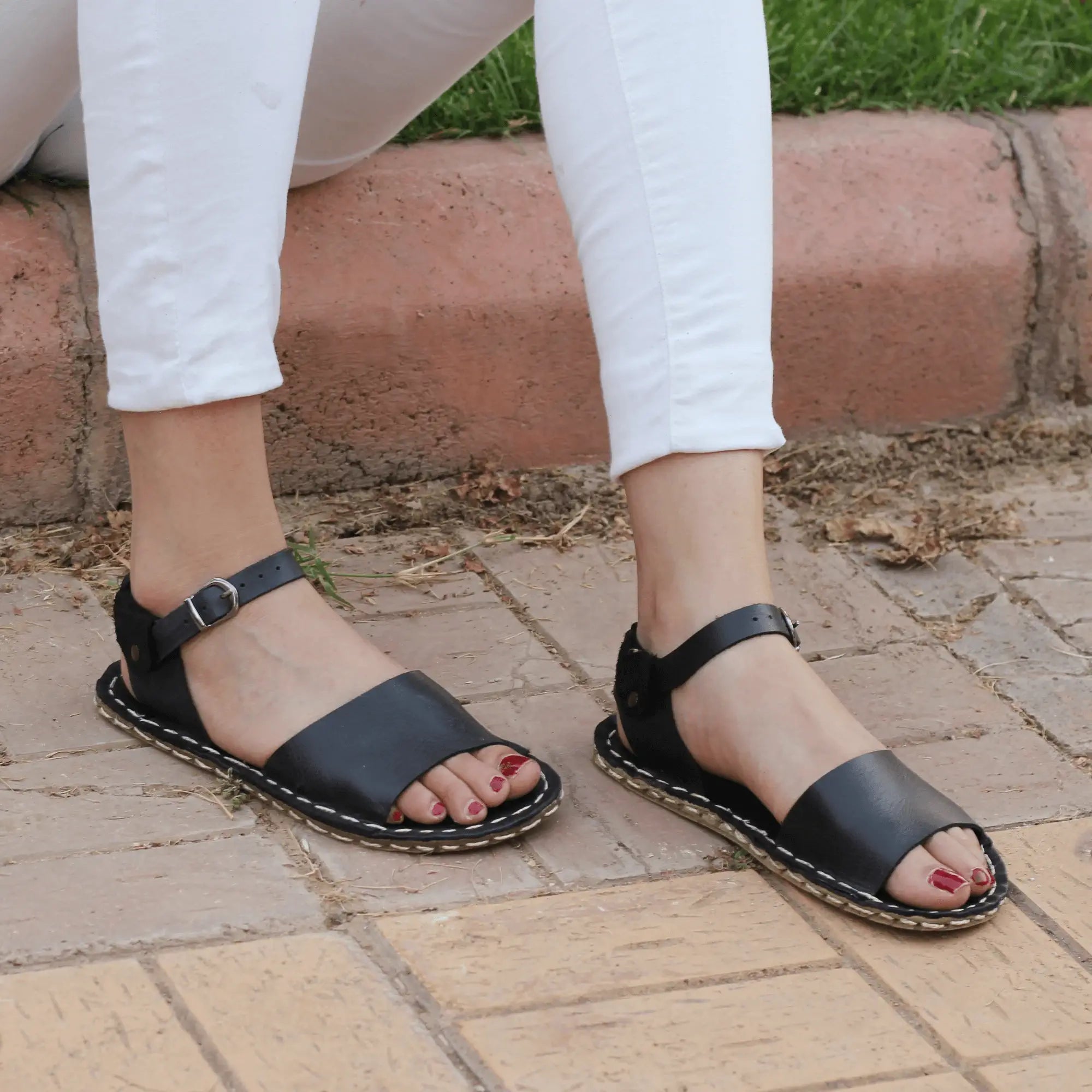
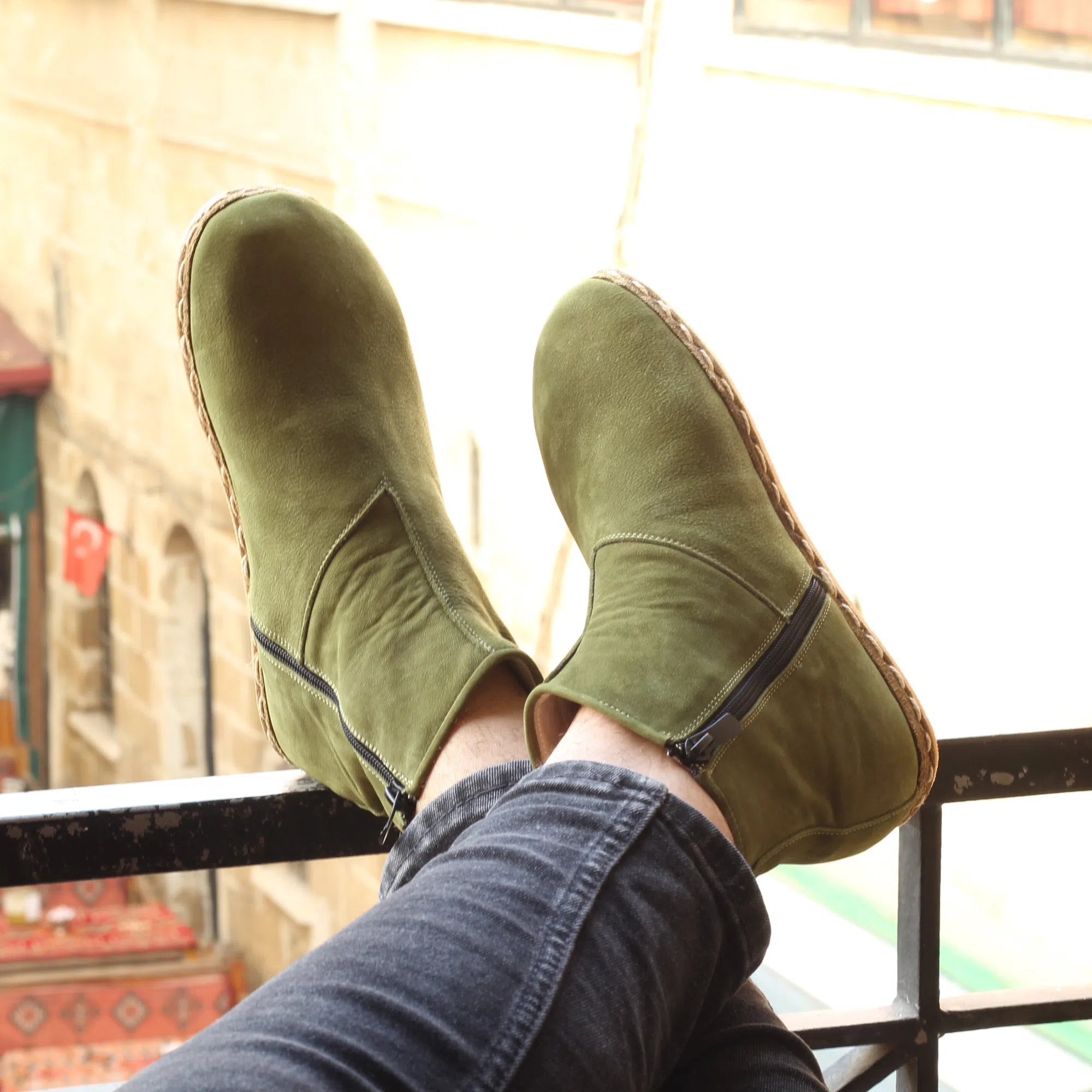
A real earthing sandal review should start where conventional shoe marketing usually stops: at the shape and freedom of your feet. A sandal can carry a grounding story, but if it squeezes your toes, tilts your heel forward, or wraps your foot in plastic-like materials, it misses the larger point. Shoes should not fight the body they are made to carry.
The best earthing sandals bring together two ideas that belong together: a closer relationship with the ground beneath you and room for the foot to move as nature intended. That means a flat platform, a generous toe area, flexible construction, and materials chosen with purpose rather than convenience.
Earthing Sandal Review: What Actually Matters
Not every sandal called "grounding" delivers the same experience. Some are essentially standard sandals with a conductive element added to the sole. Others are built around barefoot principles from the very beginning. The difference becomes clear after a few hours of walking.
First, look at the platform. A zero-drop sandal keeps the heel and forefoot at the same height. This does not force your body into the forward pitch created by raised heels, and it gives your ankles and feet the chance to work through a more natural position. A thin, flexible sole also lets you feel changes in terrain instead of standing on a stiff slab that blocks sensory feedback.
Then look at the toe box. Your toes are not meant to be pressed into a pointed shape. They need room to spread, stabilize, and participate in every step. A sandal with a foot-shaped front is often more comfortable than one that merely feels soft at first. Soft cushioning can hide pressure temporarily. Space changes the way the foot functions.
Finally, inspect what touches your skin and the ground. Natural leather has a character that synthetic straps cannot imitate. It breathes, adapts gradually to the foot, and develops a patina rather than simply wearing out. Handmade leather sandals also tend to feel less generic because the material responds to movement instead of remaining rigid and uniform.
Grounding Claims Need a Clear View
Earthing, also called grounding, is the practice of making direct physical contact with the Earth. People may experience this through bare feet on grass, soil, sand, or unsealed natural surfaces. Earthing sandals are designed for people who want a more connected footwear option when going barefoot is impractical.
It is worth separating design from promise. A sandal’s grounding performance depends on its materials, construction, moisture, and whether the sole is contacting a surface that can conduct. Dry rubber, thick synthetic layers, and many man-made walking surfaces can interrupt that connection. A leather sole may offer a more natural interface than heavily insulated foam, but it is not a magic switch that guarantees the same experience on every surface.
The wellness research around grounding is still developing, and no sandal should be presented as a treatment for illness, chronic pain, or a medical condition. What many wearers can assess for themselves is more immediate: whether the sandal feels breathable, stable, unrestricted, and pleasant to wear outdoors. Those qualities matter on their own. Health begins with the feet, but honest footwear should never make medical promises it cannot prove.
Why Leather Soles Change the Experience
Most mass-market sandals rely on foam, molded plastic, and layers of glue. They can feel plush in a store, yet they often trap heat, hold odor, and create a barrier between your foot and the world outside. They are made for quick production, not for a long relationship with your feet.
A natural leather sole has different strengths. It is breathable, flexible, and capable of molding gradually to your gait. Buffalo leather, in particular, is valued for its durability and distinct texture. With regular wear, it begins to reflect the contours of your foot. That is not a defect. It is the beginning of a sandal that feels personal rather than mass-produced.
There is a trade-off. Leather needs care, and it does not behave like waterproof synthetic foam. Repeated soaking, leaving it in harsh heat, or storing it damp can shorten its life. If you need a sandal for river crossings, heavy rain, or slick gym floors, a purpose-built water sandal may be the smarter choice. But for warm-weather walking, travel, daily errands, and time outdoors, leather offers a tactile comfort that synthetic footwear struggles to match.
Fit Is More Important Than a Familiar Size
A well-made earthing sandal should feel secure without gripping the foot. Your heel should stay reasonably centered on the sole, your toes should have room ahead of them, and the straps should hold the sandal in place without leaving deep marks. Because minimalist sandals are flatter and more flexible, they may feel different from conventional footwear even when the size is correct.
If you have spent years in narrow shoes or heavily cushioned sneakers, give your feet time to adapt. Your toes, calves, and smaller stabilizing muscles may be doing more work than they are used to doing. Start with shorter walks, especially on hard pavement, then build gradually as your body responds. The goal is not to prove toughness by suffering through an abrupt change. The goal is to reclaim natural movement without rushing the process.
For sandals with leather straps, a brief break-in period is normal. Quality leather softens with wear, but it should never cause sharp pain or numbness. Adjustability matters because feet can swell slightly in warm weather and after long days on the move.
What an Earthing Sandal Should Feel Like
The right pair does not feel like a platform strapped beneath your foot. It feels like freedom with enough protection for real life. You should notice more room for your toes, a more direct sense of the ground, and less of the stiff, elevated feeling that conventional sandals create.
That does not mean every step will feel soft. Barefoot-style construction favors feedback over isolation. On rough city pavement, you will feel more texture than you would in a thick foam slide. For many people, that is the point: the foot receives information and can adjust. Others may prefer a slightly thicker sole for long urban walks. Neither preference is wrong. The best choice depends on your daily terrain, walking habits, and adaptation level.
Style should not be treated as an afterthought, either. Many minimalist sandals look overly technical or deliberately plain. A handcrafted leather design can preserve the open, natural feel of a barefoot sandal while still looking considered with linen, denim, summer dresses, or relaxed tailoring. Nefes Shoes approaches this balance with handmade leather construction for people who refuse to choose between natural movement and personal style.
Who Will Get the Most From Them?
Earthing sandals are a strong fit for people who already enjoy barefoot time outdoors but need protection for sidewalks, patios, travel, and everyday errands. They also make sense for anyone tired of cramped toes, sweaty synthetic footbeds, or sandals that push body weight into an elevated heel.
They are not necessarily the best first choice for someone who needs substantial orthopedic support, has an acute foot injury, or has been advised by a qualified clinician to wear a specific type of footwear. In those cases, individual guidance should come first. Minimalist footwear is about allowing more of the foot’s natural function, not pretending that every foot has the same needs.
A good earthing sandal is a quiet rejection of the idea that comfort must come from more foam, more structure, and more distance from the ground. Choose the pair that gives your toes room, keeps your posture honest, and makes you want to spend another hour outside.