Your feet were not designed to spend every waking hour squeezed into pointed toe boxes, lifted by heels, and cushioned away from the ground. A barefoot transition timeline gives your body time to remember what natural movement feels like - with toes that can spread, ankles that can work, and soles that can sense the surface beneath them.
The temptation is to throw out every conventional shoe and start walking miles on thin soles tomorrow. Resist it. Barefoot footwear changes the load on your feet, calves, Achilles tendons, and lower legs. That change can feel liberating, but freedom works best when it is earned gradually.
Why Your Timeline Will Not Match Someone Else's
Some people feel at home in minimalist shoes within a few weeks. Others need several months before all-day wear feels comfortable. Neither experience means you are doing it wrong.
Your starting point matters. A person who already walks often, spends time barefoot at home, and has reasonably mobile ankles may adapt faster than someone who has worn supportive, heeled shoes for decades. Previous foot injuries, plantar heel pain, very tight calves, arthritis, neuropathy, diabetes, or circulation concerns can all change the picture. If you have persistent pain or a medical condition affecting your feet, get individualized guidance from a qualified clinician before making a major footwear change.
The goal is not to force your feet to tolerate less shoe. The goal is to let them do more of the work they were built to do. That requires patience, honest feedback, and footwear that does not fight your anatomy with a raised heel or cramped front end.
Barefoot Transition Timeline: What to Expect
Days 1 to 14: Start Small and Pay Attention
Begin with 30 to 60 minutes in barefoot shoes during low-demand parts of your day. Wear them around the house, while running a short errand, or on a relaxed walk over familiar, forgiving ground. If that feels easy after several days, add time gradually rather than doubling your mileage.
At this stage, you may notice your toes searching for room, your feet feeling more active, or your calves working harder than usual. Mild muscular fatigue is common. Sharp pain, increasing heel pain, tingling, numbness, or soreness that worsens each day is not a badge of progress. It is your signal to cut back.
Keep your usual shoes for high-demand situations if necessary. A long airport day, a trade show, a steep hike, or a shift that keeps you standing for ten hours is not the ideal moment to test your limits. Transitioning is not all-or-nothing.
Weeks 3 to 6: Build Everyday Capacity
If the first two weeks are comfortable, aim for two to four hours of barefoot footwear on most days. Use it for errands, desk days with walking breaks, casual social plans, and short neighborhood walks. Increase either wear time or walking distance in a given week, not both aggressively at once.
This is when many people begin to feel the point of a wide toe box. Your toes are no longer pressed together for the sake of a narrow silhouette. They can participate in balance and push-off. Zero-drop construction also means your heel and forefoot sit at the same level, which may encourage a different relationship with posture and stride.
Do not try to manufacture a dramatic new gait. Walk quietly, shorten your stride if you are overreaching, and let your feet land beneath you rather than far ahead of your body. A thin, flexible sole offers feedback. That is useful information, not an invitation to pound pavement harder.
Weeks 7 to 12: Make Natural Movement Your Default
For many healthy adults, this is the stage where barefoot shoes can become the everyday choice. You may be comfortable wearing them through most normal routines, including longer walks, workdays, and weekends out. Your calves may feel less reactive, and the footwear may begin to feel less like a wellness experiment and more like the obvious way a shoe should fit.
Still, surface and activity matter. Concrete creates more repetitive demand than grass or packed earth. Hills challenge the calves. Carrying groceries, chasing children, or walking quickly through a city increases the workload. Give yourself a recovery day after a significant jump in activity, even if your shoes themselves feel wonderful.
A handmade leather barefoot shoe can be especially satisfying here because it offers structure without the stiff, synthetic feeling of conventional footwear. Natural leather can soften and shape with wear, while a flexible sole keeps the experience connected to the ground rather than insulated from it.
Months 3 to 6: Expand With Intention
By now, many people can wear minimalist footwear full time for daily life. This does not automatically mean you are ready to run long distances, hike rugged trails, or stand on hard floors all day without a break. Those are separate training demands.
If you want to add running, begin with short run-walk intervals and treat it as a new program. If hiking is your goal, start with modest distances and manageable terrain. If your work keeps you on your feet, rotate activities, take movement breaks, and build capacity gradually. The shoe can restore room for natural movement, but it cannot replace progressive conditioning.
Signs You Are Moving at the Right Pace
The best transition is usually quiet. You finish the day aware that your feet worked, but not worried about tomorrow. Normal signs include mild calf fatigue after more walking, temporary tenderness in underused foot muscles, and a growing preference for space around your toes.
Slow down if pain changes the way you walk, lingers beyond a day or two, wakes you at night, or becomes more intense with each outing. Heel pain first thing in the morning, Achilles pain, stress-like pain along a bone, swelling, or numbness deserve particular caution. Take time off from the triggering activity and seek professional assessment when symptoms are significant or persistent.
There is a difference between adaptation and irritation. Adaptation settles with rest and sensible progression. Irritation keeps demanding more attention.
Make the Transition Easier on Your Body
You do not need an elaborate foot routine, but a few small habits can make a meaningful difference. Spend a few minutes barefoot at home on safe surfaces. Let your toes spread naturally. Add gentle calf raises, ankle circles, and controlled balance work if these movements are comfortable for you.
Choose your first barefoot shoes carefully. A wide toe box should give your toes room without allowing your foot to slide around. The heel should sit level with the forefoot. The sole should bend with your foot instead of acting like a plank underneath it. Fit matters more than a number on the label, especially in leather, which can relax and conform over time.
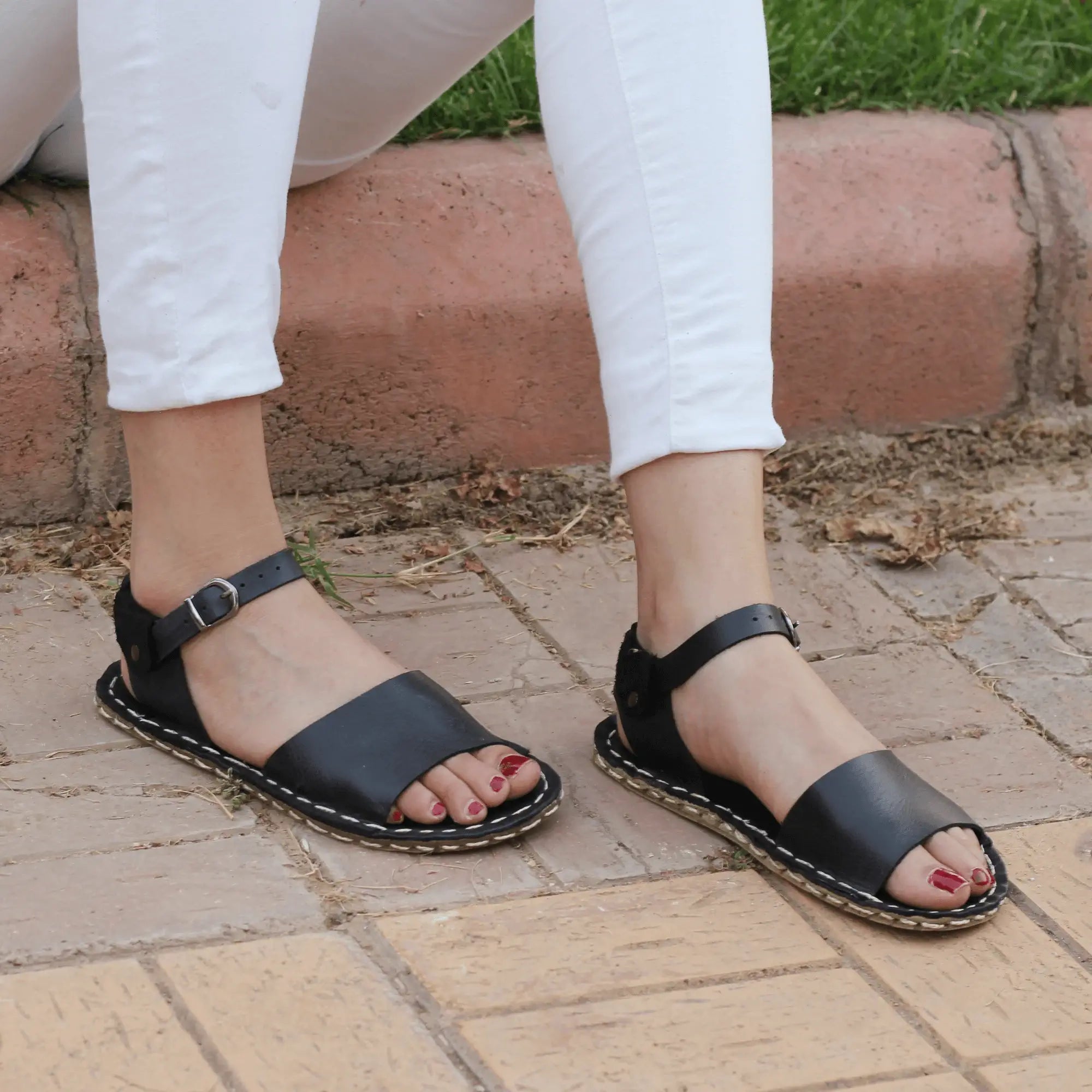
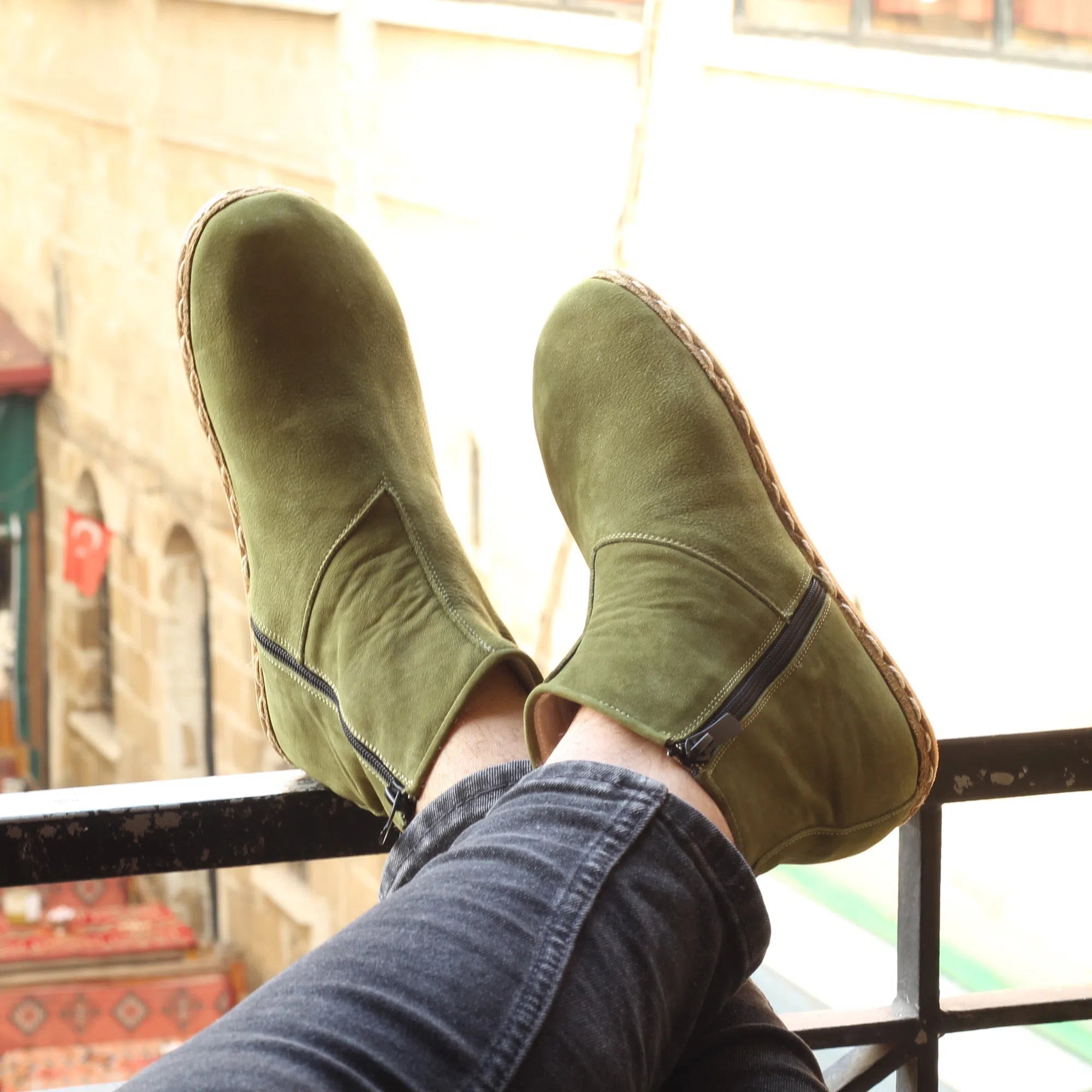
It also helps to match the shoe to the moment. A soft leather moccasin or slipper may be an easy entry point at home. A flexible sneaker can carry you through daily errands. A well-made boot or sandal can bring natural-foot principles into the rest of your wardrobe without asking you to choose between personal style and foot freedom.
For those drawn to grounding, time on natural ground can be a meaningful part of the ritual. Walk slowly on grass, soil, or sand when conditions are safe. Notice temperature, texture, and pressure underfoot. Grounding is not about chasing a perfect sensation. It is about stepping out of the disconnected, overbuilt routine that conventional shoes have normalized.
The Long Game Is More Than a Shoe Change
A barefoot transition is not a race to the thinnest sole or the longest walk. It is a return to better options: more room for your toes, more honest feedback from the ground, and more respect for the small structures that carry you every day.
Give your feet the time they were denied by years of narrow, elevated footwear. Start where you are, progress when your body agrees, and let each comfortable step remind you that health begins at the feet.