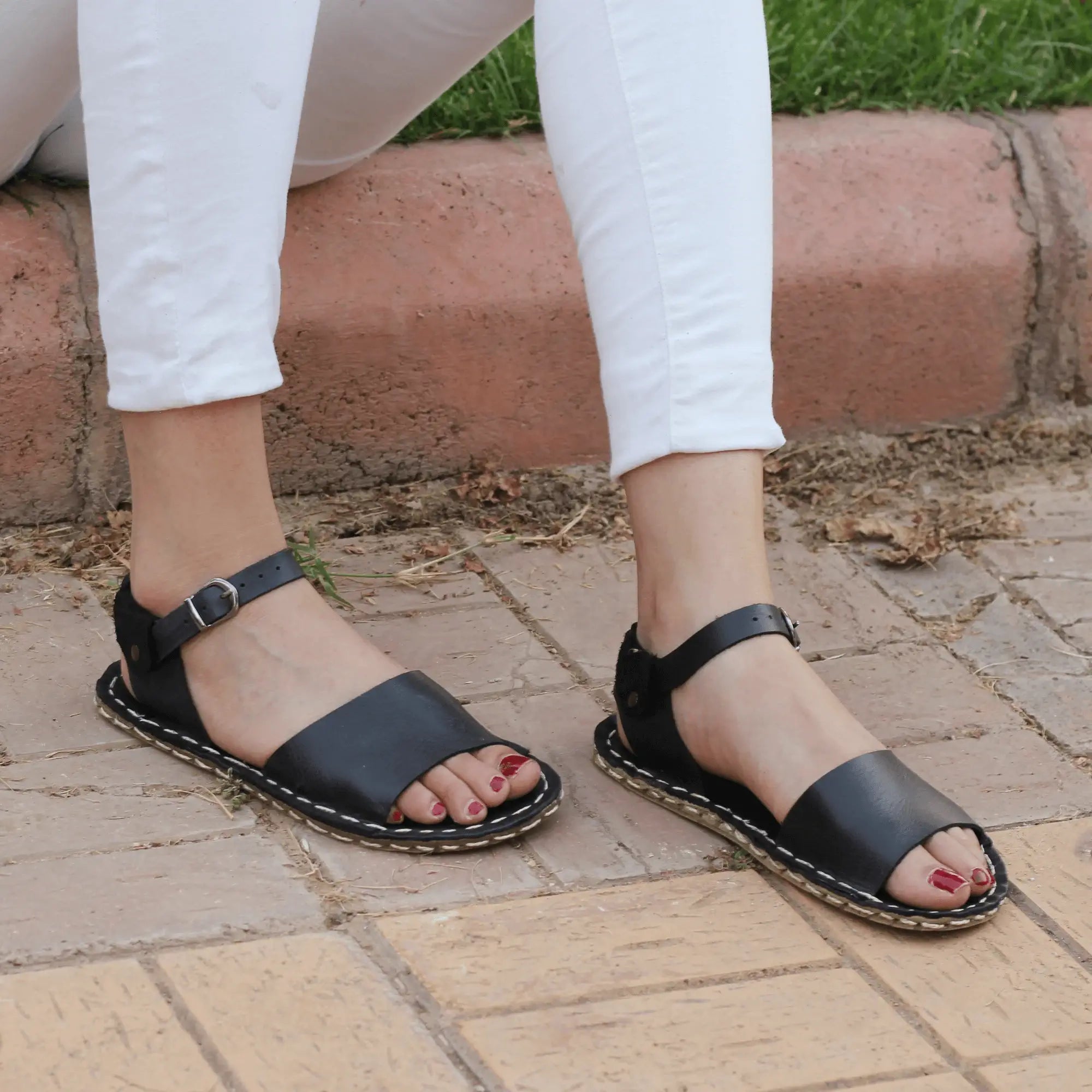
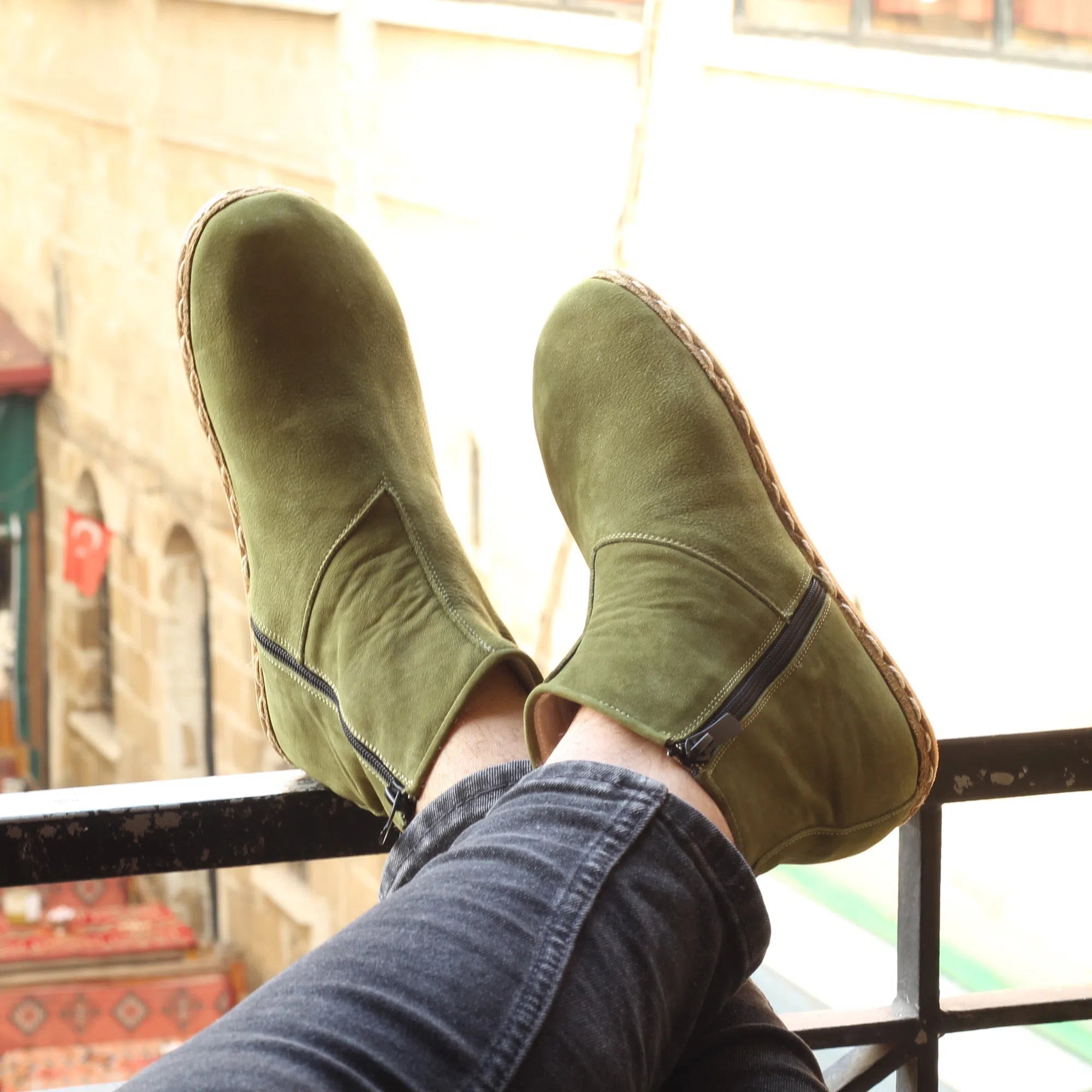
A shoe sole is where the conversation between your body and the ground begins. This buffalo leather sole guide is for people who are done with thick synthetic platforms, cramped toe boxes, and footwear that treats the foot like something to restrain. A natural buffalo leather sole feels different because it is different: flexible, breathable, responsive, and made to wear in with your movement rather than fight against it.
For barefoot shoe wearers, the sole is not a forgettable detail hidden beneath the upper. It shapes ground feel, natural gait, durability, traction, and the character of the shoe itself. Buffalo leather brings an old-world material into a modern choice: footwear built for freedom, not artificial elevation.
Why Buffalo Leather Makes a Distinctive Sole
Buffalo leather is known for its strength, dense fiber structure, and naturally pronounced grain. Compared with many standard cow leathers, it is often thicker and more substantial while still becoming beautifully flexible through wear. That balance matters underfoot. A sole must handle friction and repeated bending, but a barefoot shoe should not become a stiff board between you and the earth.
A quality buffalo leather sole starts firmer than foam or soft rubber. That is part of its appeal. It gradually forms to the way you stand, walk, and distribute pressure, creating a personal fit that cannot be mass-produced. With time, the sole carries the evidence of real use: softened flex points, a smoother surface, and a shape informed by your own stride.
This is footwear with a life cycle. Synthetic soles are designed to look nearly unchanged until they suddenly split, flatten, or detach. Natural leather develops character gradually. Scuffs, marks, and changes in color are not necessarily flaws. They are signs that the material is alive, working, and becoming yours.
Buffalo Leather Sole Guide for Everyday Wear
The first thing many people notice is connection. A thin, flexible leather sole allows more awareness of the surfaces beneath you than a conventional cushioned shoe. You may feel changes in pavement, wood flooring, packed dirt, or stone without the harshness of walking barefoot. That sensory feedback can encourage lighter, more deliberate steps.
For people transitioning away from heavily padded footwear, this change can be significant. Raised heels and thick soles can encourage a hard heel strike and limit the foot's natural ability to respond to terrain. A zero-drop barefoot shoe with a flexible buffalo leather sole invites the foot, toes, ankle, and lower leg to participate more naturally.
That does not mean everyone should immediately wear minimalist soles all day. If your feet have spent years inside structured shoes, allow time to adapt. Begin with shorter walks, errands, or time indoors. Let your calves, arches, and feet build capacity at their own pace. Natural movement is powerful, but forcing a fast transition is not the same as honoring your body.
Ground Feel Without a Foam Barrier
Leather soles offer a direct, grounded sensation because they do not rely on thick layers of foam, plastic, or molded rubber. They flex with the foot and can help you notice how you are moving. For many barefoot enthusiasts, that awareness is the point. Your feet are full of sensory information, and conventional shoes often mute it.
Natural leather soles are also valued in grounding footwear because they reduce the amount of insulating synthetic material between the foot and the earth. For those who practice earthing, this is part of a broader ritual of spending time outdoors and reconnecting with natural surfaces. Grounding shoes should be viewed as a personal wellness practice, not a substitute for medical care or treatment.
Breathability That Starts at the Bottom
Feet sweat. Trapped moisture is one reason shoes begin to feel stale, hot, and uncomfortable. Leather is not magic, but a well-made all-leather shoe can manage moisture differently than a shoe built from sealed synthetic layers. Buffalo leather soles can breathe and release moisture over time, especially when the entire shoe is given a chance to air out between wears.
That makes them especially appealing for slippers, moccasins, sandals, and everyday barefoot styles worn without heavy socks. The goal is not to seal the foot away from its environment. The goal is to create a more natural interior climate while preserving the protection you need.
What Buffalo Leather Soles Do Not Do
A leather sole is not the best answer for every condition. If your daily routine means slick tile floors, persistent rain, icy sidewalks, or frequent hiking over sharp, loose rock, a leather outsole may not provide the grip or protection you need. Rubber generally has an advantage in wet traction, and thicker lugged outsoles have a place on demanding terrain.
Leather is also not waterproof. It can handle occasional moisture, but repeated soaking, puddles, or prolonged exposure to rain can dry out the fibers and change the sole's shape. Choose your shoes with honesty about how and where you live. A buffalo leather sole shines in daily city wear, dry conditions, indoor use, travel, casual outings, and time on natural ground. It asks for more thought than a disposable sneaker, and gives more character in return.
There is also a break-in period. A new leather sole can feel smooth and firm, particularly on polished indoor floors. As you wear it, the underside gains texture and becomes more familiar to the surfaces you walk on. This is normal, not a defect.
How to Care for a Buffalo Leather Sole
Care is simple, but it should be consistent. Let your shoes dry naturally after wear, away from direct heaters, radiators, and prolonged hot sun. High heat can pull moisture from leather too quickly, making it stiff or brittle. If the sole gets damp, stuff the shoe lightly with unprinted paper and allow it to dry slowly at room temperature.
Brush away dry dirt after outdoor wear. For light marks, use a barely damp cloth and avoid saturating the leather. When the sole begins to look dry, a small amount of leather conditioner can help preserve suppleness. Apply sparingly and test any product in a discreet area first, since conditioners can deepen the color.
Avoid treating a buffalo leather sole like rubber. Do not scrub it aggressively with harsh detergents, soak it in water, or leave it on a heater overnight. The same natural fibers that make it breathable and form-fitting deserve a little respect.
Rotation helps, too. If you wear leather-soled shoes frequently, giving each pair a day to air out supports the material and keeps the interior fresher. This is not high-maintenance footwear. It is simply footwear made from a real material rather than a sealed, replaceable compound.
Choosing the Right Leather-Sole Barefoot Shoe
The sole is only one part of natural footwear. To get the full benefit of a buffalo leather sole, look for a shoe with a wide toe box, zero-drop construction, and enough flexibility for the foot to bend naturally. A narrow upper can still compress the toes, no matter how beautiful the sole may be.
Think about your use case before choosing a style. A soft leather-soled slipper may be perfect for home, studio spaces, and dry outdoor moments. A moccasin or casual shoe can serve daily walks and relaxed workdays. Boots or shoes with protective rubber additions may make more sense when weather, rough pavement, or long distances call for extra durability.
At Nefes Shoes, handmade construction matters because the details matter. Natural leather, a foot-shaped fit, and a flexible foundation create a shoe that supports movement rather than controlling it. The goal is not to make your feet dependent on more shoe. It is to give them room to remember what they can do.
A buffalo leather sole will not stay pristine, and that is exactly why it is worth wearing. Let it flex. Let it mark. Let it carry you through the ordinary miles that make up a life lived with your feet awake.