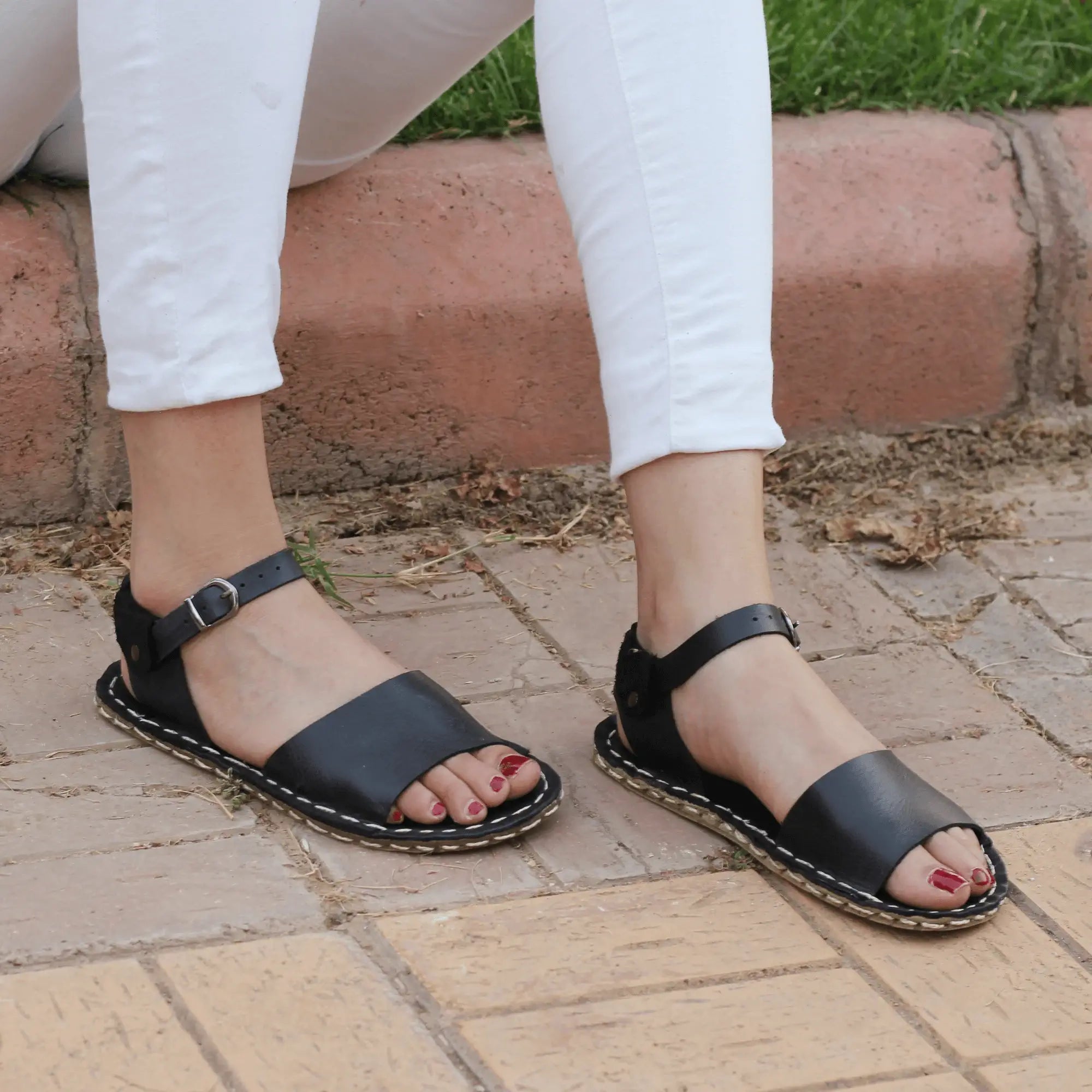
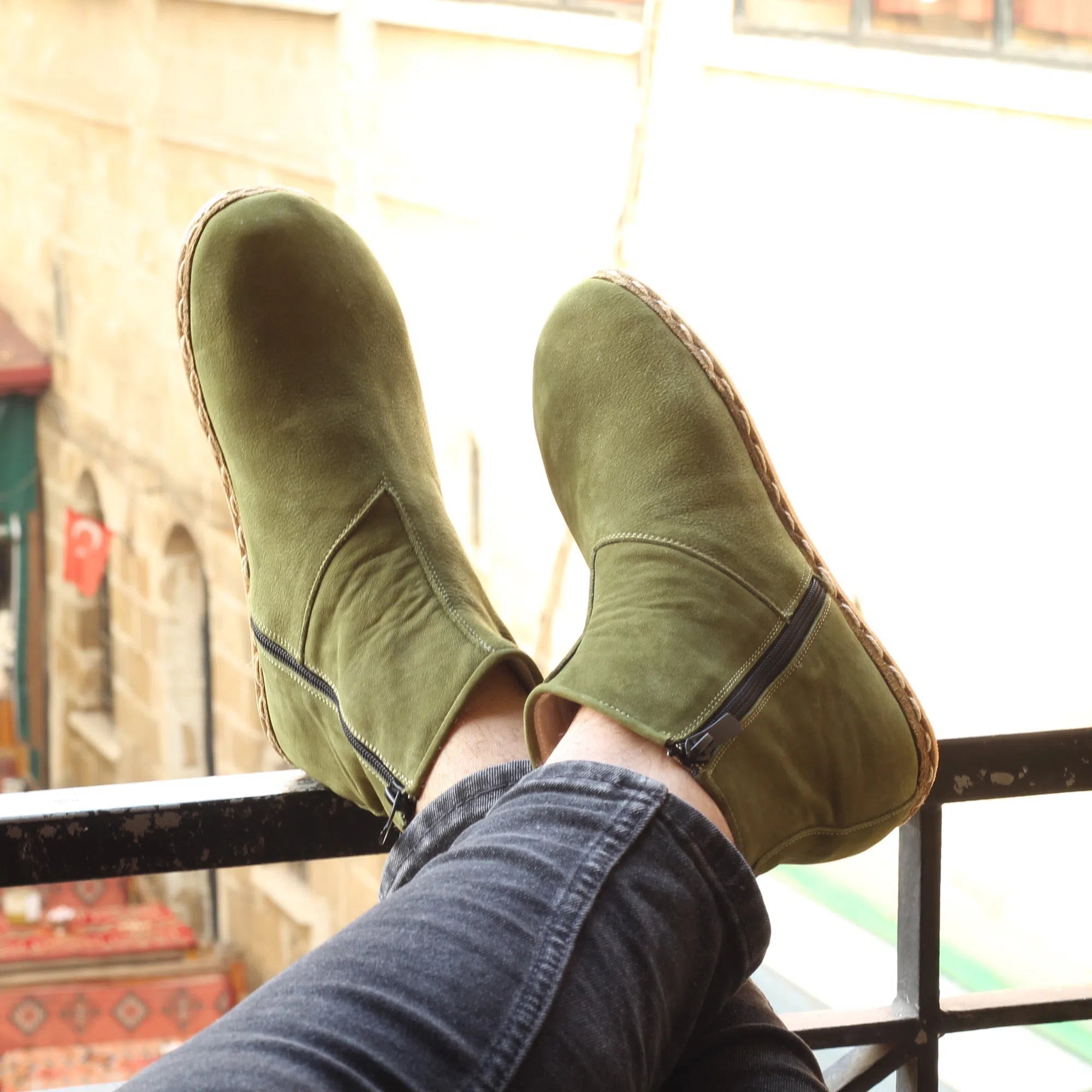
If your shoes leave red half-moons across your toes at the end of the day, the problem is not your feet. It is the shoe. Minimalist footwear gives your feet the room, flexibility, and ground awareness they were built to have - without asking you to live in athletic-looking footwear or plastic-heavy sneakers.
For too long, conventional shoes have treated the foot like something to control: squeeze the front, lift the heel, stiffen the sole, then call the result support. Your feet contain 26 bones, dozens of joints, and a complex network of muscles and sensory nerves. They do not need to be trapped in a narrow mold all day. They need space to move, flex, and respond.
What Makes Minimalist Footwear Different?
Minimalist footwear is designed around the natural shape and function of the human foot. Instead of forcing toes into a tapered point or pitching the body forward with a raised heel, it returns to a simpler idea: let the foot do its job.
That does not mean every minimalist shoe is identical. Materials, sole thickness, construction, and intended use all matter. But the strongest designs share a few essential principles: a wide toe box, a zero-drop platform, a flexible sole, and a secure fit that does not compress the foot.
A wide toe box lets toes spread
Your toes are not meant to overlap, curl inward, or press against one another. With room to splay naturally, they can contribute more effectively to balance and stability. Many people first notice this change at the end of a long workday, walk, or trip: less of that crowded, clenched feeling in the forefoot.
A wide toe box is especially valuable when feet naturally swell with heat and activity. Rather than fighting that normal change, a properly shaped shoe gives your foot breathing room.
Zero drop keeps the heel and forefoot level
Most conventional footwear places the heel higher than the ball of the foot. Even a modest lift changes how your body stands and moves. A zero-drop shoe keeps the heel and forefoot on the same plane, encouraging a more natural relationship between the feet, ankles, knees, hips, and spine.
That does not mean a zero-drop shoe instantly fixes posture or discomfort. Bodies have histories. If you have spent years in elevated heels or heavily cushioned shoes, your calves and feet may need time to adapt. But a level platform stops asking your body to live on a slope.
Flexible soles restore feedback
A stiff sole can make walking feel disconnected. Flexible minimalist soles allow the foot to bend and respond to the surface beneath it. This feedback helps you move with more awareness, whether you are walking through the city, standing in a studio, or crossing your own kitchen floor.
There is a difference between flexibility and flimsiness. Quality minimalist footwear should protect the foot from harsh surfaces while still allowing natural motion. The goal is not to prove toughness by suffering through gravel. The goal is to stop outsourcing every movement to a rigid shoe.
Why Natural Leather Changes the Experience
Minimalism is not only about measurements on a spec sheet. The material against your skin matters. Synthetic uppers may be cheap and easy to mass-produce, but they often trap heat, hold odor, and create the sealed-in feeling many people want to escape.
Natural leather has a different character. It breathes, softens with wear, and gradually takes on the shape of the wearer. A handmade leather shoe becomes more personal over time, not less. Small variations in texture and finish are part of that story - evidence that the shoe was made by hands, not stamped out as another identical unit.
Leather also makes minimalist design easier to wear beyond the gym. A well-made moccasin, boot, sandal, or slipper can support natural movement while still looking intentional. You should not have to choose between footwear that respects your body and footwear that belongs with the rest of your wardrobe.
For those drawn to grounding practices, a natural leather sole adds another layer of appeal. Many people value the feeling of less separation between their bodies and the earth beneath them. That experience is personal, and it should not be reduced to a miracle claim. What is clear is that natural materials and flexible construction can make each step feel less insulated, less synthetic, and more connected.
Transitioning to Minimalist Footwear Without Regret
The freedom of minimalist footwear can be immediate. The adaptation is often slower. That is normal.
If your current shoes are heavily cushioned, narrow, or raised at the heel, start by wearing minimalist shoes for short, easy walks and everyday errands. Pay attention to your calves, arches, ankles, and the bottoms of your feet. Mild muscle fatigue can happen as underused tissues begin to work more. Sharp pain, persistent pain, or worsening symptoms are signals to stop and speak with a qualified health professional.
Avoid turning your first week into a test of willpower. Do not take a brand-new pair on a ten-mile hike, wear them for an all-day city tour, or abruptly replace every shoe you own if your body is not ready. Natural movement is not a race.
A gradual transition might look like this: wear your new shoes for an hour or two, then increase time as your comfort allows. Choose smooth, predictable ground at first. Walk with shorter, quieter steps rather than reaching forward with the foot. Give your toes a chance to wake up.
People with certain foot conditions, recent injuries, diabetes-related foot concerns, or significant balance issues should get individualized guidance before making a major change in footwear. Minimalist design is powerful, but the right pace depends on the person wearing it.
Choosing Minimalist Footwear for Real Life
The best pair depends on where and how you move. A flexible leather sandal may be exactly right for warm weather and relaxed daily wear. A minimalist boot offers more coverage for cooler days without locking the ankle into a rigid shell. Slippers can be a meaningful place to start because they replace the restrictive footwear many people wear for hours at home.
For daily use, look beyond the label. A shoe can call itself barefoot or minimalist and still have a cramped toe shape, an overly stiff sole, or synthetic materials that leave feet hot and sweaty. Check whether your toes can lie flat. Check whether the heel is truly level with the forefoot. Bend the sole with your hands. Notice whether the upper feels like it will move with you rather than fight you.
Fit matters just as much as philosophy. Your heel should feel secure without being squeezed, and your toes should have length as well as width. Leather will soften and conform, but it should not be painfully tight on day one. A good fit feels free, not sloppy.
At Nefes Shoes, handmade leather construction is part of the point. The aim is not to make feet disappear inside another generic shoe. It is to create footwear with character - wide, flexible, grounded in natural materials, and made for people who are finished with narrow definitions of comfort.
Care for Leather, and Let It Age Well
Minimalist leather footwear is meant to be worn, not displayed. Still, a little care protects the material and keeps it comfortable. Let shoes air out between wears, especially after warm days. Brush away dry dirt, wipe the leather gently with a soft cloth when needed, and use a leather conditioner sparingly when the material begins to feel dry.
Avoid drying wet leather with direct heat. Stuff the shoe lightly with paper and let it dry at room temperature instead. Heat can make leather stiff and shorten the life of the sole. Like your feet, natural leather responds best to patience.
Your feet have carried you through every ordinary and extraordinary place you have been. Give them footwear that makes room for the next step - not footwear that asks them to become smaller first.