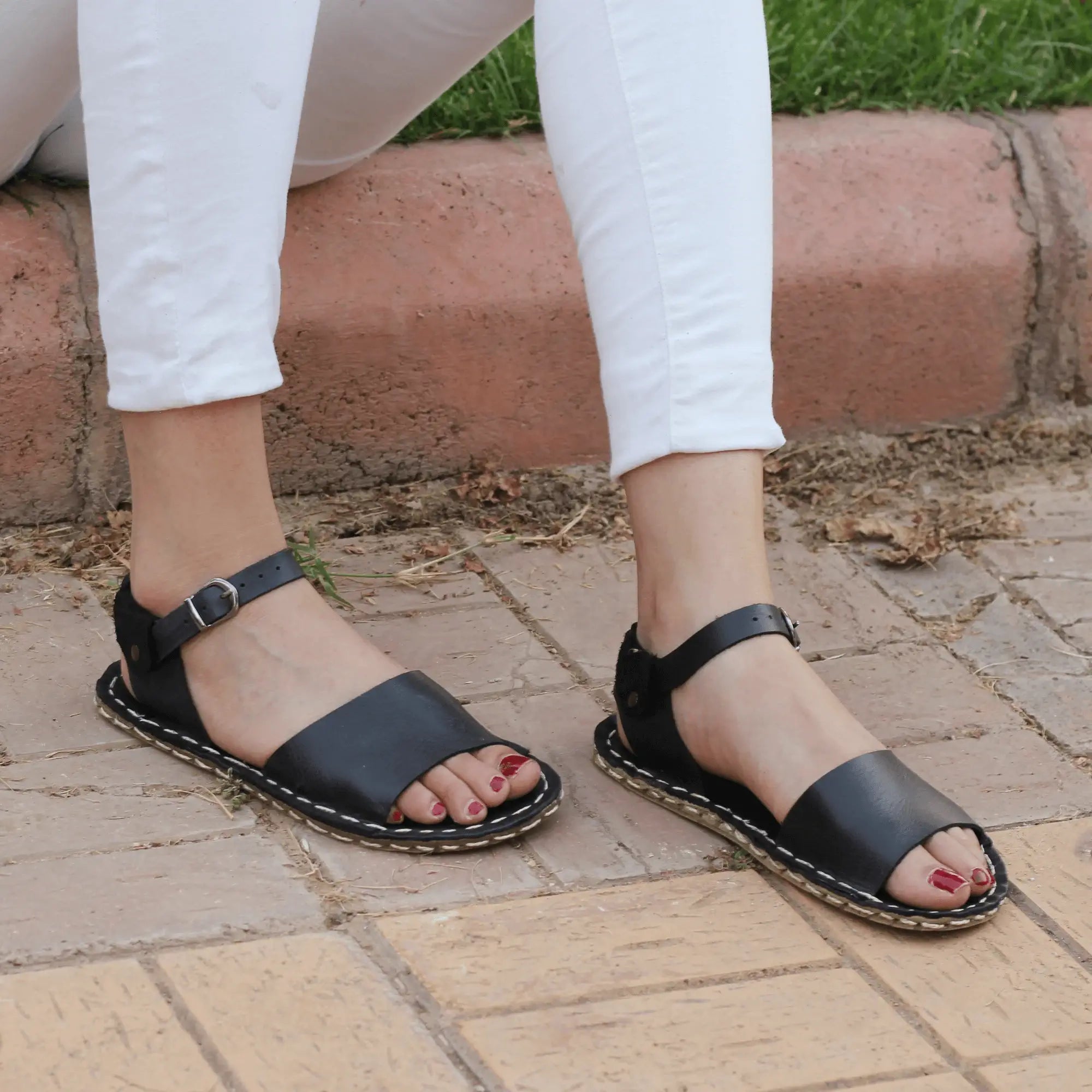
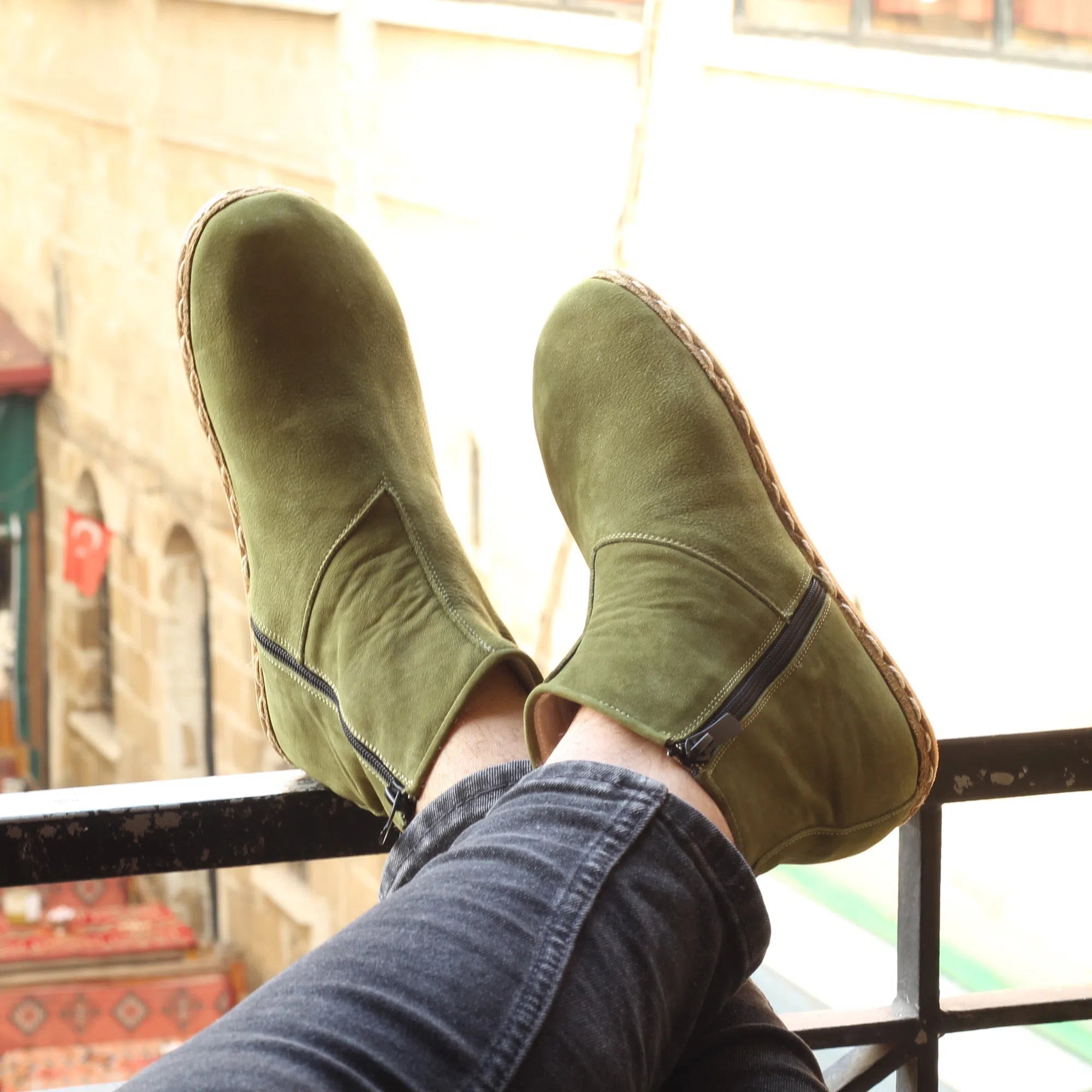
Your toes should not have to negotiate for space every time you take a step. Yet most conventional shoes squeeze the front of the foot while lifting the heel, asking your body to adapt to a shape that is not shaped like a human foot. So, are zero drop shoes comfortable? For many people, absolutely. But comfort does not come from a thick stack of foam or an instantly cushioned feeling. It comes from giving your feet room to spread, move, flex, and support you the way they were built to.
The honest answer is that zero drop comfort depends on the shoe, your feet, and how suddenly you make the switch. A well-made pair can feel wonderfully free. A rushed transition can leave your calves and feet working harder than they are used to. That is not a flaw in natural footwear. It is a sign that muscles long insulated by raised heels and restrictive toe boxes are being asked to participate again.
What Zero Drop Actually Feels Like
Zero drop means the heel and forefoot sit at the same height from the ground. There is no raised heel tilting your body forward. Instead, your foot rests in a more level position, closer to how it would stand barefoot.
For someone used to traditional sneakers, dress shoes, or boots, that level stance can feel unusual at first. Many people describe the first few wears as flatter, firmer, or more grounded. Others feel immediate relief because their toes are no longer compressed and their heel is no longer perched above the front of the foot.
Comfort is not one sensation. A shoe can feel plush while forcing your toes together. It can feel firm while allowing your whole foot to relax. Zero drop shoes tend to favor the second kind of comfort: freedom, stability, and honest feedback from the ground rather than artificial elevation and padding.
Are Zero Drop Shoes Comfortable From Day One?
They can be, especially when they have a foot-shaped fit, a generous toe box, and flexible materials. Soft leather that moves with the foot often feels more forgiving than stiff, synthetic uppers. A wide toe area also makes an immediate difference for people who have spent years in shoes that pinch, rub, or leave their toes crowded together.
Still, instant comfort and long-term comfort are not always the same thing. If you have worn raised heels for years, your calves, Achilles tendons, arches, and ankles may be accustomed to doing less range-of-motion work. Lowering the heel changes the demand on those tissues. Wearing a zero drop shoe for a full day of errands, a long hike, or an intense workout on the first outing may be too much too soon.
That adjustment period varies. Some people barely notice it. Others need a few weeks of gradual wear. If your feet have become sensitive, weak, or dependent on rigid support, a slow transition is simply the more respectful approach.
The toe box matters as much as the heel height
A shoe is not truly comfortable just because it is zero drop. If the toe box is narrow, the front of the foot is still being restricted. The toes need room to splay as you stand and push off the ground. This natural widening helps distribute pressure across the foot instead of concentrating it beneath a few crowded joints.
That is why a wide, foot-shaped design is central to the experience. When your big toe can point forward rather than inward, and your smaller toes are not folded against each other, walking often feels more stable and less constrained. For people dealing with rubbing, calluses, or the familiar end-of-day ache caused by cramped shoes, that extra space can be the comfort breakthrough.
Why Natural Materials Change the Experience
The material around your foot matters. Many mainstream shoes rely heavily on synthetics that trap heat, hold odor, and create a stiff barrier between the foot and the world. They may look polished on a shelf, but they do not always become more comfortable as the day goes on.
Handcrafted leather offers a different relationship. Quality leather can soften and conform to the contours of your foot over time, creating a more personal fit. It is breathable, durable, and alive in a way that plastic-heavy footwear is not. Every crease becomes part of the story of how you move.
At Nefes Shoes, natural leather construction and buffalo leather soles are chosen for more than appearance. They support a barefoot-inspired experience that feels grounded, flexible, and distinctly human. A natural sole does not pretend the ground is not there. It lets you feel connected to it while still protecting your feet from the roughness of daily life.
For those drawn to grounding practices, this connection can be part of the appeal. Whether you wear them on grass, soil, stone, or city sidewalks, shoes made with natural materials can make each step feel less detached from your environment. The goal is not to turn every walk into a wellness ritual. It is to stop treating the foot like something that needs to be sealed away and immobilized.
The Transition Is Where Most Comfort Questions Begin
If zero drop shoes feel uncomfortable, it is often because the body is adapting, not because the design is wrong for you. Think of it as reintroducing your feet to their own job. Your arches, toes, calves, and ankles may need time to build tolerance for a more natural position.
Start by wearing your new shoes for short walks, easy errands, or a few hours around the house. Pay attention to muscle fatigue rather than trying to prove something by powering through it. Mild calf tightness can be normal during a transition. Sharp pain, numbness, persistent joint pain, or worsening symptoms are signs to stop and consult a qualified healthcare professional.
You do not need to throw out every conventional shoe overnight. Alternate pairs while your body adapts, particularly if you spend long days standing or your work requires a specific style of footwear. The strongest transition is not dramatic. It is consistent.
A few details make a major difference
Fit comes first. Your heel should feel secure without being squeezed, and there should be enough length in front of your longest toe for movement during walking. Because feet often swell through the day, try footwear when your feet are at their most naturally expanded.
Use the shoes for the activity they are suited for. A flexible, minimalist leather moccasin may be perfect for daily wear, travel, and casual walking, while someone training for a high-mileage run may need to build capacity much more deliberately. Surface matters too. Smooth indoor floors and packed trails are very different from uneven pavement or rocky terrain.
Finally, let comfort be personal. Some people love the direct ground feel of a thin sole. Others prefer a little more protection while keeping the zero drop platform and room for toe splay. Natural movement is not a contest to see who can wear the least shoe.
Who Usually Finds Zero Drop Shoes Most Comfortable?
Zero drop footwear often appeals to people who are tired of feeling confined. If you have wide feet, bunion irritation, sweaty feet, toes that rub together, or a strong dislike of raised heels, the difference can be immediate. It also suits people who value a stable stance for walking, standing, and everyday movement.
People who spend most of their lives in highly cushioned, narrow footwear may need more patience. The same applies if you have an existing foot condition, a recent injury, diabetes-related foot concerns, or significant balance issues. Zero drop shoes may still be an option, but individual guidance from a podiatrist, physical therapist, or other qualified clinician is wise.
There is also a style question. Natural footwear should not force you into a gym-shoe uniform. A handmade leather boot, sandal, slipper, or moccasin can carry the same principles of zero drop alignment and toe freedom while looking intentional, distinctive, and refined. Comfort meets fashion when the shoe respects both your body and your sense of self.
Comfort That Lets Your Feet Be Feet
The best zero drop shoes do not try to control every motion. They make room for your foot to receive information, shift weight, spread its toes, and move with the terrain. That can feel unfamiliar after years of thick foam, tapered fronts, and elevated heels. It can also feel like relief.
Give your feet time, choose a shape that honors them, and take the first walks slowly. Real comfort is not always the feeling of being propped up. Sometimes it is the quiet confidence of standing on your own two feet, with nothing in the way.