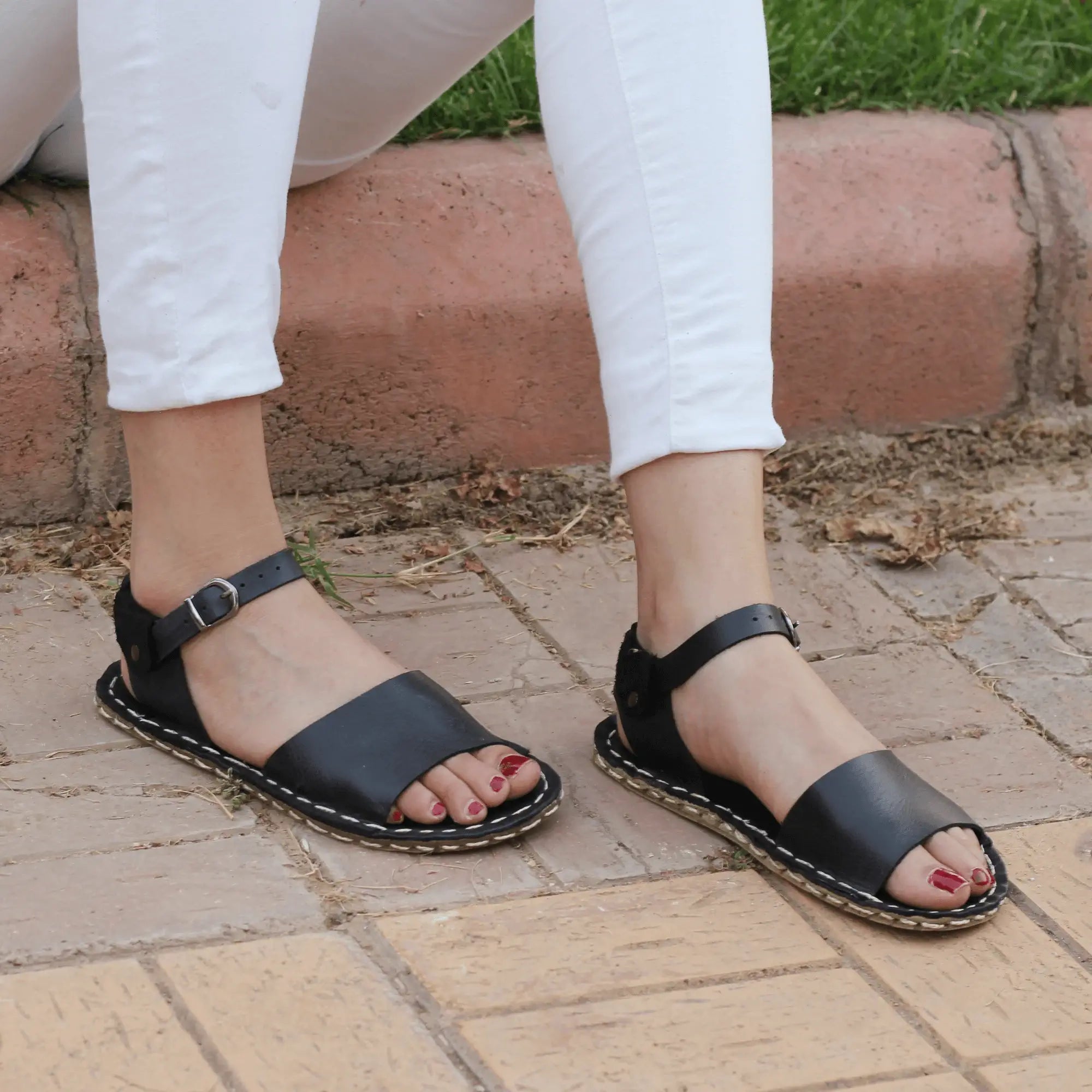
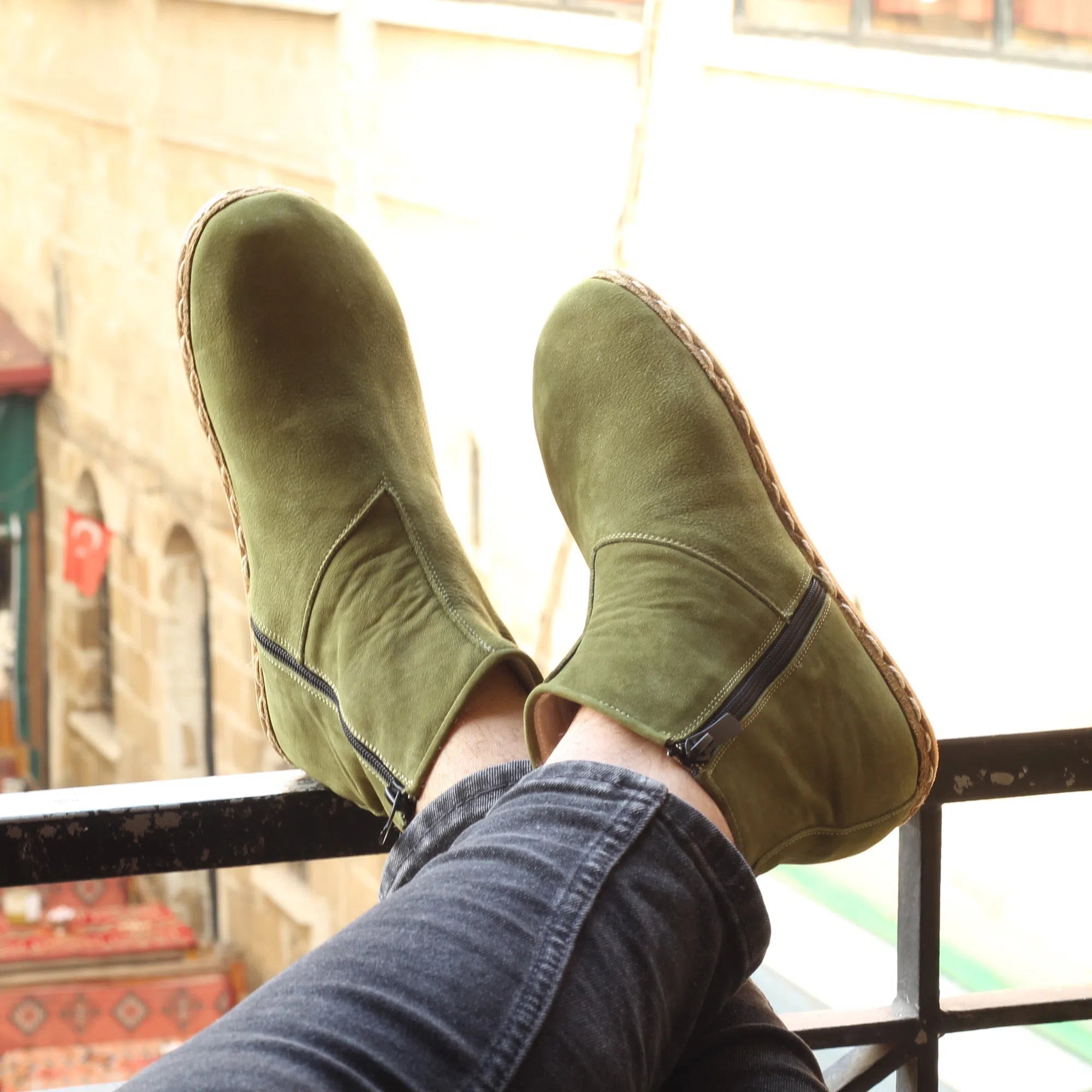
Leather moccasins are meant to become more personal with every mile. The leather softens, the footbed takes your shape, and the shoe develops character that factory-made footwear cannot imitate. But knowing how to clean leather moccasins matters: the wrong cleaner, too much water, or a blast of heat can strip that natural softness and leave leather stiff, dull, or cracked.
The good news is that leather does not need aggressive cleaning. It responds best to a light hand, simple materials, and regular care. That approach protects the breathable comfort and flexible feel that make handmade moccasins so freeing in the first place.
Start by Identifying the Leather
Before you reach for soap, look closely at the surface. Smooth leather has a sealed or lightly finished face and can usually handle a slightly damp cloth. Nubuck and suede have a soft, brushed texture that needs a drier method and a dedicated brush. Oiled or waxed leather often looks more matte and may show marks easily, but those marks can blend back in with conditioning.
Most leather moccasins benefit from gentle spot cleaning rather than a full wash. If your pair has a natural leather sole, as many grounding and barefoot moccasins do, keep soaking to an absolute minimum. Leather soles are durable, but they are not designed to be saturated like rubber or plastic.
If you are uncertain about a product or treatment, test it on a small, hidden area first. Leather varies by hide, finish, color, and age. A method that works beautifully on one pair may darken another.
What You Need to Clean Leather Moccasins
You do not need a cabinet full of specialty products. For ordinary cleaning, use a soft dry cloth, a second clean cloth lightly dampened with water, a soft-bristled brush, mild leather cleaner or saddle soap, and a leather conditioner suited to your leather type.
For odor, keep baking soda or cedar shoe inserts on hand. For stubborn oily marks, cornstarch can help draw oil out before you clean. Avoid household detergents, bleach, alcohol wipes, acetone, and harsh all-purpose sprays. They may make a stain disappear quickly, but they can also remove the leather's natural oils and compromise its finish.
Step 1: Remove Dry Dirt First
Let mud and dirt dry completely before cleaning. Trying to wipe wet mud spreads grit across the leather, which can scratch the surface and push soil deeper into seams.
Once dry, loosen debris with a soft brush or dry cloth. Work around stitching, the vamp, and the folds where the upper meets the sole. Turn the moccasin upside down and tap it gently to release sand, pebbles, and loose dirt from inside.
This small step does more than improve appearance. Fine grit acts like sandpaper. Leaving it on the leather while you wipe can slowly wear away the finish.
Step 2: Wipe With a Barely Damp Cloth
Dampen a clean cloth with lukewarm water, then wring it out thoroughly. The cloth should feel almost dry, not wet enough to drip. Wipe the leather in gentle, even passes without scrubbing hard.
Focus on areas that collect body oil and outdoor dust, such as the toe box, sides, heel, and opening. For a wide toe box moccasin, clean carefully around the natural creases rather than trying to flatten them out. Creasing is proof that the leather is moving with your foot, not a flaw to erase.
Do not submerge leather moccasins in a sink, bathtub, or washing machine. Waterlogged leather can shrink, lose its shape, and dry rigid. It can also weaken adhesives and affect leather soles.
Step 3: Use Leather Cleaner Only Where Needed
For visible grime, add a small amount of mild leather cleaner to your cloth. If you use saddle soap, apply a very light lather rather than coating the entire shoe. Work in small circles on the affected area, then wipe away residue with a separate barely damp cloth.
Less is usually better. Overcleaning can pull oils from leather just as surely as using a harsh product. Clean the whole upper only when it is genuinely dirty; otherwise, spot clean and preserve the natural patina.
For salt lines from winter sidewalks, mix equal parts white vinegar and water. Dampen a cloth with the mixture and gently wipe the salt marks. Follow with a cloth lightly dampened with plain water, then condition after the leather dries. Salt is especially drying, so do not skip that final conditioning step.
Treating Oil and Grease Spots
Oil needs a different approach because water can spread it. Sprinkle cornstarch or baking soda over the dry spot and leave it overnight. The powder helps absorb surface oil. Brush it away the next day, repeating once if necessary.
Do not rub the powder aggressively into the leather. And resist the urge to use dish soap as a shortcut. Dish soap is formulated to cut grease, which is exactly why it can be too stripping for natural leather.
Cleaning Suede or Nubuck Moccasins
Keep water away from suede and nubuck whenever possible. Brush the dry shoe gently with a suede brush to lift dust and restore the nap. For a small dry mark, use a suede eraser with light pressure, then brush again.
If suede gets wet, blot it immediately with a clean cloth and let it air-dry naturally. Once dry, brush the fibers back into an even texture. Never use standard leather conditioner on suede or nubuck unless the product specifically states that it is safe for those materials.
Step 4: Clean the Inside Without Soaking It
Moccasins are often worn close to the foot, sometimes without socks, so interior care matters. First, air them out after wear. Place them in a dry, shaded space with the openings wide enough for air to circulate.
For light odor, sprinkle a small amount of baking soda inside and leave it overnight. Shake it out thoroughly the next morning. Cedar inserts are another effective option because they absorb moisture and help keep the shoe fresh between wears.
If the lining needs more attention, wipe it gently with a cloth that is only slightly dampened with mild soap and water. Do not saturate the interior. Stuff the moccasins loosely with plain, unprinted paper to support their shape as they dry. Avoid newspaper, which can transfer ink when damp.
Persistent odor is often a moisture problem, not a cleaning problem. Give your moccasins a full day to rest between heavy wears when possible. Breathable leather helps, but even natural materials need time to release moisture.
Step 5: Air-Dry Slowly and Naturally
After cleaning, let moccasins dry at room temperature away from direct sun, radiators, fireplaces, and hair dryers. Fast heat dries the surface before the interior has time to stabilize, increasing the chance of stiffness, shrinkage, or cracking.
Shape the toe area with paper while the shoes dry, especially if they became more damp than expected. Do not overstuff them. The goal is to support the moccasin's natural form, not stretch it into a different one.
Depending on humidity and how much cleaning was needed, drying may take several hours or overnight. Patience protects leather better than heat ever will.
Step 6: Condition to Restore Flexibility
Once the leather is completely dry, apply a small amount of conditioner with a soft cloth. Massage it in using thin, even layers, then allow it to absorb. Buff away excess so the leather feels nourished, not greasy.
Conditioning replaces some of the oils lost through wear, weather, and cleaning. It helps leather stay supple as it bends through your natural stride, especially across the toe flex point. For frequently worn moccasins, condition every few months or whenever the leather begins to look dry, pale, or less flexible.
There is a trade-off: conditioners can deepen or darken leather, especially on lighter colors. Use a small test spot first, and choose a product that matches the leather's finish. Oiled leather may benefit from a replenishing oil or balm, while smooth leather often does well with a neutral cream conditioner.
A Simple Care Rhythm for Everyday Moccasins
A quick dry brush after dusty wear and a light wipe when needed will prevent most buildup. Save deeper cleaning for visible soil, salt, stains, or seasonal storage. Conditioning should be occasional and intentional, not something done every week.
For handmade leather footwear, care is not about keeping every surface factory-perfect. It is about keeping the material healthy enough to move, breathe, and age honestly. A few soft creases and a rich patina are part of the story.
Treat your moccasins as the natural materials they are: clean them gently, dry them slowly, and give the leather room to live. Your feet will keep the freedom they were made for, and the shoes will keep getting better with wear.