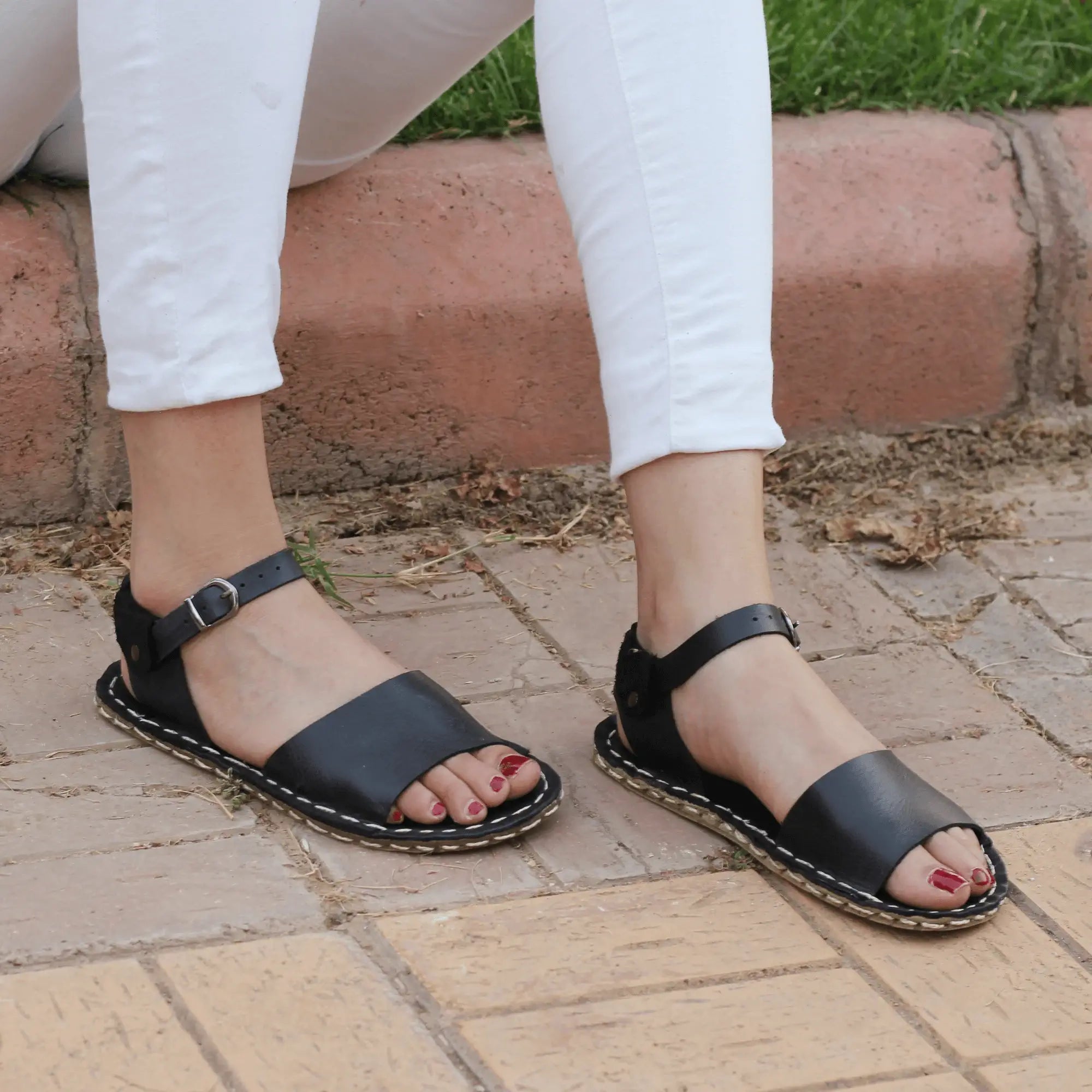
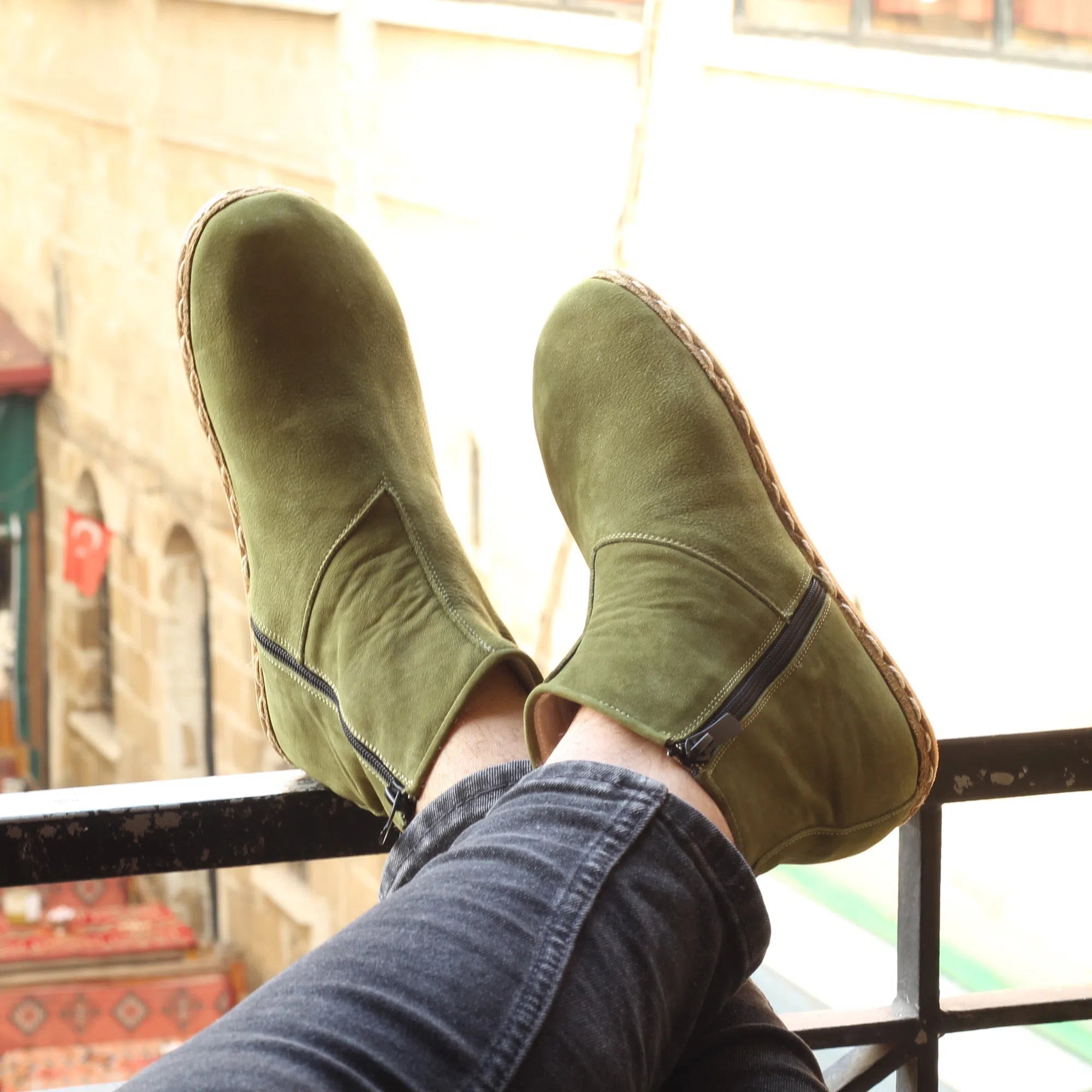
A shoe can be the right length and still feel wrong the second you stand up. That usually means the problem is not the size on the label - it is the toe box. If you are trying to figure out how to measure toe box fit at home, you are already asking the right question. Your toes are not meant to be squeezed into a pointed shell just because modern footwear decided that looked normal.
A proper toe box gives your toes room to spread, stabilize, and move the way they were designed to. That matters for comfort, of course, but it also affects balance, gait, posture, and the kind of low-grade foot fatigue many people have accepted for years. Narrow shoes do not just feel restrictive. They can change how your whole body loads the ground.
Why toe box measurement matters more than most people think
Most shoppers measure foot length, glance at a size chart, and hope for the best. That works only if the front of the shoe matches the actual shape of your forefoot. Many conventional shoes do not. They taper aggressively at the front, forcing the big toe inward and crowding the smaller toes together.
That compression can lead to hot spots, numbness, calluses, bunion irritation, and a general sense that your feet want out by the end of the day. Even if you are not dealing with pain, a cramped forefoot limits natural toe splay. And when toes cannot spread, the foot loses part of its built-in support system.
A wide toe box is not a gimmick. It is a return to basic anatomy. If you care about natural movement, grounding, or simply walking without fighting your shoes, measuring the toe box is one of the smartest things you can do before buying your next pair.
How to measure toe box at home
You do not need special equipment. A piece of paper, a pen, a ruler or measuring tape, and a few minutes will do the job.
Start at the end of the day, not first thing in the morning. Feet naturally swell and spread with activity, and that fuller shape is the one your shoes need to accommodate. Put on the kind of socks you plan to wear with the shoes, or go barefoot if you are measuring for sandals or slippers.
Place a sheet of paper on a hard floor and stand on it with your full weight evenly distributed. Do not sit. Do not point your foot. Your foot changes shape under load, and that loaded shape is what matters.
Trace around your foot as closely as possible while keeping the pen upright. If someone can help, even better. A self-traced outline is fine, but it often ends up narrower than your actual foot.
Now look at the forefoot area. You are not just measuring one straight line across the front. The goal is to capture both width and shape.
Measure the widest part of your forefoot
Find the widest points around the ball of the foot, usually from the joint below the big toe across to the joint below the little toe. Measure that width in a straight line. This gives you your forefoot width, which is often the first clue to whether a shoe's toe box will work.
Measure toe spread, not just ball width
Here is where many people stop too early. A toe box is not only about the ball of the foot. It also needs to respect the outline of your toes. Some feet are fan-shaped, where the toes spread noticeably wider than the midfoot. Others are more tapered. Some people have a long second toe, and others have a more rounded forefoot.
To measure this, mark the outermost edge of your big toe and the outermost edge of your little toe on the tracing. Measure across that span. Then compare that line to the width at the ball of the foot. If your toes spread beyond the ball width, a shoe that is technically wide enough at the joints can still crowd your toes at the front.
Measure toe box depth if you need extra room
Width is not the whole story. If you have hammer toes, high toe joints, swelling, or simply more volume through the forefoot, toe box depth matters too. The easiest home method is to stand naturally and use a flexible tape to measure from the floor over the highest point of your toes and down to the floor on the other side. This will not give you a standard industry spec, but it helps you compare how much vertical room you usually need.
This is one of those it depends situations. Some soft leather shoes will adapt with wear. Stiff synthetic uppers usually will not.
What your foot shape tells you about toe box fit
Once you have your tracing, study the silhouette. This matters almost as much as the raw numbers.
If your big toe sits far forward and the rest slope downward, you likely do best in a more asymmetrical toe box that follows the natural line of the foot. If your first three toes are similar in length, a rounded front may feel better. If your second toe is longest, you need enough length and height through the center front, not just at the big toe side.
This is why two shoes described as wide can fit completely differently. One may be broad at the ball and sharply tapered at the tip. Another may allow the toes to spread naturally. The label does not tell the full story. The shape does.
How to compare your measurements to a shoe
If you already own a shoe that almost works, remove the insole and stand on it. This is one of the simplest ways to test usable space. If your foot spills over the edges of the insole at the forefoot or your toes hang beyond the toe area, the shoe is too restrictive even if you have been tolerating it.
If you are comparing measurements before buying, focus on the internal shape of the shoe, not the outer sole. Soles can look generous while the upper still pinches inward. Handmade leather footwear often gives a more truthful sense of shape because the upper can conform to the foot rather than forcing the foot into a rigid mold.
As a general rule, you want enough room for your toes to lie flat, spread naturally, and move slightly during walking. You do not want so much extra space that your foot slides forward or loses stability. Natural fit is not sloppy fit.
Common mistakes when measuring toe box fit
The biggest mistake is measuring while seated. A non-weight-bearing foot is smaller, narrower, and less honest. Another common mistake is measuring only the width of the shoe opening or outsole. That tells you very little about the actual interior where your toes live.
People also assume that breaking in a tight toe box will solve the problem. Sometimes leather softens, yes. But if the shape is fundamentally wrong, break-in only teaches your foot to endure compression. It does not make the shoe anatomically sound.
Finally, do not rely only on standard width labels like D, EE, or wide. Those categories can be inconsistent across brands, and they often describe the overall last rather than the true freedom at the toes.
How to tell if your current toe box is too small
Your feet usually tell the truth before a ruler does. If your toes rub against each other, your little toe feels folded inward, your big toe angles toward the center, or you feel relief the moment you take your shoes off, the toe box is likely too small.
Other signs are subtler. You may notice forefoot soreness, instability when walking barefoot after a day in shoes, or recurring pressure marks across the tops or sides of the toes. A cramped toe box can also make breathable shoes feel hotter because the toes are pressed together instead of spaced naturally.
For people shifting into minimalist footwear, this can be eye-opening. Once your toes start spreading again, shoes that once seemed fine suddenly feel restrictive. That is not your feet becoming difficult. That is your anatomy reclaiming space.
Why natural materials and construction matter too
Measuring matters, but construction matters with it. A generous toe box works best when the materials allow the foot to move naturally. Soft leather, flexible soles, and zero-drop design support a more honest relationship between your foot and the ground. They let your toes engage instead of trapping them in a stiff front end.
That is part of why handmade barefoot footwear stands apart from mass-market shoes built around narrow fashion shapes. The goal is not to make the foot look smaller. The goal is to let it function better. At Nefes Shoes, that philosophy is simple: health begins with the feet, and feet need room to be feet.
A better fit starts with a better question
When you stop asking only, What size am I, and start asking, Does this shoe respect my natural forefoot shape, everything changes. Learning how to measure toe box fit is really about refusing the old standard that says comfort must come second to appearance.
Your toes are part of your foundation. Give them enough space, and the rest of your body tends to thank you for it. The next time a shoe looks beautiful but feels slightly off at the front, trust your foot, trace it, measure it, and choose freedom over squeeze.