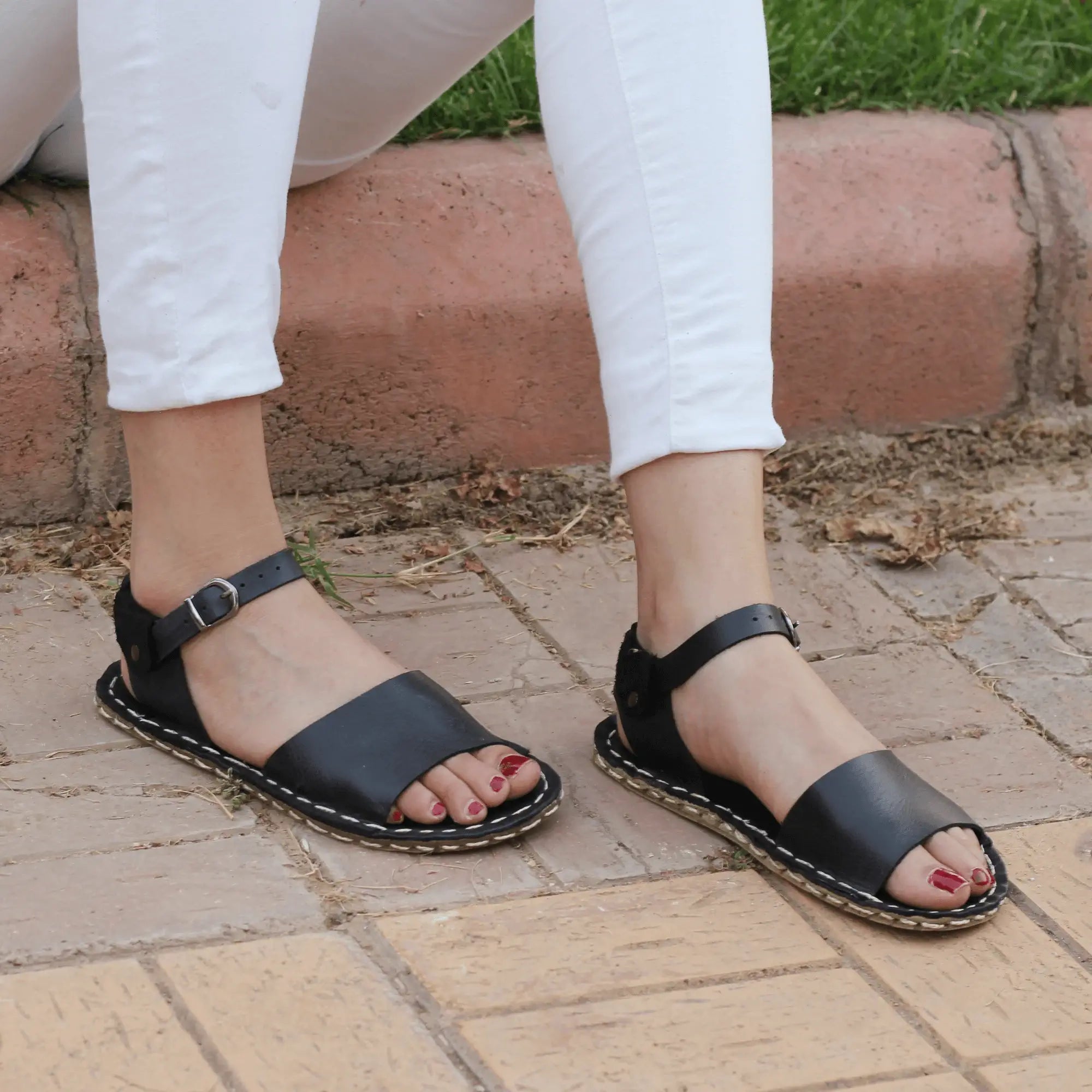
Leather grounding shoes age beautifully when you treat them like natural materials instead of plastic gear. If you are wondering how to clean leather grounding shoes without drying them out, weakening the sole, or dulling their character, the answer is simple - clean gently, dry slowly, and avoid the harsh products conventional shoe care often pushes.
Grounding shoes are not built for the same care routine as synthetic sneakers. They move differently, breathe differently, and wear closer to the body. That is part of their power. Natural leather softens to your foot, supports freedom of movement, and carries a lived-in look that many mass-market shoes never achieve. But that also means over-cleaning can be just as damaging as neglect.
How to clean leather grounding shoes without damaging them
Start with the least aggressive method first. In most cases, your shoes do not need a deep scrub. They need dry brushing, spot cleaning, and a little patience.
Remove loose dirt with a soft brush or dry cloth. Pay attention to the welt, seams, and the area where the upper meets the sole. Dust and grit collect there, and if you leave it in place, it can slowly abrade the leather. For dried mud, let it fully dry before brushing it off. Rubbing wet dirt deeper into the leather only makes the job harder.
Once the surface dirt is gone, use a slightly damp cloth with a small amount of mild soap. Think gentle soap, not detergent. Wipe the leather in small sections, and do not soak it. Leather does not respond well to saturation, especially in handmade shoes where natural materials are meant to stay flexible and breathable. A cloth should feel barely damp, not dripping.
If the shoe has a stubborn mark, apply a little more attention to that area rather than washing the whole shoe aggressively. This is where restraint matters. Leather grounding shoes do not need to look factory-perfect to be clean. They should look cared for, not stripped.
What to avoid when cleaning grounding footwear
A lot of damage happens because people clean natural shoes the way they clean gym shoes. That is the wrong model.
Do not put leather grounding shoes in the washing machine. The agitation, heat, and water exposure can distort the shape, stiffen the leather, and shorten the life of the shoe. Do not use bleach, strong detergents, alcohol-heavy cleaners, or all-purpose household sprays. These can pull oils from the leather and leave it dry, flat, or cracked.
High heat is another mistake. Never place your shoes on a heater, near a vent, or in direct blazing sun to speed up drying. Fast drying sounds efficient, but leather prefers balance. Too much heat can shrink, harden, or warp the material.
This matters even more with grounding footwear because the whole design is built around natural contact, flexibility, and material integrity. Once leather becomes brittle, the shoe stops performing the way it should.
Cleaning the inside of leather grounding shoes
The inside of the shoe is where sweat, body oils, and odor build up. That does not mean you should flood the interior with cleaner.
Turn the shoes upside down and tap out loose debris. Then wipe the lining gently with a lightly damp cloth. If odor is the main issue, let the shoes air out completely after each wear before putting them away. A shoe that never fully dries between wears will always be harder to keep fresh.
For a deeper refresh, you can sprinkle a small amount of baking soda inside overnight and shake it out the next day. This can help with odor, but use a light hand. You do not want residue trapped in the interior. If your shoes have removable insoles, clean those separately according to their material.
Odor is not always a cleaning failure. Sometimes it is a wear pattern issue. If you wear the same pair every day, especially in warm weather, the leather has less time to breathe and recover. Rotation helps more than people think.
How to dry leather grounding shoes the right way
After cleaning, stuff the shoes loosely with clean, dry paper or a soft cloth to help them hold their shape. Then leave them to dry at room temperature in a well-ventilated area. Replace the paper if it becomes damp.
This slow drying approach protects the structure and keeps the leather from drying unevenly. It also helps prevent the toe box from collapsing, which matters in minimalist footwear designed to allow natural toe splay.
If your shoes got soaked in rain or mud, give them extra time. Do not rush the process. Natural materials ask for a little patience, but they return the favor with better comfort and longer life.
Conditioning leather after cleaning
Knowing how to clean leather grounding shoes also means knowing what comes after cleaning. Leather needs moisture balance. Clean too often without conditioning, and it can become dry and tired.
Once the shoes are fully dry, apply a small amount of leather conditioner if the leather feels stiff, looks dull, or shows dryness. Use only a conditioner suitable for natural leather, and test a small hidden area first. Some products darken the color slightly, which is not always a problem, but you should know before applying it everywhere.
Work in a thin layer with a soft cloth. More is not better. Over-conditioning can make leather feel heavy or overly soft. The goal is to restore suppleness, not coat the shoe.
This step is especially useful if you live in a dry climate, wear your shoes often outdoors, or clean them after exposure to dust and sun. If the leather still feels healthy and flexible after cleaning, you may not need conditioner every time. It depends on climate, use, and the character of the specific hide.
What about the soles?
Grounding shoes deserve special attention at the sole because that is where function meets the earth. If your pair has a natural leather sole or a grounding-focused construction, keep the bottom clean enough to remove packed dirt, but do not attack it with harsh chemicals.
Use a soft brush or damp cloth to remove debris. If mud is caked on, let it dry first, then brush gently. The goal is to maintain contact and flexibility, not to make the sole look polished. A grounding shoe is not meant to feel sealed off from the world.
Wear on the sole is normal. In fact, it tells the story of movement, gait, and use. What you want to prevent is buildup that interferes with comfort or traps moisture against the materials.
How often should you clean them?
Not every scuff needs a full cleaning session. For most people, a quick wipe-down every week or two and a deeper clean when needed is enough. If you wear your grounding shoes daily, especially in dusty, wet, or hot conditions, you may need more frequent maintenance.
That said, there is a trade-off. Clean too aggressively and you age the leather faster. Clean too rarely and dirt, salt, sweat, and grime settle in. The sweet spot is regular light care.
Think of it this way: maintenance beats rescue. A two-minute brush-off after a messy walk does more good than an intense scrubbing session once the shoes already look worn out.
The best long-term habit for leather grounding shoes
The best care routine is not complicated. Let your shoes air out after wear. Brush off dirt before it sets. Clean with a damp cloth instead of soaking. Dry them slowly. Condition when the leather asks for it, not on autopilot.
That approach respects what grounding footwear is supposed to be - natural, breathable, flexible, and alive to movement. Brands like Nefes Shoes build leather grounding shoes for people who want freedom at the feet, not another stiff layer between the body and the ground. Caring for them the right way keeps that feeling intact.
A good pair of leather grounding shoes should not look untouched forever. They should look well-worn, well-kept, and ready for another day outside.