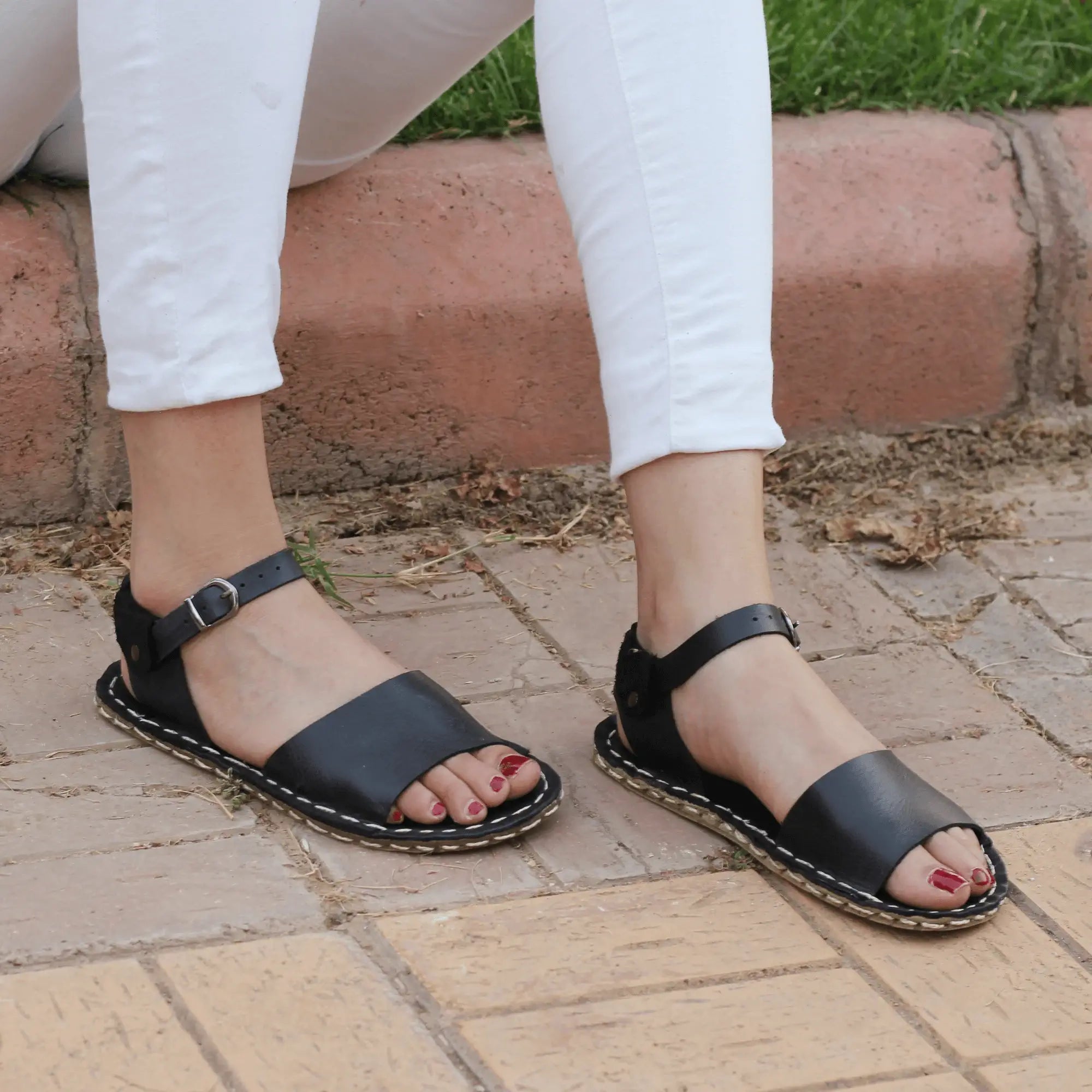
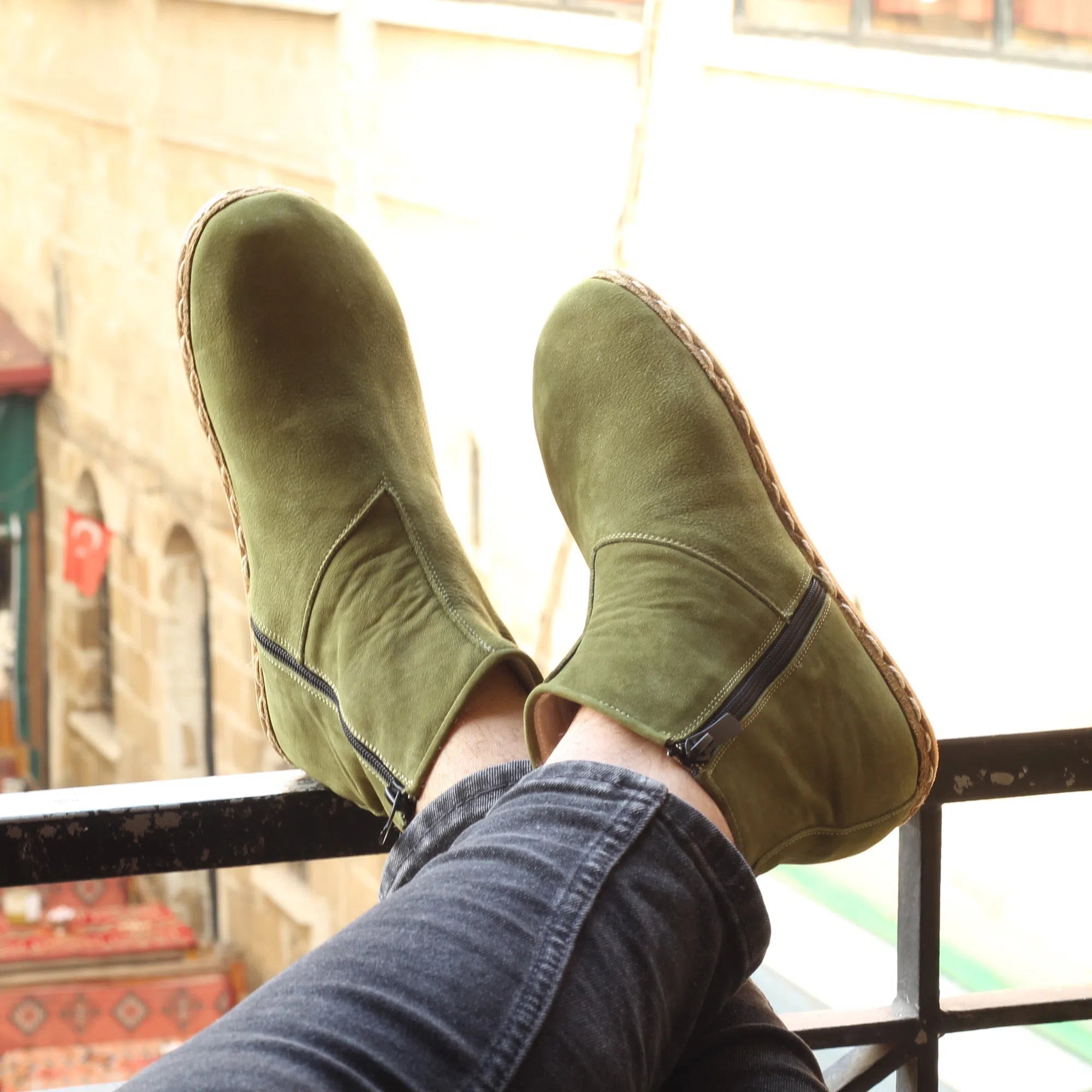
A shoe can feel roomy at the heel and still crowd your feet where it matters most. If your toes overlap, your big toe angles inward, or you take your shoes off at the end of the day craving relief, the problem may not be your foot. It may be the shape of the shoe. Learning how to choose foot shaped shoes starts with rejecting the idea that feet should be squeezed into a narrow, pointed outline.
Foot shaped footwear follows the natural silhouette of a human foot: broad across the toes, secure through the midfoot, and balanced from heel to forefoot. It gives your toes room to spread, your foot muscles a chance to work, and your body a more natural foundation. But not every shoe labeled wide, barefoot, or minimalist actually delivers that freedom.
What Makes a Shoe Foot Shaped?
The clearest sign is a toe box that mirrors your foot rather than tapering toward the center. Your biggest toe should be able to point forward, not be pushed toward its neighbors. Your smallest toe should not be folded inward against the sidewall. Look down at the sole of a shoe: if the front is sharply narrower than your forefoot, it is built for a fashion silhouette, not natural toe splay.
A truly foot shaped shoe also has enough depth. Width alone is not the whole story. If the top of the shoe presses on your toes or toenails, you may need more vertical space, a different upper material, or another style altogether. Soft, naturally flexible leather can adapt gently over time, but it should never be expected to stretch enough to correct a fundamentally poor shape.
The heel matters too. Foot shaped does not mean loose or sloppy. A good shoe holds the heel comfortably in place while allowing space at the front. Think secure at the back, free at the toes.
How to Choose Foot Shaped Shoes for Your Feet
Start by observing your bare feet, not the size printed inside your current shoes. Stand on a sheet of paper with your weight evenly distributed. Notice the widest points of each foot, the direction of your big toes, and whether one foot is longer or wider. Most people have slight differences between left and right. Shop for the larger foot.
Measure later in the day when your feet are at their fullest. If you plan to wear socks, measure while wearing the type of socks you actually use. A fit that feels perfect first thing in the morning can become restrictive after a long walk, a commute, or hours on your feet.
Check Length Without Guessing
Leave a small amount of space in front of your longest toe. For many adults, about a thumb's width works well, though the right amount depends on the activity and your personal preference. Walking shoes and boots generally need a little more room than slippers because your foot moves forward with each step.
Do not use your big toe as the only reference point. For some people, the second toe is longer. A shoe that clears the big toe but presses against the second toe is still too short.
Prioritize Toe-Box Shape Over a “Wide” Label
Wide sizing can help, but it is not a guarantee of a natural fit. Many conventional wide shoes simply add material around the midfoot or heel while keeping the front tapered. That creates extra volume without giving the toes a proper place to land.
Instead, compare the shoe's outline with your own. The toe box should be broad where your forefoot is broad. It should not force the big toe inward. When standing, you should be able to gently spread and relax your toes. If you cannot, the shoe is probably too narrow, too shallow, or shaped incorrectly for your foot.
Decide Whether Zero-Drop Is Right for You
Many foot shaped shoes use a zero-drop sole, meaning the heel and forefoot sit at the same height. This design avoids the forward tilt created by raised heels and can support a more natural standing and walking position. It also asks more of your calves, feet, and Achilles tendon than a heavily heeled shoe.
If you have spent years in conventional footwear, do not mistake a dramatic change for an automatic improvement. Transition gradually. Begin with shorter walks, alternate with your familiar shoes if needed, and pay attention to persistent discomfort. Natural movement should feel freeing, not like a test of endurance.
Choose the Sole for Your Real Life
A foot shaped upper is only part of the equation. The sole determines how much the ground influences your stride and how much protection you have underfoot.
A thin, flexible sole lets your foot bend and respond more naturally to the terrain. Many people enjoy the sensory connection and lighter feel of minimalist shoes, especially for daily walking, casual wear, and time outdoors. A natural leather sole can add a distinctive, breathable feel while creating a closer relationship with the ground.
Yet thinner is not always better for every situation. Rough city sidewalks, long periods of standing on concrete, cold weather, and sensitive feet may call for more protection. The right choice is the thinnest, most flexible sole that still feels comfortable for where and how you move. Freedom does not require ignoring your environment.
If grounding is part of your practice, look beyond the marketing language and consider the sole material. Natural materials such as leather differ from thick synthetic barriers in how they feel underfoot. Whether you seek that earth-connected experience during a quiet walk or simply prefer fewer artificial layers between your feet and the ground, choose materials that align with your priorities.
Look Closely at Materials and Construction
Your feet spend hours enclosed in your shoes. The upper material affects breathability, flexibility, moisture, and how the fit changes with wear. Leather can be an excellent choice when it is supple, responsibly finished, and paired with a naturally shaped last. It molds gradually to the foot, develops character, and offers a more personal fit than stiff, plastic-heavy uppers.
Still, leather quality varies. Avoid assuming that any leather shoe is automatically flexible or foot friendly. Press the upper with your hand. It should yield without fighting back. Bend the shoe at the forefoot. It should flex where your toes flex, rather than only in the middle or not at all.
Handmade construction can make a meaningful difference because the shape, stitching, and material selection receive more individual attention. At Nefes Shoes, the purpose is not to make feet look smaller or more formal. It is to build leather footwear that respects the foot's natural form while bringing artisan character to everyday movement.
Try Them on the Right Way
When your foot is inside the shoe, stand before you judge the fit. Your foot lengthens and widens under body weight. Walk on a firm surface, take several normal steps, and notice what happens at the toes, instep, heel, and arch.
A good fit should feel calm. There should be no pinching across the forefoot, no rubbing at the heel, no pressure on the top of the toes, and no need to curl your toes to keep the shoe on. Your heel should not slide excessively, but a shoe does not need to grip your foot like a clamp to be secure.
Be cautious with the phrase “break-in period.” Quality leather may soften, and a new sole may become more responsive with wear. But pain, numbness, blisters, or compressed toes are not a noble adjustment phase. They are useful information. Listen to your feet early.
Match the Style to the Season and Activity
The best foot shaped shoe is one you will actually wear. Sandals can offer maximum toe freedom in warm weather, but the straps must hold the foot without digging in. Moccasins and slippers can be ideal for relaxed daily use, while boots offer more coverage and structure when conditions call for it. Sneakers may suit longer walks and active days, provided the toe box remains genuinely spacious.
For work or social settings, you do not have to choose between a natural shape and personal style. Look for clean lines, rich leather, and handmade details that make the shoe feel intentional rather than clinical. Foot health and individuality belong in the same pair of shoes.
Your feet were not designed to live in a narrow mold. Choose a shape that gives them room, start your transition at a pace your body can handle, and let every step remind you that comfort should never require compression.