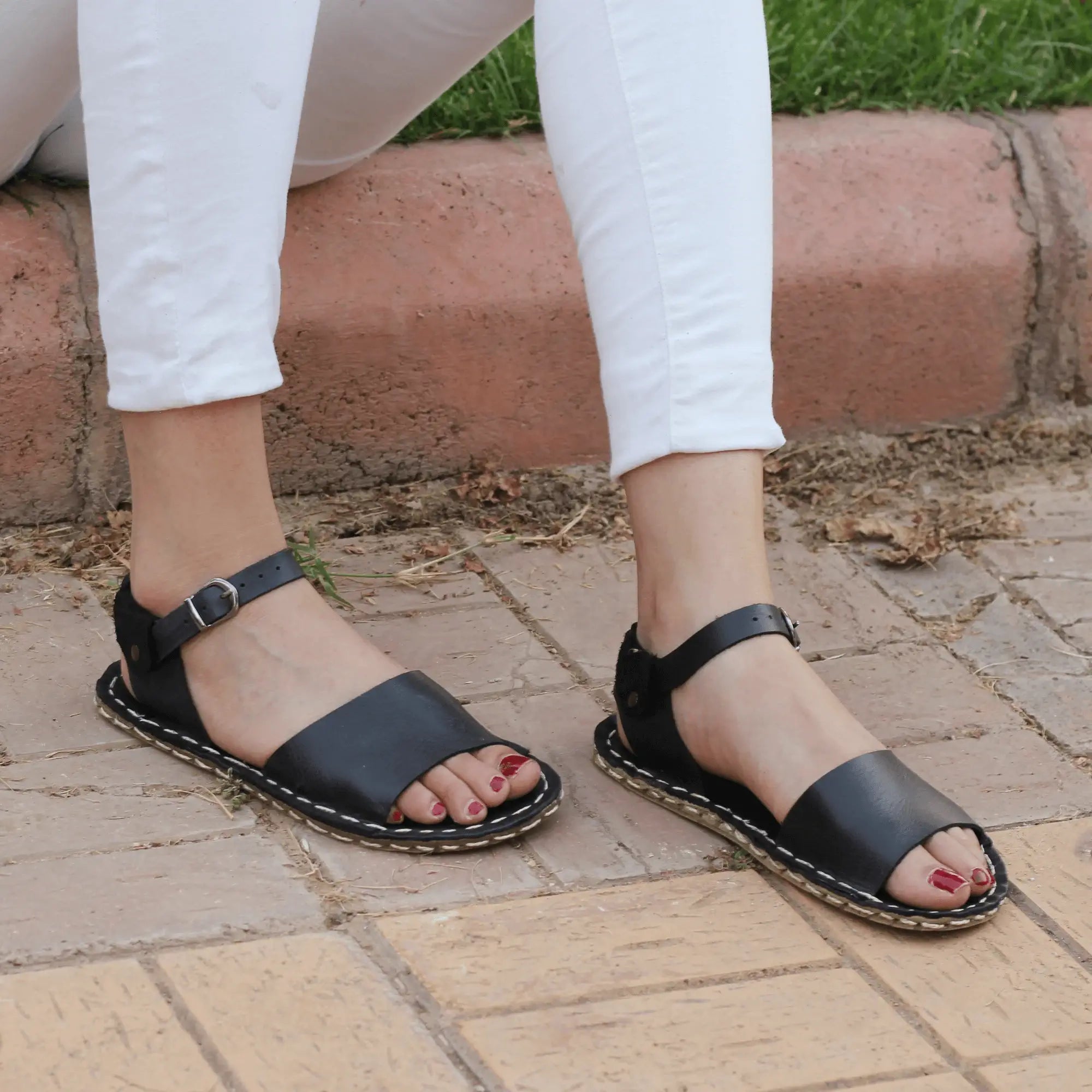
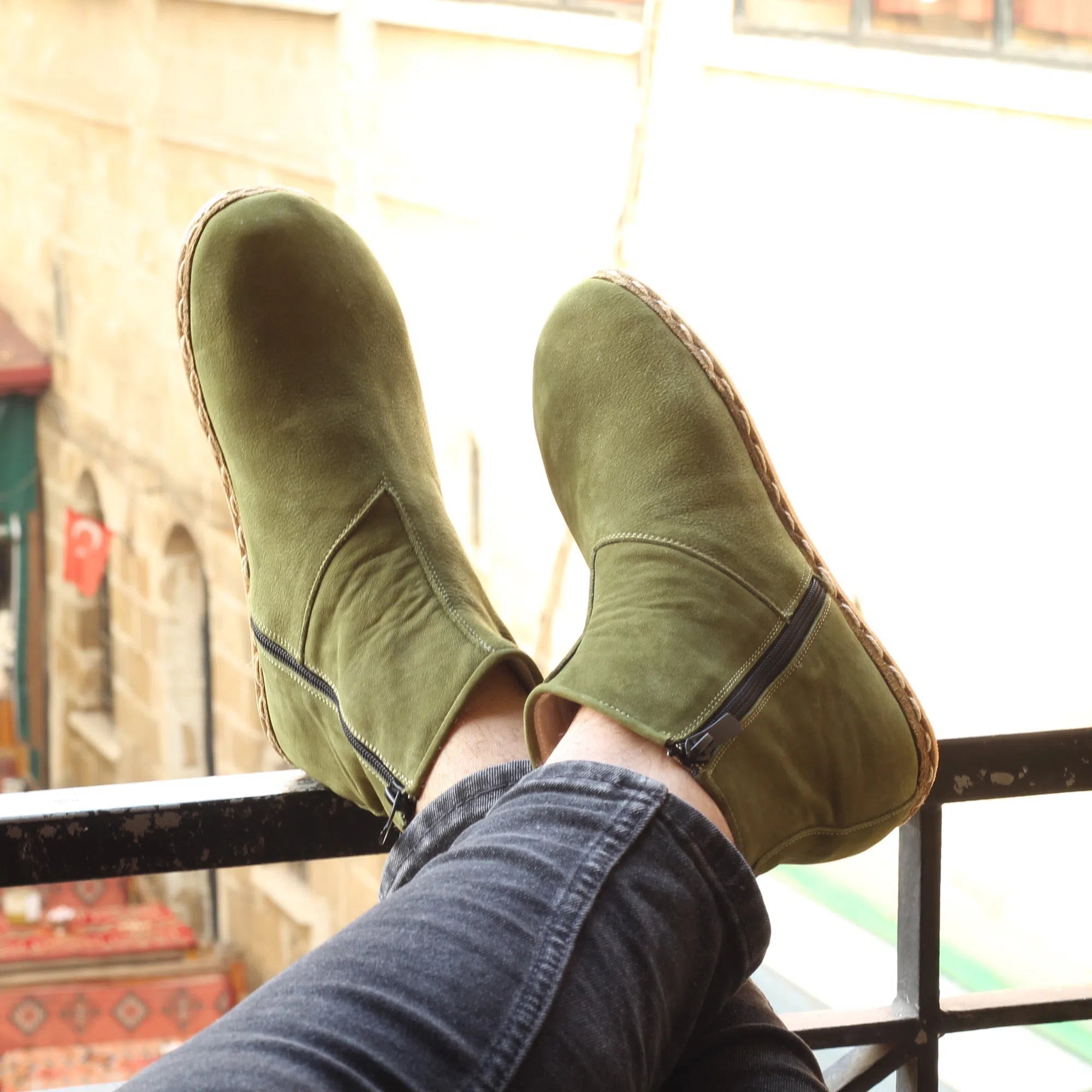
Your house shoes should not be a softer version of the same cramped, raised footwear you spend all day trying to escape. The best leather barefoot slippers give your feet room to spread, let your heel rest at its natural level, and replace plastic-heavy comfort with the honest feel of natural leather.
That difference matters most at home. This is where many people spend hours standing at the counter, moving through morning routines, working from a home office, or recovering after a long day in conventional shoes. A slipper can either keep your feet confined or give them a chance to move as they were built to move.
What Makes the Best Leather Barefoot Slippers Different?
A true barefoot slipper is not simply flat. It is designed around the natural shape and function of the foot. That means a wide toe box, zero-drop sole, flexible construction, and minimal interference between your body and the ground beneath you.
Conventional slippers often look cozy but work against natural movement. They may taper sharply at the toes, lift the heel with thick padding, and rely on stiff synthetic soles. Your toes are squeezed together, your posture is subtly shifted forward, and your feet do less of the work they are meant to do.
Leather barefoot slippers take another path. They keep the foot close to level, allow toe splay, and bend with each step. The result is a more grounded, natural sensation that can make ordinary movement around the house feel less restricted.
The goal is not to pile on support your body never asked for. It is to stop blocking the support already built into your feet.
Start With a Wide Toe Box, Not a Narrow Slipper Shape
The front of a slipper tells you almost everything about whether it respects your feet. Look down at your bare foot. Your toes do not form a pointed triangle, so your slippers should not either.
The best designs have a foot-shaped toe box that gives the big toe, little toe, and everything between them room to relax. This extra space supports natural toe splay, which is especially welcome after hours in work shoes, boots, or sneakers with a narrow front.
A wide toe box does not mean the slipper has to look oversized. Handmade leather can create a clean, distinctive silhouette while still following the real anatomy of the foot. That is the better standard: footwear shaped for feet, not feet forced into footwear shaped for fashion.
If you are between sizes, pay attention to both length and width. A slipper that is long enough but tight across the forefoot will still limit movement. Leather may soften with wear, but you should never buy a pair expecting painful pressure points to disappear.
Zero Drop Keeps Your Body Closer to Its Natural Alignment
Zero drop means the heel and forefoot sit at the same height. There is no built-in ramp pushing your weight forward. For people accustomed to elevated heels, even in casual house slippers, this level platform can feel refreshingly honest.
A zero-drop slipper supports a more natural standing position and lets your calves, ankles, and feet work through their normal range of motion. It is a simple design choice with a meaningful effect: your body is not constantly adapting to an artificial incline.
That said, transition matters. If you have worn heavily cushioned or heeled footwear for years, start by wearing barefoot slippers for short periods at home. Let your feet and lower legs adapt gradually. Natural movement is the destination, but there is no prize for rushing the journey.
Choose Real Leather for Breathability and Character
Material changes the entire experience of a slipper. Synthetic linings and foam can trap heat, encourage sweat, and break down into a tired, flattened shape. Real leather has a different relationship with the foot. It is breathable, durable, and capable of becoming more personal over time.
Quality leather softens as it wears while retaining structure where it counts. It develops patina rather than simply looking worn out. Each crease and tonal variation becomes evidence that the slipper has moved with you through real life.
For indoor footwear, leather also helps create a comfortable microclimate. It can feel warm without becoming overly stuffy, making it useful across seasons. Bare feet often sweat more than people realize, so breathability is not a luxury feature. It is part of everyday comfort and odor control.
Look for slippers made with leather inside and out when possible. A leather upper paired with a synthetic interior may still be comfortable, but it does not offer the same natural feel or breathability as an all-leather construction.
The Sole Should Bend With You
A barefoot slipper needs a flexible sole. When you walk, your foot does not move like a rigid plank. It bends, rolls, grips, and adjusts to subtle changes underfoot. A stiff sole interrupts that conversation.
Natural buffalo leather soles offer a particularly close-to-the-earth experience for dry indoor settings. They are thin, flexible, and beautifully tactile, allowing you to feel more of the surface beneath you without walking barefoot. For people drawn to grounding practices, this kind of construction creates a more direct connection than thick rubber or foam barriers.
There is a trade-off. Leather soles are best suited to indoor use and dry surfaces. They are not the right choice for wet patios, slick tile, snow, or regular outdoor errands. If you need more grip or protection, select a barefoot slipper with a thin, flexible rubber sole instead. You can still preserve zero drop and toe freedom without asking an indoor leather sole to do a job it was not made for.
Fit Should Feel Free, Not Loose
Barefoot footwear is often misunderstood as footwear that should feel floppy. It should feel free, but it should also stay securely on your foot.
The heel should sit comfortably without excessive slipping. The upper should rest against the foot without pressing into the toes or top of the instep. Your toes should be able to spread and move, while the slipper remains stable enough for normal household movement.
Handmade leather slippers may feel slightly firm at first, especially around the upper. This is normal when the leather is substantial and well constructed. After several wears, the material should begin to conform to your foot. Sharp pinching, numbness, or persistent rubbing are not part of a healthy break-in period.
For a closed-back pair, a secure heel fit is especially useful if you walk up and down stairs or spend much of your day moving around the house. Open-back styles are easy to slide into, but they can make your toes grip to keep the slipper on. The better option depends on how you actually live in them.
Who Benefits Most From Leather Barefoot Slippers?
These slippers make sense for anyone who wants their at-home footwear to support the same principles as their barefoot shoes. They are especially appealing if you are tired of sweaty foam slippers, dislike the compressed feeling of narrow toe boxes, or want a more intentional alternative to mass-produced house shoes.
They can also be a smart first step for people curious about barefoot living. Home is a controlled environment, and slippers make it easy to experience wide-toe, zero-drop comfort without immediately changing every pair of shoes in your closet.
Nefes Shoes approaches this category as more than indoor comfort. Handmade leather, foot-shaped construction, and natural buffalo leather soles turn a daily essential into a reminder that health begins with the feet. You do not need to accept restriction just because a shoe is labeled comfortable.
Care for Leather So It Can Care for Your Feet
Leather rewards simple care. Let slippers air out after wearing, particularly if your feet have been warm or sweaty. Keep them away from direct heat sources, which can dry and stiffen the material. If they pick up dust, wipe them gently with a soft, dry cloth.
Use a leather conditioner sparingly when the leather begins to feel dry. Too much product can leave residue and change the finish. For leather-soled slippers, avoid soaking them or wearing them across wet ground. A little respect goes a long way toward preserving their shape, softness, and flexibility.
The right pair should feel less like an accessory and more like a return to yourself: toes open, heel level, leather breathing, and every step at home a little closer to the way your body prefers to move.