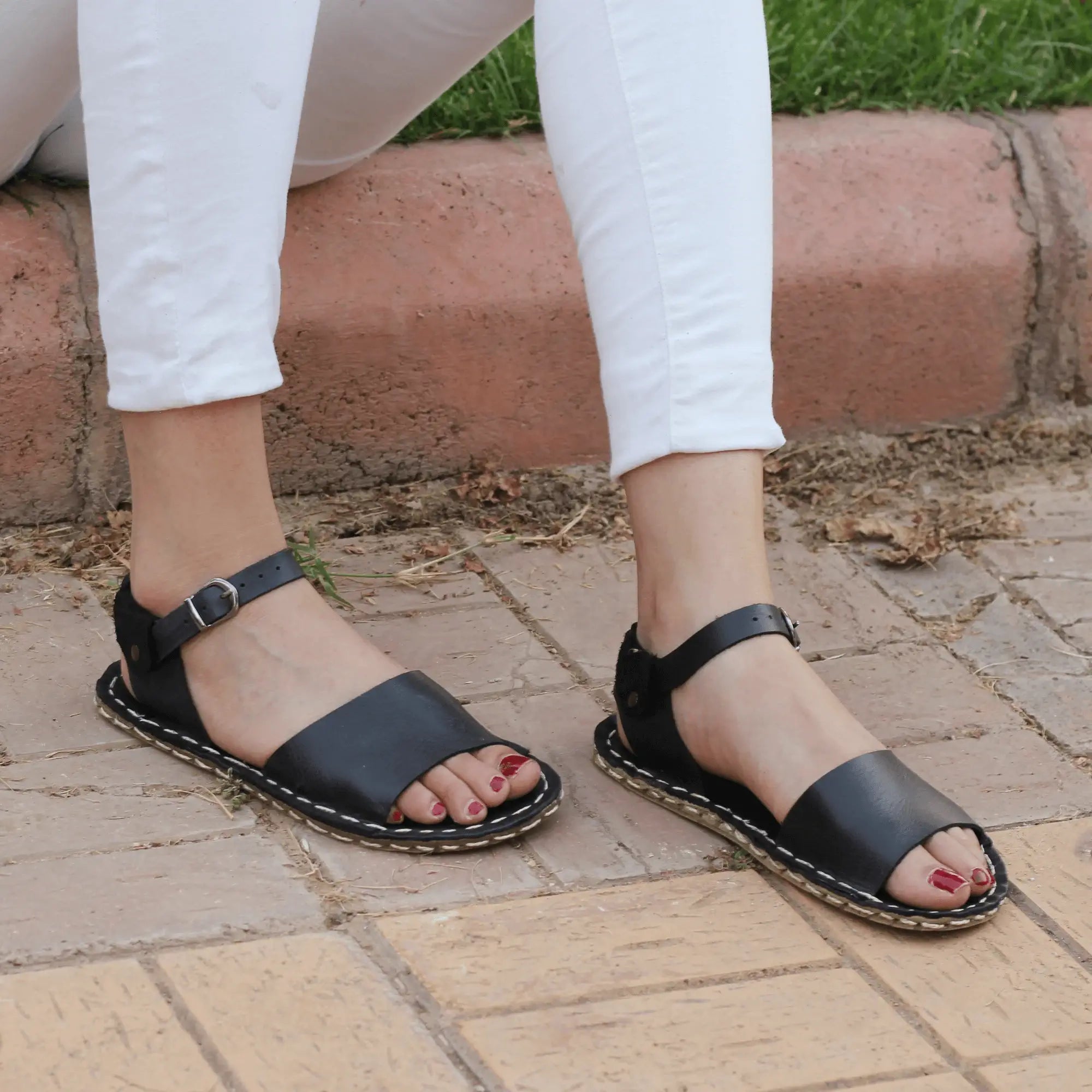
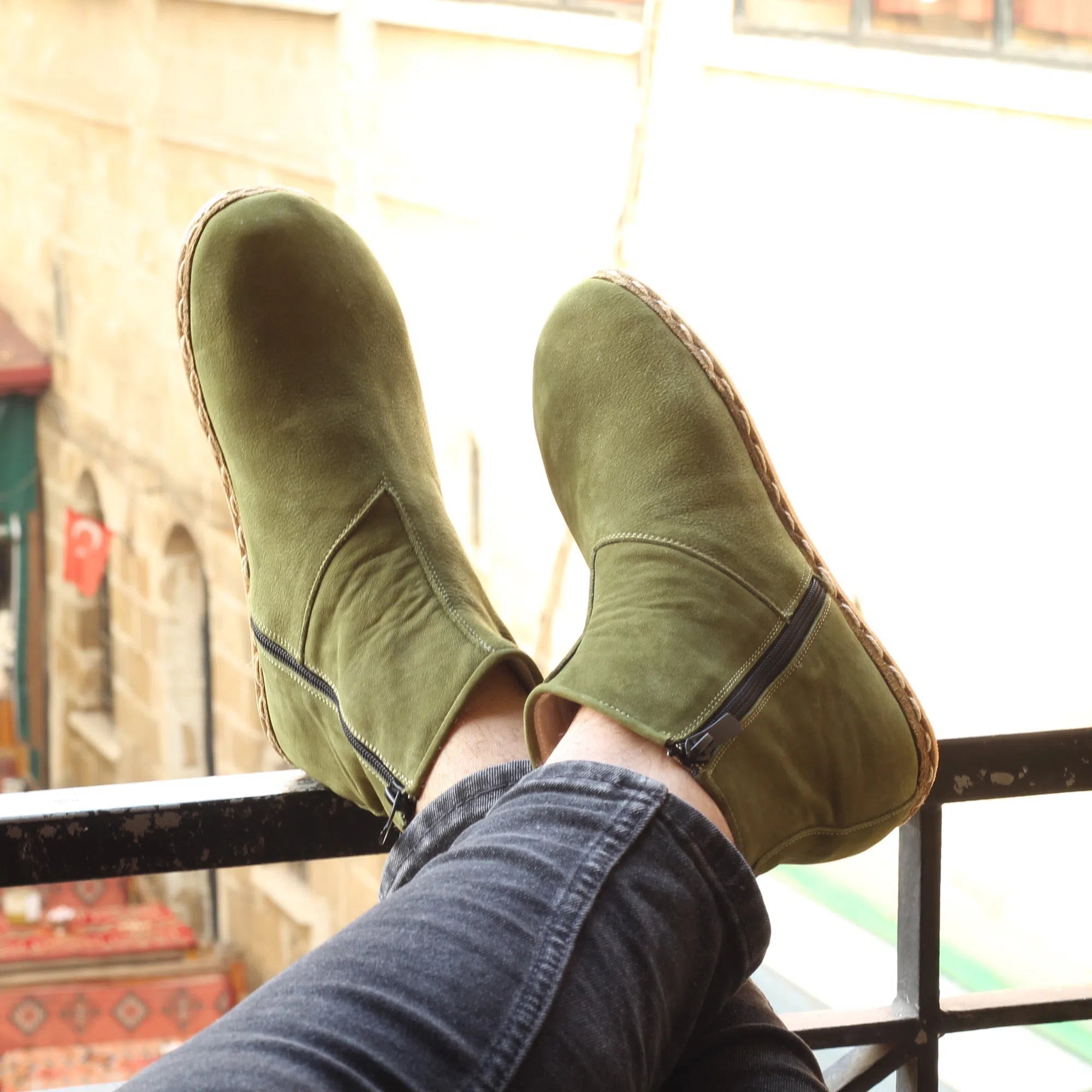
A boot can look rugged and still work against your body. If the heel lifts you forward, the toe box squeezes your forefoot, and the sole refuses to bend, that handsome pair may be asking your feet to do all the adapting. This zero drop boots buying guide is for people who want the protection and character of a boot without giving up natural movement.
The right pair should not feel like a cast around your foot. It should feel secure, flexible, spacious, and ready for the way humans are built to stand and walk. That does not mean every zero-drop boot is right for every person or every trail. It means knowing which details matter before leather, color, or a clever product name steals the show.
What Zero Drop Really Means in a Boot
Zero drop means the heel and forefoot sit at the same height from the ground. There is no elevated heel tipping your foot forward. In a conventional boot, that rise can be subtle or dramatic, but it changes how your body stacks above your feet.
A level platform gives your ankles, calves, and feet the chance to work in a more natural position. Many wearers choose zero-drop footwear because it supports a grounded stance, more natural gait mechanics, and freedom from the constant forward pitch of heeled shoes.
Still, zero drop alone does not make a boot minimalist or foot-friendly. A boot can have a level sole and remain stiff, narrow, thick, or heavily structured. Look at the whole design, not one label.
The Non-Negotiables in a Zero Drop Boots Buying Guide
A toe box that lets toes spread
Your toes are not meant to live in a pointed chamber. They help stabilize your body, respond to the ground, and support each step. A properly shaped boot has room across the forefoot so your toes can splay rather than overlap, curl, or press into each other.
Do not judge width only by the boot's size label. Brands use different lasts, and a "wide" width can still taper aggressively toward the big toe. Remove the insole if there is one, stand on it, and check whether your foot stays within its outline without your toes spilling over the sides. Your longest toe also needs a little space at the front, especially if you plan to walk downhill or wear thicker socks.
A sole that bends and feels alive
Flexibility is where many boots lose their connection to natural movement. A sole should bend with the foot, particularly through the ball of the foot where your toes push off. It should not fold like paper, but you should be able to flex it by hand without a fight.
A thinner sole generally gives you more ground feel. That can help you move with greater awareness, but it also means you will notice sharp rocks, cold pavement, and rough terrain more than you would in a heavily cushioned hiking boot. Think honestly about where you will wear the boots. Daily city walking, travel, light trails, and work around town call for a different balance than long days carrying a heavy pack over jagged ground.
A secure fit without a locked-down foot
Boots should hold your heel and midfoot comfortably while leaving your toes free. That balance matters. If the heel slips excessively, you may get rubbing and blisters. If the laces must be pulled painfully tight to stop the slip, the volume or shape is probably wrong for your foot.
Try boots on later in the day, when feet are often slightly fuller. Wear the socks you expect to use. Walk up stairs, down stairs, and across a hard surface if possible. Your heel should feel stable, your instep should not feel compressed, and your toes should never hit the front.
Materials that breathe, age, and earn their character
The best boot material depends on your priorities, but natural leather deserves serious attention. Quality leather can breathe, conform gradually to the foot, and develop a patina rather than simply wearing out. It also brings a lived-in character that synthetic uppers often imitate but rarely match.
Look beyond the word "leather." Ask whether the upper feels supple or plastic-coated, whether the interior has breathable materials against the skin, and whether the construction supports repair and long-term wear. Natural materials can help reduce the clammy feeling common in sealed-up synthetic footwear, though no boot is immune to sweat during hot or active days.
For those drawn to grounding practices, natural buffalo leather soles offer a distinctive, earth-connected wearing experience. They are best suited to the right conditions and care routine, not treated as a magic solution. Wet weather, abrasive pavement, and your personal use pattern all affect how any leather sole performs and ages.
Choose the Boot for the Life You Actually Live
A zero-drop ankle boot for coffee runs, travel, and everyday errands does not need the same outsole as a technical mountain boot. Buying too much boot can be just as frustrating as buying too little. An overly armored sole may mute the flexibility and sensory feedback you are looking for. A very thin, smooth leather sole may not be the practical answer for icy sidewalks or loose, muddy trails.
For daily wear, prioritize a flexible sole, breathable upper, reliable traction for your climate, and enough room for your usual socks. For light hiking, seek a more grippy outsole and an upper that protects from brush and debris without becoming rigid around the ankle. For cold weather, remember that insulation changes fit. Leave room for warm socks, but do not size up so far that your foot slides around.
Water resistance is another trade-off. A highly sealed boot can block outside moisture, but it may also trap more heat and sweat. If you live in a wet region, look for materials and construction that match frequent rain. If you mainly need boots for dry, cool weather, breathability may matter more than maximum waterproofing.
Transitioning to Zero Drop Boots Without Forcing It
If you have spent years in raised, cushioned footwear, zero-drop boots may ask more of your feet and calves at first. That is not a reason to avoid them. It is a reason to transition with patience instead of turning a new pair into an all-day test on day one.
Start with short walks and ordinary errands. Pay attention to calf tightness, foot fatigue, and how your toes feel after a few hours. Gradually increase wear time as your body adapts. Gentle calf mobility work and foot-strengthening habits can help, but discomfort that is sharp, persistent, or worsening deserves attention from a qualified health professional.
Do not mistake a narrow boot for a "snug break-in." Leather can soften and shape itself over time, but it cannot create meaningful extra width where the last is wrong. Your toes should have room from the first wear. Break-in should make a good fit better, not rescue a bad fit.
Craftsmanship Is Part of Comfort
Handmade boots are not only about appearance. Careful construction affects how a boot flexes, how the seams sit against your foot, and how the leather responds through years of use. A well-made boot often feels less generic because it was designed with material behavior in mind, not simply optimized for fast assembly.
Inspect the details. Are the seams smooth? Does the tongue lie flat? Do the laces allow you to adjust the instep without crushing the forefoot? Is the sole attached cleanly? Small choices add up because boots experience more torque, weather, and repeated bending than many other shoe styles.
At Nefes Shoes, handmade leather construction is paired with wide toe boxes and zero-drop design for people who refuse to choose between natural foot freedom and personal style. The goal is not to make your feet conform to a machine-made mold. It is to give them a more honest place to move.
Care for Leather, and Let It Tell Your Story
Leather boots reward simple care. Brush off dry dirt after wear, let them air out away from direct heat, and condition them when the leather begins to feel dry. Direct heat can stiffen or crack leather, so never rush drying with a radiator or hair dryer.
Rotate your footwear when possible, particularly after wet or sweaty days. This lets the interior dry fully and helps preserve the shape of the boot. If your boots use natural leather soles, learn their care needs before treating them like rubber-soled work boots. Respecting the material is part of owning something made to last.
The best zero-drop boot is not the one with the loudest wellness claims or the thickest sole. It is the pair that gives your toes room, meets the ground with flexibility, suits your real routine, and makes you want to keep walking farther in your own natural stride.