The old shoe model is wearing thin: petroleum-heavy materials, glued-together construction, cramped toe boxes, and a short trip from checkout to landfill. Sustainable barefoot footwear trends are pushing back with a better question: can a shoe respect the foot, the maker, and the materials at the same time? For people who are done forcing their bodies into elevated, narrow, synthetic footwear, the answer is increasingly found in simpler construction and more honest materials.
This shift is not about chasing a green label on another disposable sneaker. It is about choosing footwear that gives toes room to spread, keeps the heel level with the ground, and relies less on layers of foam and plastic. The most meaningful trends are changing how barefoot shoes are designed, bought, worn, and kept.
Sustainable Barefoot Footwear Trends Start With Less
Barefoot footwear has always challenged the idea that more shoe automatically means more support. A thick stack of foam, a sculpted heel, and rigid structure can feel familiar, but they may also limit the work feet are built to do. Sustainable design takes a similarly skeptical view of excess.
The strongest direction in the category is material reduction. Rather than combining multiple synthetic textiles, plastic reinforcements, chemical coatings, and molded components, more makers are building with fewer, more purposeful parts. A well-cut leather upper, a flexible sole, durable stitching, and a foot-shaped last can create a shoe that feels refined without becoming overengineered.
Less material does not always mean less quality. It can mean a more direct relationship between the shoe and the body. You can feel the flexibility. You can see the grain of the leather. You can understand how the shoe was assembled. That clarity matters when you want footwear made for real life, not a season of trend-driven consumption.
Natural Materials Are Becoming the Point, Not the Marketing
Leather, cork, natural rubber, wool, and plant-based fibers are gaining ground as shoppers look beyond vague claims of sustainability. The question is no longer simply whether a material is natural. It is how it wears, how long it lasts, what treatments it receives, and whether it can be maintained instead of discarded.
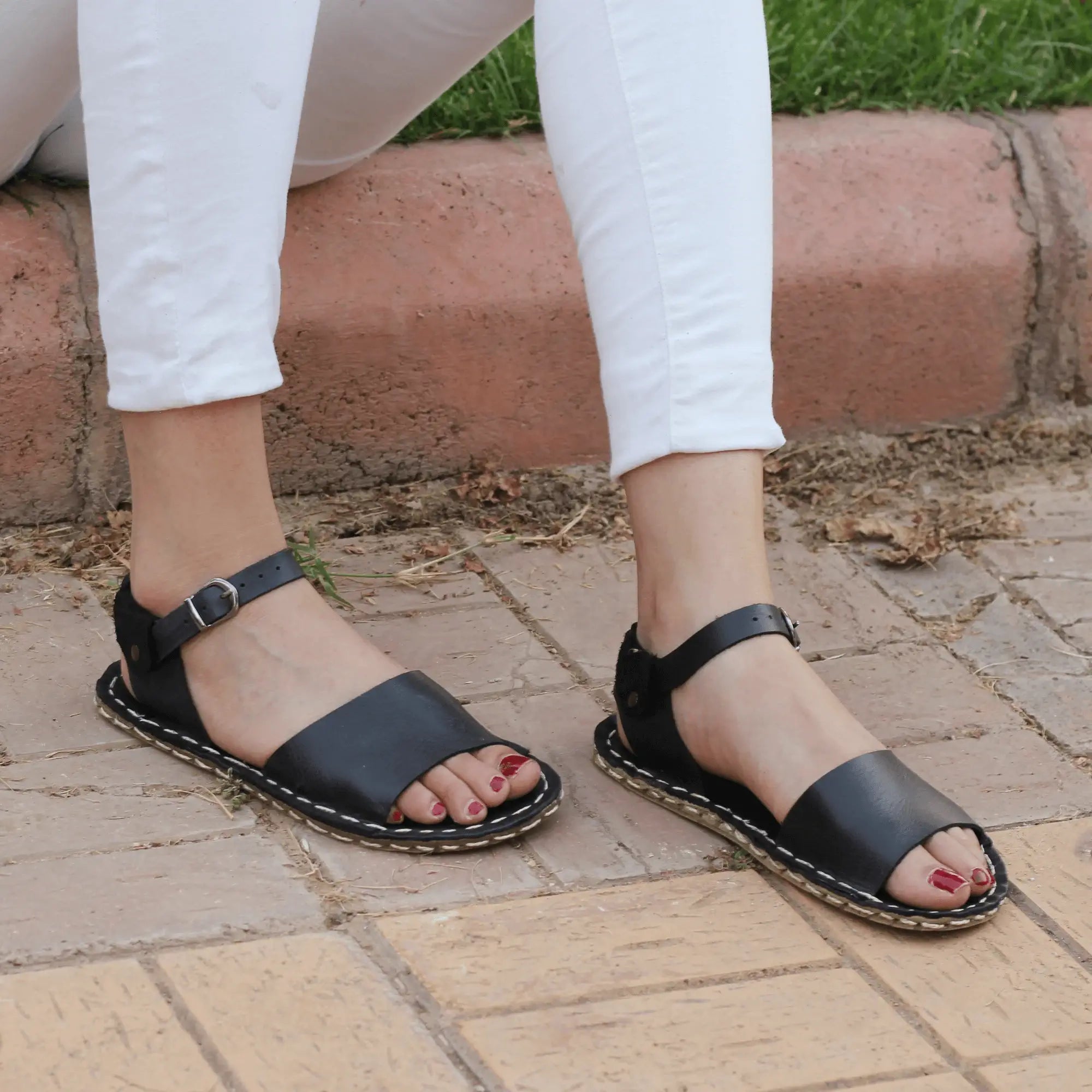
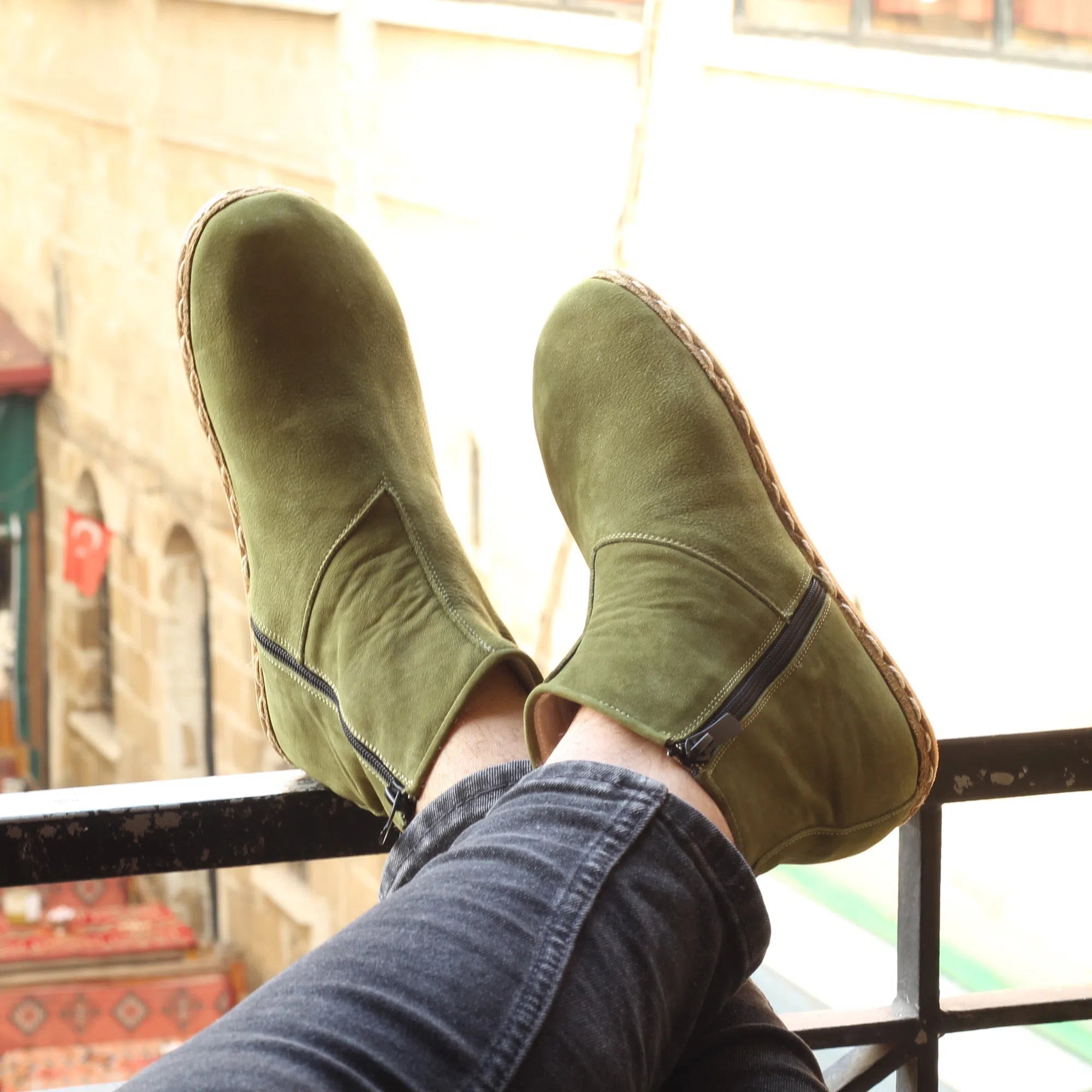
Full-grain leather remains especially relevant in barefoot footwear because it can be flexible, breathable, and remarkably long-lasting when chosen carefully. It also develops character with wear rather than looking tired after a few months. For a person who values individual style, that patina is part of the appeal. Your shoes should look like they have gone somewhere with you.
Natural buffalo leather soles are another example of a material choice with a different feel from mass-market rubber-and-foam construction. They offer a close-to-the-ground experience and a tactile connection with the surface beneath you. For those drawn to grounding practices, this material-forward approach can feel more aligned with an earth-connected lifestyle. It is not a substitute for medical care or a promise of a health outcome, but it is a meaningful choice for people who want less separation between their feet and the world.
There are trade-offs. Leather needs care, and it is not the preferred choice for every shopper. Plant-based and recycled alternatives may suit some values and uses better, though durability varies widely. The honest standard is not perfection. It is choosing materials that serve a purpose, endure daily wear, and do not pretend to be disposable.
Handmade Construction Is a Quiet Rebellion
One of the most compelling sustainable barefoot footwear trends is renewed respect for the hands behind the shoe. Factory speed has taught shoppers to expect endless styles at impossible prices, but low-cost production often hides its real cost in waste, weak construction, and anonymous labor.
Handmade footwear offers another path. Artisans can shape, stitch, inspect, and finish each pair with attention that automated volume production rarely allows. Small-batch work also makes it easier to avoid producing mountains of unwanted inventory. Instead of treating shoes as interchangeable units, handmade construction treats them as useful objects worth getting right.
This does not mean every handmade shoe is automatically sustainable. Material sourcing, shipping distance, packaging, and longevity still matter. But craftsmanship creates the conditions for a better relationship with what you own. A shoe that is made with care is easier to value, maintain, and wear repeatedly.
At Nefes Shoes, the focus on handcrafted footwear from Türkiye reflects this belief. A barefoot shoe can be a wellness-minded essential and a distinct piece of personal style. Those ideas do not have to compete.
Foot-Shaped Design Is Moving From Niche to Expectation
A sustainable shoe should not ask your foot to become smaller, narrower, or more elevated to fit into it. That is why wide toe boxes, zero-drop soles, and flexible construction are becoming central to the conversation, rather than specialist features for a small corner of the market.
A wide toe box gives toes space to splay naturally. A zero-drop design places the heel and forefoot on the same level, avoiding the forward pitch created by raised heels. Flexible soles allow the foot to move and sense the ground with fewer restrictions. Together, these principles can make daily walking feel less like balancing on a platform and more like using the feet you already have.
The sustainability connection is practical. When shoes feel comfortable, versatile, and true to your natural shape, you are more likely to wear them often. A beautifully made boot that works for errands, travel, casual workdays, and evenings out has a smaller place in your closet than four pairs bought for narrow occasions. The most sustainable pair is not merely made from better materials. It is the pair you reach for again and again.
Repair, Care, and Patina Are Back
For decades, footwear marketing has encouraged replacement. Scuffed? Replace it. Sole thinning? Replace it. Leather drying out? Replace it. But sustainable ownership means asking whether the shoe can be cleaned, conditioned, re-soled, or simply worn with pride.
This is especially relevant for leather barefoot shoes. Regular cleaning and occasional conditioning can help leather stay supple. Letting shoes dry naturally after rain or sweat, rather than placing them against direct heat, helps protect the material. Rotating between pairs can also give each shoe time to air out and recover.
Not every minimalist sole can be re-soled, and not every repair makes economic sense. That depends on the construction, the condition of the upper, and the repair skills available near you. Still, repairability is becoming a more useful purchasing question. Before buying, consider whether the shoe is stitched or heavily glued, whether the materials can age gracefully, and whether the design will still feel right after the first season.
Patina belongs in this conversation, too. A crease in leather is not a defect. It is evidence of movement. A softened upper is not failure. It is a shoe learning the shape of your life.
Fewer Pairs, Better Rotation
Minimalist wardrobes are influencing footwear choices, but the goal is not owning as little as possible. It is owning what you will genuinely use. A thoughtful barefoot rotation might include a flexible everyday shoe, a boot for cooler weather, a sandal for warm days, and a soft indoor option. Each pair should earn its space through comfort, durability, and versatility.
This is where style matters. People do not abandon conventional shoes only because they want healthier movement. They also want footwear that feels like them. Earthy leather tones, simple silhouettes, handcrafted details, and designs that move easily from jeans to linen to everyday layers are helping barefoot footwear feel less like a compromise.
Fashion should not require a pointed toe or a raised heel. Personal style has room for natural movement.
What to Look for Before You Buy
Sustainability claims deserve scrutiny. Look past words such as "eco" or "conscious" and examine the shoe itself. Does it have a foot-shaped design that you will want to wear frequently? Are the upper and sole materials clearly identified? Is the construction built for flexibility and longevity? Can you care for it without specialized products or constant replacement?
Also consider fit before making a final judgment. Barefoot shoes may feel different from conventional footwear because the toe box is wider and the sole is less structured. Some people transition gradually, particularly if they have spent years in stiff shoes with raised heels. Start with shorter walks, pay attention to how your feet and calves respond, and let your body adapt at a sensible pace.
The right sustainable barefoot shoe is not the one with the loudest claim. It is the one that feels honest in your hands, natural on your feet, and worthy of years rather than months. Choose shoes that leave room for your toes, your movement, and your values. Every step is a chance to demand better from what you wear.