Step into a rubber-soled sneaker after a long day and you can feel the difference immediately - trapped heat, damp socks, and that boxed-in feeling your feet never asked for. So, are leather soles breathable? In many cases, yes. Leather soles usually breathe better than dense synthetic soles because leather is a natural, porous material that can allow moisture vapor and heat to move out more easily.
That said, breathability is not magic, and it is not the same in every shoe. A leather sole can feel airy and comfortable in one design, then warm and restrictive in another. The real answer depends on the type of leather, how the shoe is built, what lines the inside, and how you wear it.
Are leather soles breathable compared to rubber?
If your baseline is a conventional shoe with thick foam, plastic components, glued synthetic linings, and a rubber bottom that seals everything in, leather often feels noticeably more alive. It does not create the same plastic barrier underfoot. Natural leather can absorb and release moisture, which helps reduce that swampy feeling many people get in mass-market shoes.
Compared to rubber, leather generally offers better moisture management, even if it is not literally ventilated in the way mesh is. That distinction matters. Breathability in footwear is often less about fresh air rushing in and more about whether heat and sweat can escape before they build up.
Rubber is durable and practical, but it tends to be less forgiving when your feet run warm. It can trap heat, especially in thick soles or fully enclosed shoe constructions. Leather, by contrast, works with the foot a bit more naturally. For people who care about dry comfort, odor control, and a more organic feel, that difference is hard to ignore.
Why leather soles can feel cooler on foot
The reason leather soles often feel breathable comes down to the structure of the material itself. Leather has natural fibers and pores. It is not a sheet of plastic. That gives it the ability to take in some moisture and then release it, instead of simply holding sweat against the foot.
This matters more than many people realize. Feet sweat. Even when you are not overheating, your feet are constantly producing moisture. If a shoe cannot manage that moisture, discomfort builds fast. Heat rises, friction increases, and odor usually follows.
A well-made leather sole can help buffer that cycle. It may not feel dramatically cool in the first five minutes, but over hours of wear, it often creates a steadier, drier environment. That is one reason traditional shoemaking kept coming back to leather long before modern synthetics took over the market.
There is also a sensory difference. Leather tends to feel less dead underfoot than synthetic compounds. For people drawn to barefoot and minimalist footwear, that matters. Natural materials can create a more connected, less insulated experience, which many wearers describe as lighter, freer, and more comfortable over time.
Breathable leather soles still have trade-offs
Here is where the honest answer matters. Yes, leather soles are breathable, but they are not always the best choice for every climate, every routine, or every person.
If you spend most of your time on wet pavement, leather soles can absorb water and take longer to dry. If the sole is very thick, heavily treated, or combined with non-breathable internal materials, some of the natural advantage gets reduced. If the upper is synthetic or the insole is foam-heavy, the shoe may still trap heat even with a leather outsole.
This is why shoppers sometimes get confused. They try one leather-soled shoe and assume all leather soles either breathe beautifully or do nothing at all. In reality, the entire construction matters.
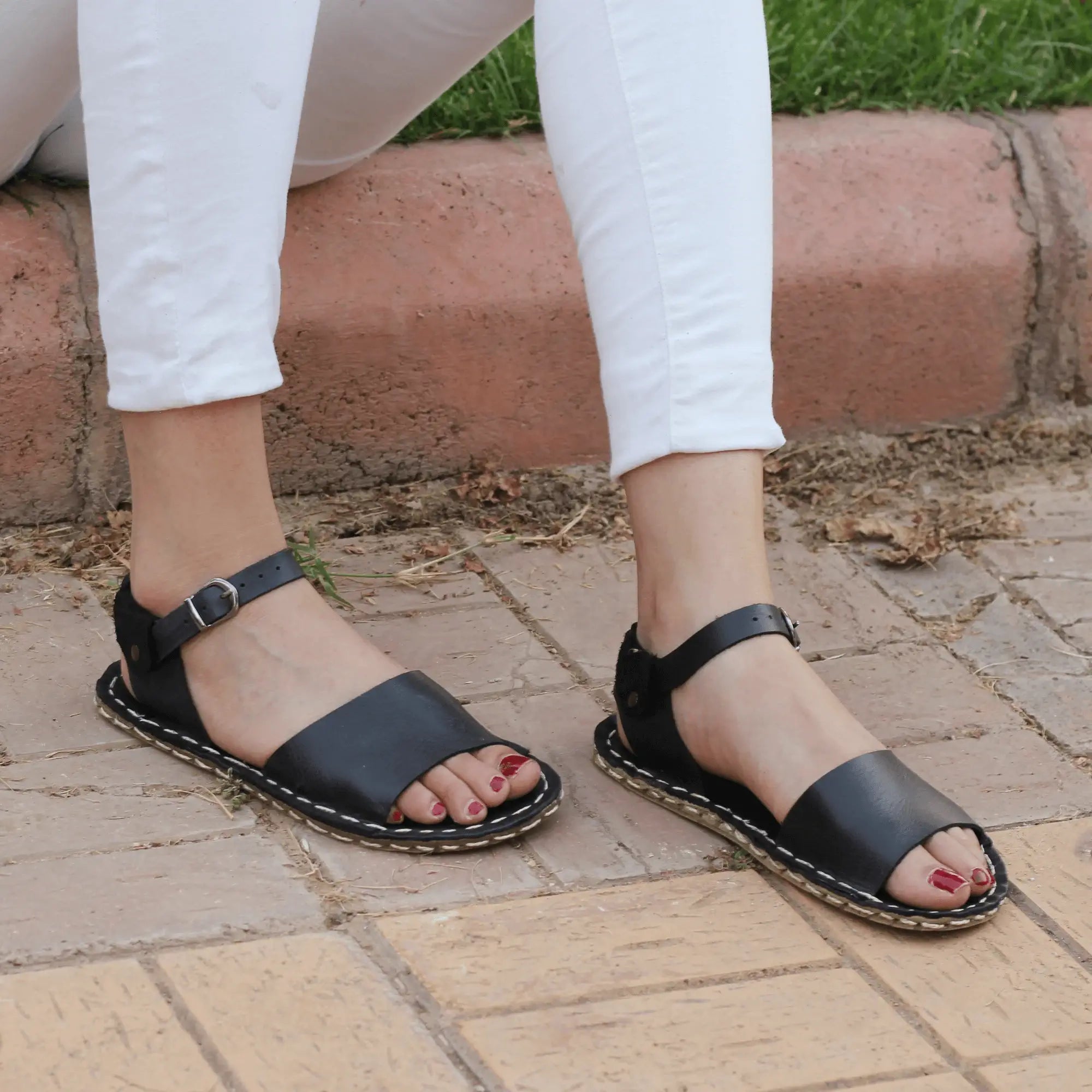
A stiff, heavily finished dress shoe with a leather outsole may still feel warmer than a more open, flexible leather sandal. A minimalist leather shoe with a wide toe box and unrestrictive build may feel dramatically better than a narrow conventional shoe, even if both use leather somewhere in the sole.
What affects how breathable a leather sole really is?
The type of leather
Not all leather performs the same way. Full-grain leather generally retains more of the natural character of the hide, while corrected or heavily coated leathers can behave differently. The more processed and sealed the material becomes, the less natural breathability you can usually expect.
Natural leather soles made from quality hide often perform better because they are less dependent on plastic-like finishes. When the material is allowed to stay closer to its original structure, it can manage moisture more effectively.
Sole thickness and flexibility
A thin, flexible leather sole often feels more breathable than a thick, rigid one. Thickness can add protection and durability, but it can also create more material for heat to move through. In minimalist footwear, thinner leather soles often help the foot feel less insulated and more responsive.
That is part of why handcrafted barefoot styles attract people who are tired of being separated from the ground by layers of foam and rubber. Less bulk can mean less heat retention.
The insole and lining
This is one of the biggest factors, and it gets overlooked constantly. A breathable leather sole paired with synthetic foam or polyester lining can lose much of its advantage. Your foot does not only interact with the outsole. It touches the footbed, the lining, and the upper.
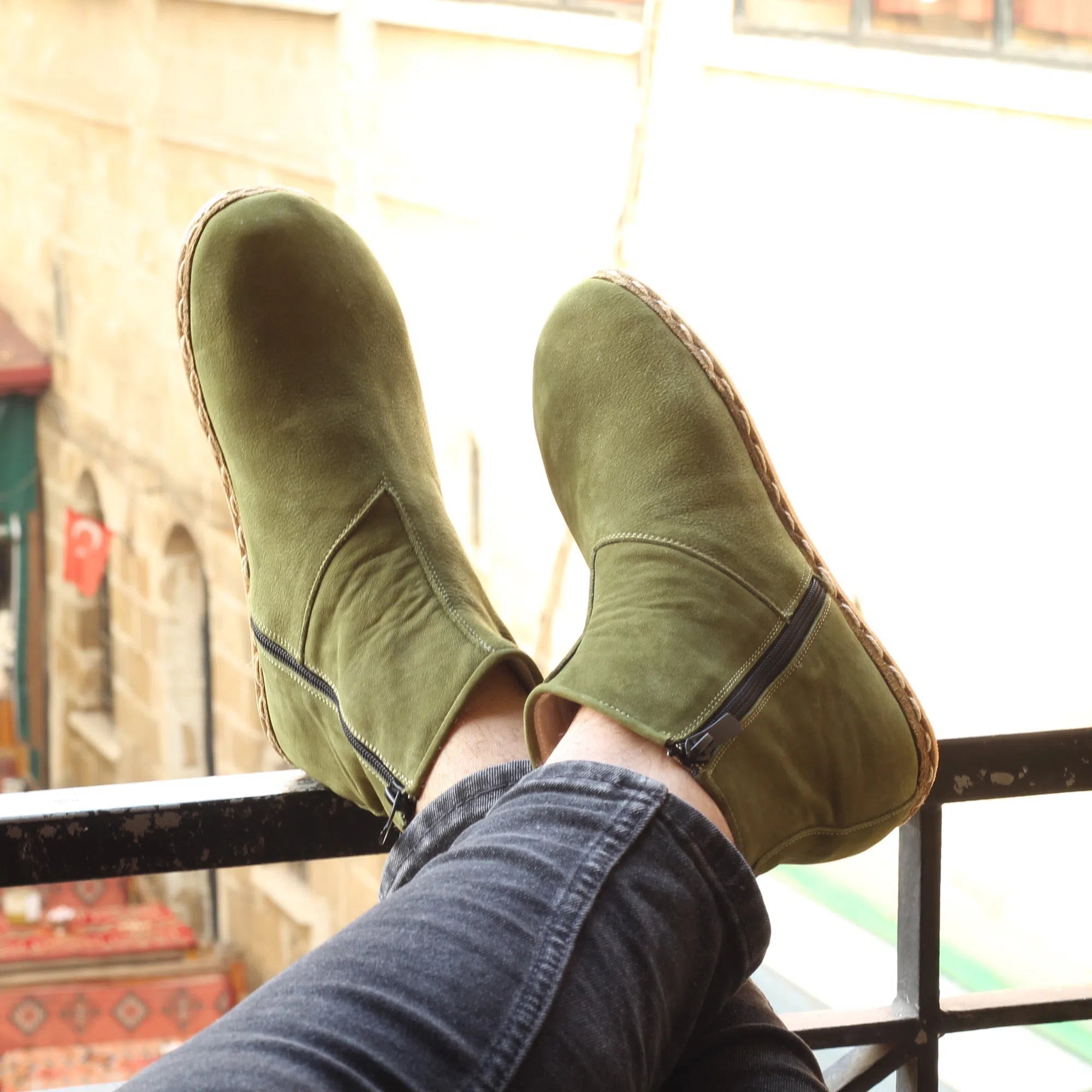
If those layers trap sweat, the shoe may still feel hot. All-leather interiors usually perform better because they help regulate moisture across the whole shoe, not just under the foot.
Toe box shape and overall fit
Tight shoes trap more heat. They also increase friction and pressure, which can make sweating worse. A shoe with a wide toe box allows more natural toe splay and more internal space for air and moisture movement.
This is one reason conventional narrow footwear often feels hotter than it should. The problem is not just the sole. It is the whole compressed environment.
Are leather soles breathable enough for everyday wear?
For many people, yes. Leather soles can be a strong everyday option, especially if you prefer natural materials and you are not walking through wet conditions all day. They tend to shine in moderate climates, indoor settings, dry urban wear, and daily routines where comfort and moisture control matter more than maximum weatherproofing.
They also appeal to people who are trying to get away from the overbuilt modern shoe. If your feet feel cooked inside thick athletic soles or plastic-heavy casual shoes, leather can be a real reset. The experience is different. Less sealed off. Less artificial. More in tune with how feet actually function.
For people interested in grounding and natural movement, leather has another advantage beyond simple breathability. It does not feel like an industrial barrier in the same way synthetic compounds often do. Combined with a flexible build, it can support a more direct relationship between foot, movement, and surface.
When leather soles may not be the best choice
If you need a shoe for constant rain, muddy terrain, or harsh abrasion, leather soles may ask for more care than you want to give. They can wear differently from rubber, and they do better when treated as natural materials rather than indestructible ones.
If your priority is pure grip on every surface in every condition, rubber often wins. If your priority is waterproof performance, leather soles are not the obvious first pick. Breathability almost always involves a trade-off. The shoes that seal everything out also tend to seal heat and moisture in.
That is the real decision point. Do you want maximum weather resistance, or do you want a more breathable, natural-feeling experience for daily life? For many people, especially those moving toward minimalist and wellness-focused footwear, leather is worth that trade.
How to get the most breathability from leather soles
Choose shoes with leather not just on the bottom, but throughout the construction where possible. Look for flexible builds, foot-shaped toe boxes, and minimal synthetic layers. Give the shoes time to dry between wears if you sweat heavily, and use natural socks or go sockless when the design allows.
It also helps to think seasonally. Leather soles can feel excellent in spring, summer evenings, early fall, and year-round indoor use. In very humid heat, an open leather sandal may outperform a fully enclosed leather shoe. Again, it depends.
For shoppers who want natural movement and a more breathable underfoot experience, handmade all-leather designs often offer the best balance. That is where craftsmanship matters. A thoughtfully built shoe respects the foot instead of forcing it into a hot, narrow shell.
At Nefes Shoes, that philosophy is simple: health begins with the feet, and feet do better when they can move, breathe, and feel the world beneath them a little more honestly.
If your shoes leave your feet sweaty, cramped, and disconnected, the problem may not be your feet at all. It may be the layers of synthetic material standing between your body and the way it was built to move.