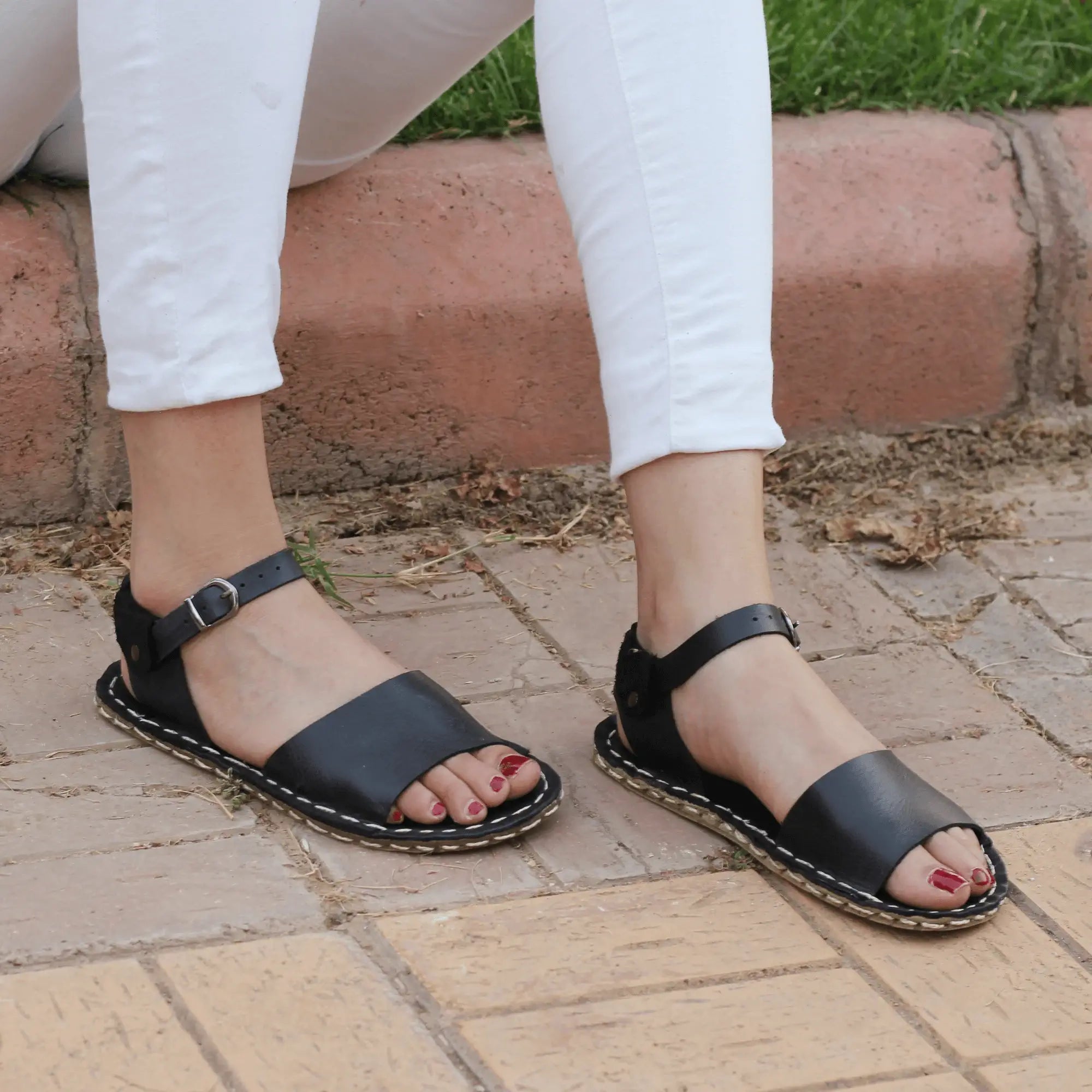
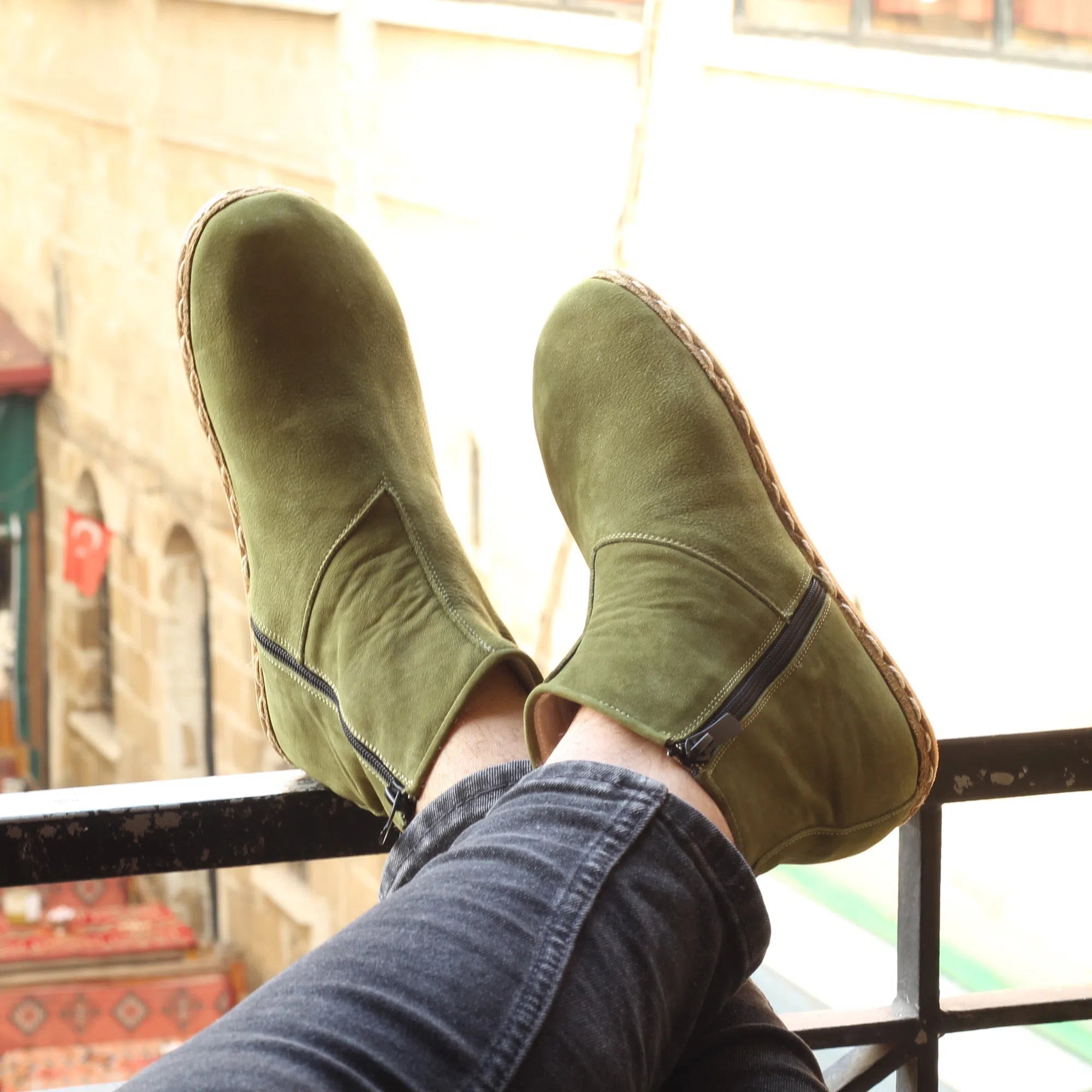
Most shoes ask your feet to adapt to them. A real handmade barefoot shoe guide starts from the opposite belief - your shoes should respect the shape, movement, and intelligence of your feet. If you are tired of narrow toe boxes, stiff soles, and raised heels that disconnect you from the ground, handmade barefoot shoes offer a different path.
They are not just a style choice. They are a structural choice. The best pairs support natural alignment, let your toes spread, and move with your body instead of trapping it inside a molded shape. When they are made by hand from natural leather, they also bring something mass-market footwear rarely can - breathability, character, and craftsmanship you can feel on day one.
What makes a handmade barefoot shoe different?
A barefoot shoe is built around foot freedom. That means a wide toe box, a zero-drop sole, and enough flexibility for the foot to bend and respond naturally as you walk. A handmade barefoot shoe adds another layer: careful construction, natural materials, and a fit that feels less industrial and more human.
This matters because many so-called comfort shoes still force the foot into a compromised position. They may add cushion, but they also add bulk, heel elevation, and toe compression. That combination can interfere with posture and natural gait. Barefoot design strips away those restrictions.
Handmade construction changes the experience further. When a shoe is shaped, stitched, and finished by skilled hands, details tend to serve function rather than factory speed. Leather can flex more naturally. The upper can soften with wear and adapt to your foot. The result often feels more alive than synthetic footwear made to look finished on a shelf but not necessarily improve with use.
The core features to look for in a handmade barefoot shoe guide
If you are shopping carefully, focus on what the shoe lets your body do.
Start with toe space. Your toes should be able to spread naturally when you stand and walk. This is not a minor comfort feature. Toe splay helps with balance, stability, and the way force moves through the foot. A cramped toe box can contribute to rubbing, pressure, and long-term frustration.
Then look at heel height. A true barefoot shoe is zero-drop, meaning the heel and forefoot sit level. This supports a more natural stance and can help reduce the forward pitch that raised heels create. Not everyone notices this right away, but many people feel the difference once they switch.
Flexibility is another key test. The sole should bend with the foot rather than acting like a platform under it. That does not mean the shoe must feel flimsy. It means your foot can articulate, sense the ground, and move the way it was designed to move.
Material quality matters just as much. Natural leather, especially full-grain or similarly durable cuts, offers breathability and a more adaptive fit over time. It can help reduce the hot, trapped feeling common in synthetic shoes. If the shoe also uses leather in the sole or lining, that can add to the natural feel and reduce the plastic barrier between your foot and the world.
Why handmade leather changes the feel
There is a reason people return to leather when they want shoes with character. Good leather does not just cover the foot. It responds to it. It softens where you flex, shapes where you need room, and ages in a way that reflects real wear rather than breaking down all at once.
For barefoot shoes, this is especially valuable. Minimalist footwear depends on responsiveness. A stiff synthetic upper can work against that goal, even if the sole is flat and flexible. Leather tends to create a more grounded, breathable experience, especially in daily wear.
The trade-off is that leather asks for some care. It may stretch slightly. It may show marks. It does not behave like foam-backed knit. But for many people, that is exactly the appeal. Handmade leather footwear feels honest. It wears in, not out.
Fit matters more than marketing
The biggest mistake shoppers make is assuming all barefoot shoes fit the same. They do not. Even if two pairs share the same basic principles, shape and volume can vary a lot.
Length is only one part of the equation. You also need to think about width, instep height, toe shape, and how the shoe closes around the foot. Some people need more vertical room across the top of the foot. Others need a fan-shaped toe box that truly accommodates natural toe spread.
A good fit should feel secure without squeezing. Your heel should stay in place, but your forefoot should not feel trapped. If your toes are pressing into the sides, the shoe is too restrictive, no matter how soft the leather looks.
If you are transitioning from conventional footwear, the right fit may feel unusual at first. Many people are so used to compression that proper toe room feels almost too open. Give yourself a moment to recognize the difference between unfamiliar and wrong.
The transition question most people ignore
A handmade barefoot shoe guide would be incomplete without one honest point: not everyone should switch overnight.
If you have spent years in thick cushioned shoes, elevated heels, or rigid arch support, your feet and lower legs may need time to adapt. Barefoot shoes ask more of the foot muscles. They also change how your body distributes impact and stabilizes itself.
That is not a flaw. It is the point. But it does mean your transition should match your current condition.
Start with shorter periods of wear, especially for walking on hard urban surfaces. Pay attention to calf tightness, foot fatigue, and overall comfort. Some people adapt quickly. Others do better increasing wear time gradually over a few weeks. If you have a history of significant foot pain or structural issues, a slower transition is the smarter move.
Grounding and the natural connection many shoes block
For some wearers, barefoot footwear is not only about mechanics. It is also about connection. Many conventional shoes wrap the foot in layers of synthetic material and thick rubber that create distance from the ground. Handmade minimalist shoes made with natural materials can feel very different.
This is where grounding becomes part of the conversation. People drawn to earthing practices often want footwear that reduces barriers between the body and the earth. While expectations should stay realistic and product-specific, the broader appeal is easy to understand. A thinner, more natural sole can create a stronger sensory relationship with the ground beneath you.
That sensory feedback changes how walking feels. You become more aware of texture, pressure, and movement. For many people, that awareness is calming. It encourages a slower, more natural stride instead of the heavy heel striking that bulky shoes often promote.
Style still matters, and it should
There is a tired myth that healthy footwear has to look awkward. That might have been true for some earlier minimalist brands, but it does not have to be true now.
Handmade barefoot shoes can carry a strong visual identity because craftsmanship gives them depth. Leather texture, hand-finished details, and cleaner silhouettes make it possible to wear natural footwear without looking like you gave up on personal style. Boots, moccasins, sandals, sneakers, and slippers can all follow barefoot principles while still feeling distinctive and well made.
This matters because daily wear is where foot health either gains ground or loses it. A shoe can have perfect design principles, but if it sits in the closet because it does not work with your life, it is not helping you. The best pairs are the ones you actually want to wear.
How to choose the right pair for your life
Think first about where and how you will wear them. A soft leather slipper for indoor grounding serves a different purpose than a boot meant for long city walks. A sandal may be ideal in warm weather, while a closed shoe offers more structure for all-day wear.
Then think about your priorities. If breathability is your biggest concern, natural leather and an open design may matter most. If posture and alignment are driving your search, zero-drop construction and stable fit should lead the decision. If you want the closest connection to the ground, focus on sole flexibility and material choices.
Do not shop only by trend terms. Words like minimalist, ergonomic, or natural get used loosely. Look at the actual construction. Is the toe box truly wide? Is the sole actually flat? Does the upper allow movement? Is the shoe made to age well, or just to photograph well?
That is where a brand like Nefes Shoes stands apart for shoppers who want both natural movement and artisanal leather craftsmanship. The details are not decoration. They are the function.
A better shoe asks less from your feet
The right handmade barefoot shoe does not force your body into compliance. It removes interference. It gives your toes room, keeps your posture more natural, and lets each step feel more connected and alive.
That is the real shift. Once your feet stop fighting the shoe, you notice how much effort bad footwear was demanding from you all along. Choose the pair that respects your movement, your materials, and your daily life, and your feet will tell you the difference.