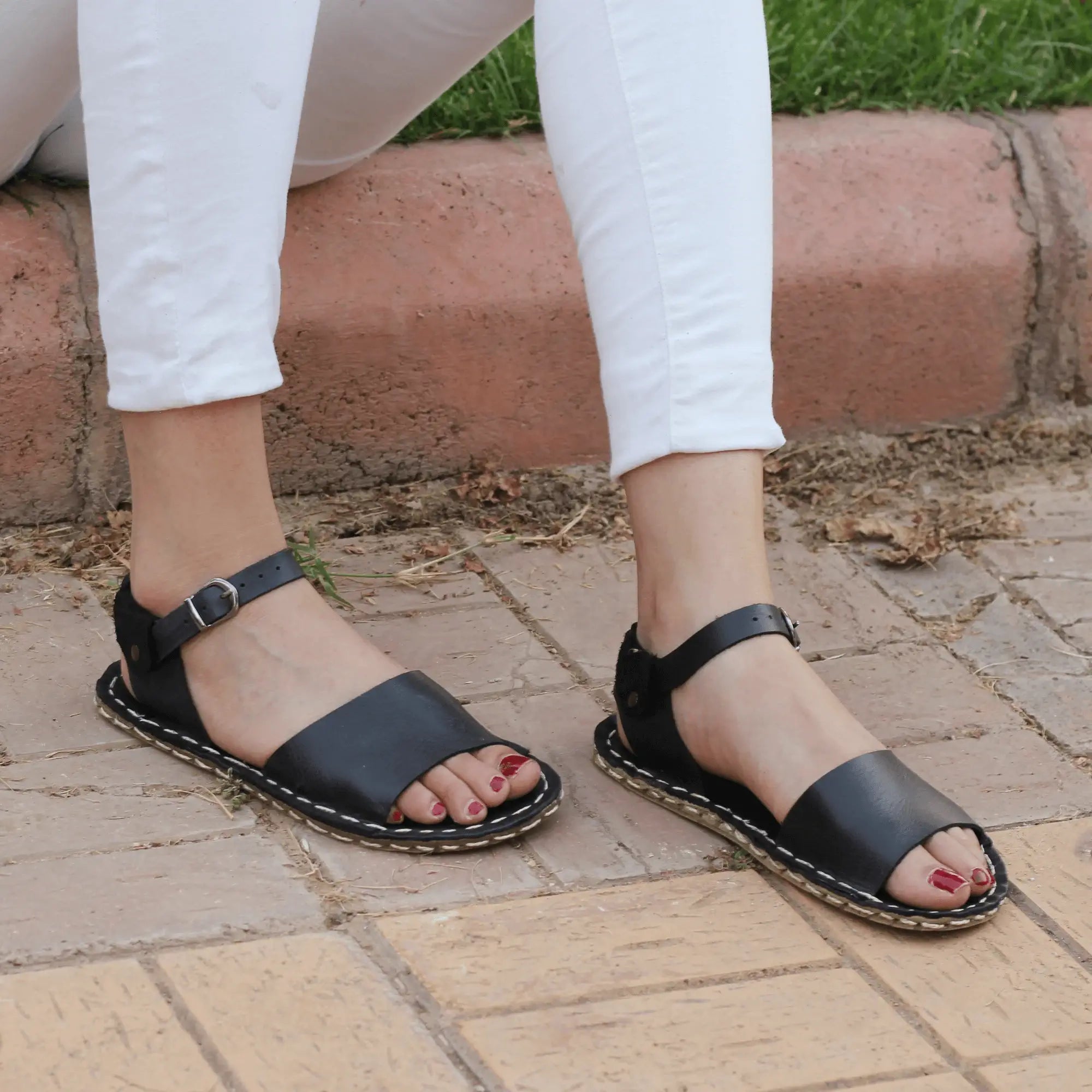
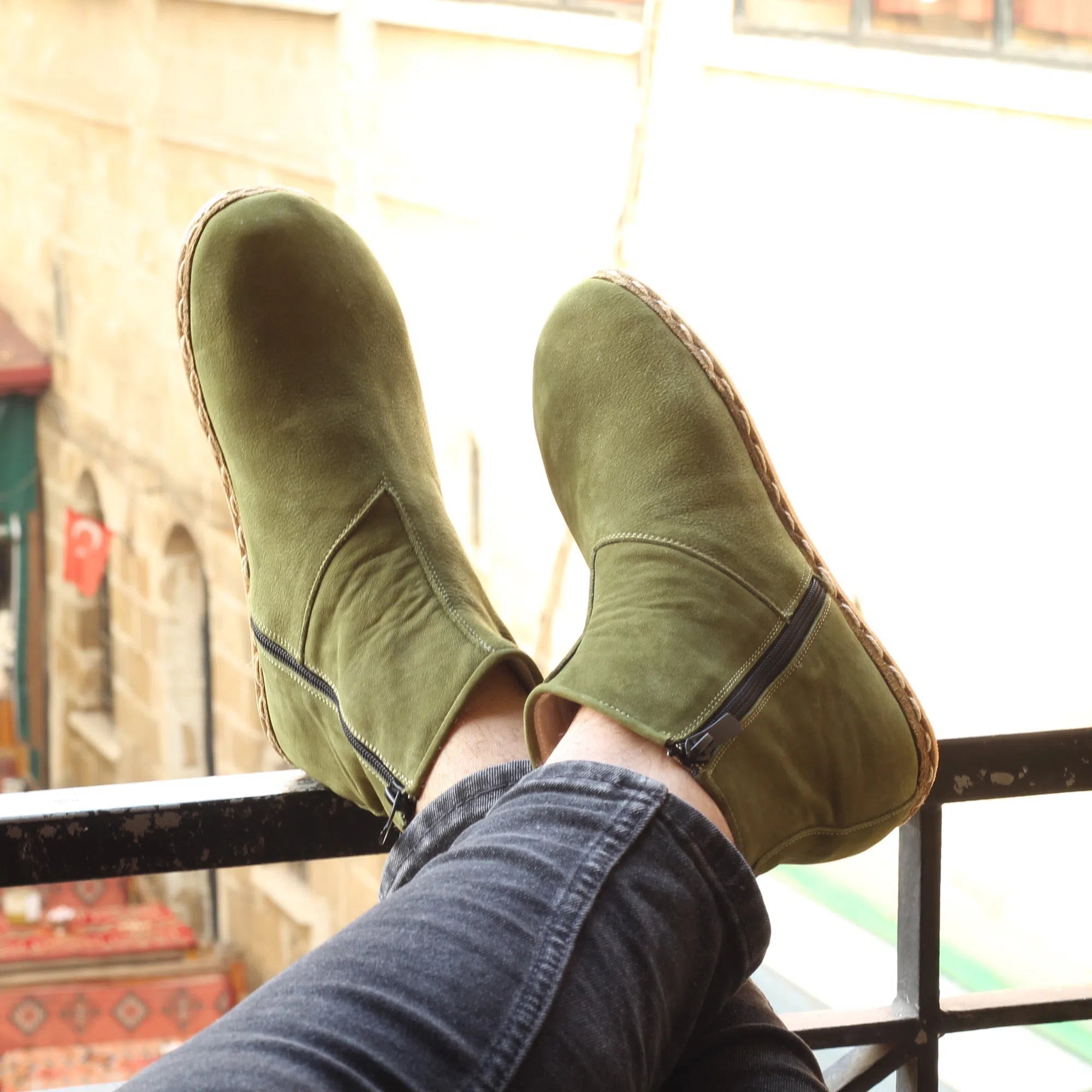
Most people think foot problems start and end at the foot.
A bunion is seen as a “toe issue.”
Foot pain is treated as something local.
Shoes are chosen for looks, cushioning, or short-term comfort.
But the human body doesn’t work in isolated parts.
It works in chains.
And when the chain breaks at the foot, the consequences travel upward — quietly, gradually, and often unnoticed — until they show up as knee pain, hip instability, lower-back tension, or chronic posture issues.
The Foot Is Not a Passive Object. It Is an Active Control System.
Your feet contain:
They are not designed to be squeezed into shape.
They are designed to spread, adapt, sense the ground, and guide movement.
The toes — especially the big toe — play a critical role:
-
They stabilize the foot during stance
-
They help control balance
-
They contribute to propulsion when walking
-
They send sensory feedback to the nervous system
When toes cannot spread and function naturally, the foot loses its ability to do its job.
What Happens When the Toe Box Is Narrow?
Narrow toe box shoes force the toes into an unnatural position.
The big toe is pushed inward.
The forefoot is compressed.
The foot’s natural tripod structure collapses.
This leads to:
But the real problem doesn’t stop there.
The Biomechanical Chain Reaction
When the foot loses stability, the body compensates — always upward.
-
Foot instability reduces ground control
-
Ankle mechanics become restricted
-
Knees begin to collapse inward or over-rotate
-
Hip stabilizers (especially the glute muscles) disengage
-
Pelvic alignment shifts
-
Lower back and posture absorb the stress
This is not theory.
This is basic human biomechanics.
Foot dysfunction does not stay in the foot.
It quietly rewires how you walk.
Why Bunions Are a Warning Sign — Not the Core Problem
A bunion is not just a cosmetic issue.
It is a visible signal that the foot’s mechanics have been compromised.
Treating the bunion alone — while continuing to wear restrictive shoes — is like fixing a crack in the wall while ignoring the broken foundation.
The foundation is movement.
And movement begins with space.
The Role of a Wide Toe Box
A wide toe box does something deceptively simple — and profoundly important:
It gives your toes room to exist as toes.
This allows:
-
Natural toe alignment
-
Proper weight distribution across the forefoot
-
Activation of foot muscles that are dormant in narrow shoes
-
Improved balance and proprioception
-
A more stable base for knees and hips
A wide toe box does not “fix” the body by itself.
But without it, nothing else can truly work.
It is a prerequisite.
Why Cushioning and Arch Support Are Not Enough
Modern footwear often tries to solve foot problems by adding:
These features may feel comfortable at first.
But they often replace function instead of restoring it.
When the shoe does the work, the foot forgets how.
True long-term improvement comes from allowing the foot to:
-
Move
-
Sense
-
Adapt
-
Strengthen
That requires space.
A Different Philosophy of Footwear
Shoes should not shape your foot.
They should respect it.
A well-designed wide toe box shoe:
Instead, it removes barriers.
It lets your body do what it evolved to do.
Why This Matters More as We Age
As we get older:
-
Muscle activation becomes more important
-
Joint stability becomes more fragile
-
Small inefficiencies accumulate into pain
Footwear that restricts natural movement accelerates this decline.
Footwear that restores space slows it down.
This is not about fashion.
It is about longevity of movement.
The Real Question Is Not “Is the Shoe Comfortable?”
The real question is:
“Does this shoe allow my body to function as a system?”
If the toes cannot spread,
the foot cannot stabilize,
and the body cannot move efficiently.
Everything starts at the ground.
Final Thought
A wide toe box may look like a small design choice.
But in the context of human biomechanics,
it is a fundamental decision.
One that affects not just your feet —
but how you stand, how you walk, and how your body carries you through life.