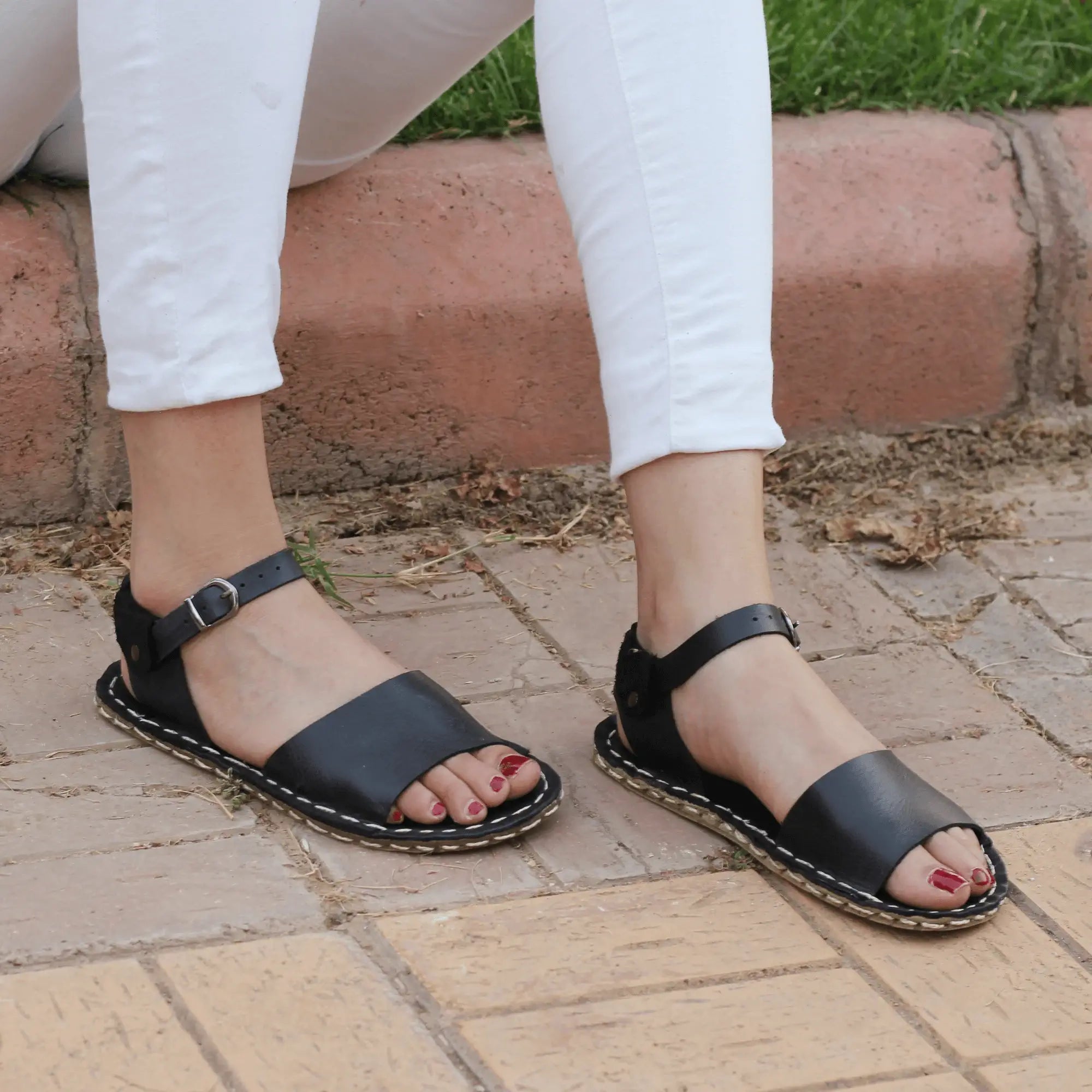
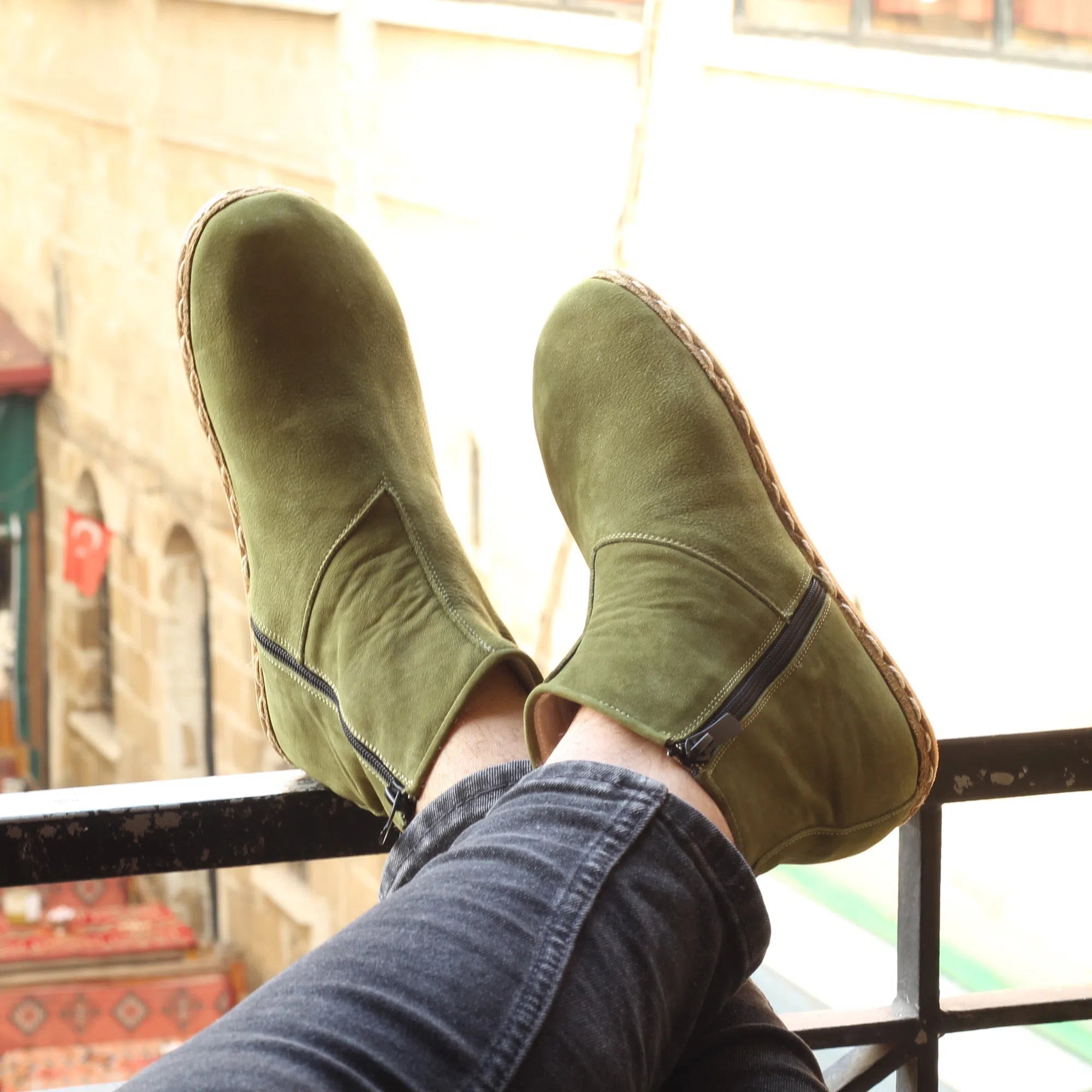
A barefoot shoe should not need to be conquered. But learning how to break in barefoot shoes is less about softening the shoe and more about giving your feet time to wake up. After years inside raised heels, narrow toe boxes, and thick foam, natural movement can feel unfamiliar - even when it is exactly what your body has been missing.
The goal is not to push through pain for the sake of a new wellness habit. The goal is to restore freedom gradually: toes that can spread, ankles that can move, and feet that can feel the ground beneath them. A smart transition lets you enjoy that freedom without turning your first week in barefoot shoes into a battle with sore calves, tender arches, or blisters.
Why Barefoot Shoes Feel Different at First
Conventional shoes often place the heel higher than the forefoot, narrow the toe area, and use cushioning to dull feedback from the ground. Barefoot shoes reject that formula. They are typically zero-drop, flexible, wide through the toes, and designed to let your foot move more naturally.
That difference is the point. It also explains why the transition takes patience.
When you remove a raised heel, your calves and Achilles tendon work through a different range of motion. When your toes are no longer squeezed together, the small muscles of the foot begin doing more of the stabilizing work they may have delegated to stiff soles and structured uppers. Thin, flexible soles also give you more sensory information from each step.
None of this means barefoot shoes are supposed to hurt. Mild muscle fatigue can happen as your body adapts. Sharp pain, numbness, ongoing joint pain, or worsening discomfort are signals to slow down and assess the fit.
How to Break In Barefoot Shoes Gradually
Start with short, low-stakes wear periods. Put your new shoes on around the house for 30 to 60 minutes, then take them off and notice how your feet, calves, and lower legs feel later that day and the next morning. If all feels normal, increase your time in them slowly over the following days.
For many people, an easy starting rhythm is one to two hours a day during the first week. Wear them while working at a standing desk, walking around the neighborhood, running errands, or doing light chores. These activities allow your body to practice natural movement without demanding too much distance or speed.
During week two, extend wear time if your body is responding well. You might use your barefoot shoes for a half day or add a longer walk on level ground. By week three or four, many people can wear them for most daily activities. But there is no prize for getting there fastest. If you have spent decades in supportive, high-heeled footwear, your transition may need more time.
Your feet do not care about a calendar. They respond to load. Let comfort, recovery, and consistency set the pace.
Begin With Walking, Not Intense Training
The first mistake is treating a new pair of barefoot shoes like a new pair of running shoes and immediately taking them on a long hike, a gym session, or a five-mile run. Even if you are fit, your feet and lower legs may not yet be conditioned for that kind of demand.
Walking is the foundation. Keep your first outdoor walks short and choose familiar, relatively even terrain. Pay attention to your stride. Many people naturally shorten their steps and land more gently once they can feel the ground. That is a good thing. You do not need to force a dramatic forefoot strike or change everything overnight.
Save running, steep hills, heavy lifting, court sports, and long-distance hikes for later. Those activities can work beautifully in minimalist footwear, but they require a stronger base. Build it first.
Make Sure the Fit Is Actually Right
Breaking in cannot fix a shoe that does not fit. Barefoot shoes should feel secure around the heel and midfoot while giving your toes room to spread. Your longest toe needs breathing room in front of it, especially if your feet swell slightly during the day or on longer walks.
Do not confuse a wide toe box with a loose shoe. The upper should not crush your toes, but your foot also should not slide forward or lift excessively at the heel. If the shoe feels painfully tight across the forefoot, pinches one toe, or creates immediate numbness, stop wearing it. That is a fit issue, not a normal adjustment phase.
Leather barefoot shoes may become more personal with wear because natural leather can relax and shape itself around the contours of your foot. It should adapt gently, not require you to stretch it through discomfort. Handmade leather footwear, including styles from Nefes Shoes, often becomes more supple after a few wears, while the natural flexibility and foot-shaped design do the real work from day one.
Wear the Right Socks, or Go Barefoot Slowly
If you usually wear socks, begin with the sock thickness you expect to use most often. A thick athletic sock can make a correctly fitted shoe feel tight, while a thin wool or cotton sock may offer useful friction control during the first few wears.
Going sockless can feel freeing, especially in breathable leather shoes, but do not rush it if you are prone to blisters. Start with short sessions. Keep feet clean and dry, and pay attention to any spot where the upper repeatedly rubs. A small hotspot is easier to address than a full blister.
Support the Transition Outside Your Shoes
Barefoot shoes are not a passive device. They invite your feet to participate. A few simple habits can help your body answer that invitation.
Spend a minute or two each day spreading your toes, lifting and lowering them, and gently rolling the sole of your foot over a soft ball. Calf raises, ankle circles, and controlled balance work can also help prepare the muscles that support your gait. You do not need an elaborate foot-training program. You need regular movement and attention.
It also helps to vary your day. If you sit for hours, take short movement breaks. If you stand all day, avoid making your first barefoot-shoe week a marathon on hard concrete. Natural footwear can support better body awareness, but it cannot erase the effects of suddenly doubling your walking volume.
Recovery matters too. Mild tiredness that resolves after rest is one thing. Persistent soreness that changes how you walk is another. Scale back your wear time, return to easier terrain, and allow your body to catch up.
Common Mistakes That Make the Process Harder
The most common mistake is doing too much too soon. A shoe may feel wonderfully comfortable the moment you put it on because your toes finally have room. That immediate comfort can tempt you into wearing it all day. Your feet may be happy, while your calves are not yet ready for the change.
Another mistake is expecting cushioning from a shoe designed to offer connection. Barefoot soles allow you to feel more of the surface beneath you. That sensory feedback encourages a lighter, more deliberate step, but it may feel intense on rough pavement at first. Choose smoother routes while you learn how your body responds.
Some people also keep gripping with their toes. Years in narrow shoes can create the habit of clawing the ground for stability. Try to relax your toes inside the shoe. Let them rest, spread, and contribute naturally rather than forcing them to hold on.
Finally, do not ignore an old injury or a major mobility limitation. If you have ongoing foot, ankle, knee, or Achilles concerns, a slower transition and guidance from a qualified health professional can be wise. Barefoot shoes are a different tool, not a universal shortcut.
Listen for the Difference Between Adaptation and Pain
A little awareness goes a long way. Healthy adaptation often feels like mild calf fatigue, a sense that your feet worked more than usual, or temporary tenderness after a longer walk. These feelings should settle with rest and should not become sharper from one day to the next.
Pain that is sharp, localized, swelling-related, or persistent deserves attention. So does tingling, numbness, or pain that alters your natural gait. Take time off, check the fit, and reduce the activity that triggered it. The strongest transition is not the one with the toughest attitude. It is the one you can sustain.
Barefoot shoes ask less of your feet in one sense: no cramped toes, no artificial heel lift, no stiff barrier between your body and the ground. But they also ask your feet to do their own job again. Give them room, give them time, and let every comfortable step become proof that freedom is worth practicing.