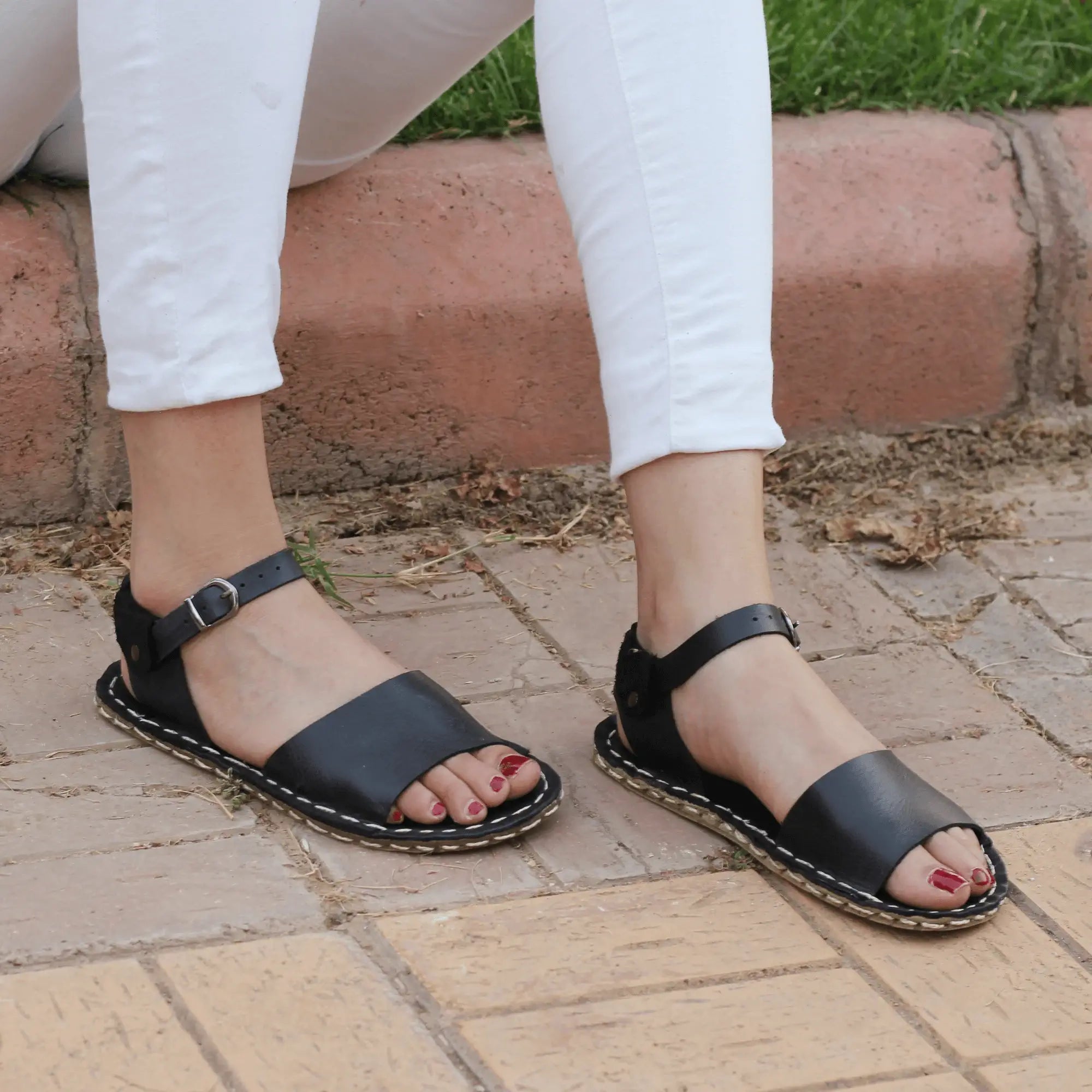
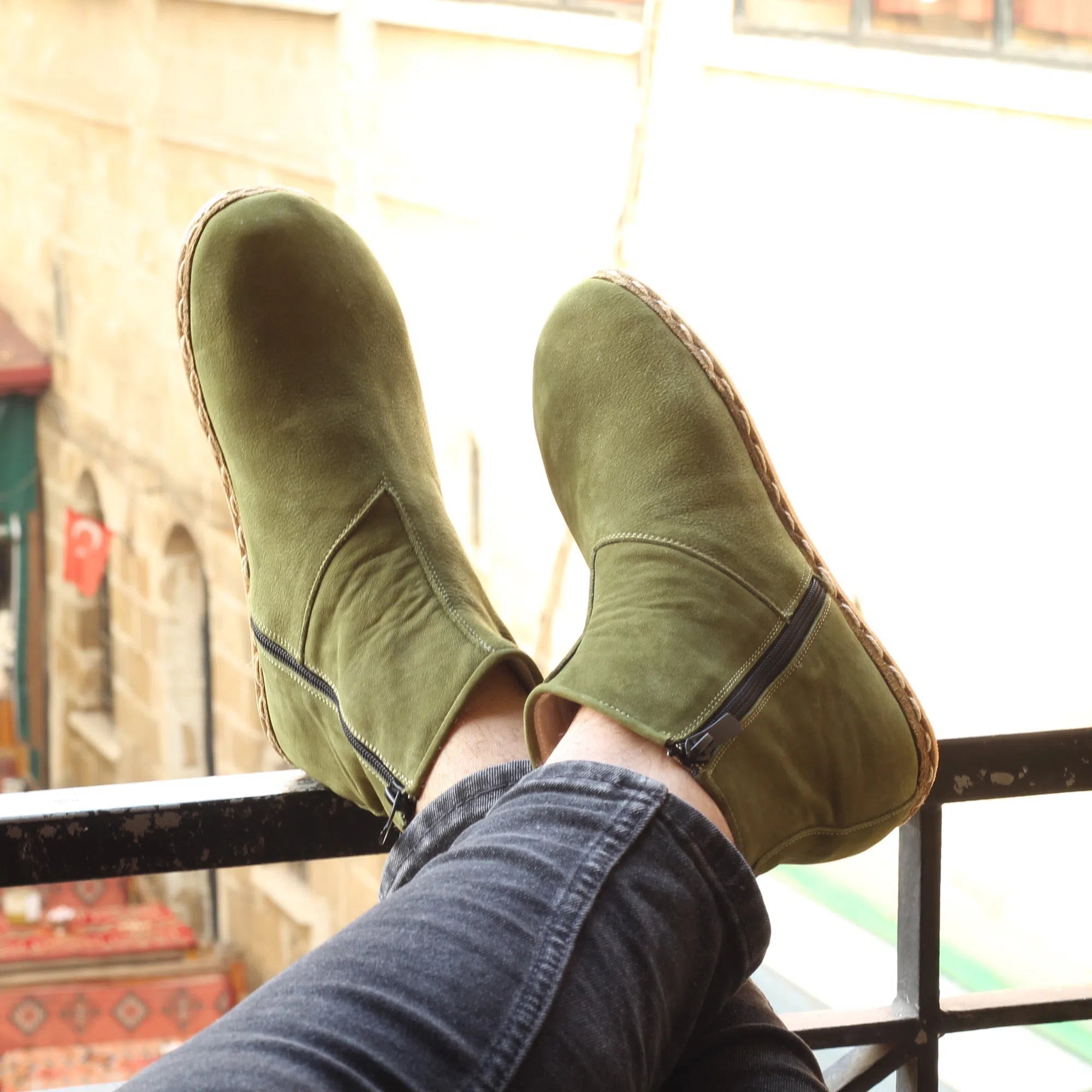
A shoe can look polished from the outside while asking your feet to do less and less inside it. That is the real difference in the barefoot shoes vs regular shoes conversation. It is not simply about thin soles or a trend toward more casual footwear. It is about whether your shoes let your feet spread, sense, flex, and carry you in the way they were built to.
For decades, conventional footwear has treated the foot like something that needs to be narrowed, lifted, padded, and controlled. Barefoot shoes challenge that idea. They remove many of the features people have come to accept as normal and make room for natural movement again.
Barefoot Shoes vs Regular Shoes: The Core Design Difference
Regular shoes often have a raised heel, a tapered toe box, a stiff sole, and built-in arch shaping. Those features can feel familiar, especially if you have worn them for years. But familiar is not always the same as natural.
Barefoot shoes are built around a different premise: the foot should be allowed to function rather than held in a fixed shape. A well-designed barefoot shoe typically has a wide toe box, a zero-drop platform, a flexible sole, and a light overall feel. Instead of forcing the toes toward a point, it gives them room to spread. Instead of raising the heel above the forefoot, it keeps the foot level from heel to toe.
That level position matters because heel elevation can shift the body forward. The higher the heel, the more your ankles, knees, hips, and back may have to compensate. A zero-drop shoe does not guarantee perfect posture, but it removes a built-in slope that can affect how you stand and walk.
The sole is another major contrast. Many regular shoes place thick foam, rigid rubber, and multiple layers between you and the ground. That can soften impact, but it can also reduce feedback from the surface beneath you. Barefoot footwear uses a thinner, flexible sole so the foot can bend and respond more naturally with each step.
Why Toe Space Is More Than a Comfort Feature
Your toes are not supposed to live stacked together in a narrow triangle. They are meant to spread for balance, stability, and propulsion. Yet many dress shoes, athletic shoes, and fashion boots taper toward the front because the silhouette is considered sleek.
A narrow toe box may feel fine for a short fitting-room walk, then become a problem after a full day of standing, commuting, or traveling. Pressure at the front of the shoe can lead to rubbing, hot spots, cramped toes, and a sense that you cannot wait to take your shoes off.
Barefoot shoes use a foot-shaped toe box rather than a shoe-shaped one. This does not mean they have to look bulky or unfinished. Thoughtful construction can give toes room while keeping the shoe refined enough for everyday wear. That is where handmade footwear has an advantage: the shape, leather, stitching, and finish can work together rather than relying on a generic mass-market mold.
Natural leather can also make a difference in daily comfort. Quality leather gradually conforms to the wearer, offers breathability, and develops character rather than simply wearing out. It is a material with life in it, not a sealed synthetic shell around your feet.
Cushioning Feels Good, but It Has a Trade-Off
Regular shoes are often sold on maximum cushioning. For some activities and some people, cushioning can be useful. If you are recovering from an injury, have a specific medical need, or spend time on hard industrial surfaces, more protection may be appropriate. Footwear is not a one-rule-fits-all decision.
Still, more cushioning is not automatically better. When a sole is very thick and stiff, it can dull the information your feet receive from the ground. Your feet contain a dense network of nerves and small muscles that help you adjust to changing surfaces. A flexible sole allows those systems to participate instead of asking the shoe to make every decision.
This is why barefoot shoes can feel surprisingly alive. You may notice texture, slope, and changes in terrain that thick sneakers blur out. At first, that sensation can be unfamiliar. Over time, many people come to appreciate feeling more connected to their stride rather than insulated from it.
For people drawn to grounding practices, a natural leather sole adds another layer to the experience. The idea is simple: less synthetic separation between your body and the earth can make a walk outdoors feel more direct and intentional. Grounding footwear should not be treated as a substitute for medical care, but many people value it as part of a slower, more body-aware way of living.
Regular Shoes Can Change How You Move
The problem with conventional shoes is not that every pair is harmful or that anyone who wears them is doing something wrong. The issue is the cumulative effect of design choices that restrict the foot day after day.
A raised heel can encourage a shorter stride and alter ankle position. A stiff sole can reduce how much the foot bends. A narrow front can limit toe splay. Heavy construction can make the foot work around the shoe instead of with it. Put those features together, and a shoe becomes more like a brace than a second skin.
Barefoot shoes invite a different relationship with movement. The feet can flex, the toes can participate, and the body can learn to manage the ground with more awareness. People often choose them because they want less foot fatigue, more room in the forefoot, better balance, or simply relief from shoes that feel restrictive by lunchtime.
But natural movement is a practice, not a switch. If your feet have spent years inside structured shoes, they may need time to adapt.
Transition Slowly and Let Your Feet Relearn
One of the biggest mistakes people make is replacing every shoe with a minimalist pair and immediately walking ten miles. Barefoot shoes can ask more of the muscles in your feet, calves, and lower legs because they remove heel lift and heavy support. That is a feature, but it also means your body needs a sensible adjustment period.
Start with short walks, errands, or a few hours around the house. Pay attention to how your arches, calves, Achilles tendons, and soles of your feet feel the next day. Mild muscular fatigue can be part of adaptation. Sharp pain, persistent pain, numbness, or worsening symptoms are signs to slow down and seek guidance from a qualified health professional.
Your walking style may change, too. Many people find that shorter, lighter steps feel better in flexible, low-profile shoes. You do not need to force a dramatic new gait. Let comfort, control, and gradual exposure lead the process.
Which Shoe Is Right for You?
The best choice depends on your lifestyle, current comfort, terrain, and health history. Regular shoes may still have a place in your closet for specialized work requirements, certain sports, formal events, or situations where extra protection is needed. The goal is not to turn footwear into a purity test.
But for daily life, a barefoot design offers something conventional shoes rarely do: freedom. Freedom for the toes to spread. Freedom for the foot to flex. Freedom from the assumption that comfort requires a thick, synthetic platform and a lifted heel.
At Nefes Shoes, that freedom is expressed through handmade leather footwear designed to feel grounded, breathable, and personal. The point is not to make your feet disappear inside another generic shoe. It is to let them be feet again.
Choose the pair that makes you more aware of your body, not less. Your feet carry every plan, every errand, every quiet walk, and every long day. They deserve shoes that give something back.