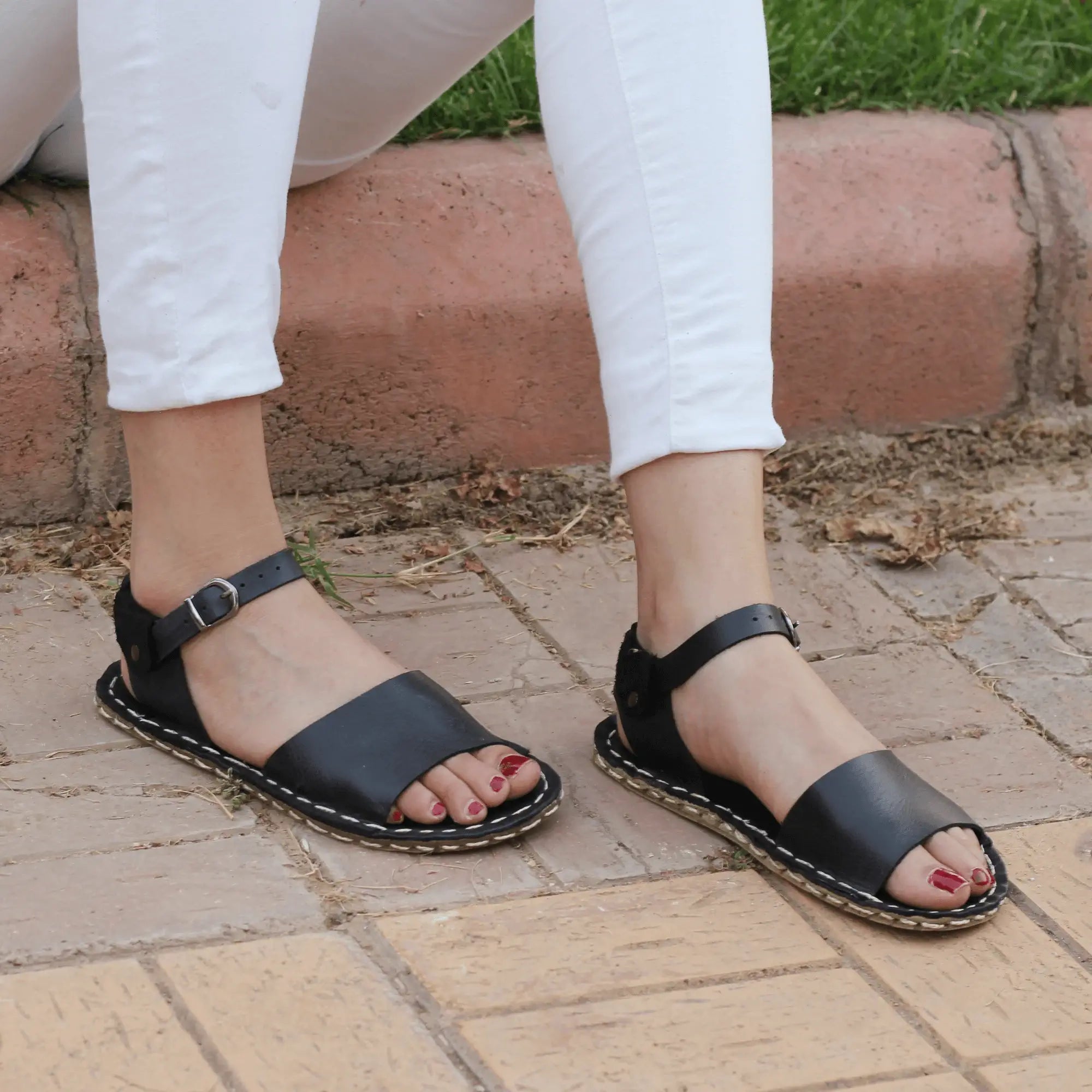
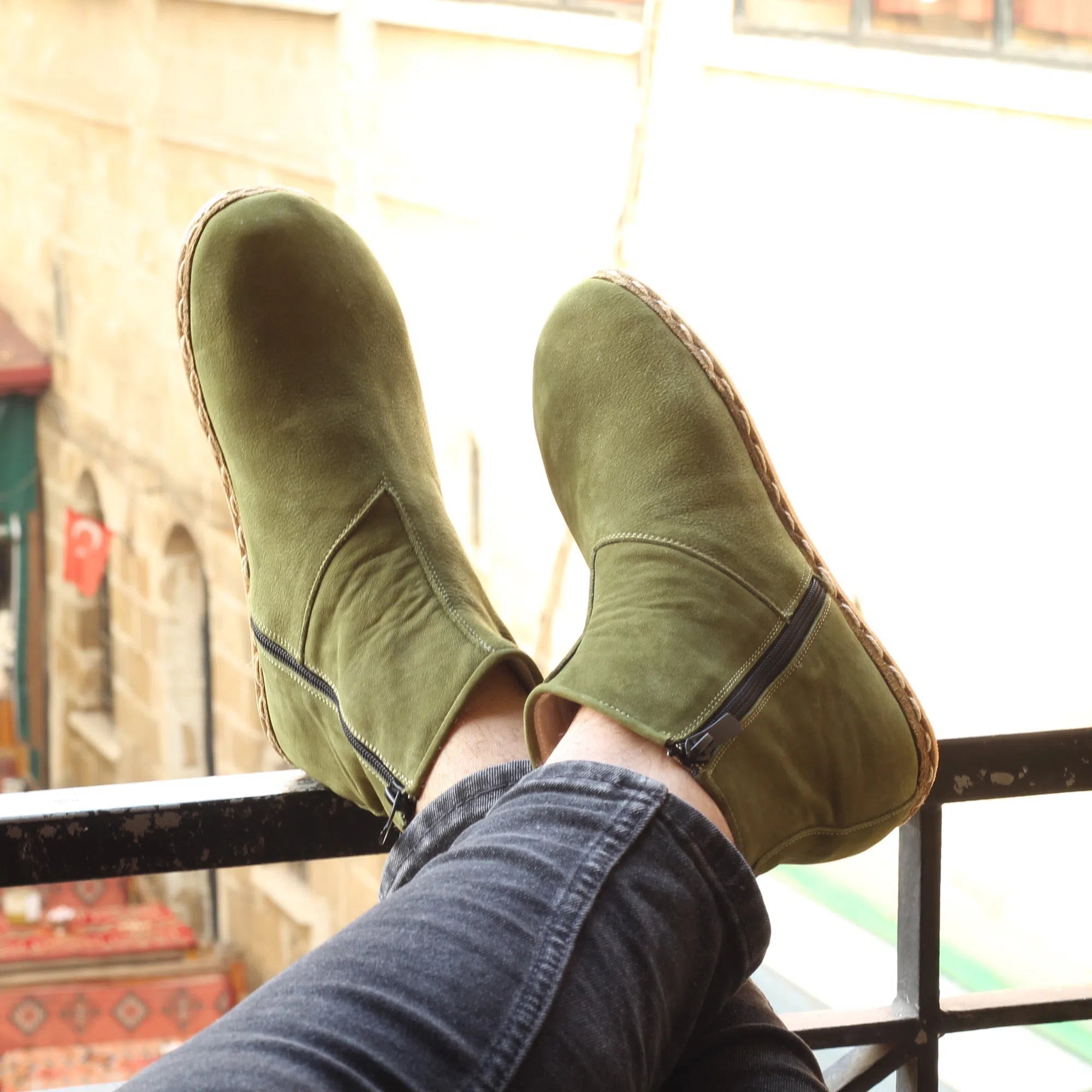
Most shoes ask your feet to behave. They squeeze the toes, lift the heel, stiffen the sole, and then call that support. Handmade minimalist shoes take the opposite view. They let the foot do what it was built to do - spread, flex, stabilize, and feel the ground.
That difference is not small. It changes how you stand, how you walk, and how your body carries weight from the ground up. If you care about alignment, comfort, breathability, and a more natural connection between body and earth, the way a shoe is made matters just as much as the way it looks.
What handmade minimalist shoes actually do differently
A true minimalist shoe is not just thinner or lighter than a standard sneaker. It follows a very different set of principles. The sole stays flat from heel to toe, often called zero-drop. The toe box gives your toes room to spread instead of pressing them into a narrow shape. The upper bends with the foot instead of forcing it into a rigid shell.
When that design is made by hand, another layer of value appears. Handmade construction tends to be more deliberate. The materials are chosen for feel, durability, and breathability rather than production speed. Stitching, leather selection, and finishing are treated as part of the shoe's function, not just its appearance.
Mass-market footwear is built around uniformity. Handmade footwear is built around use. That is a major distinction for people who are tired of shoes that look fine on a shelf but feel wrong after a few hours.
Why your feet respond better to less shoe
The modern shoe industry has spent decades selling the idea that more structure solves more problems. More cushioning. More arch support. More control. But for many people, all that intervention comes with trade-offs. Toes lose space. Foot muscles do less work. Balance cues from the ground get dulled.
Handmade minimalist shoes strip away much of that interference. They encourage the foot to move naturally, which can help restore strength and awareness over time. For some wearers, that means better posture and less fatigue. For others, it means fewer pressure points, less rubbing, and relief from the cramped feeling of conventional shoes.
That said, less shoe is not the same as instant comfort for everyone. If you have spent years in thick soles and raised heels, transition matters. Your calves, arches, and feet may need time to adapt. A well-made minimalist shoe helps because it supports natural motion without the plastic stiffness and synthetic heat that can make the adjustment harder.
Handmade minimalist shoes and the shape of the foot
Most feet are not the shape of standard shoes. Standard shoes are often tapered at the front, raised at the heel, and structured to hold the foot in place. That design may look familiar, but familiar does not mean natural.
A wider toe box changes the experience immediately. Toes can spread on landing and stabilize during movement. That natural splay helps with balance and pressure distribution. Instead of forcing the big toe inward, the shoe allows the forefoot to act like a foundation.
Zero-drop construction matters too. When heel and forefoot stay level, the body is not pushed forward. Many people notice the effect in posture first. Standing can feel more even. Walking can feel smoother. The foot meets the ground in a way that feels less manufactured and more honest.
This is where handcrafted footwear has an edge. A handmade leather upper tends to soften and shape itself to the foot over time. It does not just contain the foot. It starts to work with it.
Why leather still matters
Not all natural materials are equal, and not all leather shoes are made with the same intention. In the best handmade minimalist shoes, leather is not there for a polished look alone. It plays a practical role in comfort and performance.
Good leather breathes better than many synthetic uppers. It helps regulate moisture, which can reduce sweat buildup and the stale, overheated feeling common in plastic-heavy footwear. It also tends to age with character instead of simply breaking down.
Leather can also create a more grounded feel underfoot, especially when paired with natural sole materials. For people drawn to earthing or grounding practices, this matters. The shoe becomes less of a barrier and more of a bridge. That idea may sound unusual to those used to foam and rubber stacked thick under every step, but many people feel the difference as soon as they switch.
There is a trade-off, of course. Leather requires care. It should be conditioned when needed and allowed to dry properly after wear. But for buyers who value long-term comfort over disposable convenience, that is usually a worthwhile exchange.
Craftsmanship is not just aesthetic
People often talk about handmade shoes as if the benefit is mostly visual. The stitching looks better. The finish feels richer. The design has more personality. All of that can be true, but craftsmanship goes deeper.
A handcrafted shoe reflects decisions that affect movement. How flexible is the sole? How does the leather bend at the forefoot? Does the heel collapse naturally without rubbing? Does the shoe feel alive under the foot or dead and overbuilt?
These questions matter because minimalist footwear has less room to hide bad design. In a heavily cushioned shoe, bulk can mask flaws for a while. In a minimalist shoe, every material choice is more obvious. If the leather is cheap, you feel it. If the sole is stiff, you notice it. If the shape is wrong, your feet tell you quickly.
That is why careful handmade construction stands out. It allows a simpler shoe to perform better because nothing important is treated like an afterthought.
Who benefits most from handmade minimalist shoes
These shoes appeal to people who are done compromising between health and style. They make sense for those who want better toe freedom, lighter movement, and more breathable natural materials. They also speak to anyone frustrated by synthetic shoes that trap heat, hold odor, or feel disconnected from the body.
They are especially compelling for people already interested in barefoot living, posture, mobility, and grounding. If you think of footwear as part of a wellness practice rather than just an accessory, handmade minimalist shoes fit naturally into that mindset.
Still, they are not identical for every lifestyle. Someone walking city sidewalks all day may want a different sole feel than someone using them mostly for casual wear or indoor-outdoor daily movement. Climate matters too. So does personal sensitivity underfoot. Minimalist is a spectrum, and the right pair depends on how much ground feel you want and how ready your feet are for it.
Style matters too, and it should
There is a tired myth that healthy shoes must look orthopedic or overly technical. That myth deserves to be retired. A well-designed minimalist shoe can be striking, understated, and distinctive at the same time.
Handmade styles often avoid the bulky athletic look that dominates conventional comfort footwear. Instead, they lean on clean lines, natural textures, and a shape that feels timeless rather than trend-chasing. That makes them easier to wear across different settings, from daily errands to casual work environments to travel.
For many buyers, this is the turning point. They may come for foot health, but they stay because the shoes actually fit their personal style. Comfort meets fashion only when design respects both the body and the eye.
Brands like Nefes Shoes understand this balance. The goal is not to make shoes that merely avoid harm. The goal is to make shoes that feel freeing, look distinctive, and reconnect you to a more natural way of moving.
What to look for before you buy
If you are shopping carefully, pay attention to shape, materials, and flexibility before anything else. A true minimalist shoe should have a foot-shaped toe box, a flat sole, and enough flexibility to move with you. If it looks narrow, heavily padded, or structured around heel elevation, it is probably borrowing minimalist language without delivering the real benefit.
Look closely at what touches your foot and what touches the ground. Natural leather uppers, thoughtful construction, and quality sole materials usually produce a more breathable and durable experience than synthetic alternatives. Handmade details are worth noticing because they often reflect whether the shoe was designed for actual long-term wear or just fast online appeal.
And be honest about transition. If your current shoes are thick, stiff, and supportive in the conventional sense, start gradually. Wear minimalist shoes for shorter periods, let your feet adjust, and pay attention to how your body responds.
The best shoe does not force your foot into someone else's idea of support. It gives your body room to remember what natural movement feels like, one step at a time.