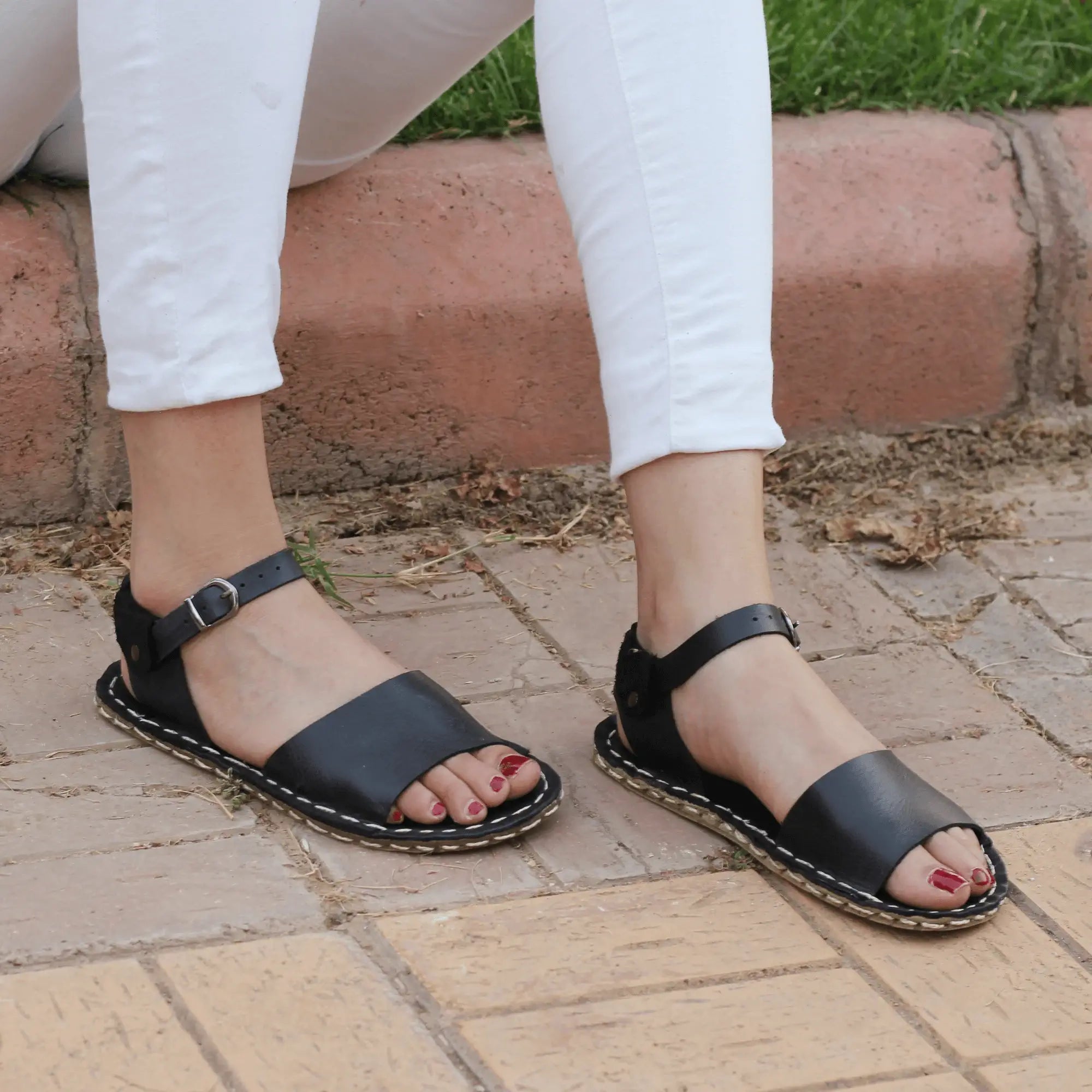
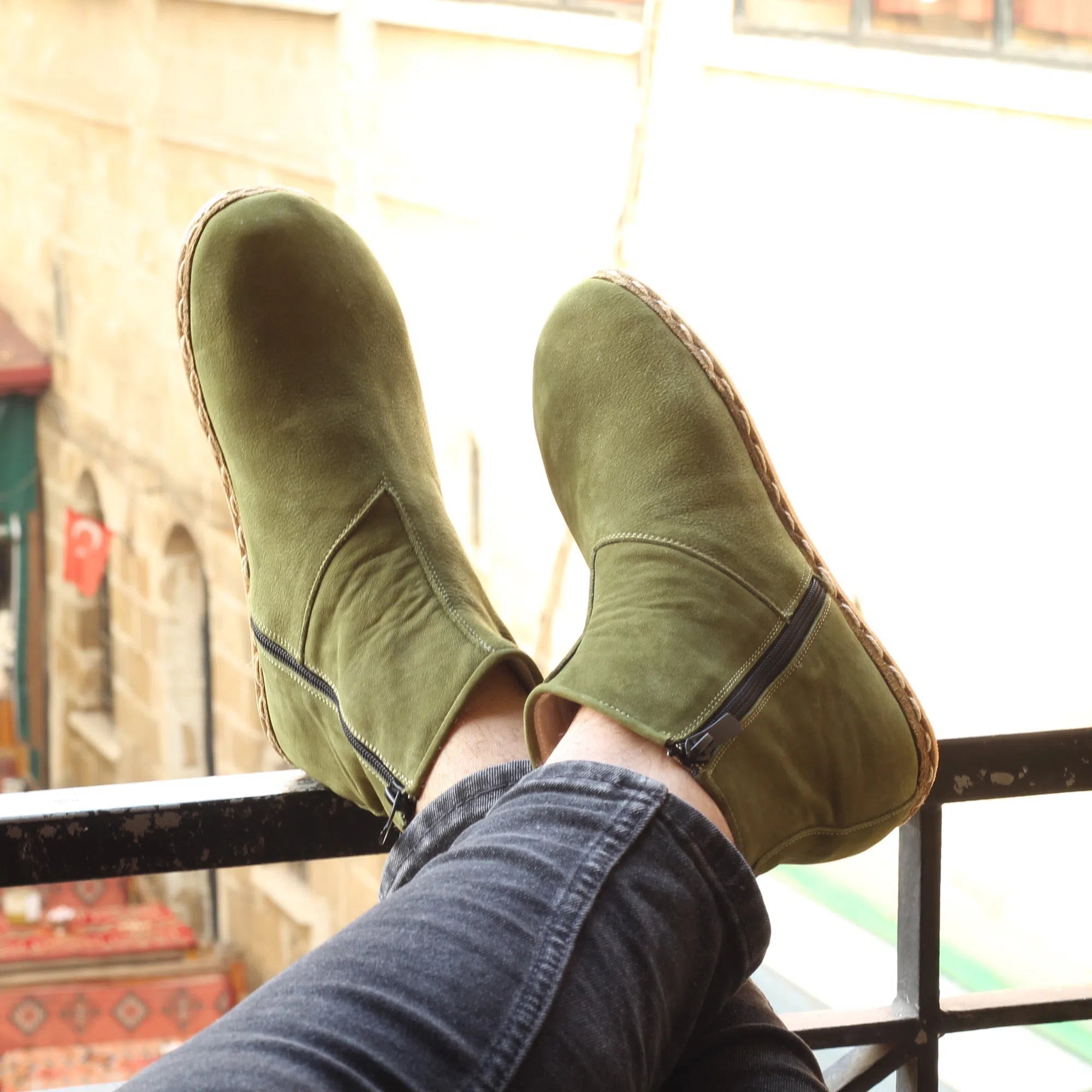
Your feet do not stop needing room simply because you are home. The best wide toe box slippers let your toes spread, shift, and relax instead of squeezing them into a soft version of the same narrow shoe you wore all day. That difference matters when your goal is real comfort, natural movement, and a home shoe that feels good long after the first step.
Conventional slippers often look cozy, but many are built on tapered shapes, thick synthetic foam, and raised heels. They may feel plush at first, yet they can crowd the forefoot, trap heat, and leave your feet doing less of the work they were designed to do. A better slipper respects the full shape of the foot - from heel to smallest toe.
What Makes the Best Wide Toe Box Slippers Different?
A wide toe box is not just a wider-looking front. It is a foot-shaped space that allows the toes to sit side by side rather than being pushed together. Your big toe should not angle inward to fit the slipper. Your pinky toe should not be folded beneath the upper. When you stand, your toes should have room to splay naturally for a more stable, grounded base.
That freedom can feel surprisingly different if you have spent years in narrow footwear. At first, a properly shaped slipper may appear roomy because it is not forcing your foot into a pointed silhouette. That is the point. Feet are widest at the toes, and slippers should honor that anatomy rather than fight it.
The strongest options also avoid a raised heel. A zero-drop slipper keeps the heel and forefoot at the same height, supporting a more natural standing position around the house. There is no need to elevate your heel to make a slipper comfortable. For many people, the flatter the platform and the more freely the toes can move, the more relaxed the whole foot feels.
Look for a Foot-Shaped Fit, Not Just a Wide Size
“Wide” can be misleading. Some brands add a little volume over the top of the foot while keeping a narrow, tapered toe area. Others offer wide sizes but use conventional shoe molds that still guide the big toe toward the center. If natural toe movement is your priority, the outline of the sole matters as much as the listed width.
Check whether the slipper gives visible room around the big toe and pinky toe. A good fit lets the forefoot settle without pressure along either side. It should feel secure at the heel and midfoot, but never tight across the toe knuckles.
Fit also depends on your foot shape. People with a high instep need enough upper volume, while those with lower-volume feet may prefer an adjustable closure or a more structured moccasin-style upper. If you wear toe socks, use orthotics, or deal with swelling later in the day, leave enough space for those realities instead of sizing down for a snug look.
A quick at-home fit check
Stand in the slippers rather than judging them only while seated. Let your weight settle, then gently lift and spread your toes. You should be able to move them without bumping the front or sides. Walk across a hard floor, turn, and stand on one foot. The slipper should stay with you without gripping your toes to do so.
A little extra length is usually better than a cramped front edge. Your toes need clearance when you walk, especially if the upper is leather and will gradually conform to your foot.
Choose Natural Materials That Let Feet Breathe
The material around your foot changes the experience as much as the shape beneath it. Synthetic fleece and plastic-based linings can be warm, but they often hold moisture and odor. If your feet run hot, that cozy feeling can quickly become clammy.
Leather is a compelling choice for wide toe box slippers because it is durable, breathable, and able to soften with wear. Quality leather does not feel identical to foam. It has character. It warms to your foot, develops a personal fit, and can offer structure without the stiff, boxed-in sensation of many house shoes.
For a more natural indoor experience, look at the entire construction, not only the upper. A leather footbed and natural leather sole reduce the amount of synthetic material between your skin and the surface beneath you. Buffalo leather, in particular, is valued for its strength and rich texture. It makes sense for a handmade slipper meant to be worn often, not tossed aside after one season.
Natural materials do require some care. Leather slippers are not ideal for soaking wet floors, and a thin leather sole will wear faster on rough outdoor pavement than a thick rubber outsole. That is not a flaw. It is a trade-off: more ground feel and flexibility usually mean less protection from abrasive surfaces. Choose based on where you actually plan to wear them.
How Much Sole Do You Really Need?
The right sole thickness depends on your floors, sensitivity, and movement habits. If you are transitioning from heavily cushioned shoes, a thin, flexible sole may feel intense on tile or hardwood at first. Start with shorter wear periods and allow your feet time to adapt. There is no prize for forcing a dramatic transition overnight.
For people who want to feel connected to the ground underfoot, a flexible leather sole offers a closer relationship with the surface than a thick foam platform. That sensory feedback can help you move with more awareness around the house. It also aligns with a grounding-oriented lifestyle, though the level of earth connection depends on the surface you are standing on. Indoor floors, carpets, and elevated buildings do not all conduct the same way.
If you need more protection for frequent trips to the mailbox, patio, or driveway, a thin rubber outsole may be the more practical choice. Look for one that remains flexible and flat. A bulky, stiff sole can turn a minimalist slipper into a conventional shoe with a softer upper.
The Best Style Depends on Your Routine
Open-back slides are easy to step into and can be a good choice for warm homes or quick morning routines. The drawback is stability: they may slip at the heel if you move quickly, climb stairs, or carry things around the house.
Closed-back slippers and moccasin styles stay more securely on the foot. They are often better for cooler weather, active home routines, and anyone who dislikes the loose feeling of a slide. A properly made closed-back design should still allow the ankle to move naturally rather than locking the foot into a stiff shell.
For minimalist footwear fans, a low-profile leather slipper often offers the best balance: a wide toe box, zero-drop base, flexible sole, and enough coverage to feel finished rather than flimsy. Handmade styles from Nefes Shoes are designed around this philosophy, bringing natural leather craftsmanship to the kind of footwear most people wear for hours but rarely think to choose carefully.
Red Flags to Skip
Be skeptical of slippers advertised as “supportive” when that support comes from a pronounced arch bump, a narrow toe shape, or a high wedge heel. Your feet do not need to be molded into one fixed shape while you make coffee or unwind at night. Comfort should not require compression.
Also watch for overly soft memory foam that lets the foot sink and twist. Cushioning has its place, particularly if you have specific comfort needs, but more padding is not automatically better. A stable, flexible base with room for the toes often feels more supportive over time than a thick, collapsing foam bed.
Finally, do not assume a slipper is breathable because it is labeled natural or cozy. Check the lining, footbed, and sole materials. A leather upper paired with a synthetic, non-breathable lining may still leave feet warm and sweaty.
Give Your Feet Time to Relearn Freedom
If your toes have lived in narrow shoes for years, space can feel unfamiliar. Wear your new slippers for a few hours at a time, especially if they have a thin sole or no built-in arch structure. Pay attention to pressure points, not just initial softness. Quality slippers should become more personal with wear, not increasingly restrictive.
The best pair will not make your feet disappear into padding. It will remind you that your feet are strong, sensory, adaptable parts of your body. Let your toes spread while you make dinner, read, work from home, or take a quiet moment at the end of the day. Home is a good place to stop asking your feet to fit someone else’s shape.