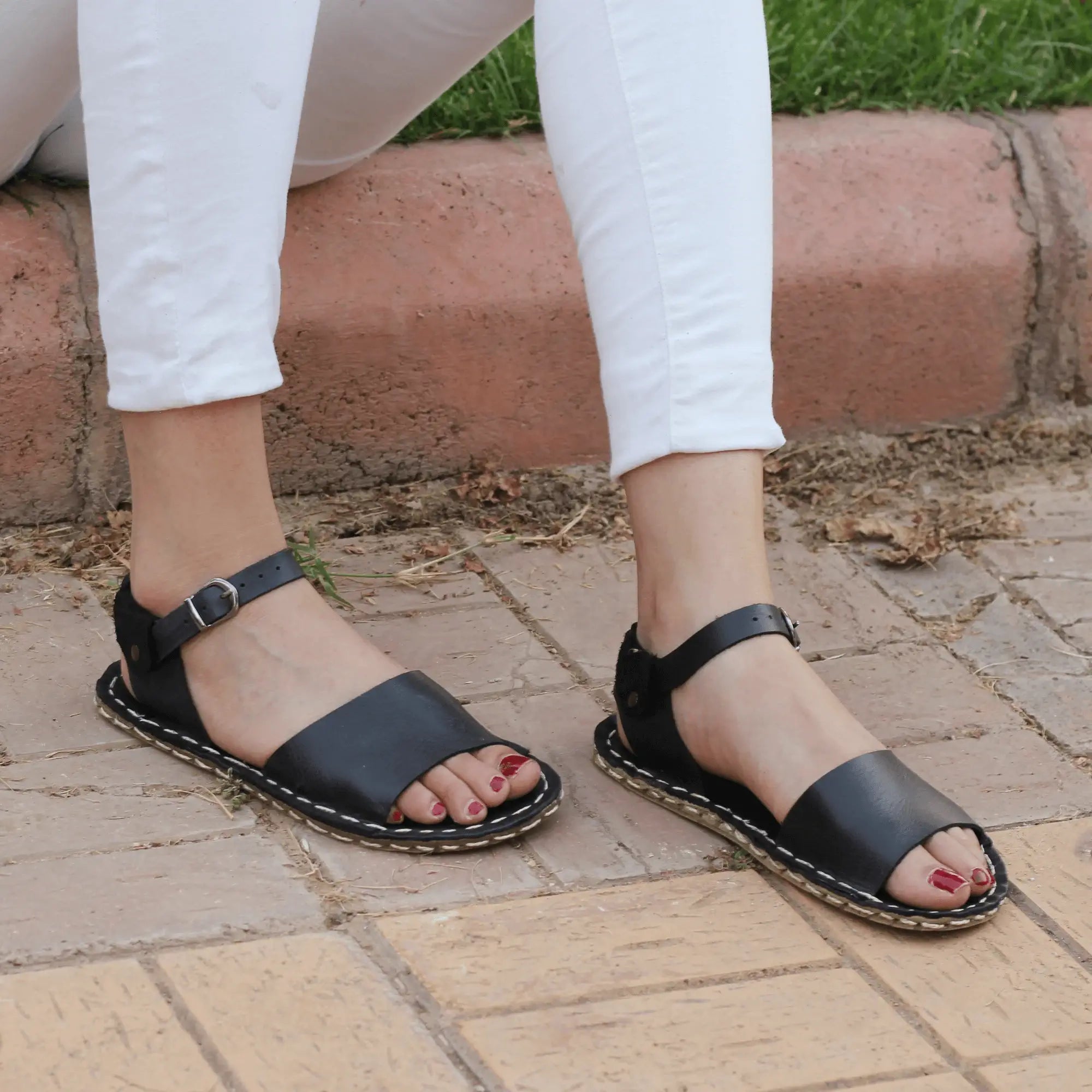
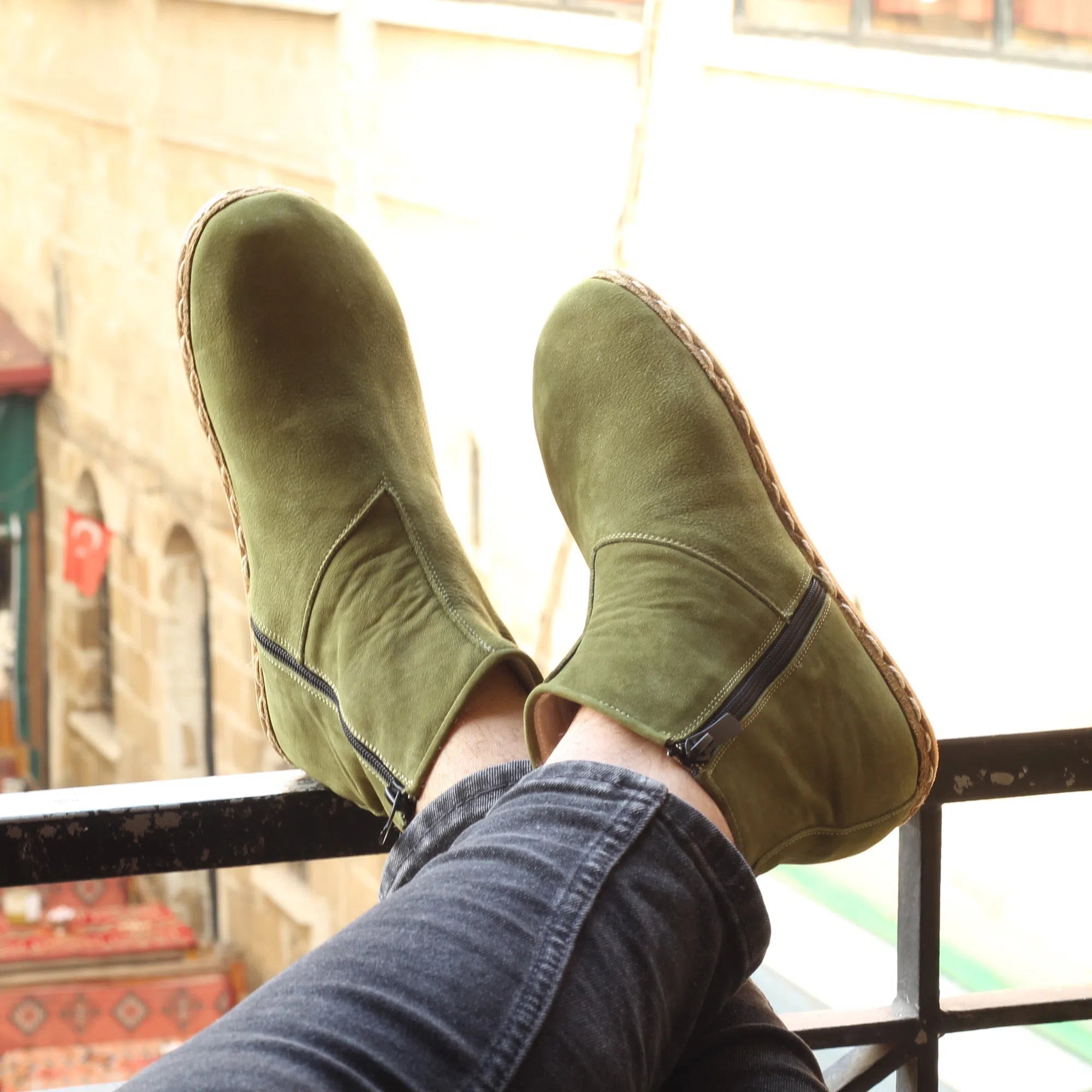
A dress shoe should not require your toes to stand at attention for eight hours. Yet the classic formula has long been a pointed front, a raised heel, stiff synthetic layers, and a narrow fit that asks the foot to adapt to the shoe. A thoughtful barefoot dress shoes comparison starts by challenging that formula. Looking polished is not the same as feeling compressed.
For people who care about natural movement, the real question is not whether a shoe resembles a traditional Oxford or loafer from across the room. It is whether it gives your feet room to spread, keeps your posture closer to its natural alignment, and uses materials you actually want against your skin. The best choice depends on where you wear it, how your feet are shaped, and how much ground feel you want underfoot.
Barefoot Dress Shoes Comparison: What Actually Changes?
Traditional dress shoes are designed around a formal silhouette, often at the expense of foot function. Their tapering toe boxes draw the toes inward. Their heels shift body weight forward. Their firm, built-up soles can isolate the foot from the ground completely. They may look respectable under a suit, but respectability should not come with numb toes, hot feet, or a stiff lower back at the end of the day.
Barefoot dress shoes reverse those priorities. They typically use a wider, foot-shaped toe box, a zero-drop platform, and a flexible sole. Zero drop means the heel and forefoot sit at the same height. Instead of placing your heel above your toes, the shoe lets your foot stand as it was built to stand.
That does not mean every barefoot dress shoe feels identical. Some are sleek enough for a wedding or office but use a lightly cushioned rubber sole. Others are more minimal, with thin leather soles that create a stronger connection to the surface beneath you. A shoe can share the same barefoot principles while offering a very different experience on concrete, carpet, pavement, or dance floors.
The Four Details That Separate a Good Pair From a Compromise
Toe shape matters more than shoe size
A shoe can be labeled wide and still squeeze the toes if the front narrows too sharply. This is common in conventional formal footwear, where the elegant point often arrives exactly where the toes need space most.
Look for a toe box that follows the natural fan shape of the foot. Your big toe should not be pushed toward the second toe, and your smaller toes should not be folded inward to preserve a narrow profile. The goal is not an oversized or clumsy appearance. It is quiet room for your toes to splay and stabilize with every step.
For dress shoes, this is where design skill counts. A well-made barefoot loafer or lace-up can look refined without copying the restrictive point of a conventional shoe. The silhouette should work with your foot, not disguise it.
Zero drop changes the way the whole body stacks
Raised heels are so normal in formal shoes that many people no longer notice them. But even a modest heel can tip the body forward, influencing the position of the ankles, knees, hips, and spine. A zero-drop dress shoe avoids adding that artificial slope.
If you are coming from heeled shoes, zero drop may feel unfamiliar at first. Your calves and feet have likely adapted to elevated heels. That is not a reason to avoid natural footwear. It is a reason to transition with awareness. Wear your new shoes for shorter periods, especially if you have spent years in structured dress shoes or heavily cushioned sneakers.
Sole material defines the experience
In a barefoot dress shoes comparison, sole material is not a small technical detail. It shapes flexibility, breathability, durability, traction, and how directly you feel the ground.
Rubber soles usually offer more grip and can suit wet sidewalks, long commutes, and people who want a little more separation from hard city surfaces. They are often the practical option for daily office wear.
Natural leather soles offer a different kind of experience. They flex with the foot, develop character through wear, and create a more direct sense of contact with the earth. Buffalo leather, in particular, is valued for its strength and distinct texture. A handmade leather-soled dress shoe is not trying to feel like a foam sneaker. It is for the person who wants to feel present in each step.
There is a trade-off. Leather soles need more care in consistently wet conditions and may be less grippy than rubber on slick surfaces. For dry-weather events, indoor work, dinners, and occasions where craft matters, they can be an exceptional choice. For rain-heavy commutes, rubber may be wiser.
Leather can breathe where synthetics trap heat
Many mass-produced dress shoes use coated leather, plastic linings, glued foam, or synthetic uppers that look polished until the shoe begins to trap sweat and odor. A fully leather construction can feel noticeably different over a long day.
Natural leather adjusts to the foot with wear and allows more airflow than many synthetic alternatives. It also develops a patina rather than simply breaking down. That character is part of the appeal: your shoes should reflect the life you live in them.
Not all leather is equal, of course. The quality of the hide, the tanning process, the lining, and the construction all matter. Handmade footwear has an advantage here because the maker can focus on the shape, stitching, and material behavior rather than producing the fastest possible unit at the lowest possible cost.
Which Barefoot Dress Shoe Style Fits Your Life?
A barefoot Oxford or derby is the most natural choice when the dress code is formal. Choose a simple leather lace-up in black, dark brown, or a rich earth tone for business meetings, ceremonies, and tailored trousers. A derby tends to feel more forgiving across a higher instep, while an Oxford usually looks more structured and formal.
Loafers and moccasin-inspired shoes suit smart-casual offices, travel, restaurants, and social events where you want polish without stiffness. Their easy entry makes them especially appealing for people who no longer want to wrestle with rigid footwear at the start of every day. Just pay attention to heel hold. A loafer should stay secure without gripping the toes.
For women, barefoot flats, slip-ons, and low-profile leather shoes can replace narrow ballet flats and rigid heels. The key is the same: avoid mistaking a low heel for a foot-friendly shape. A flat shoe with a pointed toe can still crowd the forefoot. A foot-shaped flat is the better kind of elegant.
Nefes Shoes approaches dress-ready minimalist footwear through handcrafted leather, wide toe space, zero-drop construction, and natural buffalo leather soles for those who want a stronger earth-connected feel.
Fit Is Where Most Comparisons Go Wrong
Do not size barefoot dress shoes by the cramped fit you have learned to tolerate. Measure your feet later in the day, when they are at their fullest, and use the larger foot as your guide. You need enough length for the toes to move without hitting the front during a stride, plus enough width for the forefoot to relax.
A good fit should feel secure at the heel and midfoot, with freedom at the toes. That distinction matters. Many people tighten laces or choose a smaller size because they confuse toe compression with security. The shoe should hold your foot in place through thoughtful shaping, not by turning the toe box into a clamp.
If you wear orthotics, thick socks, or have a high instep, check the shoe's internal volume as well as its length and width. Barefoot dress shoes are not one-size-fits-all in feel. The right pair respects the full three-dimensional shape of your foot.
Do You Need Grounding Dress Shoes?
Grounding, also called earthing, is a separate consideration from barefoot design. A zero-drop shoe with a wide toe box supports natural foot positioning, but it does not automatically provide conductive contact with the earth. Shoes made with natural leather soles can appeal to people who want less material between themselves and the ground as part of a grounding practice.
This is a personal preference, not a reason to ignore practical needs. If you spend most of your day indoors on carpet or office flooring, the grounding aspect may be less relevant than fit, flexibility, and breathability. If feeling closer to natural surfaces is part of your daily ritual, a leather-soled option may align more closely with how you want to move through the world.
The right dress shoe should never force a choice between looking put together and treating your feet with respect. Choose the pair that gives your toes room, lets your heel rest level, and feels honest beneath your feet. Formal does not have to mean disconnected.