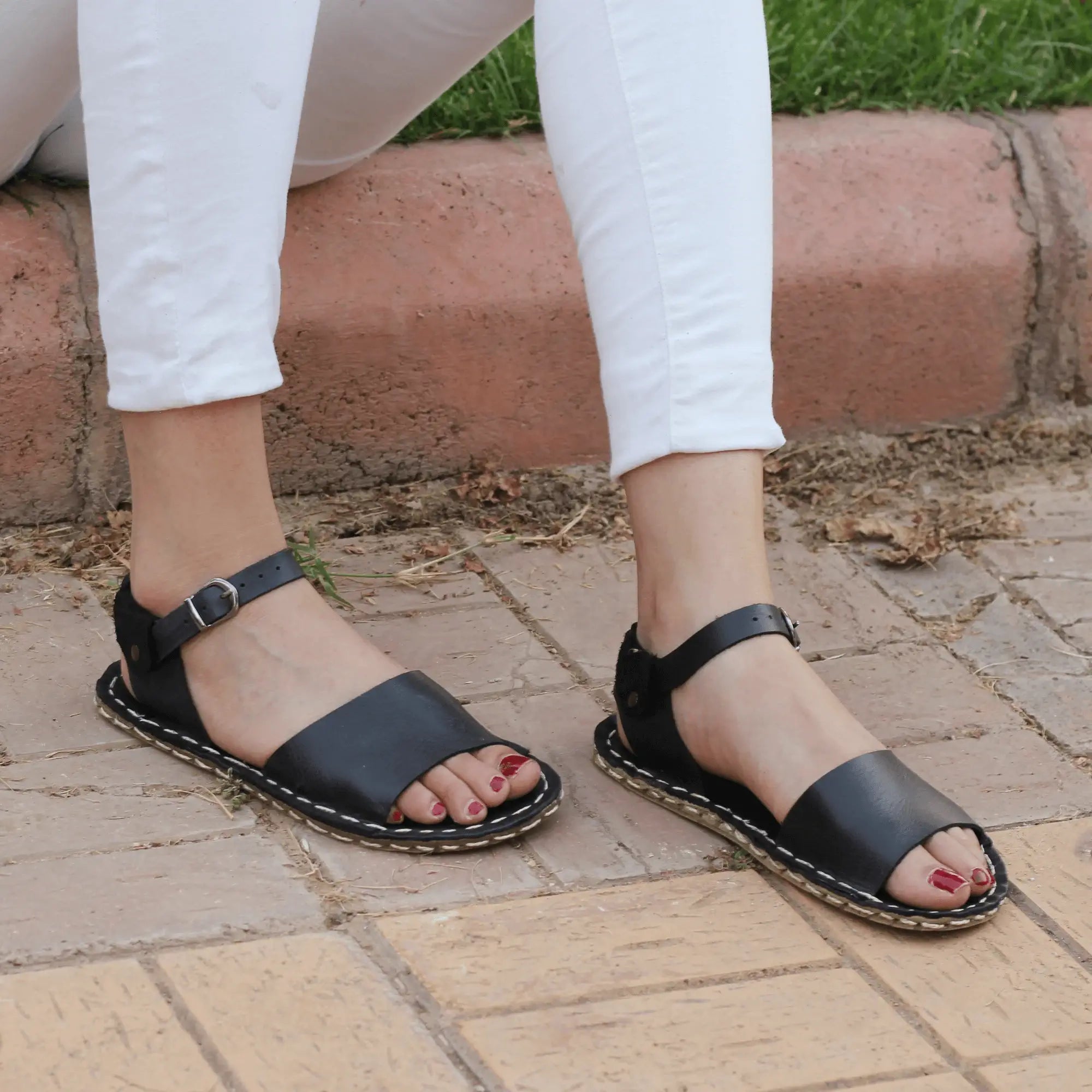
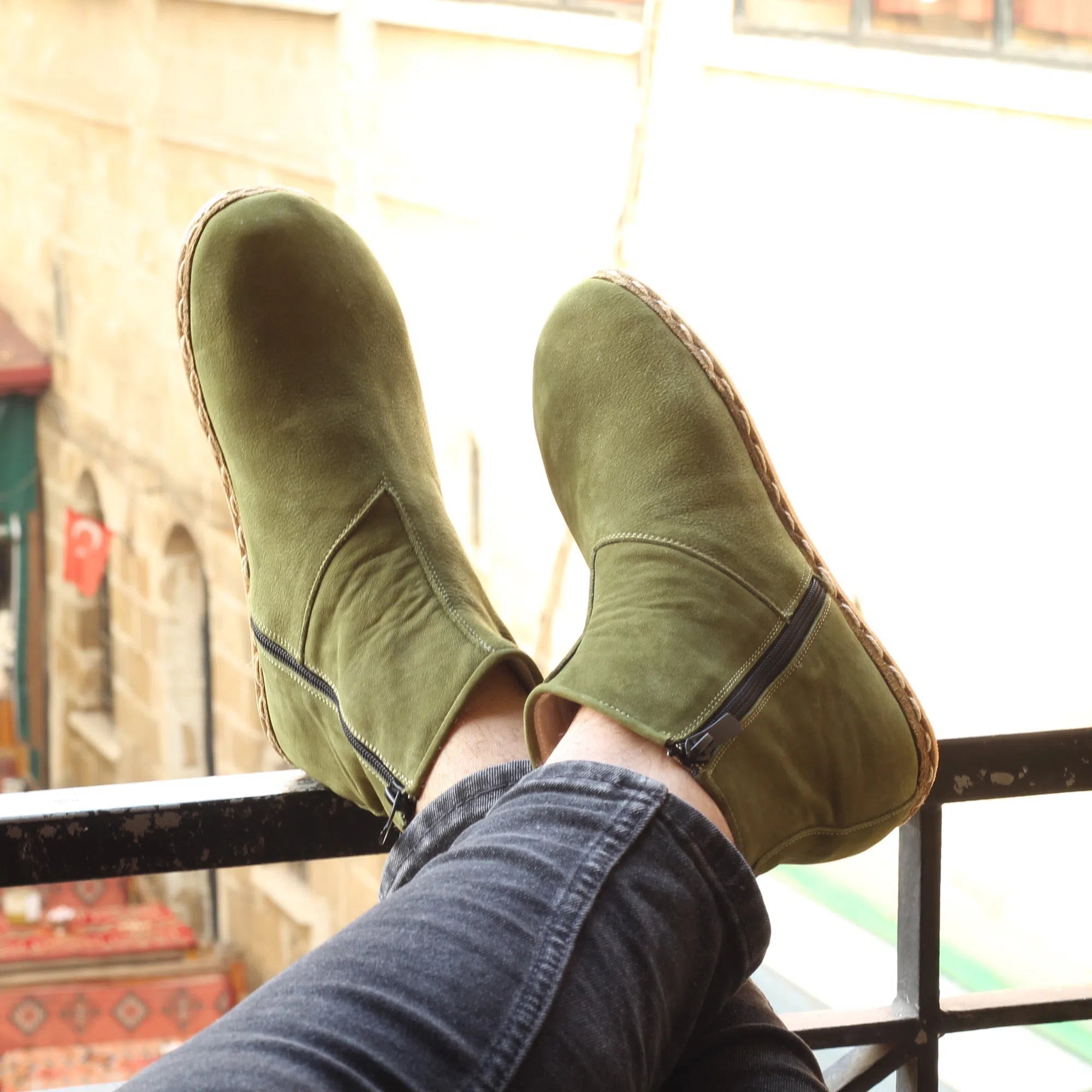
A lot of people try minimalist footwear for the first time, feel soreness in their calves or arches, and immediately ask: do barefoot shoes hurt? The honest answer is sometimes - but not in the way people fear. Barefoot shoes do not usually create harm on their own. More often, they expose how much conventional shoes have been doing the work your feet were designed to do.
That difference matters. A shoe with a wide toe box, zero-drop sole, and flexible structure asks your body to move more naturally. If your feet have spent years inside stiff soles, raised heels, and narrow shapes, that change can feel intense at first. Not wrong. Just unfamiliar.
Do barefoot shoes hurt, or are your feet waking up?
Most discomfort during the transition comes from adaptation, not injury. Your toes begin to spread. Your arches begin to engage. Your ankles and calves take on more work because there is no thick heel lifting you forward. That can lead to temporary soreness, especially if you go too far too fast.
This is where many people misread the experience. They expect a barefoot shoe to feel soft and corrective in the same way a cushioned sneaker feels soft and corrective. But barefoot shoes are not designed to block sensation. They are designed to let your feet function. That freedom can feel incredible, but if your foot muscles are weak or your gait has adapted to conventional footwear, the adjustment period is real.
Healthy adaptation usually feels like mild fatigue, light calf soreness, or a sense that your feet worked harder than usual. Trouble feels sharper. Pinching, joint pain, hot spots, numbness, or pain that gets worse every day are not signs to push through. They are signs to slow down, reassess fit, or change how you are transitioning.
What kind of pain is normal when switching?
Some sensations are common in the first few days or weeks. Calf soreness is probably the biggest one. When you move from a raised heel to a zero-drop shoe, your lower leg starts operating at its natural length again. If your body is used to an elevated heel, your calves and Achilles may complain.
Arch fatigue is also common. Many people think their arches are failing when they feel tired in minimalist shoes. In reality, the muscles in the foot may simply be doing their job for the first time in years. Think of it less like damage and more like waking up a neglected part of the body.
You may also notice tenderness on the bottoms of your feet. That usually comes from increased ground feel. Thick, padded soles mute feedback. Barefoot shoes allow more of it. That sensory input is one reason many people feel more balanced and connected in minimalist footwear, but if you are new to it, your feet need time to adjust.
What is not normal is persistent pain in the joints, shooting pain, rubbing that breaks skin, or pain that alters how you walk. Barefoot shoes should encourage natural movement, not force you into a fight with every step.
Why barefoot shoes can hurt if the fit is wrong
Not all discomfort is transition-related. Sometimes the shoe itself is the problem.
A true barefoot shoe should let your toes spread instead of squeezing them into a tapered point. If the toe box is still too narrow for your foot shape, you can end up with pressure, friction, and forefoot pain. If the shoe is too short, your toes may jam into the front on descents or during longer walks. If it is too loose, your foot can slide and create rubbing.
Material matters too. Natural leather tends to mold to the foot over time, which can create a more personal fit than synthetic uppers that stay rigid or trap heat. Handmade construction can also make a difference because the shoe is often built with more attention to natural foot shape rather than fashion-industry conventions.
This is one reason people looking for both wellness and style often gravitate toward artisan barefoot footwear. A better shape does not just look different. It changes how your foot is allowed to exist inside the shoe.
The biggest mistake: doing too much too soon
If someone has spent twenty years in padded running shoes or structured boots, switching straight into barefoot shoes for full days of walking is a gamble. Your body may love the freedom eventually, but tissues still need time to catch up.
The transition should be gradual. Start with short walks. Wear them for errands. Let your feet and lower legs build tolerance. If you feel mild soreness, take that as information, not failure. Rest, repeat, and increase slowly.
Many people get into trouble because barefoot shoes feel light and easy, so they assume their body is ready for anything. Then they wear them all day on concrete, add long walks, and end up blaming the shoes. The issue was not the concept. It was the jump.
There is no prize for transitioning fast. Stronger feet are built through consistency, not force.
A smarter way to transition
For the first week or two, wear barefoot shoes for short periods and pay attention to how your body responds the next day. If your calves are tight, reduce time and build more gradually. If your toes feel relieved and your balance improves, that is a good sign.
You can also support the transition by spending time barefoot at home, gently mobilizing the toes, and walking with awareness instead of striking hard through the heel. Barefoot shoes often reveal habits that cushioned footwear used to hide.
That is not a flaw. It is useful feedback.
Do barefoot shoes hurt more on hard surfaces?
Sometimes, yes. Hard pavement exposes poor mechanics and weak feet faster than soft trails or indoor floors. That does not mean barefoot shoes are wrong for city life. It means your body may need more adaptation if most of your movement happens on concrete.
Surface matters because barefoot shoes offer less material between you and the ground. You feel impact more clearly. That encourages lighter, more controlled movement, but if you are used to stomping through a thick sole, the transition on hard surfaces can be abrupt.
This is where form, pace, and volume all matter. Shorter steps, softer landings, and realistic mileage make a big difference. Many people find that once they adapt, they actually prefer the responsiveness of barefoot shoes because they feel more stable and less disconnected from the ground.
For some, that connection goes beyond mechanics. Grounding-minded wearers are not just looking for a shoe that gets out of the way biomechanically. They want natural materials and a closer relationship with the earth beneath them. That experience feels very different from walking on a slab of foam and plastic.
Who may need extra caution?
Barefoot shoes are not automatically the right move for every person in every situation. If you have a current foot injury, severe plantar fasciitis, Achilles issues, neuropathy, or a medical condition affecting gait or sensation, a slower and more individualized approach makes sense.
The same goes for people with very stiff ankles, long-term orthotic dependence, or years of pain compensation. Barefoot shoes may still help, but they should not be treated like a magic switch. Natural movement is powerful, but rebuilding it can take time.
The better question is often not do barefoot shoes hurt, but what is your body prepared for right now?
That question leads to better decisions. It respects the body without defaulting back to restrictive footwear that weakens it over time.
When barefoot shoes feel better than conventional shoes
For many people, relief starts in the toes. A wide toe box gives the forefoot room to spread, which can reduce the cramped feeling caused by conventional shoes. Others notice their posture feels more natural once the raised heel is gone. Some simply appreciate that their feet are no longer sweating inside synthetic materials and heavy padding.
That is the trade-off people often miss. Conventional shoes can feel comfortable in the short term because they cushion, prop up, and restrict movement. But they also limit natural foot function. Barefoot shoes ask more from the body, yet they often return more as strength, awareness, balance, and freedom.
When the fit is right and the transition is respected, they should not feel punishing. They should feel honest.
That honesty is exactly what draws people to brands like Nefes Shoes - not just the minimalist design, but the belief that footwear should work with the body, not against it. Leather that breathes. A shape that lets toes live naturally. A sole that keeps you closer to the earth instead of stacked above it.
If your first reaction to barefoot shoes is discomfort, do not panic and do not ignore it. Listen closely. Mild soreness may be your feet getting stronger. Sharp pain may mean you need a different fit or a slower pace. Either way, your body is telling you something useful. And when you finally give your feet room to move as they were meant to, that conversation can change everything.