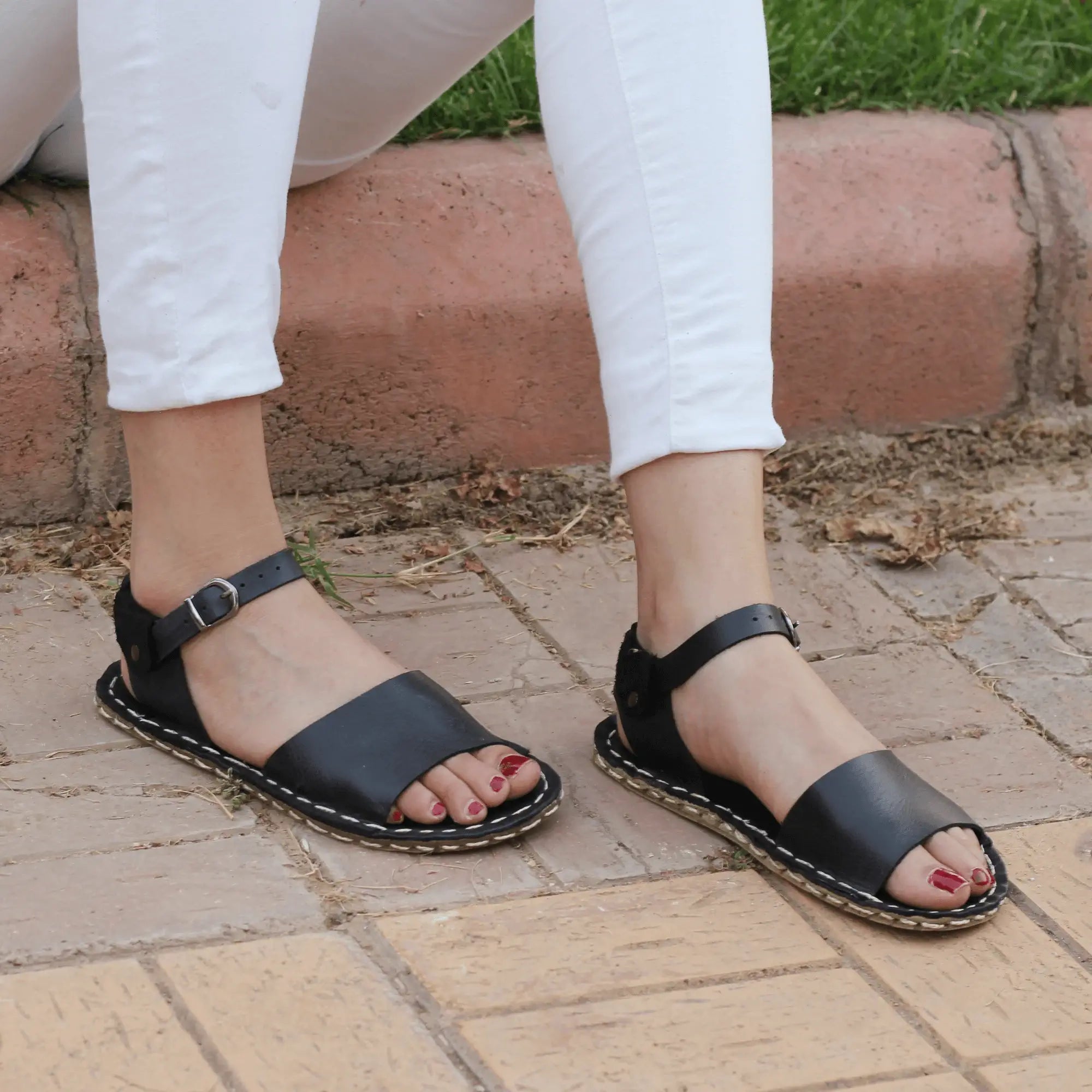
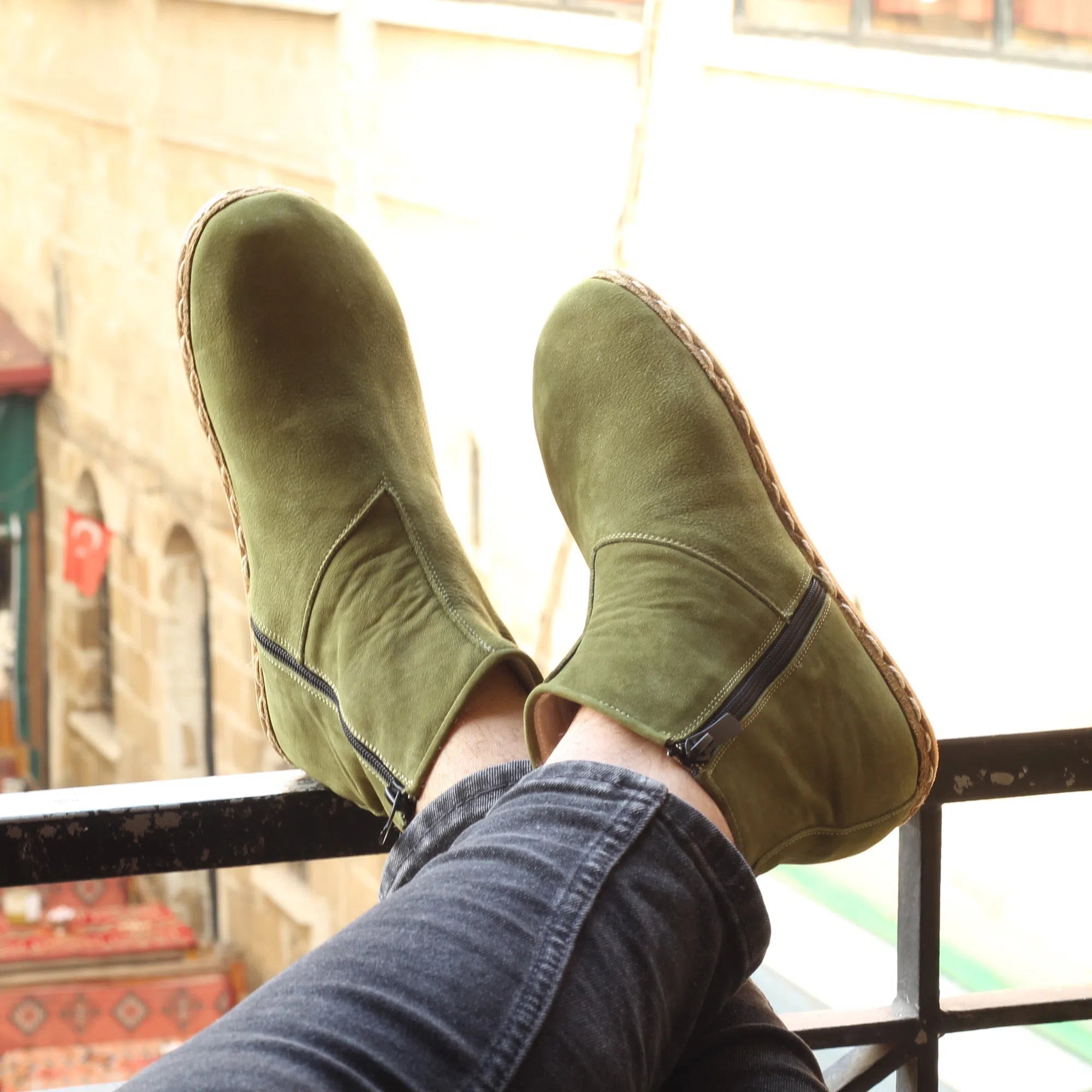
Most shoes ask your feet to behave. To stay narrow. To stay lifted. To stay cushioned and quiet inside a stiff shell. Barefoot shoes everyday use flips that script. Instead of forcing the foot to match the shoe, the shoe gives the foot room to move, spread, flex, and do the work it was built to do.
That sounds simple, but daily wear is where the real question begins. A barefoot shoe can feel incredible on a short walk or around the house. Wearing one for commuting, standing, errands, office time, and full days on city pavement is a different test. The right answer is not blind devotion or instant rejection. It is understanding what barefoot footwear does well, where it asks more from your body, and how to make the transition in a way that supports long-term comfort.
Why barefoot shoes for everyday use feel so different
Conventional footwear changes your posture before you take a single step. Raised heels tip the body forward. Narrow toe boxes compress the forefoot. Thick soles muffle ground feel and often shift work away from the muscles of the feet and lower legs. That setup can feel familiar, but familiar is not the same as natural.
Barefoot shoes for everyday use remove those built-in distortions. A zero-drop sole keeps heel and forefoot level. A wide toe box allows the toes to spread instead of stacking or rubbing together. A flexible sole lets the foot bend and respond to the ground rather than riding over it like a rigid platform.
For many people, the first benefit is not some dramatic athletic breakthrough. It is something more immediate. Toes stop feeling trapped. Feet feel less sweaty and less fatigued. Posture often feels more stacked and honest. Walking becomes quieter and more controlled because you can actually sense the ground under you.
That said, more freedom is not always easier on day one. If your feet have spent years inside thick, supportive shoes, a barefoot design may wake up muscles that have been underused for a long time. That is not a flaw. It is a sign that your body is being asked to participate again.
Are barefoot shoes good for all-day wear?
Yes, for many people they can be excellent for all-day wear, but it depends on your starting point, your routine, and the shoe itself.
If your day includes walking, desk time, casual errands, and moderate standing, a well-made barefoot shoe often feels better as the hours pass. The foot is not being squeezed, the arch is not being propped up by an artificial shape, and the body is not balancing on an elevated heel. Many wearers notice that the usual end-of-day heaviness in the forefoot begins to fade once the toes have room and the sole moves naturally.
But there are trade-offs. If you work long shifts on hard concrete, have severe mobility restrictions, or are transitioning from highly cushioned footwear after years of dependence, all-day use may need to be built gradually. Barefoot shoes do not hide poor gait mechanics. They reveal them. If you overstride, slam your heel, or rely on stiff shoes to stabilize weak feet, minimalist footwear may feel demanding before it feels freeing.
That does not mean you are not a good candidate. It means adaptation matters.
What makes a barefoot shoe practical for everyday use
Not every minimalist shoe is built for real life. Some are too sporty for daily outfits. Some use synthetic materials that trap heat and moisture. Some are technically flexible but still feel flat in the worst way because they lack shape, breathability, or craftsmanship.
For everyday wear, the best barefoot shoes balance natural movement with materials and construction that make people actually want to keep them on. This is where leather stands apart. Good leather breathes, molds to the foot over time, and develops character instead of breaking down into plastic fatigue. When paired with a flexible sole and a genuinely wide forefoot, it creates a shoe that feels less like equipment and more like a second skin.
That matters because most people are not looking for a barefoot shoe only for workouts. They want one pair they can wear to lunch, on neighborhood walks, while traveling, or through a full day of movement without switching into something “more comfortable.” Everyday footwear has to work with real clothes, real routines, and real feet that swell and shift through the day.
The biggest benefits people notice first
The first change is usually toe freedom. Once the front of the shoe stops tapering aggressively, the foot relaxes. Pressure points ease. Rubbing between the toes often decreases. For people who have felt cramped for years, that alone can change how walking feels.
The second is alignment. A zero-drop design does not magically fix posture, but it removes one of the most common obstacles to it: the lifted heel. When the foot sits level, the ankles, knees, hips, and spine are no longer adapting to an artificial slope. Some people notice they stand taller. Others simply feel less pitched forward.
The third is sensory feedback. Thick foam can make every surface feel the same. A thinner, flexible sole gives your body better information. That often leads to a lighter gait and more responsive movement. You stop stomping because you can feel what stomping actually does.
Then there is comfort in the less glamorous sense. Natural materials tend to breathe better than synthetic uppers. Feet often sweat less. Odor can decrease. The shoe feels alive rather than sealed off. For wellness-minded buyers, that is not a small detail. What surrounds the foot all day affects comfort just as much as shape and sole structure.
When barefoot shoes everyday use may require a slower approach
If you have bunions, flat feet, plantar fasciitis history, tight calves, or years of habit in rigid shoes, you may need a transition period. Barefoot shoes are often described as simple, but simplicity can be revealing. They strip away support structures your body may have leaned on for a long time.
Start with shorter windows. Wear them for errands, a walk, or part of your workday before committing to twelve straight hours. Pay attention to muscular fatigue in the arches and calves. Mild soreness can be normal during transition. Sharp pain is not. If your calves feel overworked, that is often a sign your stride is changing and your lower legs are taking on more of their natural role.
Surface matters too. Grass, packed dirt, and varied natural terrain can feel easier than endless concrete because they encourage subtle changes in movement. Urban life does not always offer that luxury, but it is useful to know why one day feels great and another feels harsh.
A slower transition is not failure. It is respect for your body.
How to choose barefoot shoes for everyday use
Start with shape, not branding. If the toe box still pushes your big toe inward, it is not truly serving natural movement. Your toes should be able to spread and rest without pressure.
Next, check the sole. It should bend with the foot, not fight it. Flexibility matters more than just thinness. A stiff minimalist sole can still interrupt natural gait.
Then look at heel-to-toe drop. For true barefoot function, the foot should sit level. Even a small heel rise can change posture and loading patterns more than people realize.
Materials are where daily comfort often wins or loses. Leather, especially when thoughtfully crafted, tends to age better, breathe better, and fit better over time than many synthetic alternatives. If you care about both wellness and appearance, this is where handmade construction earns its place. A barefoot shoe should not force you to choose between foot health and personal style.
For many shoppers, that is the turning point. They have already rejected the idea that comfort must look orthopedic. They want footwear that respects the foot without looking like a compromise. That is exactly why artisanal barefoot shoes have gained traction with people who would never wear a bulky athletic minimalist shoe to dinner, work, or daily life.
The style question matters more than brands admit
People wear what fits their life. If a shoe supports natural movement but sits untouched in the closet because it does not match your wardrobe, it is not a practical everyday option.
This is where barefoot footwear has evolved. It is no longer limited to trail-runner aesthetics or hyper-technical designs. Handmade leather sneakers, moccasins, boots, and sandals can now carry barefoot principles into everyday wear without losing character. That shift matters because consistency matters. The more often you wear foot-shaped, zero-drop footwear, the more your body has a chance to adapt.
At Nefes Shoes, that idea is central: health begins with the feet, but people still deserve beauty, craftsmanship, and connection to natural materials. A well-made barefoot shoe should feel freeing, not clinical.
What everyday success actually looks like
Success is not forcing yourself to suffer through minimalist shoes because you believe they are pure. It is finding a pair that lets your feet breathe, spread, and move naturally while still fitting the rhythm of your day.
For some people, that means switching fully and never looking back. For others, it means using barefoot shoes as their primary daily option while keeping a few situational alternatives. Both approaches are reasonable. The goal is not ideology. The goal is a healthier relationship between your feet, your movement, and the ground beneath you.
The old model of footwear asked your body to adapt to the shoe. A better model asks the shoe to get out of the way. Once you feel that difference in daily life, it becomes very hard to go back.