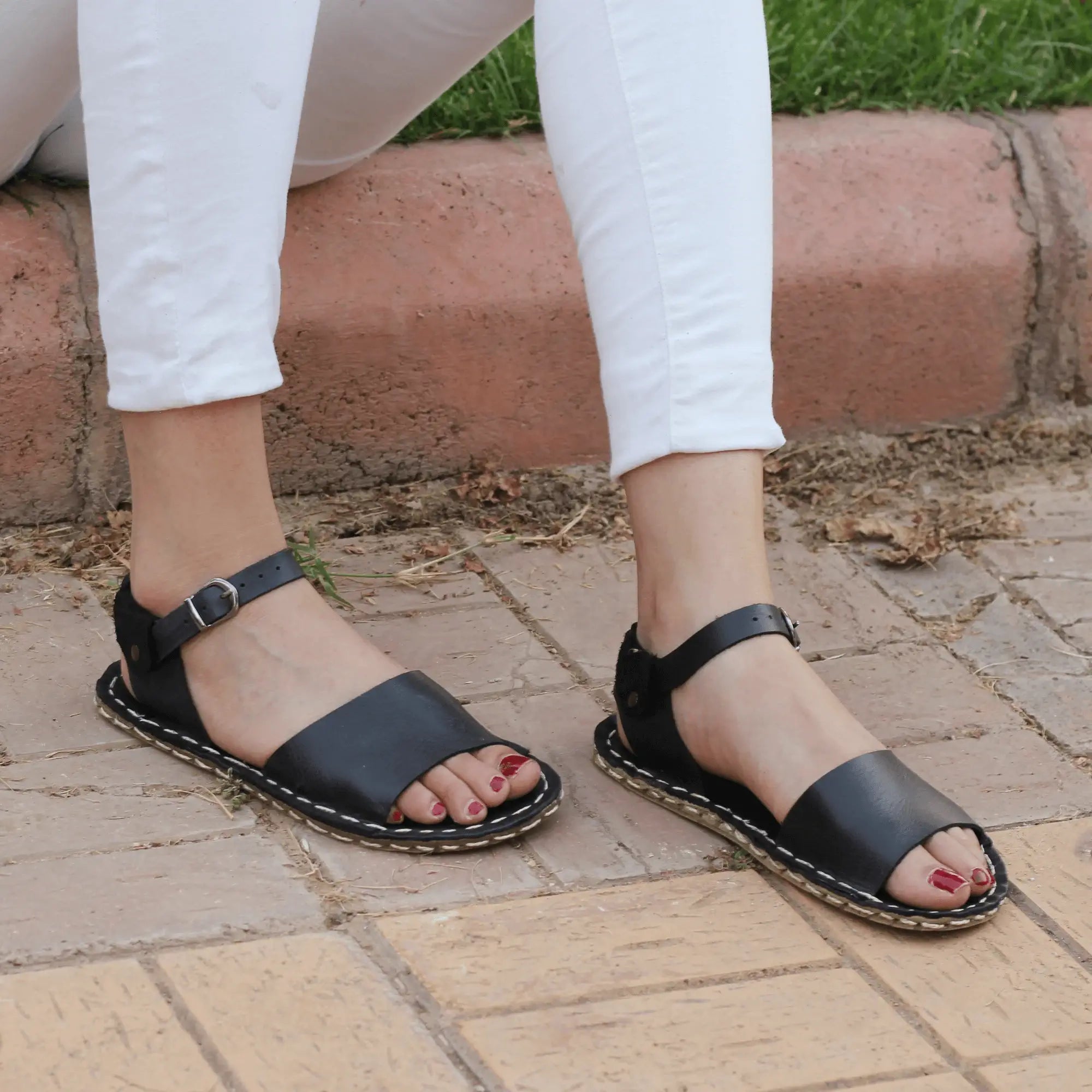
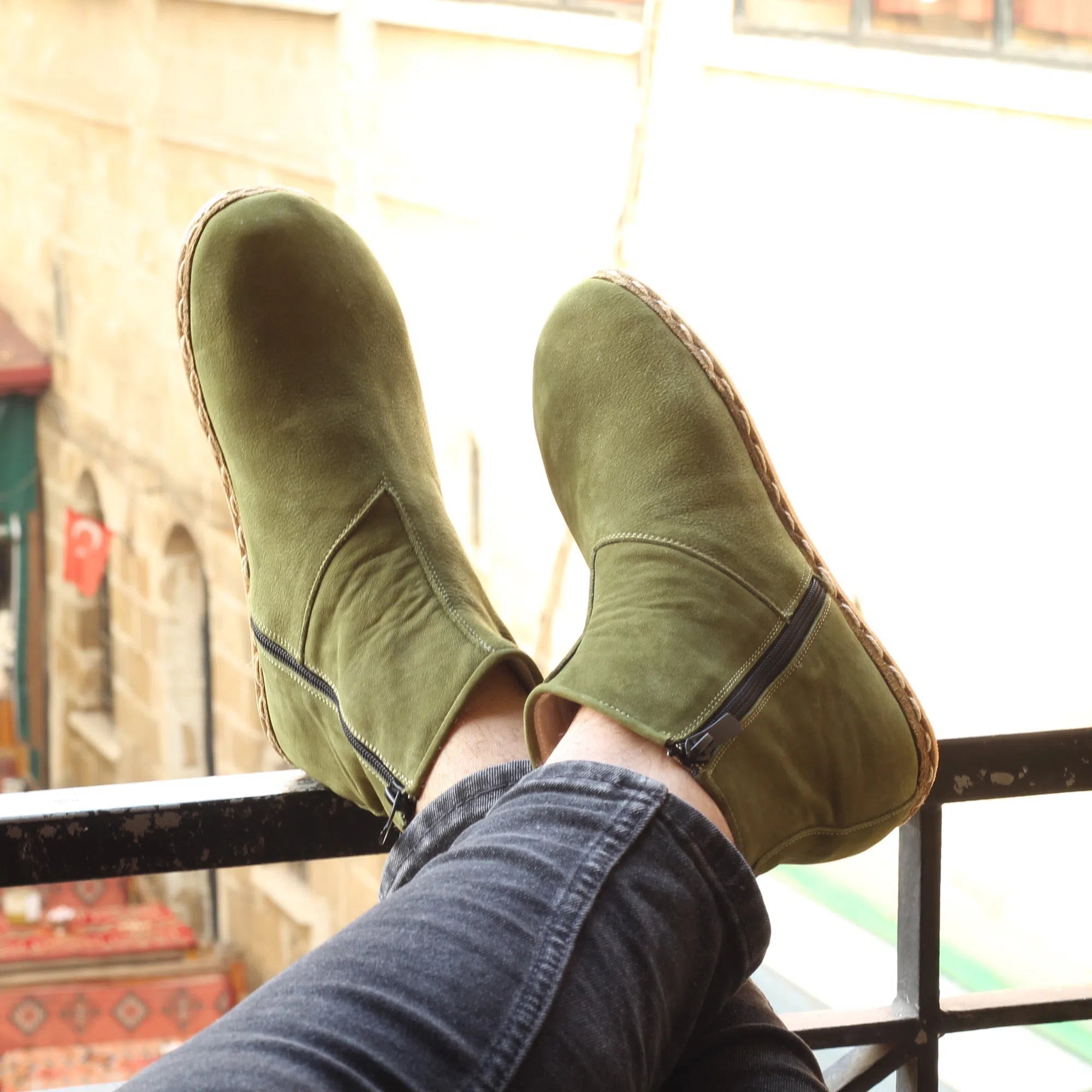
Most women have had this moment: you find a shoe that looks clean and refined, then put it on and feel your toes get pushed into a shape they were never meant to hold. Or you find a barefoot pair that supports natural movement, but the design looks overly sporty, oddly bulky, or unfinished. Stylish barefoot shoes women actually want have to solve both problems at once. They should let the foot move as nature intended while still looking polished enough for daily life.
That balance is harder to find than it should be. Conventional fashion shoes still rely on narrow toe boxes, raised heels, stiff soles, and synthetic materials that trap heat and restrict movement. Many minimalist shoes answer the comfort problem but ignore the fact that women also want footwear that feels expressive, elevated, and versatile. You should not have to choose between healthy feet and personal style.
What stylish barefoot shoes women should really offer
A truly wearable barefoot shoe starts with anatomy, not trends. The forefoot should be wide enough to let the toes spread naturally. The sole should be flat from heel to toe, which helps support better alignment instead of pitching the body forward. The construction should flex with the foot rather than force the foot to adapt to the shoe.
But style matters too. For women, that usually means a shape that feels intentional, not orthopedic. Clean lines, quality leather, thoughtful stitching, and balanced proportions can make a barefoot shoe look elegant rather than experimental. Good design does not hide the barefoot structure. It refines it.
This is where many brands miss the mark. They either make the shoe healthy but visually awkward, or fashionable but physically restrictive. The best pairs respect the natural shape of the foot and still feel beautiful enough to wear with trousers, denim, dresses, and travel layers.
Why most fashionable shoes work against your feet
The standard women’s shoe has been built around appearance first and body mechanics second for decades. Narrow fronts create a sleek silhouette, but that shape compresses the toes and can interfere with balance, stability, and comfort over time. Elevated heels may look familiar, yet they shift weight forward and can affect posture all the way up the chain.
Then there is the issue of materials. Synthetic uppers and liners often create heat, sweat, and odor, especially when worn for long days. A shoe can look sharp on the shelf and still leave the foot feeling trapped by noon.
Barefoot construction challenges those assumptions. It says the foot does not need to be controlled into submission. It needs room, flexibility, and contact with the ground. That idea can sound radical only because conventional footwear has normalized restriction.
Stylish barefoot shoes women can wear beyond the gym
If a barefoot shoe only works with leggings, it is too limited for most wardrobes. Women need options that move through real life. That might mean a leather sneaker that feels sharp with cropped pants, a soft loafer-inspired flat that works for a relaxed office, a sandal that looks simple rather than technical, or a boot that keeps its shape without sacrificing flexibility.
The material makes a major difference here. Leather tends to drape and age with more character than synthetic alternatives. It also gives barefoot footwear a more grounded, finished look. Handmade construction adds something mass production rarely can - individuality. Small details in cut, stitching, and texture help the shoe feel like a personal choice, not just a wellness product.
That matters because style is not vanity. It is how many women express taste, mood, and identity. A shoe can support natural movement and still feel sophisticated. In fact, when a shoe is shaped by the body rather than distorted against it, the result often looks more honest and more modern.
The details that make barefoot shoes look refined
The toe box should be wide, but it does not need to look clownish. A well-designed barefoot shoe softens the outline through balanced proportions and clean finishing. The sole should be minimal, yet not flimsy. The upper should feel supple, not collapsed.
Color also changes the impression. Earth tones, black, warm neutrals, and rich leather finishes tend to make minimalist shoes easier to style. Heavy branding, loud contrast panels, and performance-driven detailing usually push the look toward athletic wear. If your goal is an everyday wardrobe shoe, simplicity wins.
How to choose the right pair for your lifestyle
Start with where you will actually wear them. If you want one pair for daily use, look for a leather barefoot sneaker or casual low-cut shoe that can handle jeans, easy dresses, and travel days. If you work in a relaxed professional setting, a minimalist loafer, moccasin, or sleek flat may give you more outfit range. If your climate runs warm, a leather sandal or open design can deliver both breathability and freedom.
Then pay attention to transition. If you are coming from heavily cushioned or narrow conventional shoes, a barefoot design may feel different at first. That is not a flaw. It is your foot being asked to move and stabilize more naturally. Some women adapt quickly. Others need a slower shift, especially if their feet have spent years inside rigid shoes.
Fit matters more than sizing labels alone. A stylish barefoot shoe should let your toes relax rather than press against each other. Your heel should feel secure without being locked down by stiff padding. The upper should move with you, not rub or overcorrect.
When fashion and function depend on the season
In colder months, women often assume they need thick, heavy shoes to stay comfortable. But a well-made barefoot boot in leather can offer protection without losing flexibility. In warmer weather, breathable natural materials become even more important. Sweat and friction tend to show up fast in synthetic footwear, while leather often regulates temperature better and feels more comfortable against the skin.
Season also affects styling. Boots and moccasin-inspired designs bring texture and structure to fall layers. Sandals and softer low-profile shoes pair naturally with summer wardrobes. The point is not to own a separate identity for wellness and style. It is to build a footwear rotation where both are already present.
Why natural materials change the experience
Not all barefoot shoes are built the same. Some focus almost entirely on biomechanics and treat the upper like an afterthought. That can leave women with shoes that function well but look and feel synthetic. Natural leather changes that equation.
Leather breathes better than many artificial materials and often becomes more comfortable as it molds to the foot. It can also create a richer visual finish, which is a big part of what makes a barefoot shoe feel elevated instead of utilitarian. For women who care about craft, this matters.
There is also a deeper difference in how natural materials connect to the barefoot philosophy. If the goal is freedom, breathability, and a closer relationship between body and ground, then plastic-heavy construction only gets you partway there. Handmade leather shoes feel more aligned with the idea itself. Nefes Shoes has built its approach around that belief, pairing natural movement with artisanal materials that feel distinctive rather than mass-market.
The trade-off most women are happy to make
Barefoot shoes are not designed to create the artificially tiny foot profile that standard fashion shoes often chase. If that is your only style priority, the silhouette may take adjustment. But many women find that once their feet experience real space and flexibility, they stop wanting to go back.
And visually, the trade-off is often less dramatic than expected. A refined barefoot shoe does not look extreme. It looks calm, clean, and grounded. More women are starting to recognize that comfort does not have to appear technical or apologetic. It can look confident.
That confidence is part of the appeal. Stylish barefoot shoes are not trying to imitate conventional footwear perfectly. They are offering a better idea - one that respects the body, values craft, and rejects the old belief that beauty must come with compression.
If you are choosing your next pair, trust the shoe that lets your toes relax, your posture settle, and your style still feel like your own. The best footwear does not force you into a compromise. It gives your feet room to live, and your wardrobe room to breathe.