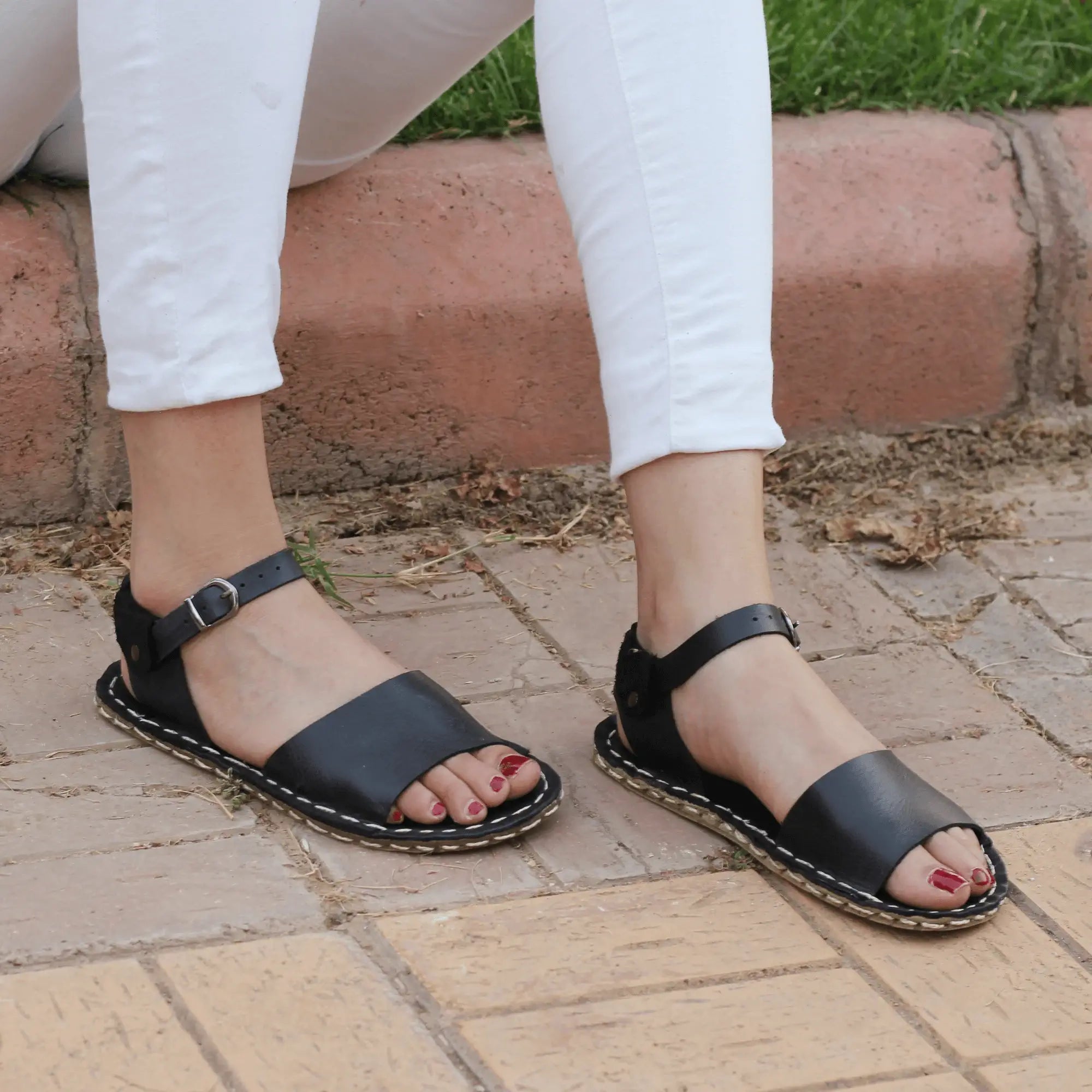
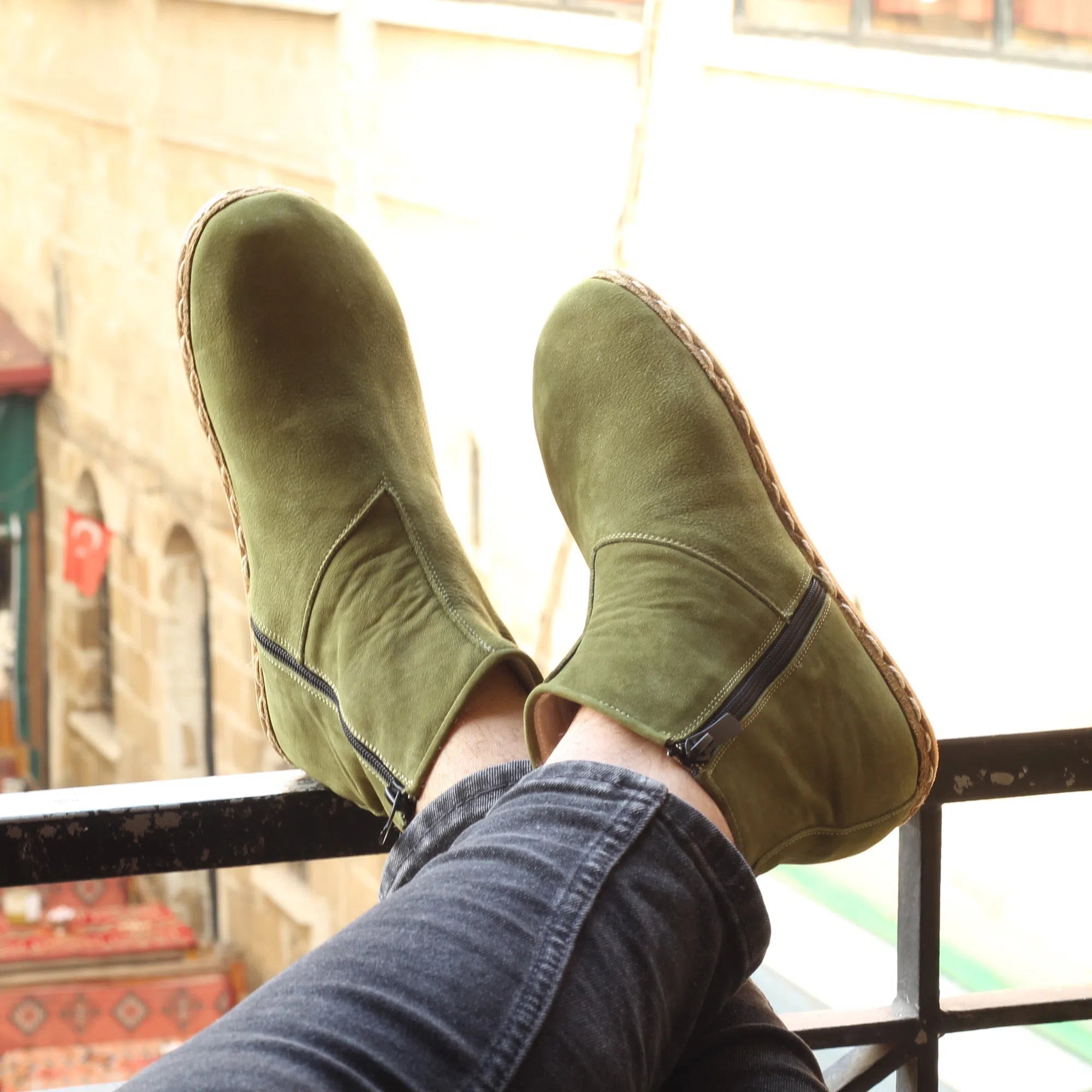
If your barefoot shoes feel harder, stiffer, or more demanding than you expected, that does not automatically mean the shoes are wrong for you. More often, it means your feet are being asked to move, spread, and work in ways that conventional footwear has trained them to avoid. Knowing how to make barefoot shoes more comfortable starts with a simple shift in mindset - comfort in minimalist shoes is not always about adding cushion. It is usually about improving fit, easing the transition, and letting your feet return to their natural job.
Traditional shoes have spent decades narrowing toes, lifting heels, and insulating the body from the ground. Barefoot shoes challenge that whole formula. They give your toes room, keep your posture more honest, and let the foot feel the surface beneath it. That freedom can feel incredible, but only when the fit, materials, and transition match your body.
How to make barefoot shoes more comfortable from day one
The fastest way to improve comfort is to stop treating barefoot shoes like regular shoes. A minimalist design works best when it fits closely at the heel and midfoot, while still allowing the toes to spread naturally. If the shoe is too loose, your foot may slide and rub. If it is too short or shallow, the wide toe box will not matter because your toes still will not move the way they should.
Start by checking where the discomfort is happening. Heel rubbing points to slippage or stiffness in the collar. Pressure on the little toe or big toe joint usually means the shape is off, even if the size seems right. Tightness over the top of the foot may come from lacing, low volume, or a leather upper that still needs time to soften.
With handmade leather barefoot shoes, there is often a short break-in period, but it should feel like soft adaptation, not punishment. Natural leather tends to relax and shape itself to your foot over time. That is a very different experience from synthetic materials that stay rigid and trap heat.
Focus on fit before you blame the sole
A lot of people assume discomfort comes from the thin sole. Sometimes it does, especially if you are used to thick foam underfoot. But very often the real problem is poor sizing or the wrong shape for your foot. A barefoot sole can feel surprisingly comfortable when your foot is stable, your toes have room, and the upper is not fighting your stride.
Pay attention to length, width, and volume. Some feet are wide at the forefoot but low in volume. Others are narrow in the heel and high through the instep. Comfort improves when the shoe matches all three, not just the number on the size label.
Adjust your lacing and closure
This sounds small, but it matters. If your foot is sliding forward, lock the heel with a tighter top lace and slightly looser forefoot. If the top of your foot feels compressed, release tension across the middle. Good lacing can turn an almost-right shoe into one that feels natural.
Slip-on barefoot styles need the same attention, just in a different form. If the leather is still firm, wearing them around the house in short sessions helps the upper learn your foot without forcing a long walk too soon.
Ease into natural movement
One of the biggest mistakes people make is wearing barefoot shoes all day on day one. That is not a strength move. It is usually a fast track to sore calves, tender arches, and a feeling that minimalist shoes are not for you.
If you are coming from padded sneakers or structured boots, your body needs time to adjust to zero-drop posture and greater ground feel. Your ankles, calves, and intrinsic foot muscles have likely been underused for years. Barefoot shoes ask them to rejoin the conversation.
Wear your shoes for short periods first - around the house, on errands, or during easy walks. Then increase the time gradually over a couple of weeks. This is especially important if you tend to heel-strike hard, have tight calves, or spend most of the day on concrete.
Let your gait soften
Barefoot shoes feel better when you stop stomping. A lighter step, shorter stride, and more controlled landing can make a dramatic difference. You do not need to overthink every step, but you do want to avoid crashing into the ground the way thick midsoles often allow.
Many people notice that once they relax and walk more naturally, the shoes feel less harsh and more responsive. The goal is not to force a new way of moving. It is to let your body rediscover one.
Use thin socks, not bulky fixes
If you want to know how to make barefoot shoes more comfortable without ruining the point of them, start with socks. Thin, breathable socks can reduce friction, manage moisture, and make leather feel smoother against the skin. Thick athletic socks, on the other hand, often crowd the toe box and change the fit too much.
Natural fiber socks usually work best because they breathe better and support temperature regulation. That matters in leather footwear, especially if you are trying to reduce sweat and hot spots. If your shoes feel slightly snug at first, an ultra-thin sock can help you break them in without adding pressure.
Some people prefer going sockless in leather barefoot shoes. That can feel excellent once the upper softens, but during the first few wears, a thin sock often makes the adjustment easier.
Know when an insole helps and when it does not
There is a strong temptation to solve every comfort issue with more padding. Sometimes that works. Often it just masks the real issue.
A thin, flat insole can be useful if you are transitioning slowly or if you walk on very hard surfaces for long stretches. It can take the edge off without changing the geometry of the shoe too much. But a thick, cushioned insole may reduce toe room, alter fit, and interfere with the natural ground feedback that makes barefoot shoes valuable in the first place.
That trade-off matters. If adding an insole makes the shoe feel cramped or unstable, it is not really increasing comfort. It is just replacing one problem with another.
For many people, the better move is temporary support while the feet adapt, then less interference over time. Minimalist footwear works best when the foot can feel, flex, and stabilize on its own.
Soften pressure points the right way
If one small area feels stiff, resist the urge to aggressively bend, soak, or overwork the shoe. Handmade leather responds better to patient wear than brute force. Short, repeated sessions are usually enough to soften the upper and help it shape to your foot.
You can also massage the leather gently with your hands around specific pressure points before wearing. The goal is not to stretch the shoe out dramatically. It is to reduce rigidity where your foot needs more freedom.
If rubbing happens at the heel, check whether the shoe is too long or whether your foot is lifting because of loose closure. If pressure happens at the forefoot, make sure your toes are not being pushed into the front by downhill walking, fast pacing, or improper sizing.
Comfort also depends on where you wear them
Surface matters. Barefoot shoes can feel incredible on natural ground and much more demanding on unforgiving pavement. That does not mean city wear is off the table. It means your adaptation may need to be slower if most of your day happens on concrete, tile, or asphalt.
Your own body matters too. A strong, active walker may adapt quickly. Someone with years of supportive footwear, foot stiffness, or posture issues may need more time. Neither approach is wrong. The point is to work with your body, not against it.
That is why quality materials and construction matter so much. A well-made barefoot shoe does not just strip things away. It gives your foot room to function while using natural materials that breathe, flex, and mold over time. That is where true comfort lives - not in artificial bulk, but in freedom, alignment, and a closer relationship between your body and the ground.
Nefes Shoes builds around that idea with handmade leather construction, wide toe freedom, and zero-drop simplicity that supports natural movement without giving up style.
When discomfort is a sign to stop
There is a difference between adaptation and a bad fit. Mild muscle fatigue, increased foot awareness, and slight stiffness during transition can be normal. Sharp pain, numbness, persistent rubbing, or toe compression are not. If the discomfort gets worse each time you wear the shoes, pay attention.
Better barefoot comfort does not come from forcing your feet into a philosophy. It comes from finding the right shape, the right pace, and the right materials for your body. When those pieces line up, barefoot shoes stop feeling like a challenge and start feeling like relief.
Your feet were not designed for narrow walls, lifted heels, and thick synthetic barriers. Give them room, give them time, and comfort tends to follow.