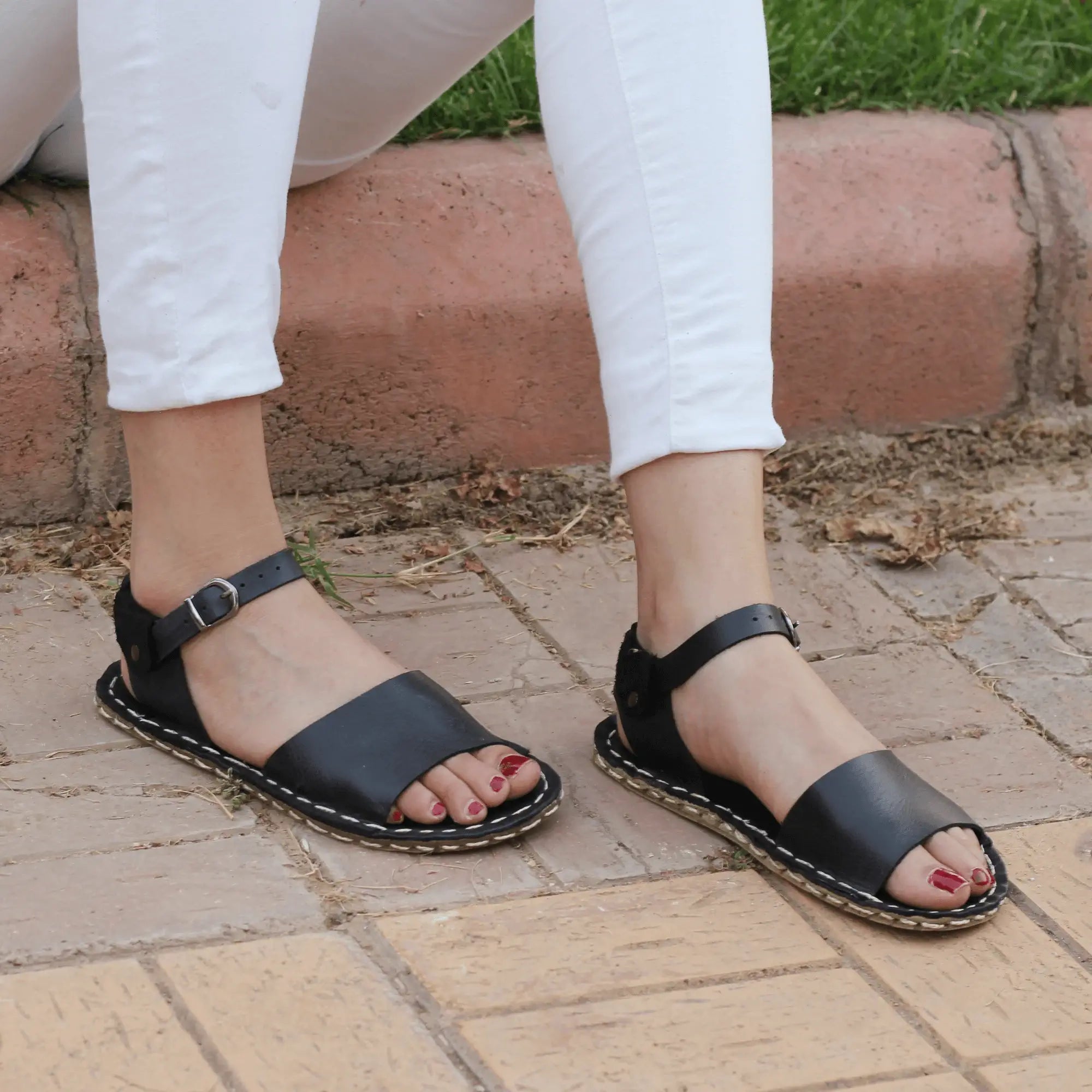
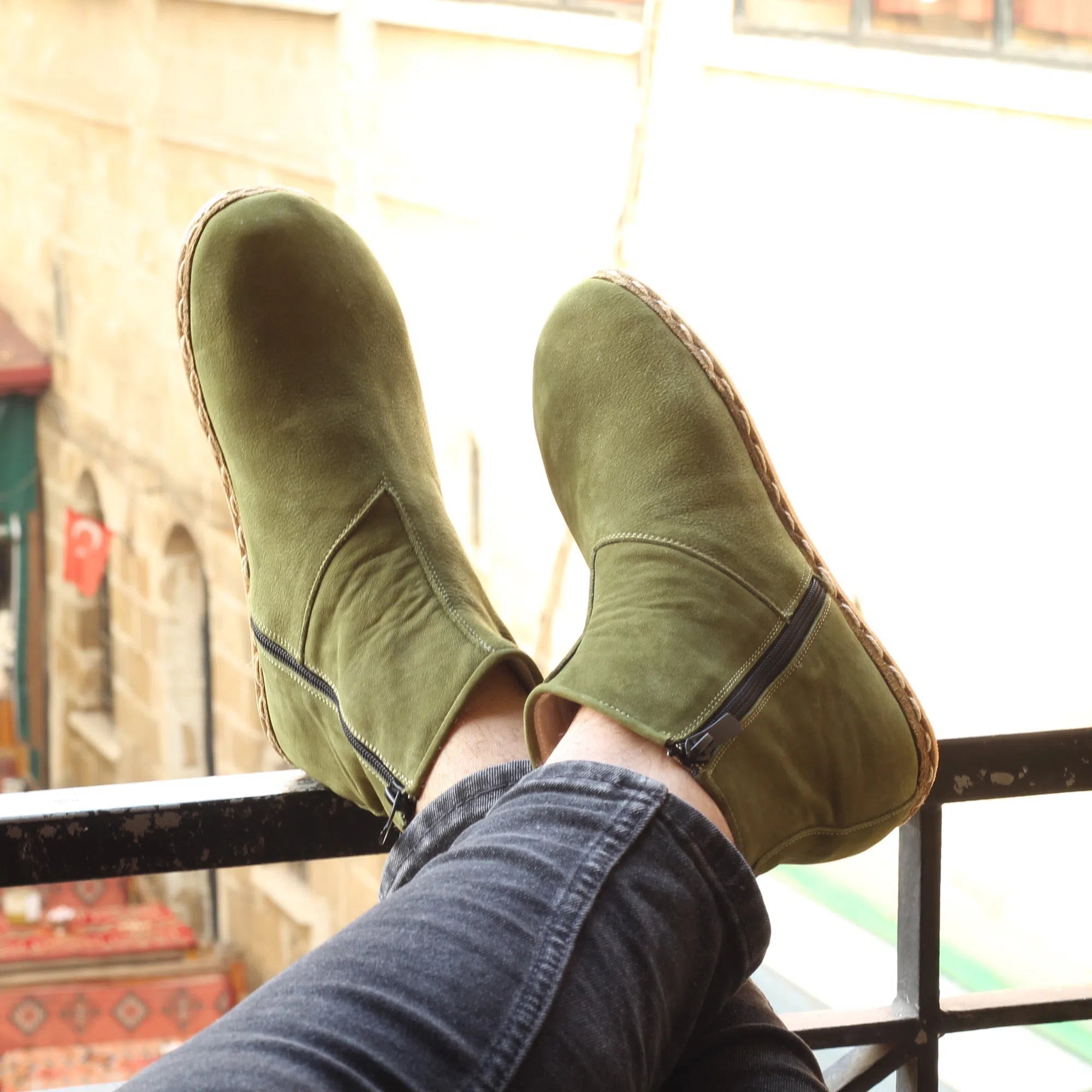
A loafer should not ask your toes to become smaller so you can look put together. Yet conventional slip-ons often do exactly that: narrow at the front, raised at the heel, and stiff enough to turn a short walk into a reminder that style has a cost. Wide toe box loafers offer a different standard. They keep the clean, confident shape of a classic shoe while making room for the foot you were born with.
For people who have moved toward barefoot living, natural materials, or simply less restrictive footwear, that difference is not cosmetic. Your toes are part of how you balance, stabilize, and move. When they can spread naturally instead of being pressed together, the whole shoe feels less like a container and more like a companion.
Why conventional loafers feel restrictive
Traditional loafers were designed around a dress-shoe silhouette, not the natural outline of a human foot. The result is familiar: a pointed or tapered forefoot that narrows exactly where many feet are widest. Your big toe angles inward, your smaller toes lose room, and the upper can press across the top of the foot.
A narrow shoe may feel acceptable when you first put it on, especially if the leather is soft. But standing at work, walking through an airport, or spending a full day on your feet can reveal the real fit. Pressure builds gradually. Toes rub. Feet feel hot and tired. You may start choosing outfits around the shoes you can tolerate rather than the shoes you actually want to wear.
Raised heels add another compromise. Even a modest heel changes the relationship between your heel and forefoot, shifting more load forward. That may be normal in mainstream footwear, but normal is not the same as natural. A flat, zero-drop sole keeps the heel and forefoot at the same height, allowing a more level foundation beneath the body.
What makes wide toe box loafers different
The phrase “wide” can be misleading. A shoe that is wide through the middle but still pinches at the toes is not truly foot-shaped. Real wide toe box loafers provide room where it matters most: across the forefoot and around the ends of the toes.
That extra space supports natural toe splay. Your toes can relax, adjust as you walk, and help create a stable base. The goal is not a loose, sloppy fit. A well-made loafer should hold securely through the heel and midfoot while leaving the forefoot free to do its job.
The best barefoot-inspired loafers also pair that shape with a flexible sole and zero-drop construction. Flexibility lets the foot bend rather than forcing it to move as one rigid unit. A thin, responsive sole can also provide more awareness of the ground beneath you. For people drawn to grounding practices, natural leather soles offer a particularly compelling connection - a material closer to the earth than thick layers of synthetic foam and rubber.
There is a trade-off, and it is worth saying plainly. Thin, flexible soles do not create the heavily cushioned feeling of athletic shoes. If your feet have spent years in structured footwear, natural movement may feel unfamiliar at first. That is not a reason to force a fast transition. It is a reason to listen to your body and increase wear time gradually.
The loafer that works beyond casual days
A wide toe box does not have to look orthopedic. That old assumption belongs to an era when foot comfort and personal style were treated as opposites. A thoughtfully shaped leather loafer can look refined with tailored trousers, linen sets, jeans, dresses, or relaxed office wear.
The secret is proportion. A foot-shaped toe box can remain elegant when the shoe is designed with clean lines, quality leather, and a low-profile sole. Handmade construction matters here. Artisans can shape leather with more care than a factory process built around standard molds and glued-on components.
Leather also changes the wearing experience. Natural leather is breathable, durable, and capable of adapting to the foot over time. It will not transform a poorly shaped shoe into a healthy one, but in a properly designed loafer, it can create a personalized feel that synthetic uppers rarely match. Full-leather construction also brings a distinct character: subtle texture, rich color variation, and a finish that becomes more personal with wear.
How to find the right fit
Do not buy loafers by assuming your usual dress-shoe size will tell the whole story. Measure both feet while standing, preferably later in the day when feet are naturally a little fuller. Use the longer foot as your reference, then compare both length and width to the brand’s sizing guidance.
When trying on a wide toe box loafer, check your foot rather than relying only on the initial sensation of softness. Your longest toe should have a little room in front of it. Your toes should lie flat without curling or overlapping. Most importantly, the shoe should not taper inward and push the big toe toward the others.
Pay attention to heel security as well. A loafer needs enough hold at the heel and instep to stay with you during a natural stride. If the heel slips excessively, the shoe may be too large or too high in volume. If the upper digs into the top of your foot, the issue may be volume rather than length. Loafers vary widely, so a foot-friendly toe box should be only one part of the fit conversation.
Transitioning from narrow shoes with more awareness
If you have worn narrow, supportive, or high-heeled shoes for years, your feet may need time to rediscover their own strength and mobility. Start by wearing wide toe box loafers for short errands, work-from-home hours, or easy walks. Increase time as your feet, calves, and balance adapt.
This is not about chasing discomfort in the name of wellness. Sharp pain, numbness, or ongoing irritation is a signal to pause and reassess fit, activity level, or transition speed. People with existing foot conditions, recent injuries, or medical concerns should speak with a qualified clinician before making a dramatic change in footwear.
Simple habits can help the process feel more natural. Spend a few minutes barefoot at home when practical. Let your toes spread. Move your ankles through a comfortable range. Choose level, predictable surfaces while you adjust to a thinner sole. The point is not to train your feet like a project. It is to stop asking them to live inside a shape that fights their design.
Why materials matter as much as shape
A roomy toe box is powerful, but a shoe’s materials determine much of its daily comfort. Plastic-heavy footwear can trap heat and moisture, especially during long days. Natural leather allows more breathability and develops a lived-in softness that makes a handcrafted shoe feel even better over time.
At Nefes Shoes, handmade leather footwear is built around this belief: health begins with the feet, and shoes should not disconnect you from your natural movement. A flexible buffalo leather sole, wide toe box, and zero-drop foundation create a loafer that feels grounded rather than overbuilt.
That approach will not suit every situation. If you need specialized protective footwear for a job site, intense traction for technical hiking, or a highly structured medical device, a minimalist loafer is not the answer. But for daily life - commuting, traveling, meeting friends, working, and moving through your own neighborhood - it can be a remarkably capable choice.
A better standard for everyday polish
The right loafer should make getting dressed easier, not make your feet pay for the outfit later. When your toes have room, your heel sits level, and the sole can move with you, comfort stops being an afterthought hidden behind a polished upper.
Choose shoes that respect the width of your forefoot, the strength of your feet, and your desire to look like yourself. Wide toe box loafers are not a compromise between natural comfort and personal style. They are proof that a classic shoe can finally give your feet the freedom they have been waiting for.