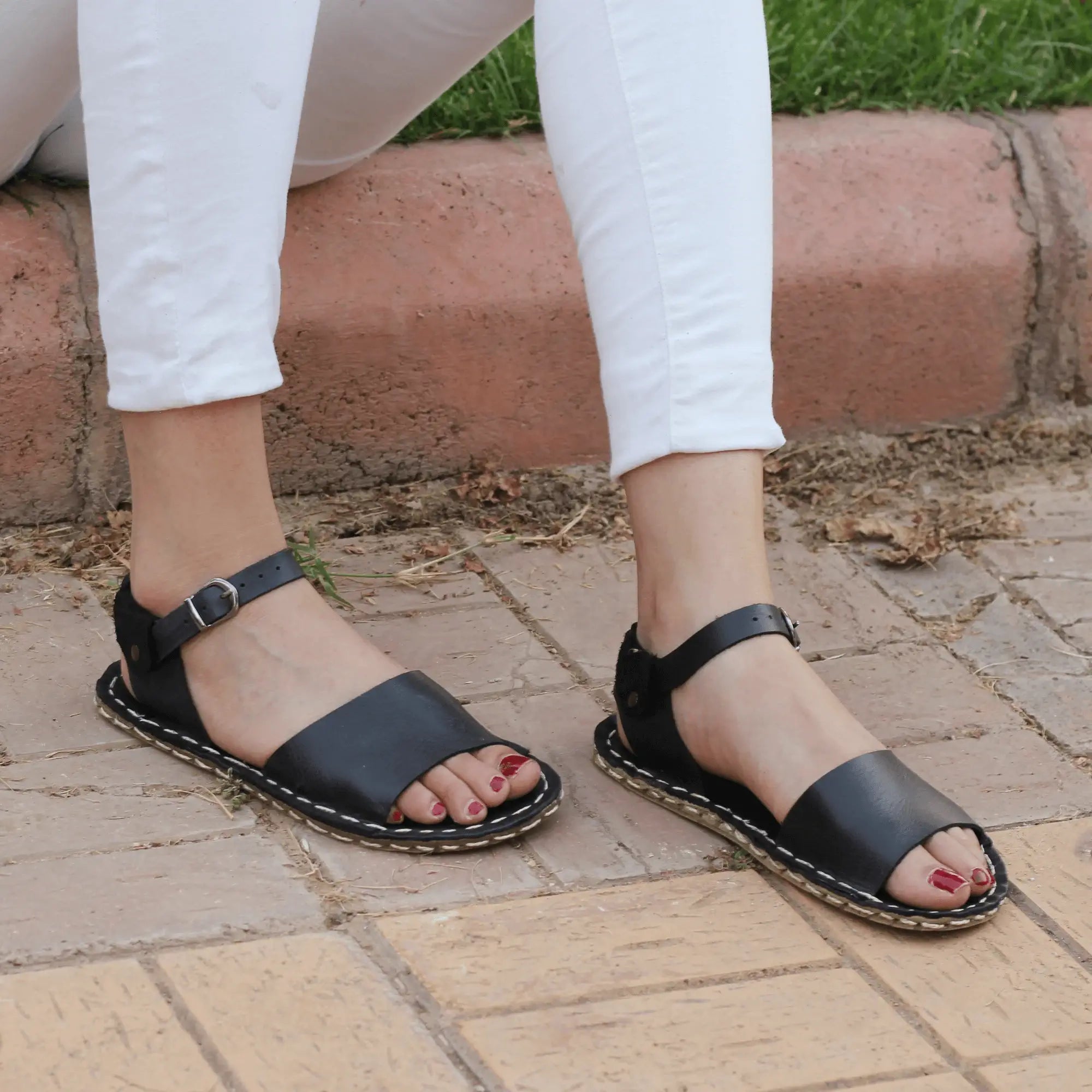
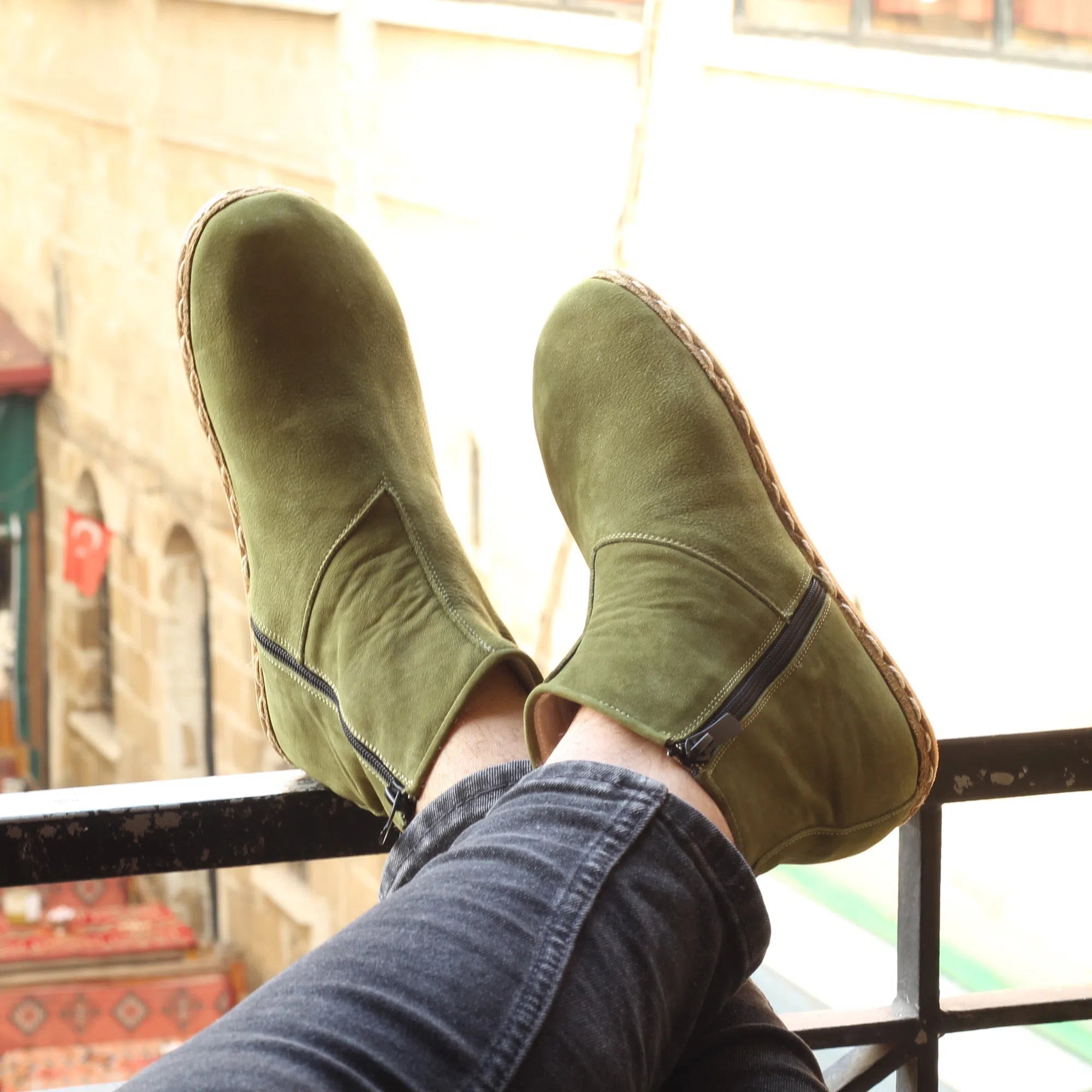
Your posture does not begin at your shoulders. It begins where your body meets the ground. Every step asks your feet to sense, stabilize, and support the weight above them. So, can wide toe boxes help posture? They can be one meaningful piece of the picture, especially when they allow your toes to spread, your feet to work naturally, and your body to stop compensating for shoes that fight its shape.
A wide toe box is not a posture cure, and no shoe can erase every cause of back, hip, or neck discomfort. Posture is shaped by strength, mobility, work habits, old injuries, stress, and how much you move. But footwear matters more than conventional shoe design would have us believe. When a shoe squeezes the front of the foot or lifts the heel, it can change the way you stand and walk from the ground up.
How wide toe boxes may help posture
Your toes are not decorative ends of the foot. They are part of your foundation. In a natural stance, the toes spread to create a broader, more stable base. The big toe in particular plays a major role in balance and forward movement during walking.
Narrow, tapered shoes press the toes toward one another. Over time, that crowding can make it harder for the foot to use its full surface area when you stand, squat, or push off the ground. A wide toe box gives the forefoot room to return closer to its natural shape. That extra room may help you feel more grounded and stable, which can influence how the ankles, knees, hips, and spine organize above the feet.
Think of it like standing on a narrow ledge versus standing on solid ground. The body can adapt to either one, but it usually has to work harder when the base is restricted. When toes have room to splay, some people notice they stop gripping the floor, shifting their weight from side to side, or locking their knees to feel steady.
That does not mean wider is always better without limits. A shoe should still hold the heel securely and fit the length and volume of your foot. A toe box that is wide but sloppy can create its own instability. The goal is not an oversized shoe. The goal is enough space for the toes to relax and move without being compressed.
The posture connection is bigger than toe space
Wide toe boxes matter, but posture-friendly footwear is about the whole platform. If you are looking for a shoe that supports natural alignment, three design choices work together: a foot-shaped toe box, a level sole, and a flexible construction.
A level sole can reduce artificial forward tilt
Many conventional shoes place the heel higher than the forefoot. This is often called a heel-to-toe drop. A raised heel angles the foot forward even when you are standing still. To keep your center of gravity from tipping too far forward, your body may adapt through the ankles, knees, hips, or lower back.
A zero-drop shoe keeps the heel and forefoot at the same height. For many wearers, that creates a more natural starting point for standing and walking. It does not force perfect posture, but it removes one artificial slope from the equation.
There is a trade-off. If you have worn raised heels for years, your calves and Achilles tendons may be accustomed to that position. Moving immediately into zero-drop footwear for long days can feel demanding. The answer is not to give up on natural movement. It is to transition with patience.
Flexible soles let the foot do its job
A stiff sole can make a shoe feel protective, but it can also prevent the foot from bending and sensing the ground as it was designed to. Your feet contain a dense network of nerves that help guide balance and coordination. When the sole is flexible enough to let the foot move, you may become more aware of how you are landing, loading, and pushing off.
This awareness matters because posture is dynamic. It is not about holding a rigid military stance all day. Healthy alignment is the ability to make small, constant adjustments as you breathe, walk, turn, and stand. Feet that can feel and respond are part of that conversation.
Natural materials can make freedom easier to wear
Fit is not only about measurements. It is also about how a shoe behaves after hours on your feet. Breathable leather can conform to the foot over time, while a carefully made flexible sole allows movement without the plasticky stiffness common in mass-produced footwear.
At Nefes Shoes, handmade leather construction is paired with wide toe boxes and zero-drop design because natural movement should not require sacrificing character. Shoes can honor the shape of the foot and still look like they belong with real clothes, real workdays, and a life lived outside the gym.
Signs your shoes may be affecting your alignment
No single sensation proves that footwear is causing a posture problem. Still, your body may be asking for more room and a more natural platform if you regularly feel cramped, unstable, or disconnected from the ground.
Pay attention if your toes overlap, curl, or feel numb by the end of the day. Notice whether you instinctively remove your shoes as soon as you get home, whether your feet ache after standing, or whether you feel less balanced in shoes than barefoot. These are not failures of your body. They can be signs that the shoe is asking your feet to become smaller, stiffer, or less responsive than they want to be.
Also consider your walking pattern. If you take short, guarded steps in structured shoes but move more freely in barefoot-style footwear, that contrast is worth exploring. A wide toe box will not fix a gait issue by itself, yet it can give your feet the space to participate in a healthier pattern.
How to transition without trading freedom for soreness
The strongest argument for natural footwear is not that it changes everything overnight. It is that it gives your body the chance to use abilities that conventional shoes often mute. That opportunity works best when you build into it gradually.
Start with short walks, errands, or a few hours at home in wide toe box, zero-drop shoes. Let your calves, arches, and ankles adapt before taking them on a long hike, a full work shift, or an intense workout. If you have significant pain, a recent injury, diabetes-related foot concerns, or a diagnosed condition affecting gait, seek individualized guidance from a qualified health professional before making a major change.
As you transition, do not force a "perfect" posture. Instead, use simple cues: stand with your weight spread across the heel, big toe area, and little toe area; let your toes rest rather than claw; keep a soft bend in the knees; and breathe. The best posture often feels less like holding yourself up and more like allowing your body to stack naturally over a stable base.
Can wide toe boxes help posture for everyone?
They can help create better conditions for posture, but the result depends on the person and the shoe. Someone with healthy feet who simply spends long days in narrow dress shoes may feel a difference quickly. Someone with long-standing pain, limited ankle mobility, or pronounced weakness may need footwear changes alongside mobility work, strength training, clinical care, or changes to daily habits.
Foot shape matters too. Some people need extra width across the forefoot, while others need more depth above the toes. A good fit leaves a small amount of space in front of the longest toe, allows the toes to spread, and does not pinch at the sides. Your heel should feel secure without being locked into a hard, restrictive shell.
The real question is not whether a shoe can manufacture ideal posture. It is whether it gives your body room to find its own steadier, stronger position. Shoes that compress your toes and tilt your heels rarely support that goal. Shoes that respect the foot's natural width, keep you level, and let you feel the earth beneath you offer a different starting place.
Your feet carry every version of your day. Give them room to spread, sense, and stand strong, then let the rest of your body follow.