A sneaker can look effortless while asking your feet to work around a narrow, stiff, elevated shape all day. That is the real question behind minimalist sneakers vs regular sneakers: are your shoes supporting the way human feet naturally move, or are your feet adapting to the shoe?
For many people, conventional sneakers are simply what they have always worn. Cushioned soles, raised heels, tapered toe boxes, and synthetic uppers have become the default. Minimalist sneakers challenge that default. They return the foot to a flatter, wider, more flexible foundation designed to make room for natural movement rather than control it.
The difference is not just about appearance or how much padding sits beneath your heel. It affects toe freedom, posture, sensory feedback, comfort, and the relationship between your body and the ground.
Minimalist Sneakers vs Regular Sneakers: The Core Difference
Regular sneakers are typically built to cushion, stabilize, and shape the foot. Their thick soles soften impact, their heel-to-toe drop lifts the heel above the forefoot, and their tapered fronts often press the toes toward the center. These features can feel familiar and protective, especially if you have spent years in athletic shoes.
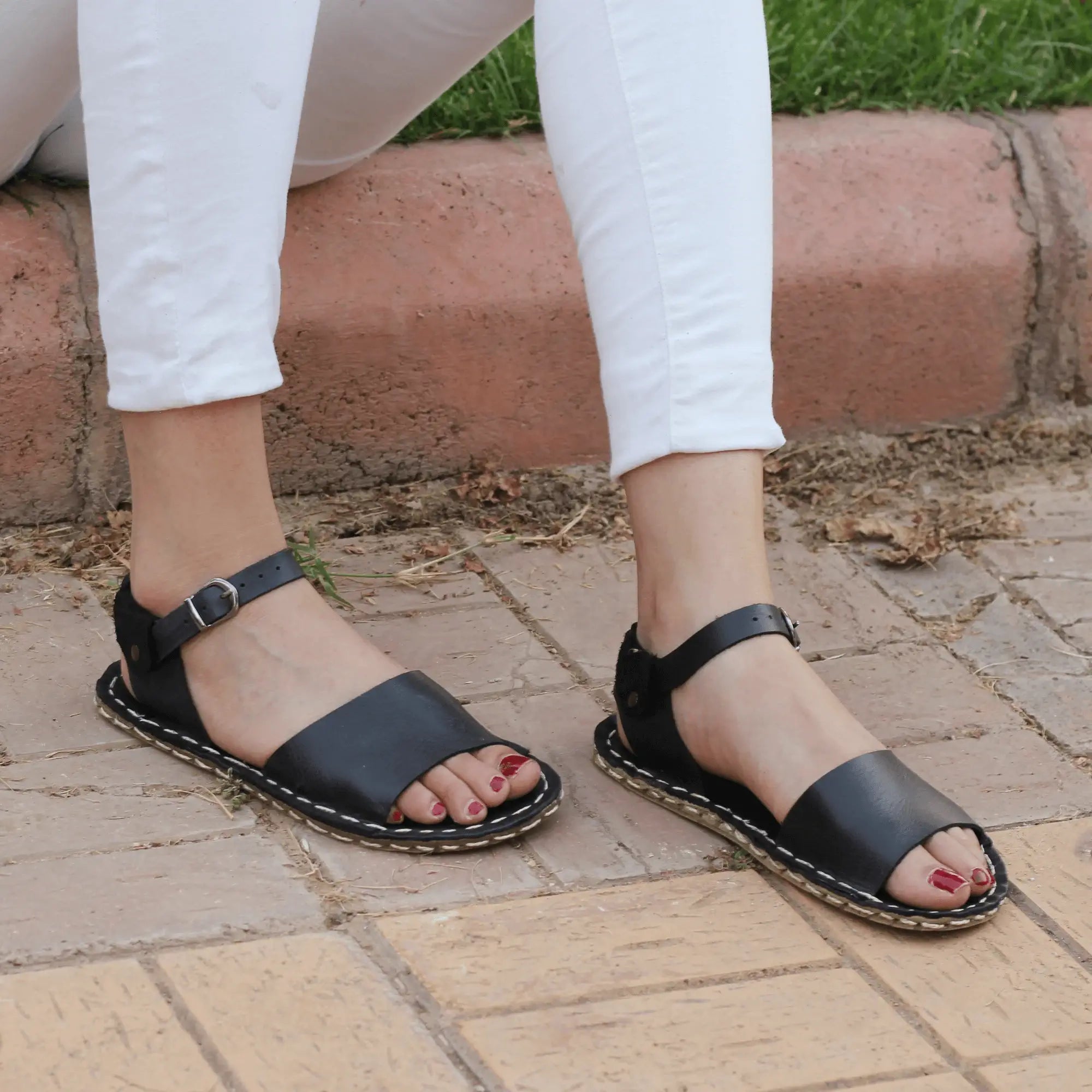
Minimalist sneakers take the opposite approach. A well-designed pair usually has a wide toe box, a zero-drop sole, flexible construction, and less material between your foot and the ground. Instead of adding structure to direct movement, minimalist footwear gives the foot room to do the work it was designed to do.
That does not mean every minimalist sneaker is thin, hard, or difficult to wear. It means the shoe avoids unnecessary interference. The goal is freedom with protection: enough sole to handle daily life, without trapping the foot in a rigid mold.
Toe Space Changes More Than Comfort
Look down at a typical sneaker. There is a good chance the front narrows into a pointed or rounded shape that does not resemble the outline of a human foot. Toes are naturally widest at their tips when they are relaxed and spread. Yet many regular sneakers ask them to stack, angle inward, or stay compressed for hours.
A wide toe box gives the toes space to splay as you stand, walk, and balance. This can feel immediately relieving for people who deal with rubbing, pressure, sweaty feet, or the cramped sensation that builds by the end of the day. More importantly, toe freedom supports a more stable base beneath the body.
Your toes are not decorative. They help you balance, push off, and respond to changing surfaces. When they are squeezed together, the foot loses part of its natural foundation.
Minimalist sneakers do not force the toes apart. They simply stop preventing them from moving. For some wearers, that small shift is the first time a sneaker has actually felt shaped for their foot rather than shaped for a store display.
Heel Height and the Question of Alignment
Most regular sneakers have a raised heel. This difference between heel height and forefoot height is called heel-to-toe drop. Even a modest lift changes the angle of the foot and can influence how the ankles, knees, hips, and spine stack above it.
Minimalist sneakers are commonly zero-drop, meaning the heel and forefoot sit at the same height. A flat platform allows the foot to rest in a more natural position. Many people appreciate this because it feels more grounded and balanced, particularly during walking and everyday standing.
But zero-drop is not a magic switch. If you have worn raised heels for years, your calves and Achilles tendons may be accustomed to that position. Moving immediately into flat shoes for a full day can feel demanding. The body often needs time to adapt.
Start with short walks, errands, or a few hours at home. Let your feet, calves, and gait adjust gradually. Comfort should build over time, not be forced through soreness. If you have an injury, persistent pain, diabetes, circulation concerns, or a diagnosed foot condition, speak with a qualified healthcare professional before making a significant footwear change.
Cushioning Versus Ground Feel
Thick cushioning can make a shoe feel soft in the moment. That is why regular sneakers often create a strong first impression. But softness and long-term comfort are not always the same thing.
A heavily padded sole can reduce the sensory information your feet receive from the ground. Your feet contain a remarkable number of nerves and small muscles that help guide balance and movement. When every surface feels muted, the foot has less opportunity to respond naturally.
Minimalist sneakers provide more ground feel. You notice pavement, grass, packed earth, and changes in terrain more clearly. That feedback encourages more deliberate steps and greater body awareness. For people drawn to grounding practices, this closer relationship with the earth can be part of the appeal, especially when footwear uses natural, conductive materials rather than thick synthetic barriers.
Still, thinner soles are not automatically better for every situation. A long day on rough concrete, a demanding work environment, or a hike with a heavy pack may call for more protection. The right choice depends on the activity, your adaptation level, and the condition of your feet.
Materials Matter: Leather Versus Synthetic Construction
The minimalist sneaker conversation often focuses on sole thickness, but the upper matters too. Many conventional sneakers rely heavily on synthetic mesh, foam, plastic overlays, and glued construction. These materials can be lightweight, but they may also trap heat, encourage sweat, and wear out in ways that are hard to repair.
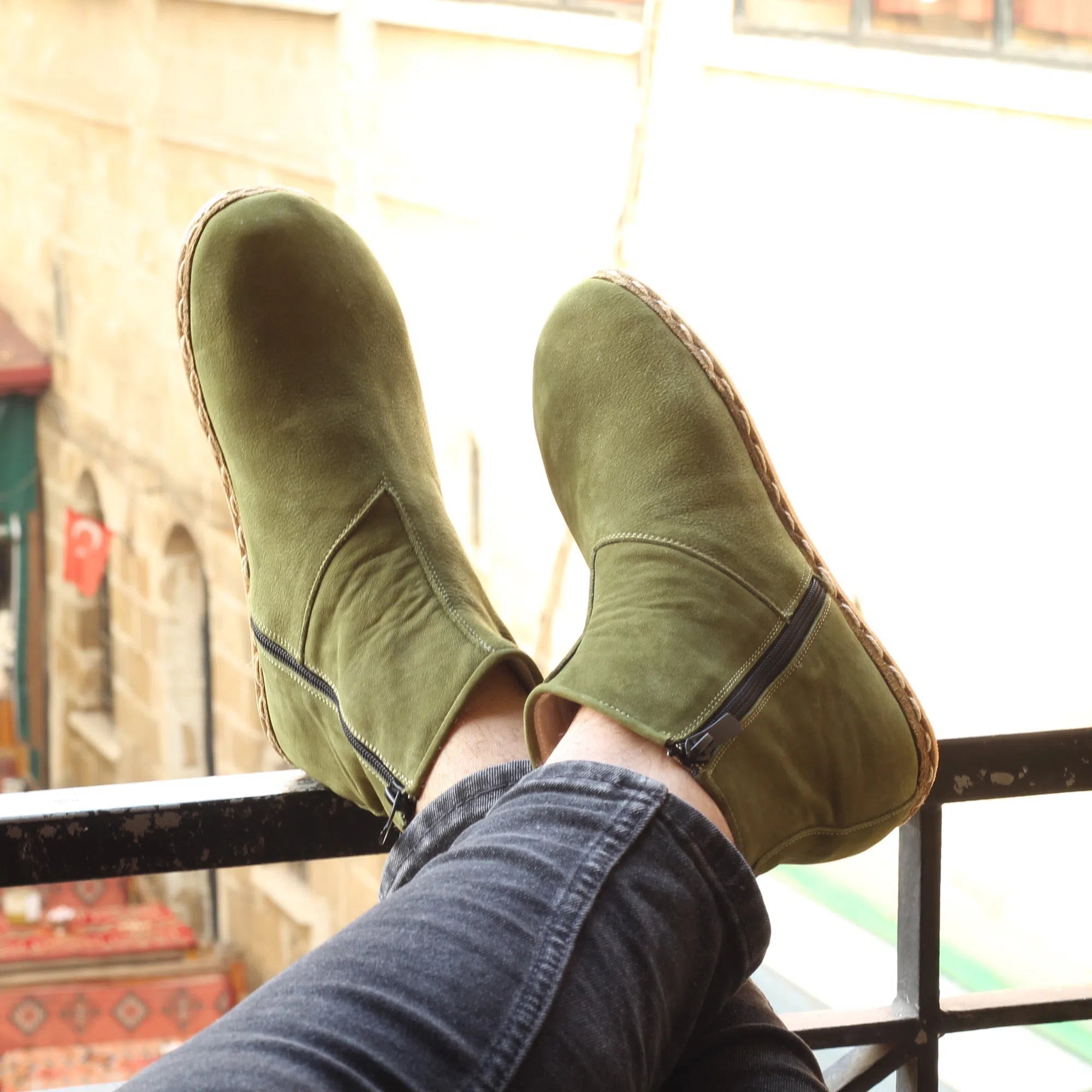
Natural leather brings a different experience. Quality leather breathes, conforms gradually to the foot, and develops character with wear. It does not need to look disposable to be functional. A handmade leather sneaker can support natural movement while carrying the texture, durability, and individuality that mass-produced footwear often lacks.
At Nefes Shoes, the focus is not only on wide toe boxes and zero-drop design. It is also on creating footwear with natural leather and artisan craftsmanship that feels connected to the body rather than engineered to overpower it. A shoe should protect your feet without making them feel sealed away from the world.
What Regular Sneakers Still Do Well
Regular sneakers are not useless, and dismissing them entirely misses the point. They can offer targeted protection, sport-specific support, and familiar cushioning. A runner training for a particular event, a worker on industrial flooring, or someone recovering under professional guidance may need features that a minimalist sneaker does not provide.
The problem is not that cushioned shoes exist. The problem is treating heavily structured footwear as the only sensible option for every foot, every day, and every activity.
Many adults wear regular sneakers because they assume foot discomfort requires more padding, more arch support, and more control. Sometimes the opposite is worth considering: could the foot benefit from more room, more movement, and less interference?
Who May Prefer Minimalist Sneakers?
Minimalist sneakers can be a strong fit for people who want everyday shoes that feel less restrictive. They are especially appealing if you are tired of cramped toes, dislike elevated heels, want greater awareness underfoot, or value natural materials over synthetic construction.
They also suit people who see footwear as part of a broader wellness practice. If you care about posture, mobility, barefoot living, grounding, or simply feeling more present in your body, the design principles make sense. Your feet carry you through every errand, walk, commute, and quiet moment at home. Giving them space is not a minor upgrade.
The transition is personal. Some people feel immediate relief from a wider toe box. Others need several weeks to build tolerance for a flatter, more flexible sole. Neither response is wrong. Listen to your body and increase wear time at a pace that feels sustainable.
Choose the Shoe That Lets Your Feet Be Feet
The best shoe is not the one with the most technology packed into its sole. It is the one that matches your life while respecting the structure of your feet. For everyday movement, that often means choosing space over squeeze, flexibility over stiffness, and a level foundation over an unnecessary lift.
Try standing in your current sneakers at the end of a long day. Notice your toes, your heel position, and whether your feet feel free or contained. That honest feeling is a useful place to begin. Your feet have spent a lifetime carrying you forward. They deserve shoes that let them move like feet.