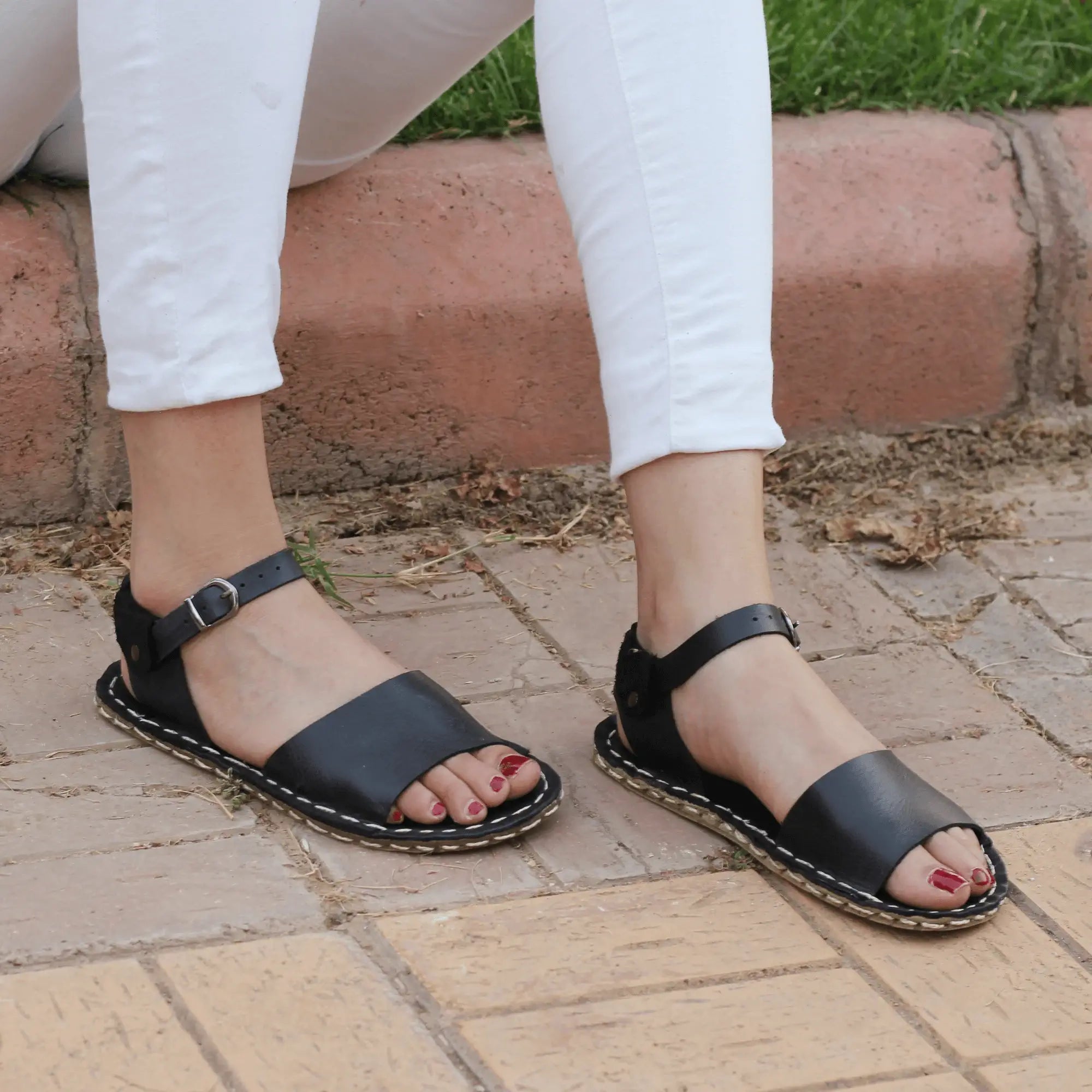
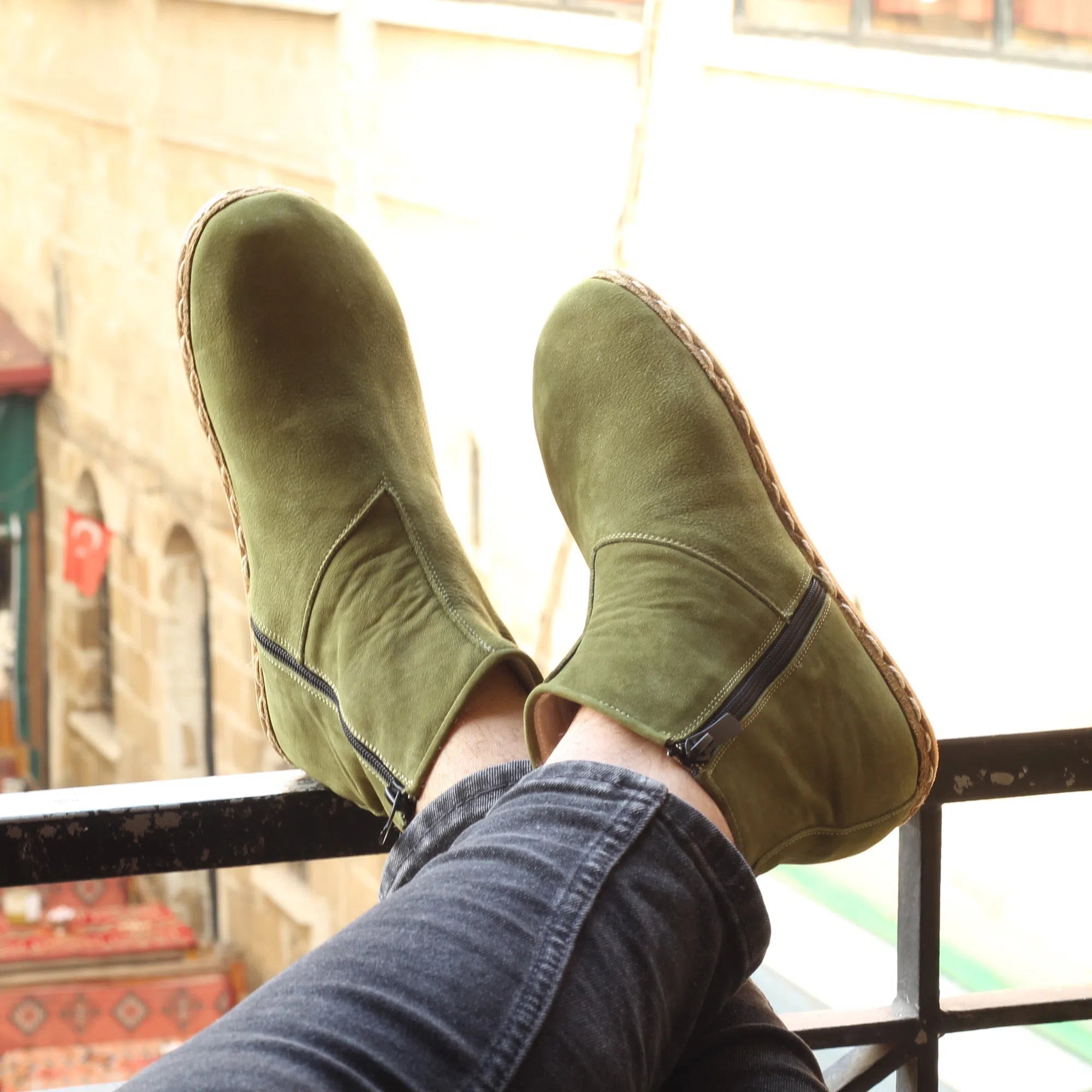
A real grounding sandals review should begin where your feet meet the ground, not with a vague promise on a product page. If a sandal pinches your toes, lifts your heel, traps sweat, or puts a thick synthetic barrier between you and the earth, it is working against the very reason many people seek grounding footwear.
The best grounding sandals do more than look natural. They give your toes room to spread, keep your foot close to level, use materials that feel good against bare skin, and create a more direct path between your body and the ground. That combination can feel radically different from conventional sandals built on foam, plastic, narrow straps, and elevated heels.
Grounding is not a substitute for medical care, and no sandal can promise to cure pain or health conditions. But for people who value natural movement, time outdoors, and a less restricted relationship with their feet, the right pair can be a meaningful part of everyday life.
Grounding Sandals Review: What Makes a Pair Legit?
The word “grounding” gets used loosely. A sandal is not grounding simply because it has an earthy color or a minimalist look. The construction matters.
First, look at the sole. Many standard sandals use rubber, EVA foam, or stacked synthetic layers designed to cushion and isolate the foot. Those materials may be useful in certain settings, but they can also create a barrier between bare skin and the ground. A grounding-focused sandal should use conductive materials or a purposeful conductive design that allows contact to travel from the foot toward the earth when you are standing or walking on conductive surfaces such as soil, wet grass, sand, or concrete.
Natural leather is especially compelling for people who want a less synthetic experience. A well-made leather footbed breathes, gradually conforms to the contours of your foot, and has character that factory-made foam cannot imitate. Natural buffalo leather soles, used in select handmade designs from Nefes Shoes, bring density, durability, and a direct-to-earth philosophy to the sandal instead of hiding your feet behind thick, lifeless cushioning.
Second, inspect the shape. Grounding does not mean much if your toes are crammed into a pointed front. A foot-shaped sandal with a wide toe box lets the big toe sit in its natural position and gives the smaller toes space to participate in balance. Your feet were not designed to behave like narrow wedges.
Finally, check the heel. Zero-drop construction means the heel and forefoot sit at the same height. This can support a more natural standing position than a raised heel, which tips the body forward and changes how your ankles, knees, hips, and back manage load. The adjustment can take time if you have spent years in conventional shoes, but the design principle is refreshingly simple: let the foot stand as a foot.
What Grounding Sandals Feel Like on the Foot
The first thing many new wearers notice is not electricity or any dramatic sensation. It is freedom. A good sandal allows your toes to move instead of clenching to keep the shoe in place. It lets your foot flex as you walk. It avoids the marshmallow-like instability of overly soft foam.
Leather also creates a different wearing experience than synthetic straps and footbeds. At first, quality leather can feel firmer than foam and may need a short break-in period. With regular wear, it softens in the right places and develops a personalized fit. That is a feature, not a flaw. Handmade leather footwear is meant to become yours over time.
Breathability is another practical advantage. Bare feet and low-quality synthetic sandals often create a cycle of sweat, odor, and slipping. Leather can help manage moisture more naturally, particularly when it is left uncoated and able to breathe. It will still need care, especially after getting wet, but it does not trap heat in the same way as plastic-heavy footwear.
A thin, flexible sole also gives more sensory feedback from the ground. You may notice changes in pavement, packed dirt, grass, and stone that thick shoes erase. For many natural-movement walkers, that feedback encourages a lighter step. For others, especially those accustomed to heavily cushioned shoes, it can feel intense at first. Neither reaction is wrong.
Comfort Depends on More Than a Conductive Sole
A grounding sandal can be beautifully made and still be the wrong sandal for your foot. Fit is where an honest review has to push past marketing language.
Your heel should sit securely without hanging over the back edge. Your toes should remain inside the footbed with room in front of the longest toe. Straps should hold the sandal close enough to prevent sliding but never leave deep marks or squeeze across the top of the foot. If you have a high instep, adjustable straps or a more open design usually offer a better experience than a fixed, narrow upper.
Pay attention to width, too. Many people assume they have wide feet when the real problem is that they have spent years in shoes shaped too narrowly. A foot-shaped sandal can feel unusually spacious at first because it gives your toes the room they have been missing. That extra space is not sloppy fit. It is functional space for splay, stability, and movement.
Transition matters. If you normally wear supportive athletic shoes, work boots, or thick recovery sandals, do not expect your feet and calves to immediately love a thin zero-drop sole for all-day city walking. Start with short walks, errands, time around the house, or easy outdoor routes. Let your feet rebuild capacity gradually. Natural movement is powerful, but forcing a sudden change is not the same as training wisely.
The Trade-Offs Worth Knowing Before You Buy
Grounding sandals are not designed to be everything to everyone. That honesty makes them more useful.
A thin sole offers flexibility and connection, but it will not mute sharp gravel the way a thick hiking sandal does. Leather is breathable and beautiful, but it needs occasional cleaning and conditioning to stay its best. Open sandals are ideal for warm weather and dry conditions, but they offer less protection from cold, deep mud, and workplace hazards.
The surface beneath you also affects the grounding experience. Natural ground, damp earth, wet grass, sand, and unsealed concrete are generally more relevant than dry carpet, wood flooring, or heavily insulated surfaces. If you spend most of your day indoors on upper floors, you may still enjoy the freedom and comfort of minimalist sandals, but the earth-connection aspect will naturally be more limited.
There is also a style trade-off, although it is often a welcome one. Handmade grounding sandals do not aim for the disposable, logo-heavy look of mass-market footwear. Their appeal is texture, visible craftsmanship, natural materials, and a shape that respects the foot. They look more individual because they are built around a different idea of what a shoe should be.
Who Will Get the Most From Grounding Sandals?
These sandals make the most sense for people who already value being outdoors, walking on natural surfaces, and wearing less restrictive footwear. They are especially appealing if you are tired of sweaty synthetic sandals, cramped toe boxes, and shoes that feel disconnected from your body.
They can be a strong everyday option for neighborhood walks, travel, warm-weather errands, casual work environments, gardening, beach days, and slow weekends outside. They also fit naturally into a barefoot or minimalist footwear rotation, giving your feet a break from structured shoes without asking you to abandon personal style.
If you need significant cushioning, work on hazardous terrain, or have a medical condition affecting sensation, circulation, balance, or foot health, choose footwear with professional guidance. Grounding sandals are about restoring a more natural experience, not ignoring your individual needs.
How to Choose Without Falling for Hype
Skip claims that sound too absolute. Instead, judge the sandal by what you can see and feel: a foot-shaped design, zero-drop platform, flexible build, breathable materials, secure fit, and a sole designed with genuine earth connection in mind.
Ask whether the materials match your values. Does the sandal rely on thick foam and plastic, or does it use natural leather and thoughtful construction? Is it made to wear out after one season, or to develop a patina and become more comfortable with time? The answers tell you far more than a trendy label ever could.
Your feet carry you through every version of your life. Give them room, let them move, and whenever the ground is calling, choose a sandal that does not stand in the way.