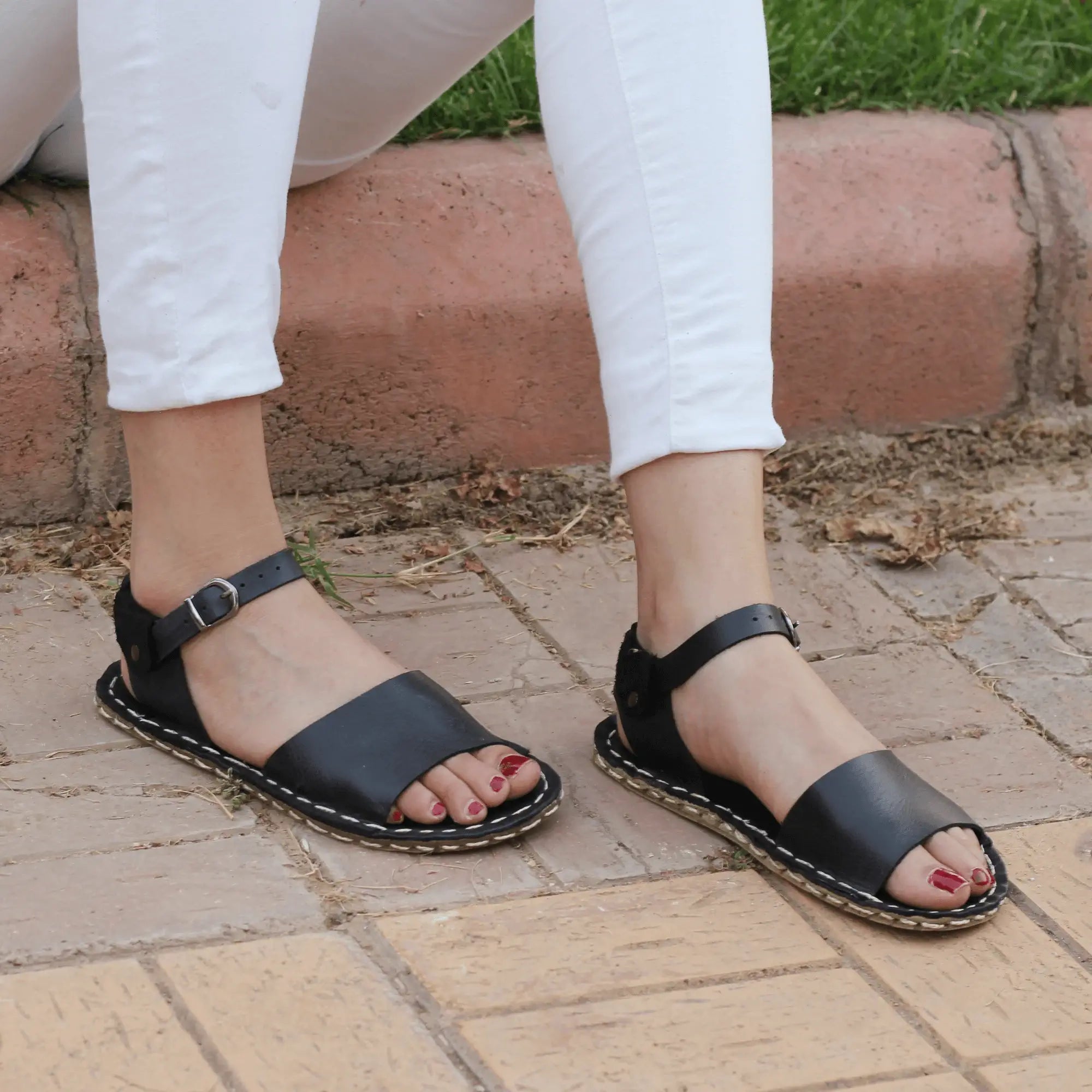
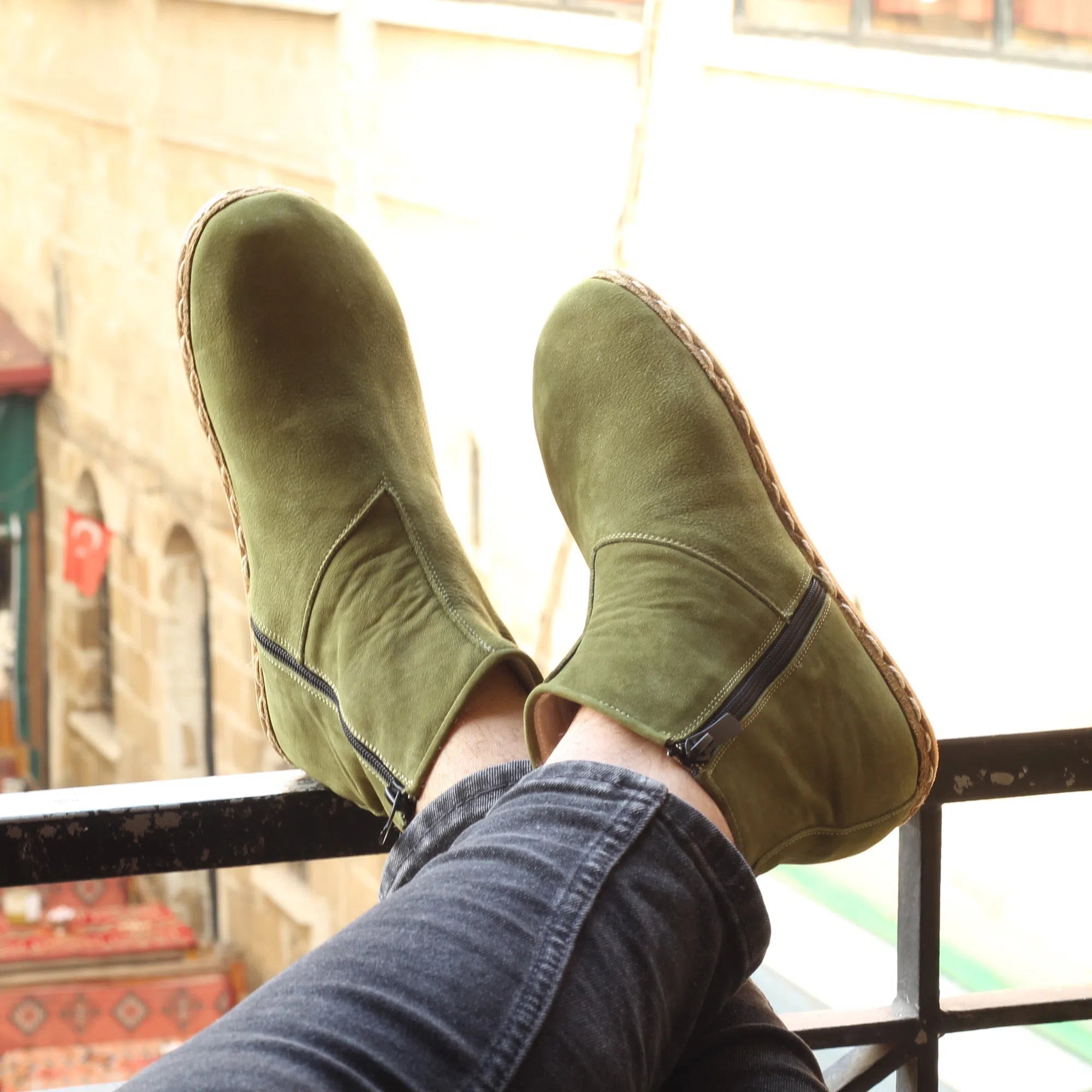
Step into most modern shoes and you’ll find the same thing underneath - thick rubber, synthetic foam, and a barrier between your body and the ground. That works if your only goal is cushioning. But if you care about natural movement, breathability, craftsmanship, and how your feet actually function, the question of leather soles vs rubber soles becomes much more personal.
The sole changes how a shoe feels, how your foot moves, how much feedback you get from the ground, and even whether the shoe supports a more natural relationship between your body and the earth. There is no single winner for every person or every setting. But there are very clear differences, and they matter.
Leather soles vs rubber soles: the real difference
Rubber soles are built for grip, weather resistance, and mass-market practicality. They are durable, familiar, and easy to produce at scale. That is exactly why they dominate modern footwear.
Leather soles come from a very different philosophy. They are natural, breathable, flexible over time, and deeply tied to traditional shoemaking. In barefoot and grounding-oriented footwear, leather also offers something synthetic soles cannot replicate in quite the same way - a closer, more organic connection to the surface beneath you.
That difference is not just about style. It affects comfort, moisture, mobility, sensory feedback, and how alive your shoes feel after months of wear.
How each sole changes the way your feet move
Your feet are not meant to operate like stiff blocks. They are designed to bend, spread, adapt, and respond. A sole can either help that process or fight it.
Leather soles and natural flexibility
A well-made leather sole tends to break in with your gait. It softens, learns your stride, and becomes more personal with wear. For people who want a more barefoot-like experience, that matters. You feel more of the ground, your foot can articulate more naturally, and the shoe often feels less like a device and more like a second skin.
That is one reason leather-soled minimalist shoes appeal to people focused on posture, alignment, and unrestricted movement. The sole is not trying to do your foot’s job for it.
Rubber soles and structured protection
Rubber usually creates more separation from the ground. Sometimes that is helpful. If you walk on slick city sidewalks, rough pavement, or wet surfaces, a rubber sole can offer confidence and traction. It also tends to feel more protective right away, especially for people transitioning from conventional shoes.
The trade-off is that thicker or stiffer rubber can reduce ground feel and limit the subtle foot mechanics that come with barefoot-inspired movement. Not all rubber soles are rigid, but many are more insulating and less responsive than leather.
Breathability, sweat, and everyday comfort
A lot of foot discomfort starts with heat and trapped moisture. This gets overlooked because most people are trained to think about shoes in terms of arch support and cushioning, not airflow.
Leather has a natural advantage here. It breathes. It helps regulate moisture instead of trapping it the way many synthetic materials do. In an all-leather shoe, that can mean less sweat, less odor, and a more comfortable environment for your feet over long hours.
Rubber does not breathe in the same way. It creates a more sealed bottom layer, which can contribute to heat buildup depending on the rest of the shoe’s construction. If the upper is also synthetic, the result can be a hot, damp interior that leaves feet feeling boxed in.
For people who already struggle with sweaty feet or want a more natural wearing experience, leather soles often feel noticeably better.
Grounding is where the conversation changes
For some buyers, the leather soles vs rubber soles debate is mostly about durability and traction. For others, it goes much deeper.
If you are interested in grounding or earthing, sole material matters because the sole is the interface between your body and the earth. Rubber is generally an insulator. It blocks direct contact more than natural leather does. That is why people seeking grounding footwear often look for natural leather soles rather than standard rubber bottoms.
This does not mean every leather sole is identical, and it does not mean leather is the right choice for every environment. But if your goal is to feel more connected to the ground beneath you, leather aligns far more naturally with that purpose than synthetic rubber.
That difference fits a broader truth about footwear. Shoes should not only protect the foot. They should respect it. For people who want to reconnect with natural movement and a less artificial way of walking, the sole is not a minor detail. It is the foundation.
Durability is not as simple as people think
Rubber has a reputation for toughness, and often that reputation is earned. It resists water well, handles abrasion, and performs reliably in demanding conditions. If you need an all-weather workhorse, rubber has obvious strengths.
Leather soles wear differently. They develop character. They soften, shape, and age in a way many people love. On dry surfaces and in everyday use, a quality leather sole can last surprisingly well, especially when paired with strong craftsmanship. But leather is not invincible. Constant exposure to wet pavement, slush, and harsh abrasion will shorten its life faster than it would with rubber.
So the better question is not which sole lasts longer in the abstract. It is longer where, how, and for whom.
A person walking mostly indoors, in dry climates, or in lifestyle settings may get excellent value from leather soles while enjoying superior feel and breathability. Someone facing constant rain, rough commutes, and slick surfaces may prefer rubber for practical reasons. Context matters.
Style and craftsmanship tell a different story too
There is also an aesthetic difference that should not be ignored. Leather soles carry a certain honesty. They signal craft, tradition, and natural materials. They feel intentional. In handmade footwear, they often reflect a slower, more thoughtful approach to shoemaking.
Rubber soles usually read as more casual, more industrial, and more utilitarian. That is not a flaw. It depends on the look and purpose you want. But for shoppers who care about artisanal construction and the tactile beauty of natural materials, leather has a depth that synthetic soles rarely match.
This is one reason handmade minimalist brands like Nefes Shoes lean into leather. It supports both the wellness philosophy and the visual identity. The material is not just functional. It tells you what the shoe stands for.
When rubber makes more sense
Being honest about trade-offs matters. Rubber is often the better choice for heavy rain, highly slippery surfaces, and people who want more grip with less maintenance. It can also be a more forgiving transition if you are coming from heavily cushioned conventional shoes and are not ready for a more sensory, grounded feel.
There is nothing wrong with choosing rubber when your environment demands it. The problem is assuming rubber is always superior simply because it is more common. Mass-market shoes have normalized thick synthetic bottoms, but common does not mean ideal for foot health, comfort, or natural movement.
When leather makes more sense
Leather shines when you want flexibility, breathability, craftsmanship, and a closer relationship with the ground. It is especially appealing for people who value barefoot-inspired design, zero-drop construction, natural materials, and grounding-friendly footwear.
It also suits buyers who are tired of shoes that feel dead underfoot. A good leather sole has life to it. It moves. It adapts. It feels human.
If your priorities include wide toe freedom, healthier alignment, less sweat, and a more natural walking experience, leather is often the more compelling choice.
So which sole should you choose?
If your top priorities are traction, water resistance, and rugged convenience, rubber will probably serve you better. If your priorities are natural movement, breathability, artisanal quality, and grounding potential, leather is hard to beat.
For many people, this choice comes down to what they want shoes to do. Should they isolate you from the world, or let you feel more of it? Should they force the foot into a controlled experience, or allow it to move the way it was designed to move?
That is why the leather-versus-rubber question matters more than it first appears. The sole is not just the bottom of the shoe. It is the point where comfort, movement, material, and philosophy all meet.
Choose the one that matches the life you actually want to walk through - and if that life calls for more freedom, more feeling, and more connection underfoot, leather makes a strong case every step of the way.