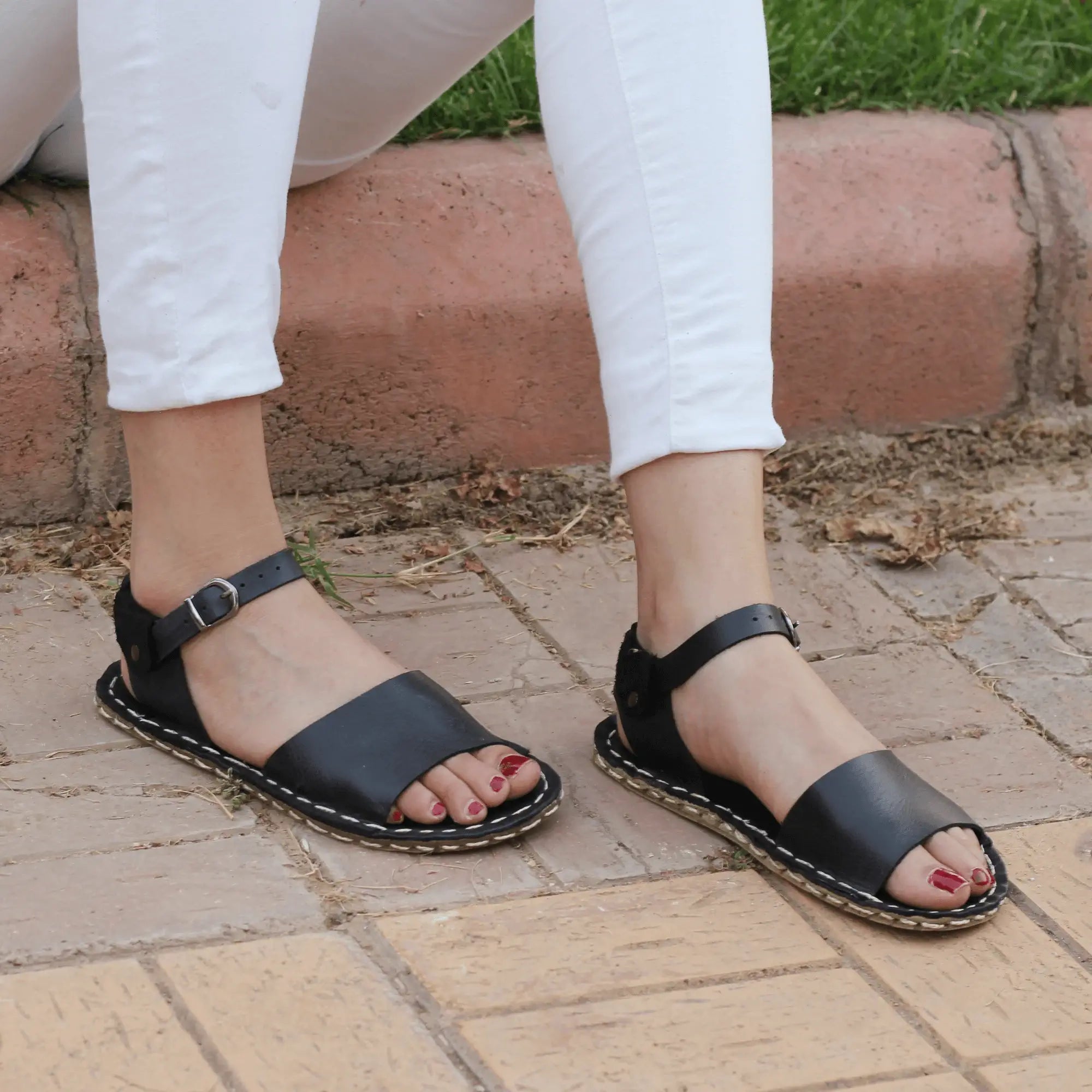
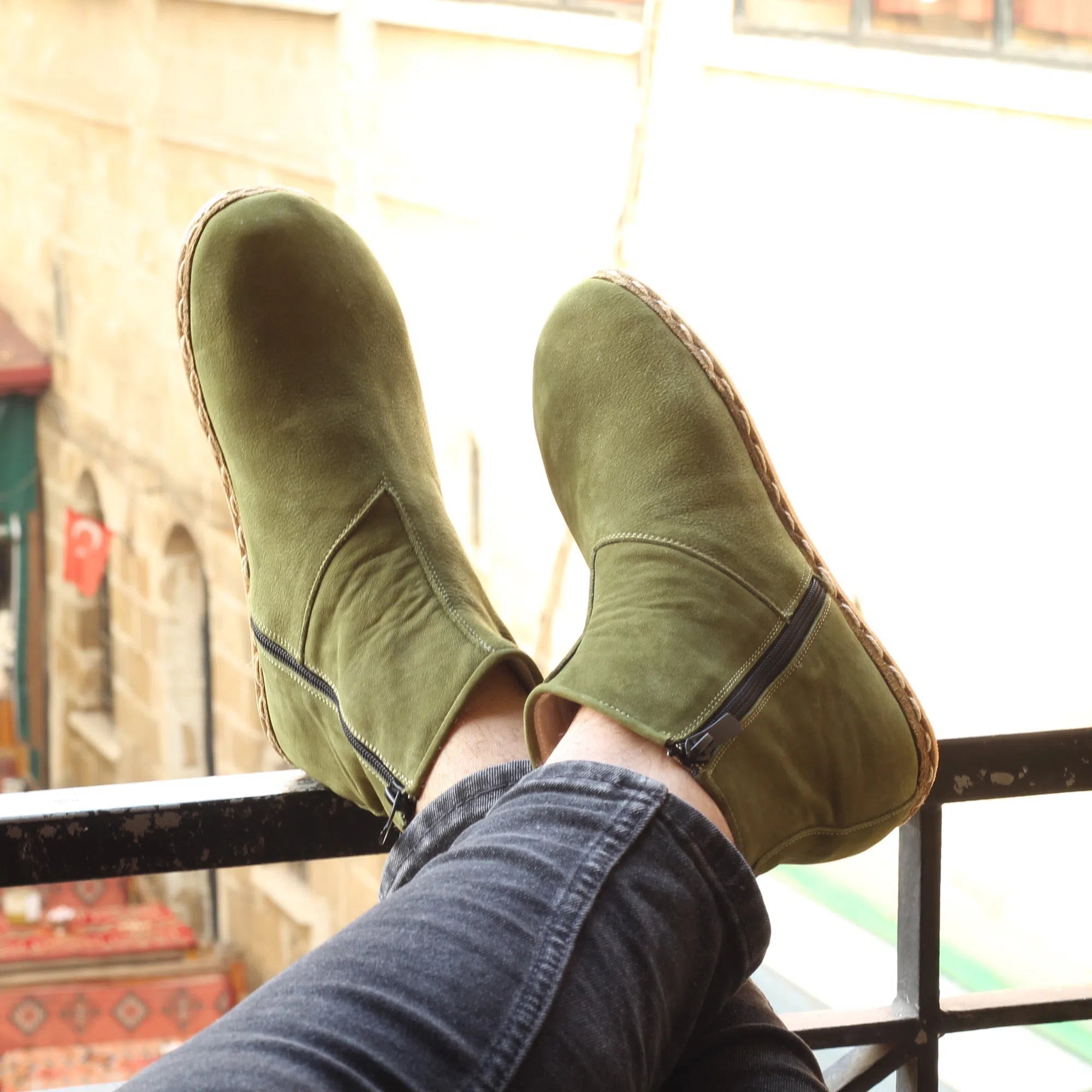
A shoe sole can either numb the conversation between your feet and the ground or let you feel where you are. That is where buffalo leather sole benefits become meaningful. For people who have spent years in stiff foam, elevated heels, and plastic-heavy shoes, a natural leather sole offers a different proposition: less interference, more flexibility, and a more honest connection with every step.
Buffalo leather is not a decorative detail. It is a hardworking natural material with the density, character, and resilience needed for footwear that moves with you. When it is used in a barefoot-minded construction, it supports the purpose conventional shoes often ignore: allowing your feet to function like feet.
1. Buffalo Leather Soles Flex With Natural Movement
Your foot is not a rigid platform. It bends, spreads, twists, and responds to changing surfaces throughout the day. A well-made buffalo leather sole gradually flexes with that motion rather than forcing the foot to work against a thick, resistant slab.
That flexibility matters in a zero-drop shoe. With no raised heel tipping the body forward, your feet and ankles can work in a more natural position. Add a sole that can bend where your foot bends, and each step feels less restricted. The goal is not to make the ground disappear. It is to let your body receive useful feedback while still giving your sole practical protection.
Leather does require a break-in period. A new buffalo leather sole may feel firmer at first than a foam-based sole, particularly if you are used to highly cushioned sneakers. With wear, it conforms to your movement patterns and becomes more personal to your gait.
2. It Creates a Closer Feel of the Ground
One of the most compelling buffalo leather sole benefits is ground feel. Thick synthetic midsoles are designed to isolate you from the surface below. That may sound comfortable, but it also mutes information your feet use to adapt balance, stride, and pressure.
A thinner leather sole allows more sensory awareness without asking you to walk barefoot on rough pavement. You can notice changes in texture and terrain, then naturally adjust how you place your foot. For minimalist footwear wearers, that awareness is part of the comfort. It encourages a lighter, more deliberate step instead of a heavy heel strike hidden by layers of foam.
For people interested in grounding or earthing footwear, a natural leather sole also supports a closer relationship with the earth than a heavily insulated rubber platform. The experience depends on surface conditions, moisture, shoe construction, and individual expectations. It should be viewed as a practice of connection, not a medical promise. Still, many people value the simple feeling of being less separated from the ground beneath them.
3. Buffalo Leather Is Built for Daily Wear
Buffalo hide has a distinctive grain and a naturally substantial feel. Its fiber structure makes it a strong choice for soles that need to handle repeated bending, walking, and contact with the ground. Unlike a disposable-looking synthetic sole, quality buffalo leather develops character over time.
Scuffs, creases, and tonal changes are part of the material's story. Some shoppers want footwear that remains visually identical forever. Buffalo leather is not that material. It is for people who appreciate a shoe that becomes more individual with use.
Durability still depends on how and where you wear it. Concrete, abrasive sidewalks, wet conditions, and frequent high-mileage use will wear any leather outsole faster than a thick rubber hiking sole. For city walking, travel, indoor-to-outdoor wear, and everyday movement, a properly cared-for leather sole can offer long-lasting performance with far more flexibility than bulky conventional footwear.
4. Natural Leather Helps Manage Moisture
Feet sweat. Sealing them inside synthetic linings and impermeable soles can create the warm, damp conditions that lead to discomfort and odor. Leather is not magic, but it is a naturally breathable material that can help moisture move and evaporate more effectively than many plastic-based alternatives.
A buffalo leather sole works especially well as part of an all-leather shoe. Instead of trapping the foot in layers of synthetic foam and glue, natural materials create a more breathable environment. That can make a noticeable difference during long workdays, travel, or warm-weather wear.
Breathability is also why care matters. Let leather shoes air out between wears. Remove loose dirt after use, avoid storing them damp, and allow them to dry naturally away from direct heat. Treating handcrafted footwear with a little respect helps preserve both comfort and longevity.
5. It Supports a Lower, More Honest Shoe Design
Most modern shoes add height beneath the heel and bulk beneath the entire foot. That construction changes your relationship with the ground and can crowd the foot into a shape it was never meant to hold. A buffalo leather sole makes it possible to build a lower-profile shoe without relying on oversized foam for structure.
Paired with a wide toe box and zero-drop design, a leather sole supports the kind of footwear that lets toes spread instead of squeeze together. This does not mean every foot concern disappears when you change shoes. Transitioning away from conventional footwear takes time, especially if your feet have spent years in narrow, stiff, highly cushioned styles.
Start with shorter walks if you are new to barefoot shoes. Let your calves, feet, and lower legs adapt. Natural movement is powerful, but forcing a sudden transition is not the same as supporting one.
6. The Sole Ages Into Your Life
Mass-produced soles are engineered for uniformity. Buffalo leather is different. Its grain varies, its surface changes with use, and it gradually reflects the roads, rooms, and routines that carry you through daily life. That is not a flaw. It is the mark of real material and handmade construction.
Over time, leather may darken, soften, and show signs of the places you have walked. A small scuff does not erase its value. Often, it adds to it. For shoppers tired of footwear that feels disposable after one season, this is a different relationship with a shoe: maintain it, wear it fully, and let it become yours.
At Nefes Shoes, that philosophy belongs at the center of the design. Handmade leather footwear should not ask you to choose between a natural feel and personal style. It should make room for both.
7. It Offers a More Natural Alternative to Synthetic Soles
Synthetic soles have a role in footwear, particularly for specialized sports, extreme weather, and situations requiring aggressive traction. But for daily minimalist shoes, they often add more separation and stiffness than the body needs. Buffalo leather offers an alternative for people who want fewer synthetic layers between their feet and the world.
That choice comes with trade-offs. Leather soles generally need more care in prolonged rain, can be slippery on certain smooth wet surfaces, and may not be the right choice for icy trails or technical hiking. If maximum wet-weather grip is your first priority, a purpose-built rubber outsole may serve you better.
But if your priority is flexible movement, breathability, a low-profile feel, and the beauty of natural craftsmanship, buffalo leather earns its place. It is not trying to imitate plastic. It is offering something conventional footwear has forgotten: a sole with life in it.
Your feet carry you through every ordinary and extraordinary part of the day. Give them room to spread, a sole that can bend, and a material that reminds you the ground is still there.