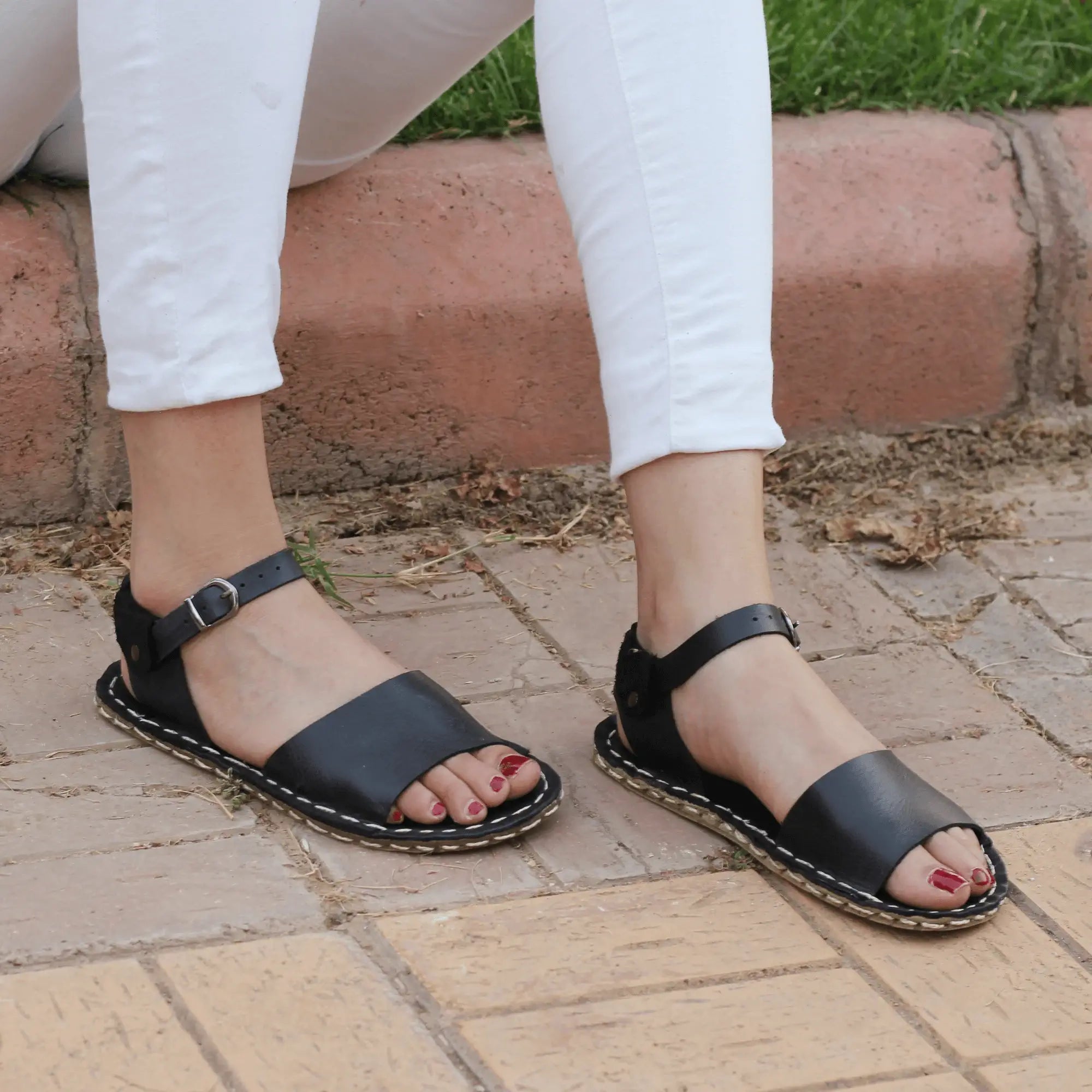
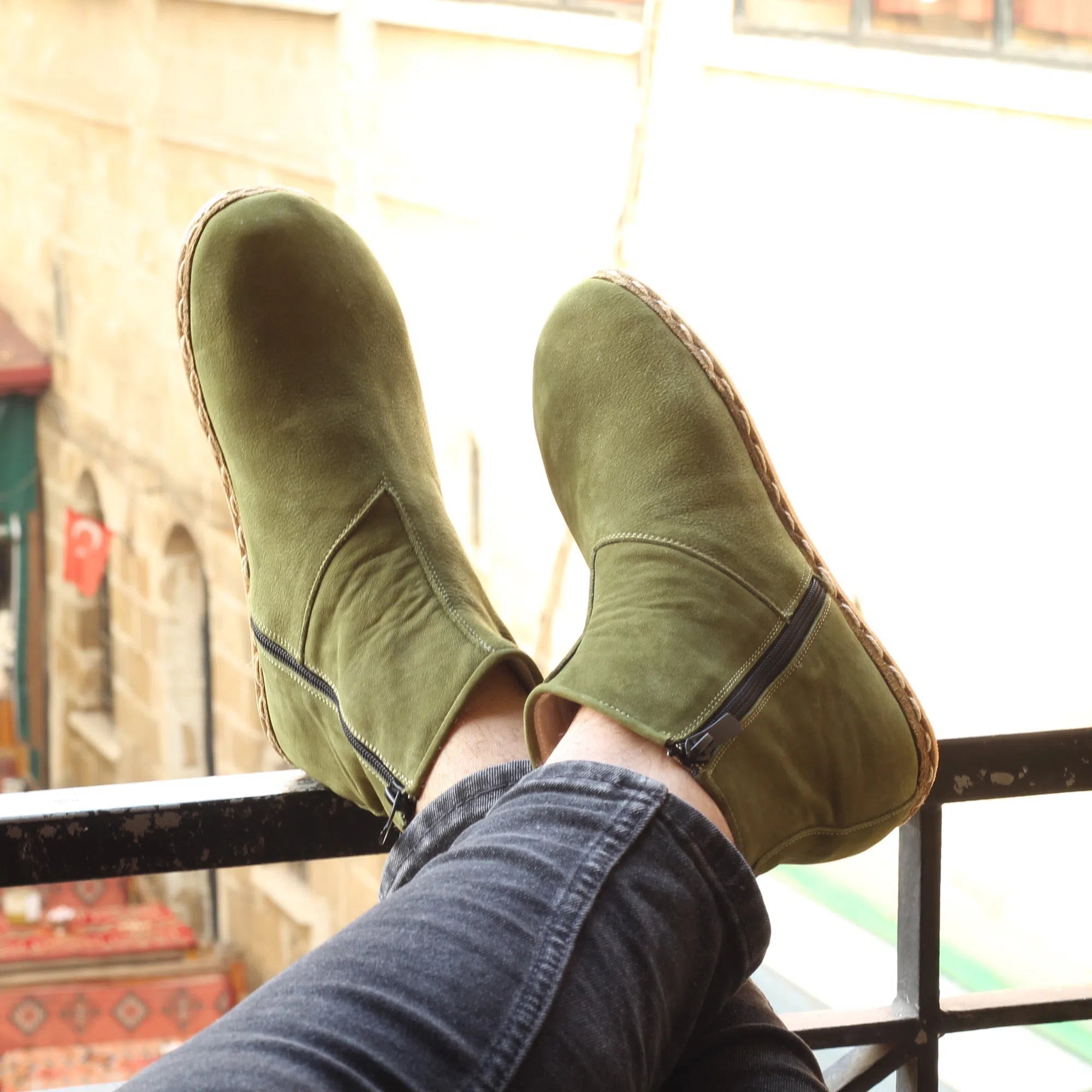
A lot of boots ask your feet to behave badly. They lift the heel, squeeze the toes, stiffen the sole, and call it support. If you are learning how to choose zero drop boots, the real goal is simpler: find a pair that lets your body stand, walk, and move the way it was built to.
Zero drop boots keep the heel and forefoot at the same height, which helps preserve more natural posture and weight distribution. But zero drop alone does not make a boot healthy. Some still taper at the toe, feel like bricks underfoot, or rely on synthetic materials that trap heat and moisture. A good pair should work with your feet, not force them into a shape they never asked for.
What zero drop boots should actually do
The biggest mistake shoppers make is treating zero drop as a single feature instead of part of a whole design. A raised heel changes alignment, yes, but so does a narrow toe box, a rigid sole, or a boot that locks the foot in place. If you want a more natural walking experience, you need to look at the entire structure.
A well-made zero drop boot should let your toes spread, allow the foot to flex, and keep you close to the ground. That close-to-earth feeling matters more than most people realize. It gives you better feedback from the surface under you, which can help balance and body awareness. For people drawn to grounding and natural movement, that connection is not a trendy extra. It is part of why the boot feels right in the first place.
How to choose zero drop boots without getting fooled by marketing
Plenty of brands now use minimalist language because buyers are tired of thick, overbuilt footwear. That does not mean every so-called barefoot or natural boot deserves the label. The details tell the truth.
Start with the toe box
If the front of the boot narrows into a point, move on. Your toes are meant to spread for stability, and that becomes even more important in boots because they often get worn for longer stretches and in cooler weather when people add thicker socks.
A proper toe box should look anatomically shaped, not fashion-narrowed. You should be able to wiggle your toes freely without hitting the top or sides. If your big toe is being pushed inward, the boot is already working against your foot mechanics.
Check that the sole is truly flat
Some boots are marketed as zero drop but still have a built-up heel shape hidden by the outsole or insole. Put the boot on a table and look at its profile. Heel and forefoot should sit level. If the heel is elevated, even slightly, you are not getting the effect you came for.
This matters because the heel lift changes how your weight travels through the ankles, knees, hips, and spine. Many people switch to zero drop boots because they want a more natural stance and less compensation up the chain. A hidden heel defeats that purpose.
Look for flexibility, not stiffness
Traditional boots are often sold as durable because they are stiff. That may protect the boot, but it does not always help the foot. A zero drop boot should bend where your foot bends and move with your stride instead of blocking it.
You do not need a sole so thin that every pebble feels sharp. But you do want one with real flexibility. If you cannot bend the forefoot with your hands, expect a more restricted walking experience. There is always a trade-off here. A thicker sole may suit people who spend long hours on hard urban surfaces, while a thinner sole usually gives more ground feel and natural feedback.
Pay attention to materials
Material choice changes comfort more than people expect. Leather, especially when it is natural and breathable, tends to mold to the foot over time and regulate temperature better than many synthetic linings. That can mean less sweat, less odor, and a more glove-like fit.
For people who care about grounding, material also becomes part of the conversation. Natural materials and traditional construction methods often feel more aligned with the larger goal of reconnecting the body to the earth. Not every shopper prioritizes that, but many do, and it is worth deciding where you stand before you buy.
Fit matters more in zero drop boots
If you are coming from conventional boots, zero drop fit can feel different at first. That is not a flaw. It is usually your feet finally having room.
A good fit should leave enough space in front of the longest toe without making the boot sloppy. Your midfoot and heel should feel secure, but not squeezed. In boots, ankle fit also matters. You want stability around the collar without the upper feeling restrictive.
One thing many people get wrong is sizing down because they are used to pointed boots that stretch lengthwise but crush width. In zero drop boots, width is part of the design. Let your foot occupy the space it needs. If you wear thicker socks in winter, account for that from the start.
How much room is too much?
A little extra room is normal, especially in the toe box. Sliding, heel lift, or having to grip with your toes is not. Your foot should feel free, but planted. That balance matters.
If you are between sizes, think about how you will use the boots. Everyday city wear may call for a closer fit. Colder climates, long walks, or layered socks may justify a bit more space. There is no universal answer. The right choice depends on your foot shape and how you live in the boot.
Don’t ignore your transition
Knowing how to choose zero drop boots also means being honest about your starting point. If you have spent years in heeled, cushioned, structured shoes, a very minimal boot may feel intense right away. That does not mean it is wrong. It means your feet and lower legs may need time to adapt.
Some people do best starting with shorter wear periods, then building up. Others prefer a slightly more protective sole at first before moving thinner later. This is especially true if your feet are deconditioned or if you have been relying on arch support for years.
There is no prize for forcing the fastest transition. The goal is stronger, freer movement over time.
Style should not cancel out function
Many shoppers think they have to choose between natural footwear and good-looking boots. That old trade-off is fading. Handmade zero drop boots can carry real character - clean lines, rich leather, artisanal construction - without borrowing the painful shape of conventional fashion footwear.
Still, style can hide bad design. A beautiful upper means very little if the sole is rigid and the forefoot tapers like a dress shoe. When you shop, start from function, then choose the aesthetic that fits your wardrobe. Not the other way around.
This is one reason many people are drawn to handcrafted leather boots from brands like Nefes Shoes. The appeal is not only that they look distinctive. It is that they reject the usual formula of narrow, elevated, synthetic footwear and offer something closer to the body’s natural design.
A quick test before you buy
Before committing to any pair, ask a few plain questions. Can your toes spread naturally? Is the sole actually flat from heel to toe? Does the boot flex with your foot? Do the materials feel breathable and natural? Can you imagine wearing it for hours without your foot fighting the shape?
If one or two answers are shaky, keep looking. A boot can check the zero drop box and still miss the point.
How to choose zero drop boots for real life
The best pair for you depends on where and how you wear them. For daily errands, travel, and casual use, many people prefer a lighter, more flexible leather boot with strong ground feel. For colder weather or rougher surfaces, you may want more upper coverage or a slightly thicker sole, as long as it still bends and stays flat.
What you do not need is the old promise that your feet must be corrected, propped up, and controlled all day. Healthy movement starts lower than that. It starts with giving the foot room, balance, and honest contact with the ground.
The right zero drop boots should feel less like equipment and more like freedom. When you find a pair that lets your posture settle, your toes relax, and your stride move naturally, your body usually knows before the marketing does.