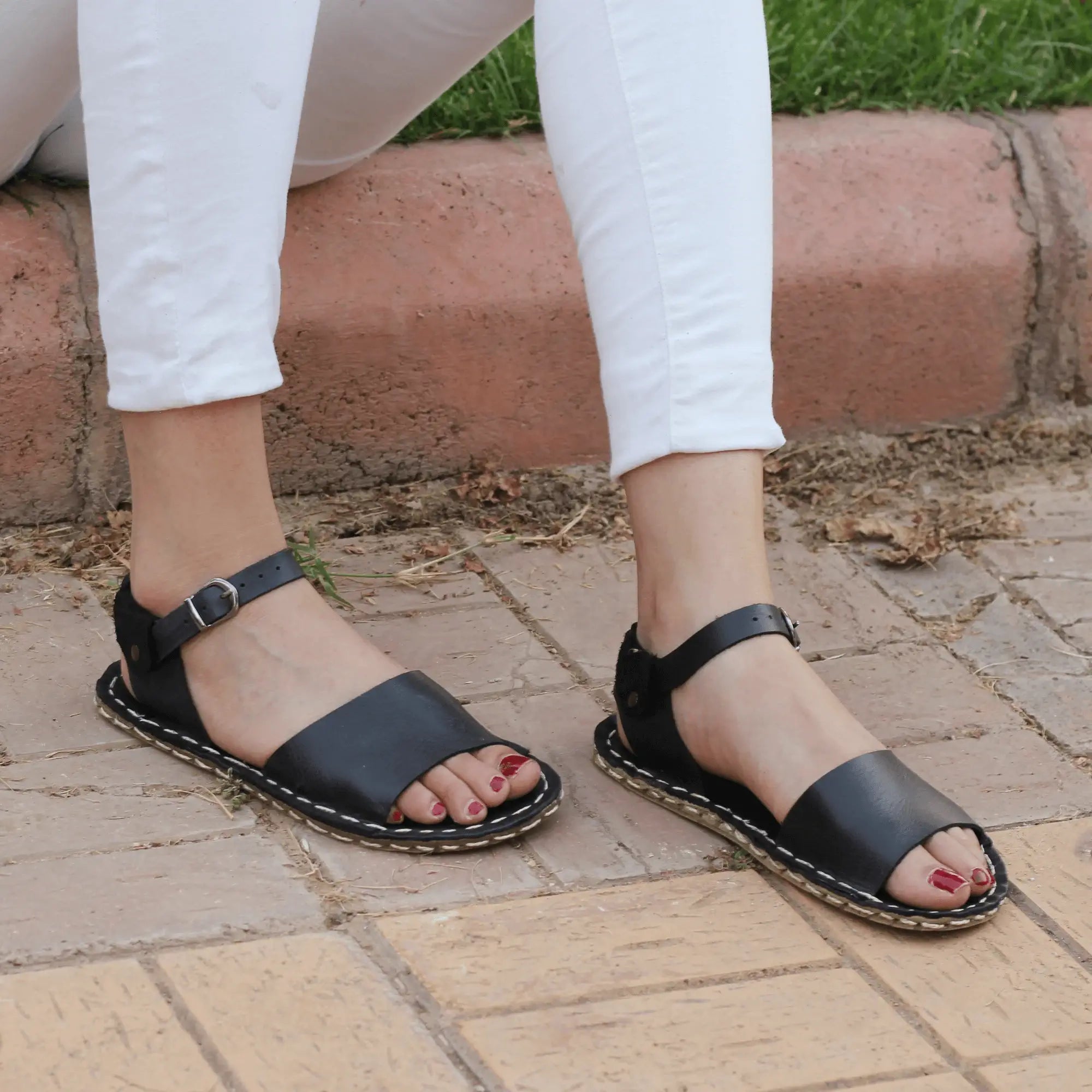
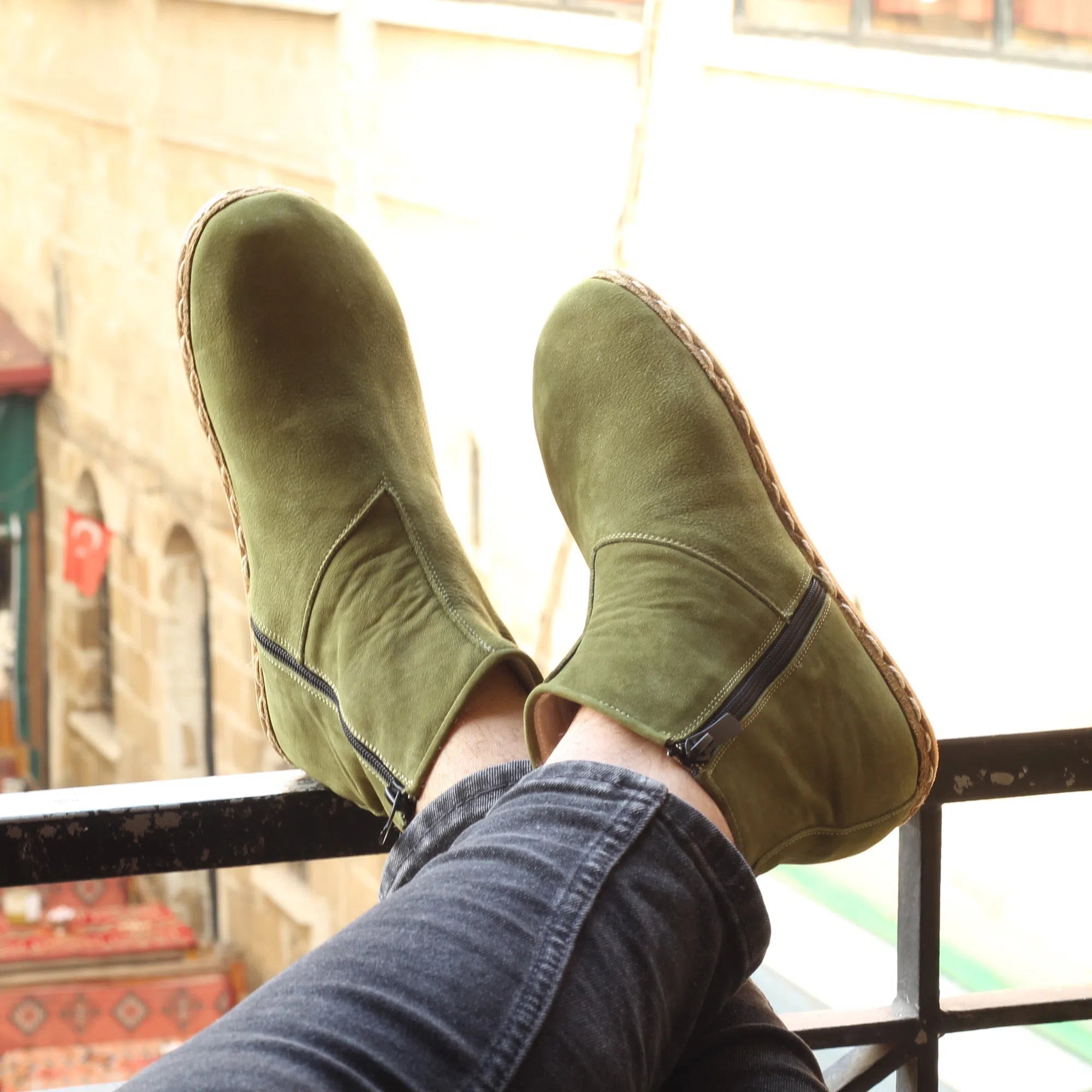
A shoe that pinches your toes into a point is not a style choice your body forgets. It changes how you stand, how you walk, and how your feet carry you through the day. Foot shaped shoes push back against that whole idea. Instead of forcing the foot to match the shoe, they let the shoe follow the actual shape of the foot.
That sounds simple because it is. Healthy movement usually is. Your toes are meant to spread. Your heel and forefoot are meant to work on the same level. Your feet are meant to feel the ground, adapt to it, and support the rest of your body without being trapped inside stiff, elevated, synthetic shells. Once you understand that, conventional footwear starts to look less normal and more like a compromise people have been taught to accept.
What foot shaped shoes actually mean
Foot shaped shoes are built with a natural toe box that mirrors the human foot. The front of the shoe is wider where your toes need room, instead of narrowing into a tapered shape that compresses them together. That one design choice can change a lot.
When the toes have space, they can splay as intended. That matters for balance, stability, and comfort. A foot that can spread out has a better base. A foot that is constantly squeezed loses some of that natural function over time.
The best foot shaped shoes usually go further than toe room alone. They often include a zero-drop sole, which means the heel is not raised above the forefoot. They also tend to be more flexible, so the foot can bend and move instead of being held rigid. For people who care about natural movement, posture, and foot health, these details are not extras. They are the point.
Why conventional shoes work against your feet
Most mainstream shoes are built around fashion habits and cushioning myths, not around anatomy. Narrow toe boxes crowd the toes. Raised heels tip the body forward. Thick soles reduce ground feel. Synthetic materials trap heat and moisture. You can get used to all of that, but getting used to something is not the same as benefiting from it.
A cramped toe box can contribute to pressure, rubbing, and irritation. For some people, it also worsens issues like bunions, hammertoes, and chronic discomfort across the forefoot. A raised heel may feel familiar, but it can shift body mechanics in ways that affect the ankles, knees, hips, and lower back. It depends on the person, their gait, and how often they wear those shoes, but the trade-off is real.
This is where foot shaped shoes stand apart. They are not trying to prop the body up with structure it did not ask for. They are trying to remove interference.
The real benefits of foot shaped shoes
The first thing many people notice is relief. Toes are no longer jammed together, and the forefoot no longer feels trapped by the shape of the upper. That can mean less rubbing, less fatigue, and fewer moments where you cannot wait to kick your shoes off.
The second shift is often more subtle. When the foot can spread and the sole stays level, posture can start to feel more natural. Some people notice they stand more evenly. Others feel more stable when walking. If your old shoes were doing a lot of artificial lifting and narrowing, the difference can be surprisingly clear.
There is also the question of sensory feedback. Feet are designed to gather information from the ground. Overbuilt soles block much of that communication. Minimalist, foot shaped footwear tends to restore more of it. That does not mean everyone needs the thinnest sole possible, but it does mean the foot works better when it can actually sense where it is.
For people drawn to natural materials, construction matters too. Leather breathes differently than plastic-heavy uppers. It molds over time. It feels alive rather than sealed off. In handmade shoes, that difference becomes even more noticeable because the footwear is not just engineered for efficiency. It is made with intention.
Who should consider foot shaped shoes
If you have been dealing with toe crowding, forefoot discomfort, sweaty feet, or that dull ache that builds after hours in conventional shoes, this category is worth attention. It also makes sense for people who care about posture, gait, and stronger foot function over time.
That said, foot shaped shoes are not only for people with pain. They are also for people who are tired of pretending that stiff, narrow footwear is the price of looking put together. There is no rule that says style has to come from artificial shape, or that comfort has to mean bulky foam and orthopedic aesthetics.
For wellness-minded shoppers, there is another layer. A shoe can either separate you from the ground or help you feel more connected to it. That matters to people who see movement as part of a bigger relationship between body, environment, and daily life. In that sense, the right shoe does more than fit well. It changes how you experience being on your feet.
What to look for in foot shaped shoes
Not every shoe marketed as healthy or minimalist gets the details right. Some brands widen the front a little but still keep a lifted heel. Others offer flexibility but use synthetic materials that hold heat and odor. Some simply borrow the language of natural movement while keeping the same old shoe logic underneath.
A truly strong option should have a toe box that allows the toes to rest naturally without tapering inward. It should keep the heel and forefoot level. The sole should bend with the foot rather than fighting it. Materials should feel breathable and durable, especially if you plan to wear the shoes daily.
Craftsmanship matters more than people think. A handmade shoe built from quality leather tends to age better, fit more honestly, and offer a different kind of comfort than disposable mass-market footwear. That is one reason many people move toward artisanal minimalist shoes after trying factory-made alternatives. The experience is simply more grounded, in every sense.
Transitioning without shocking your body
If you have worn thick, supportive, raised-heel shoes for years, switching overnight can feel intense. That does not mean foot shaped shoes are wrong for you. It means your feet and lower legs may need time to wake back up.
Start with shorter wear periods. Walk in them around the house, on errands, or during lighter parts of the day before relying on them for all-day use. Pay attention to your calves and arches. Some mild soreness can happen as your body adapts to a more natural position, but sharp pain is a sign to slow down.
The goal is not to force a transformation. The goal is to let your body recover abilities it may not have been allowed to use for a long time. Patience helps. So does choosing shoes that support the transition with honest design, natural materials, and enough flexibility to let the foot move as intended.
Why shape alone is not enough
A wide front without a balanced sole is only part of the answer. A shoe can be roomy and still keep the body tilted forward. It can be soft and still disconnect the foot from the ground. Real natural footwear works as a system.
That is why the strongest foot shaped shoes combine toe freedom, zero-drop construction, flexibility, and breathable materials. When those elements come together, the shoe stops acting like a cast and starts acting like a second skin.
At Nefes Shoes, that philosophy shows up in handmade leather footwear designed to respect the foot rather than reshape it. The point is not to follow trends. The point is to make shoes that feel better because they are built closer to nature and closer to the truth of how your body moves.
Foot freedom is not a luxury feature. It is a return to common sense. If your shoes leave your feet feeling compressed, disconnected, or tired, that is not something to power through. It is a sign to choose differently, and let your feet remember what they were built to do.