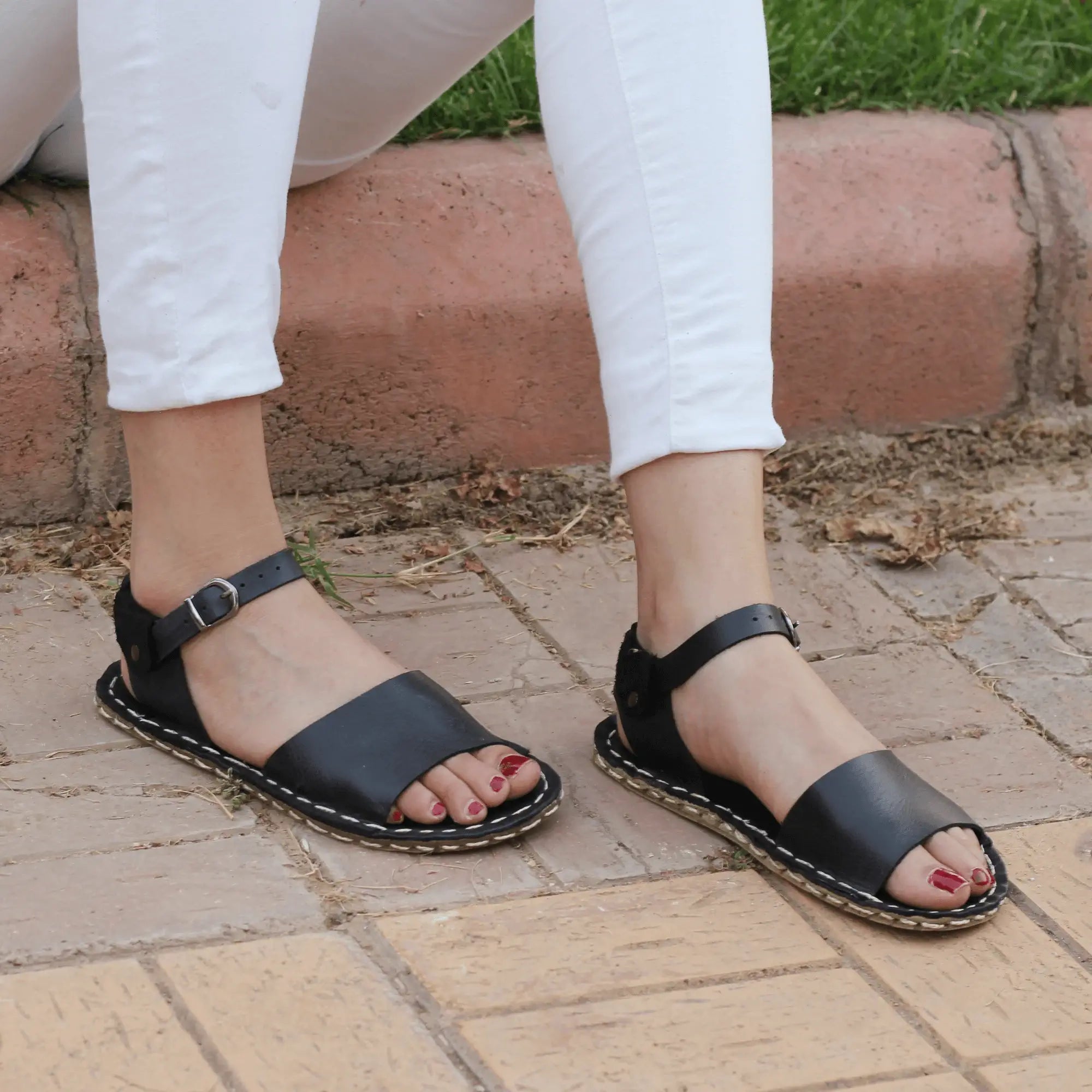
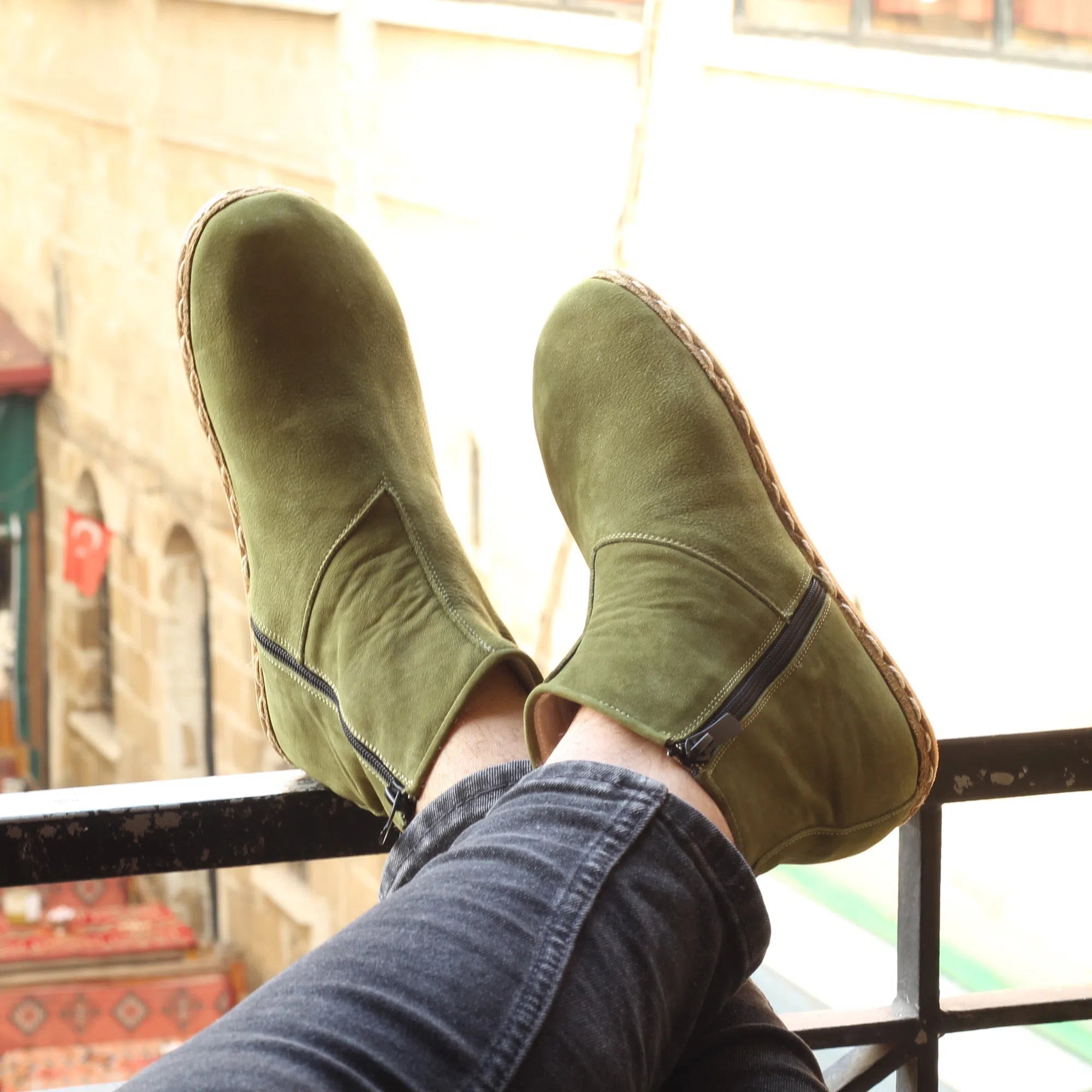
A bunion does not usually start as a dramatic problem. It starts as a quiet warning - rubbing at the side of the big toe, a little redness after a long day, a sense that your shoes are shaping your feet instead of serving them. That is exactly why many people start looking at barefoot shoes for bunions. They are not a magic fix, but they can remove some of the daily forces that make bunions angrier, stiffer, and more painful.
Traditional shoes often push the big toe inward, raise the heel, and lock the forefoot into a rigid shape. That combination is the opposite of what a bunion-prone foot wants. A foot with a bunion needs room, stable contact with the ground, and less pressure at the joint. It needs a shoe that stops fighting the foot.
Why barefoot shoes for bunions make sense
A bunion, or hallux valgus, is a structural shift at the big toe joint. The big toe angles toward the smaller toes, while the joint at its base starts to push outward. Genetics matter, of course. Some people are simply more prone to developing bunions. But footwear can absolutely make the situation worse.
Narrow toe boxes are one of the biggest offenders. When a shoe squeezes the forefoot into a pointed shape, it asks the toes to live in a position they were never built for. Add a raised heel, and body weight shifts forward, increasing pressure through the front of the foot. That is why so many conventional shoes feel polished on the outside and punishing on the inside.
Barefoot shoes take a different approach. They usually have a foot-shaped toe box, a zero-drop sole, and flexible construction. For someone with bunions, that can mean less compression on the joint, more natural toe splay, and a stronger connection to the ground. Those changes may help with comfort and movement, especially if your current shoes are part of the problem.
Still, this is where nuance matters. Barefoot shoes do not reverse a bunion overnight. If the joint is inflamed, severely deviated, or arthritic, some minimalist shoes may feel too flexible or too thin at first. Relief depends on the shape of the shoe, the severity of the bunion, and how adapted your feet are to less support.
What to look for in barefoot shoes for bunions
The first thing to care about is width in the right place. Many brands say a shoe is wide, but that width is often generic. A bunion needs space at the forefoot, especially around the first metatarsophalangeal joint. If the side of the shoe presses directly on that area, the label does not matter. The shoe still fails.
A truly foot-shaped toe box lets the big toe sit more naturally rather than forcing it inward. That alone can make a noticeable difference in friction and pressure. Soft uppers also matter. Leather that can mold gently to the foot is often more forgiving than stiff synthetic materials that rub the same spot all day.
Zero-drop construction is another key feature. When heel and forefoot sit at the same level, the body is not pitched forward. That can reduce excess load through the front of the foot. It also supports a more natural posture, which matters because foot mechanics do not operate in isolation. What happens at the feet affects the ankles, knees, hips, and spine.
Flexibility helps too, but there is a balance. A flexible sole allows the foot to move and bend more naturally, which many people love. But if your feet are weak, very sensitive, or used to heavy cushioning, jumping straight into an ultra-thin sole may feel like too much. In that case, a minimalist shoe with some structure and a soft, wide upper may be the better first step.
What to avoid if you have bunions
If a shoe tapers sharply at the toes, it does not matter how stylish it looks. It is working against your anatomy. The same goes for high heels, rigid soles that block natural movement, and heavy arch support that replaces foot function instead of encouraging it.
You should also be careful with shoes marketed as orthopedic if they are simply wide versions of conventional footwear. Extra width can help, but not if the shape still pushes the big toe inward or places the foot on an elevated heel. A bunion-friendly shoe should respect the natural outline of the foot, not just offer more material around a flawed design.
Synthetic linings can be another problem. Many people dealing with bunions are also dealing with hot spots, sweating, and skin irritation. Natural leather tends to breathe better and adapt to the foot over time. That does not cure a bunion, but it can make daily wear far more tolerable.
The trade-offs people should understand
There is a stubborn myth that if a shoe is natural, it is automatically right for everyone. Real feet are more complicated than that. Barefoot shoes can be excellent for bunions, but success depends on timing and transition.
If you have worn stiff, cushioned, narrow shoes for years, your feet may not be ready for a fully minimalist feel on day one. Your calves may be tight. Your foot muscles may be underused. Your gait may have adapted to structured footwear. In that case, a sudden all-day switch can cause fatigue, soreness, or frustration.
That does not mean barefoot shoes are a bad idea. It means your body may need time to reclaim natural movement. Start with shorter wear periods. Use them for errands, walks, or time at home before making them your full-day shoe. Let your feet build tolerance instead of forcing a dramatic overnight conversion.
It also depends on the bunion itself. Mild to moderate bunions often respond well to reduced pressure and better toe freedom. Severe bunions may still need extra accommodation, and some people benefit from toe spacers, targeted foot exercises, or guidance from a foot specialist. Footwear is powerful, but it is one part of a larger picture.
How barefoot shoes can support better foot function
The biggest benefit is not just comfort. It is function. When the toes have room to spread, they can do part of the job they were designed to do. The big toe is especially important for balance and propulsion. If it is constantly shoved off course, the whole foot changes how it loads and moves.
A better shoe gives the foot a chance to work again. That can mean improved stability, better sensory feedback from the ground, and a less restricted walking pattern. Many people also notice that when their feet are no longer trapped in narrow shoes, they become more aware of how they stand and move. Health begins with the feet, and the right shoe can either numb that truth or support it.
This is one reason handmade minimalist leather footwear stands apart from mass-market athletic designs. When a shoe is built around natural movement, breathable materials, and a truly wide forefoot, it feels less like a correction device and more like a return to what the foot wanted all along. Brands such as Nefes Shoes lean into that philosophy with all-leather construction, grounding-minded design, and shapes that respect the foot rather than reshape it.
How to switch without making your feet angry
The smartest transition is a patient one. Wear your new shoes for short periods first and pay attention to the bunion area, your arches, and your calves. Mild muscle fatigue can be normal. Sharp joint pain is not. If the shoe still rubs directly on the bunion, the fit is wrong, no matter how good the concept sounds.
It also helps to choose the right moments. Start on lower-intensity days rather than wearing minimalist shoes for a long city walk or a full shift on concrete. Give your feet chances to adapt gradually. A little foot-strengthening work at home, especially exercises that encourage big toe control and toe splay, can make the transition smoother.
Socks matter more than people think, too. Thick seams or tight toe areas can create pressure inside an otherwise good shoe. If you are trying to reduce friction, every layer counts.
Are barefoot shoes the best choice for every bunion?
Not always. But they are often one of the most sensible places to start because they address a root issue: the constant external squeezing and elevation built into modern footwear. If your current shoes leave the side of your forefoot red, sore, or numb, your feet are telling you something.
The best shoe for a bunion is not the one with the most marketing claims. It is the one that gives your toes room, keeps your foot level, minimizes rubbing, and lets you move without fighting your own anatomy. For many people, that points straight toward barefoot design.
Your feet are not asking for a trend. They are asking for space, honesty, and a shoe that does less harm. Give them that, and they often respond with something you can feel in the first few steps - relief, freedom, and the sense that your body is finally standing on its own side.