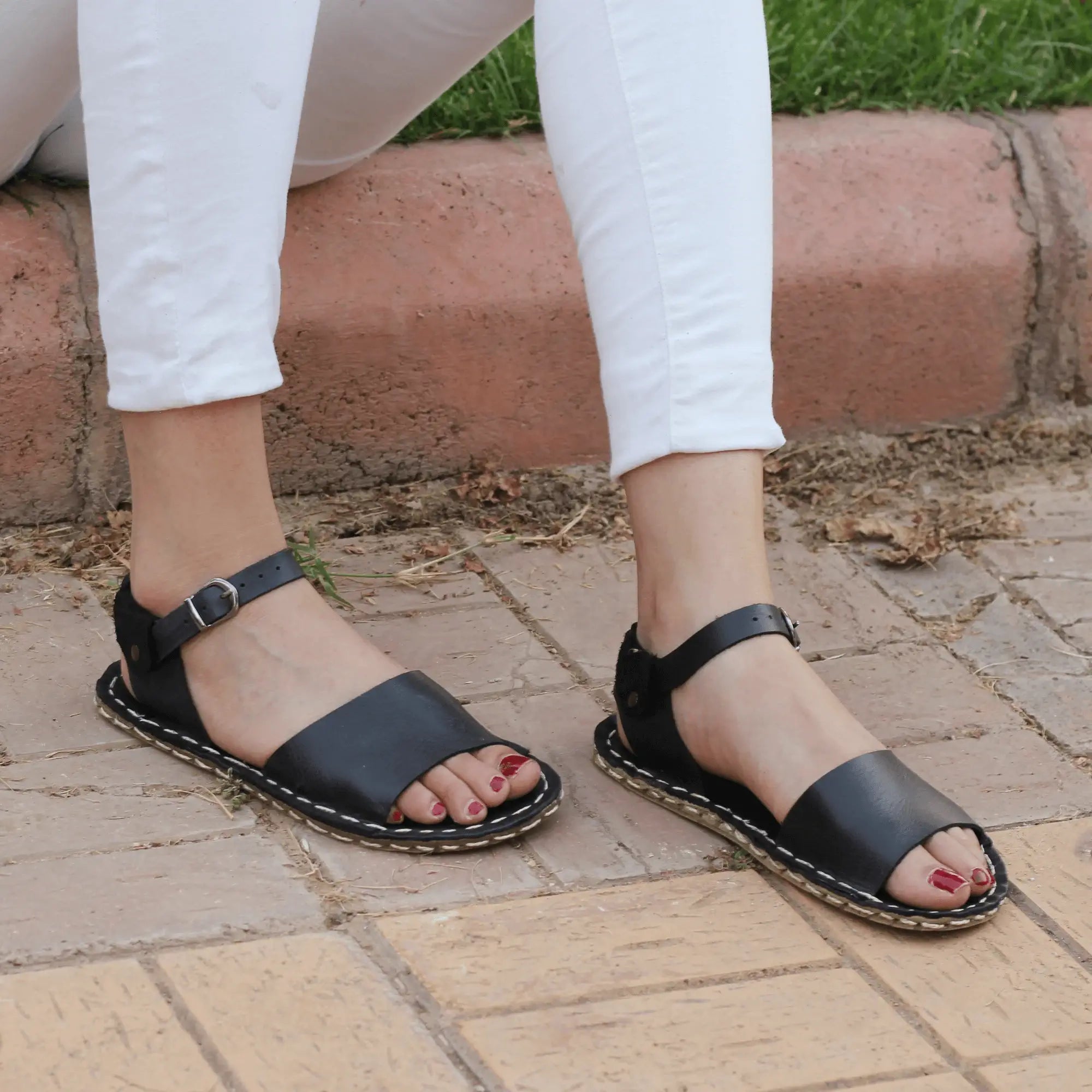
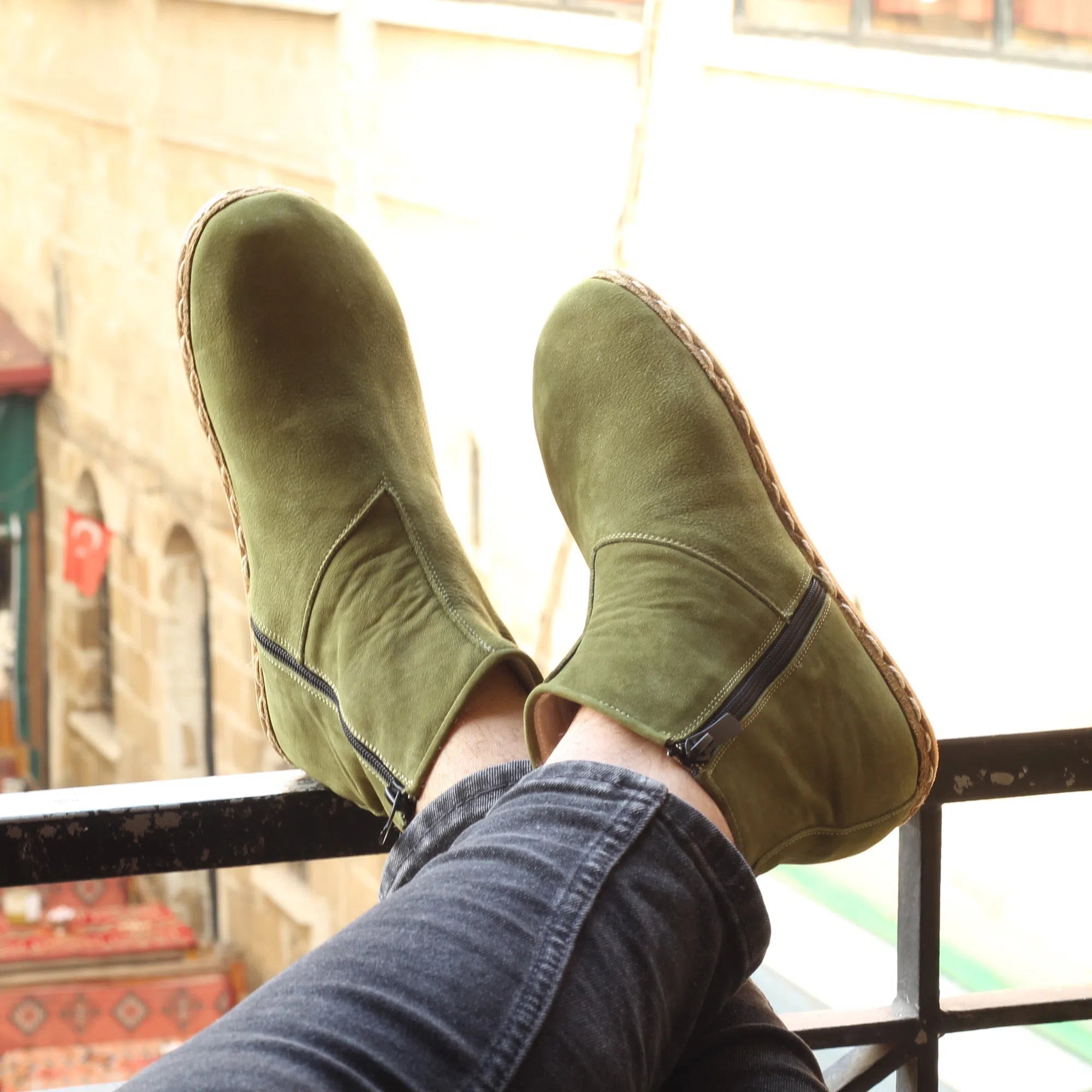
Most shoes ask your feet to shrink, stiffen, and follow a shape that was never yours. Leather barefoot moccasins take the opposite approach. They let your toes spread, keep your heel level with the ground, and wrap the foot in natural material instead of trapping it inside synthetic padding.
That difference is felt long before you can explain it. A well-made moccasin moves with you while walking the dog, standing in the kitchen, traveling, or stepping out for a casual dinner. It can look refined without the hard sole, narrow toe box, and elevated heel that have become standard in conventional footwear.
Why Leather Barefoot Moccasins Feel Different
A barefoot moccasin is not simply a soft shoe. Its design is built around the natural shape and function of the human foot. The goal is not to force the foot into a fashionable silhouette. The goal is to give it room to do its job.
The first feature is a wide toe box. Your toes are meant to splay when you stand and move, helping create a stable base beneath the body. Narrow shoes press the big toe inward and crowd the smaller toes together. Over time, that restriction can make a foot feel tense, tired, and disconnected from the ground.
The second feature is zero-drop construction. Zero drop means there is no height difference between heel and forefoot. Your heel sits level rather than being tipped forward by a raised sole. Many people choose this design because it feels more natural for walking and standing, though your body may need time to adjust if you have worn heeled shoes for years.
The third is flexibility. A rigid sole can protect the foot from rough surfaces, but it can also limit the way the foot bends and responds. Flexible leather soles allow more feedback from the ground and encourage a lighter, more aware stride. That is one reason barefoot footwear often feels less like wearing a shoe and more like moving freely with a layer of protection.
Why Real Leather Matters
Not all soft moccasins offer the same experience. The material against your skin matters, especially when you wear a pair for long hours. Natural leather has a character that synthetic materials cannot imitate: it adapts, breathes, and becomes more personal with use.
Quality leather gradually conforms to the shape of your foot. It may feel snug at first, but it should not painfully squeeze your toes or create pressure points. As the leather relaxes, the shoe develops a fit that reflects the way you actually move.
Leather also helps manage moisture. Feet sweat, particularly in warm weather or during long days on the move. Breathable leather can help reduce the damp, enclosed feeling associated with plastic-heavy shoes. For people who are tired of overheated feet and lingering shoe odor, this is more than a luxury. It is a practical reason to choose better materials.
At Nefes Shoes, handmade leather construction is part of a larger belief: shoes should support natural movement rather than override it. Buffalo leather soles offer a grounded, flexible feel while giving each pair the strength needed for daily wear. Leather is not a disposable shortcut. It is a material that gains beauty as it gains history.
The appeal of a leather sole
A leather sole creates a closer relationship with the surface beneath you than a thick foam platform. It is flexible, quiet, and naturally distinctive. For people interested in grounding or earthing practices, a leather-soled moccasin can also feel like a more natural alternative to heavily insulated synthetic footwear.
That said, a leather sole is not the same as a hiking boot outsole. It is best suited to everyday urban walking, dry paths, indoor wear, errands, travel, and relaxed social occasions. If you regularly cross sharp gravel, wet trails, or rough job sites, you may prefer a shoe with more protection. Natural movement does not mean ignoring the demands of your environment.
How to Choose the Right Pair
The right leather barefoot moccasins should feel spacious at the front, secure through the heel, and comfortable without heavy cushioning. Do not choose a pair because it looks slim on the shelf. Choose it because it gives your foot enough room to be a foot.
Start with toe space. Stand in the moccasins and check that your longest toe has room in front of it. Your toes should be able to rest naturally instead of curling or pressing into the leather. If the upper is soft, it may loosen slightly with wear, but a too-short shoe will not become the right length.
Next, consider the instep and heel. A moccasin should hold the foot without needing to grip it aggressively. The heel should not slide excessively, but it also should not feel locked into a hard cup. Traditional footwear often relies on stiffness to create security. A well-designed barefoot moccasin uses fit, flexible materials, and natural foot movement instead.
Finally, think honestly about your current footwear habits. If you are moving from thick athletic shoes, work boots, or high heels, a thin and flexible sole may feel unfamiliar at first. That is normal. The answer is usually not to push through soreness or immediately wear barefoot shoes all day. Begin with shorter walks and low-intensity daily activities, then increase your time as your feet and lower legs adapt.
Wearing Them Without Overdoing the Transition
Barefoot footwear asks more of the feet than heavily cushioned shoes do. That can be a welcome change, but gradual adaptation matters. Start by wearing your moccasins around the house, on a short errand, or during a relaxed walk on familiar ground.
Pay attention to how your calves, arches, ankles, and feet respond the next day. Mild fatigue can happen when muscles begin working in a new way. Sharp pain, persistent discomfort, or worsening symptoms are signals to slow down and seek guidance from a qualified health professional when needed.
Your walking style may change, too. Many people find that a shorter, quieter stride feels more comfortable in a flexible shoe. Rather than striking the ground hard with the heel, aim for a light step and let your whole foot respond naturally. The ground is information, not an enemy to be completely blocked out.
Caring for Handmade Leather Moccasins
Good leather rewards simple care. Brush off dry dirt after wear and let the shoes air out fully before putting them away. If they get damp, dry them at room temperature away from direct heat. A radiator, dryer, or hot car can stiffen leather and shorten its life.
Condition the leather occasionally with a product suited to the specific finish. You do not need to over-treat it. Too much conditioner can leave leather overly soft or darkened. A little attention, applied consistently, is enough to preserve suppleness and help the material age with character.
Leather soles also benefit from realistic expectations. They may show scuffs, darkening, and signs of the places you have walked. Those marks are not automatically flaws. They are evidence of a natural material doing what it was made to do: accompany you through real life.
A Shoe That Lets Your Feet Be Themselves
Style does not need to come at the expense of movement. Leather barefoot moccasins offer a rare combination of visual warmth, handcrafted character, and freedom underfoot. They are for the person who wants to feel polished without feeling compressed, protected without feeling disconnected, and comfortable without hiding inside a thick synthetic sole.
Your feet carry you through every ordinary and unforgettable part of the day. Give them room to spread, flex, breathe, and sense the ground. The right moccasin does not demand that your body adapt to the shoe. It respects the body you already have.