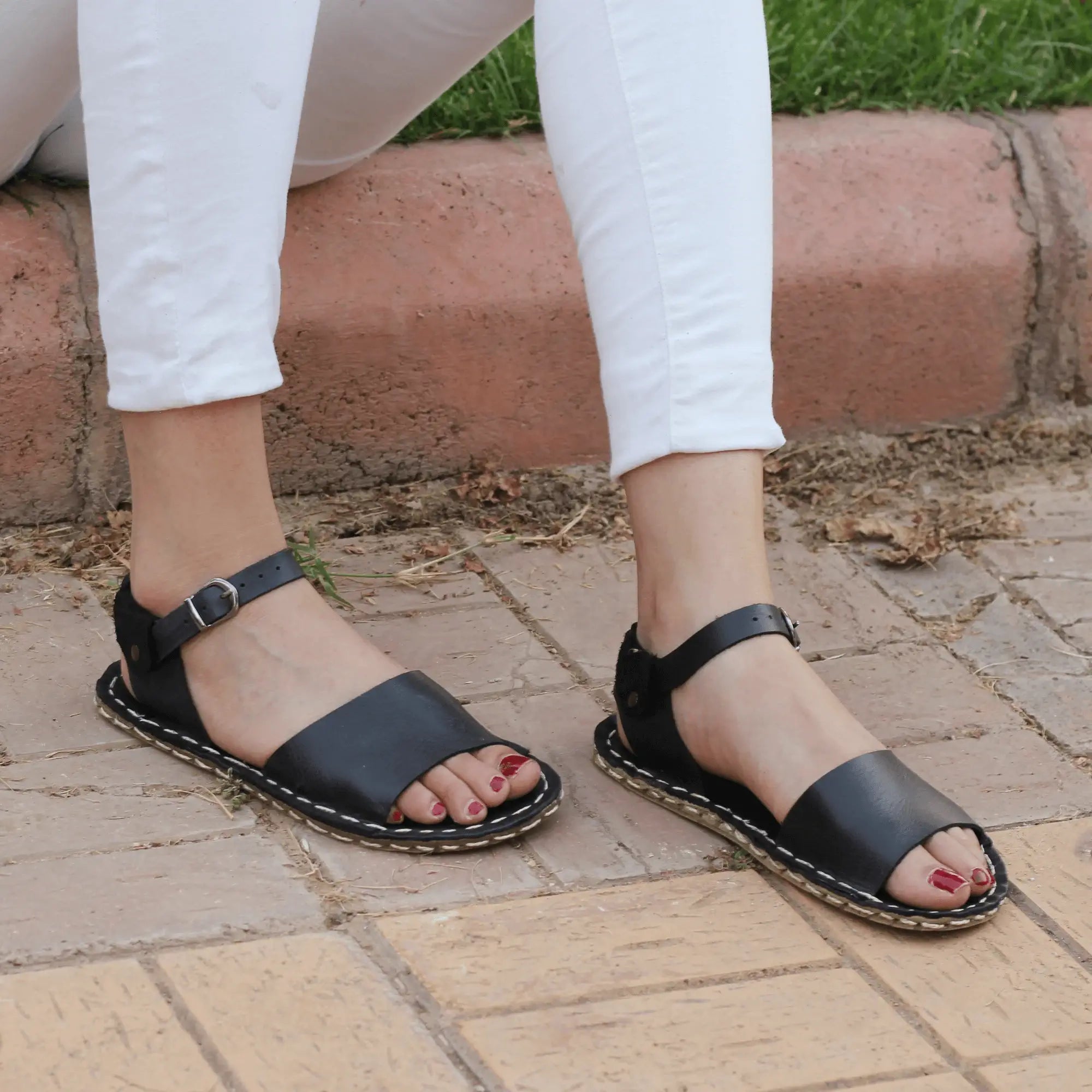
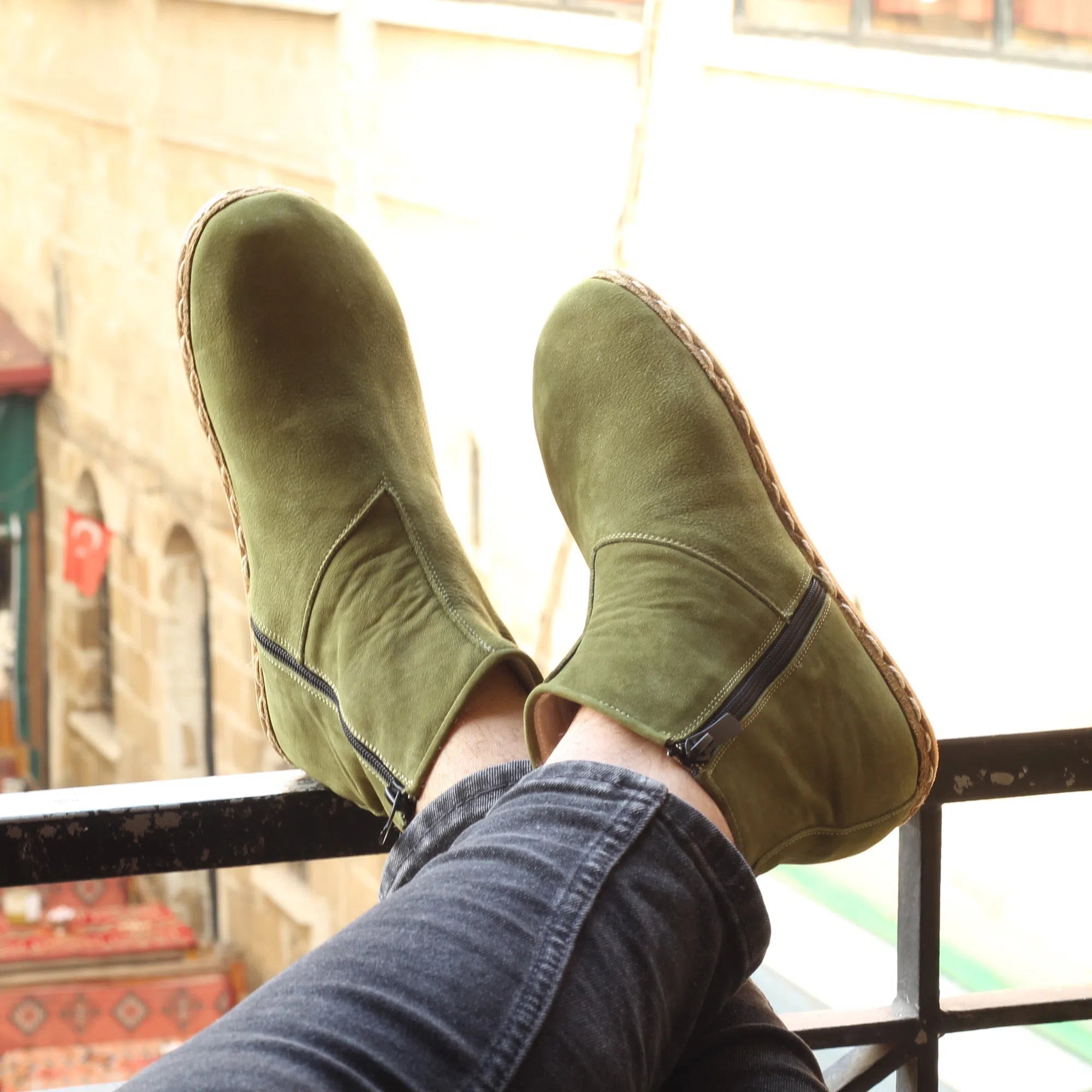
Most shoes cut you off from the ground before you even take a step. Thick rubber, elevated heels, stiff midsoles, cramped toe boxes - they do more than change comfort. They change how you stand, how your feet move, and how connected you feel to the surface beneath you. A real grounding shoes buying guide should start there, because if a shoe is built like a conventional sneaker with a grounding claim attached, the label means very little.
Grounding shoes are not just minimalist shoes with a trendier name. The idea is more specific. They are made to support natural foot function while also prioritizing contact with the earth through conductive materials or constructions designed around that purpose. For shoppers who care about alignment, breathability, movement, and natural materials, the difference matters.
Grounding shoes buying guide - what actually matters
If you are shopping for grounding shoes, start with the sole. This is where many brands get vague. A grounding shoe should not rely on thick synthetic barriers that separate your foot from the earth. Natural leather soles, especially when crafted to remain flexible and close to the ground, appeal to people who want a more direct underfoot experience. A heavy foam platform may feel soft at first, but it works against the very reason many people seek grounding footwear.
That does not mean every thin sole is a good sole. You want flexibility without flimsiness and contact without feeling like you are standing on cardboard. The best grounding shoes let your feet sense the surface while still providing enough structure for daily life. If you plan to wear them mostly on sidewalks and indoor surfaces, your needs may differ from someone who wants them for long walks outdoors. This is where honesty matters. There is no single perfect sole for every person, every climate, and every routine.
Fit comes next, and it deserves more attention than style trends usually allow. If your toes are compressed, your foot cannot spread naturally. A proper grounding shoe should give your forefoot room to open, stabilize, and move as it was designed to. A wide toe box is not a cosmetic feature. It changes balance, comfort, and the way pressure moves through the foot.
The heel matters too. Zero-drop construction, where heel and forefoot sit at the same height, helps maintain a more natural stance. Raised heels push the body forward and can shift posture in ways many people never question because the conventional shoe market normalized them decades ago. Grounding footwear should not force your body into an artificial angle and then call it supportive.
Materials can make or break the experience
If you care about grounding, the upper matters, but the sole matters more. Still, material choice affects comfort, breathability, and how often you will actually reach for the shoe. Leather remains one of the strongest options for people who want a natural feel and long-term durability. Good leather breathes, molds to the foot over time, and avoids the plastic feel that dominates mass-market footwear.
Synthetic shoes often trap heat and moisture. That usually means more sweat, more odor, and less pleasure in wearing them for long hours. If your goal is to reconnect with natural movement, it makes little sense to wrap your feet in synthetic layers that fight your skin at every step.
Handmade construction also matters more than many shoppers assume. Mass production usually favors speed, uniformity, and cheaper materials. Handcrafted footwear tends to reflect more care in shaping, stitching, and material selection. That does not automatically make every handmade shoe great, but in this category, craftsmanship often shows up where it counts - flexibility, comfort, and a more natural fit.
A brand like Nefes Shoes leans into this difference with handmade leather grounding footwear built around natural movement rather than fashion industry habits. That approach resonates because many shoppers are no longer looking for another foam-filled compromise.
How to judge comfort in a grounding shoe
Comfort in this category is different from the padded, overbuilt comfort most people were sold growing up. A grounding shoe should feel freeing, not marshmallow-soft. Your foot should be able to bend, spread, and sense the ground. That can feel surprisingly different if you have spent years in stiff athletic shoes or narrow dress shoes.
There is also an adjustment period for some people. If your feet have been supported into weakness or restricted into unnatural shapes, a flexible grounding shoe may ask more of them. That is not a flaw. It is often part of the transition back to using the foot more naturally. Still, there is a trade-off. If you are brand new to barefoot-style footwear, going too thin too fast may feel intense. Some people do better starting with short wear periods and building up.
The best test is simple. When you stand and walk, do your toes feel free? Does the sole bend where your foot bends? Does the shoe sit flat instead of pitching you forward? Does the material feel breathable instead of clammy? If the answer is yes, you are closer to the right shoe.
Style still matters - and it should
Too many conventional brands act as if healthy footwear must look awkward, while too many wellness brands act as if style should not matter. Both miss the point. If a grounding shoe looks strange to you, you will probably wear it less. If it looks good but fights natural movement, it is just another compromise.
The strongest grounding shoes balance function and design. That means silhouettes you can wear with jeans, casual work clothes, dresses, or weekend layers without feeling like you are making a costume choice. Boots, sandals, moccasins, slippers, and sneakers can all work in this category if they respect foot shape and natural mechanics.
This is especially important for adults who want one pair to do more than one job. A stylish grounding shoe has a better chance of becoming an everyday shoe, and everyday use is where benefits become noticeable.
Red flags to watch for in any grounding shoes buying guide
Be skeptical of vague wellness language with no construction details behind it. If a brand talks endlessly about energy but says little about sole material, heel drop, toe box shape, or flexibility, that should raise questions. A grounding shoe should be specific about how it is built.
Also watch for shoes marketed as grounding that still include thick synthetic foam, stiff arch structures, or aggressively tapered toe boxes. Those features belong to conventional footwear logic, not natural movement. The same goes for shoes that claim to be barefoot or grounding but sit high off the ground like athletic platforms.
Price deserves nuance too. Cheap shoes can look convincing online, especially in a category where buzzwords sell. But low-cost materials often crack, trap moisture, or lose shape quickly. On the other hand, the most expensive option is not automatically the best one. What you are really paying for should be material integrity, skilled construction, and design choices that support natural function.
Choosing the right pair for your life
Your best grounding shoe depends on where and how you will wear it. For daily urban use, many people prefer a flexible leather shoe with enough durability for pavement and long hours on their feet. For warmer weather, open designs like grounding sandals can feel cooler and more direct. For home use, grounded slippers or moccasin-style shoes may be enough.
If you want one versatile pair, start with a style that works across most of your routine rather than chasing the most extreme option. The right first pair should encourage consistent wear. That usually beats buying a highly specialized pair that spends most of its life in the closet.
Sizing also deserves care. Do not size down for a snug fashion fit. Your toes need room, especially during long wear when feet naturally expand. A grounding shoe should feel secure at the midfoot and heel without squeezing the front of the foot.
A good grounding shoe does not force your body into line. It gets out of the way so your body can do what it was built to do. Buy with that standard in mind, and you will avoid most of the noise in this category. The right pair should feel less like equipment and more like freedom under your feet.