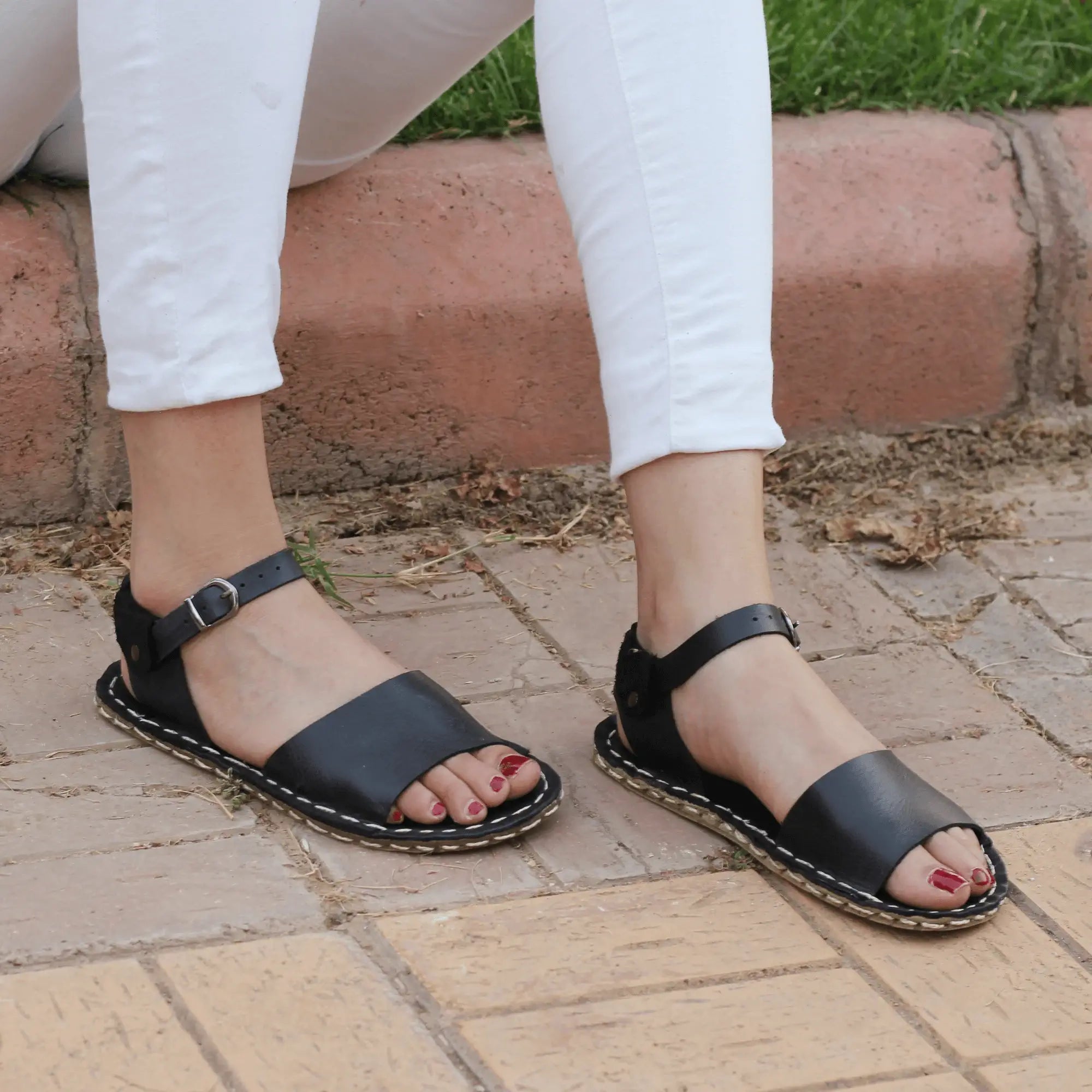
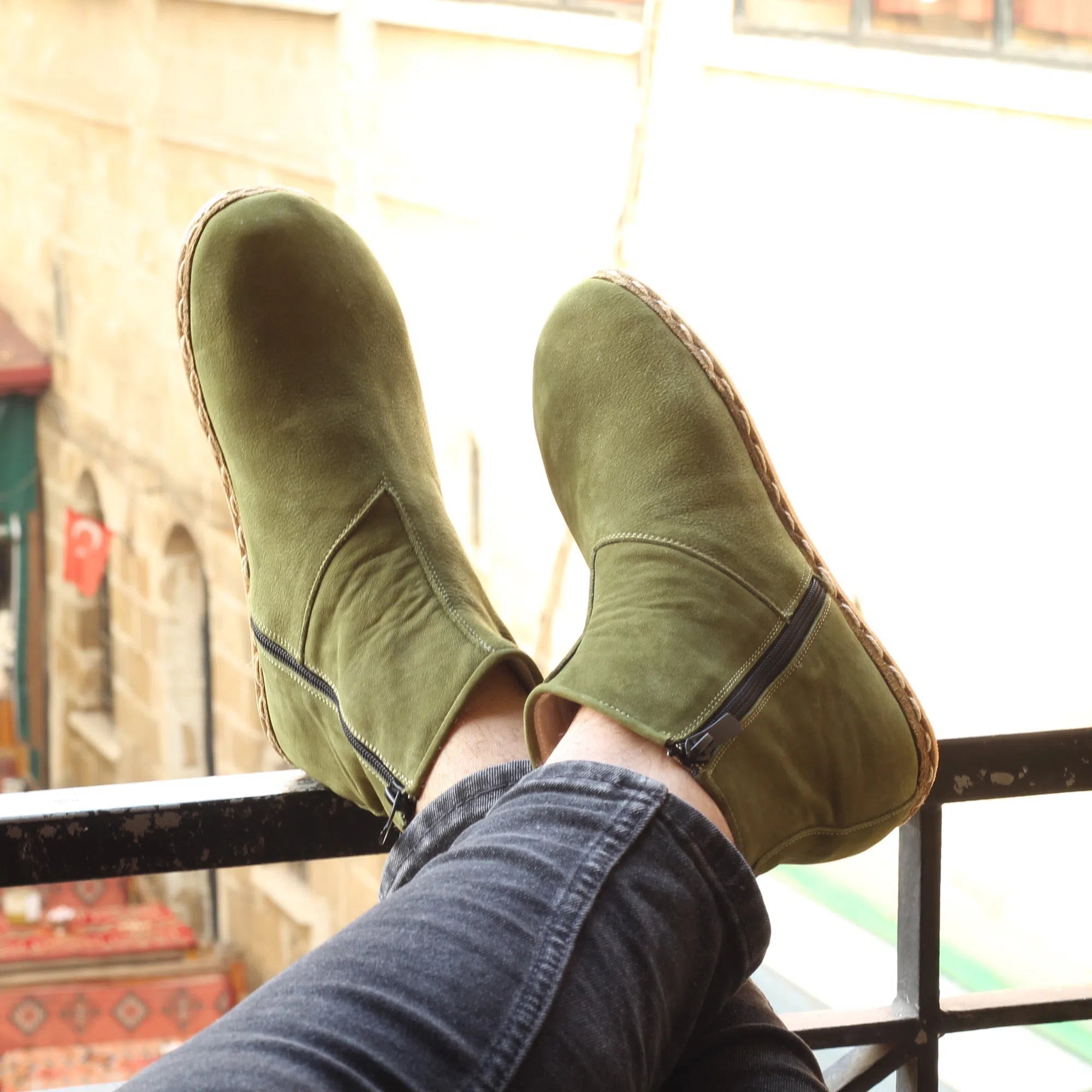
That sharp, first-step pain in the heel can make even a short walk feel like a bad idea. If you are looking into zero drop shoes for plantar fasciitis, you are probably trying to solve a real problem - not chase a trend. And that is where this conversation needs some honesty, because zero drop can help some feet tremendously and irritate others if the shift happens too fast.
Plantar fasciitis is often treated as if the answer is always more cushion, more arch support, and more shoe. Sometimes that does calm things down in the short term. But it can also keep the foot in a pattern where the heel is elevated, the toes are squeezed, and the arch never really gets the chance to do its own work. For people who want stronger, freer feet, that trade-off matters.
Are zero drop shoes for plantar fasciitis a good idea?
Sometimes yes. Sometimes not right away.
A zero drop shoe places the heel and forefoot at the same height. That sounds simple, but it changes the mechanics of standing and walking. Raised heels shift body weight forward, alter ankle position, and can change how force travels up from the ground. A zero drop platform removes that built-in tilt and lets posture settle into a more natural alignment.
For some people with plantar fasciitis, that is exactly the reset the body has been asking for. A flatter shoe can reduce the strange compensation patterns created by elevated heels. A wide toe box can also help the toes spread and stabilize, which supports the arch more naturally than squeezing the forefoot into a narrow shape.
But there is a catch. If you have spent years in thick, supportive shoes with heel elevation, your calves, Achilles tendon, and plantar fascia may have adapted to that setup. Switching abruptly into zero drop footwear can load those tissues more than they are ready for. The shoe is not necessarily the problem. The speed of transition often is.
Why conventional shoes can make the problem stick
A lot of mainstream footwear is built around control. Elevated heels, rigid midsoles, toe spring, thick cushioning, and narrow fronts all push the foot away from its natural shape and function. That can feel comfortable at first because the shoe is doing so much of the work.
The trouble is that comfort and healing are not always the same thing. If your toes cannot spread, your base of support shrinks. If your heel is constantly lifted, your lower leg mechanics change. If your foot is always braced, the small stabilizing muscles can become less active over time.
That does not mean every cushioned shoe causes plantar fasciitis. It means footwear can either support recovery or keep feeding the same pattern. For many people, the real issue is not simply inflammation at the heel. It is a foot that has been restricted, weakened, and positioned unnaturally for years.
What actually helps in a zero drop shoe
Not all minimalist shoes are equal, and not every person with heel pain needs the same thing. If you are considering zero drop shoes for plantar fasciitis, a few design details matter more than marketing claims.
Wide toe box
This is non-negotiable. A cramped toe box reduces toe splay, balance, and natural shock absorption. When the forefoot can spread, the arch has a better chance to function the way it was designed to.
Flexible sole
A flexible sole lets the foot move, bend, and sense the ground. That sensory feedback can improve gait and reduce the clumsy, heel-heavy landing pattern many people fall into with stiff shoes.
Zero heel rise
This is the defining feature. No heel lift means the body is not being pitched forward by the shoe itself. For some people, that can improve whole-body alignment from the feet up.
Natural materials and secure fit
Hot, synthetic, heavily padded shoes can create a disconnected feeling. Breathable leather and a secure but non-restrictive fit tend to feel more natural over long wear, especially for people already paying close attention to how their feet respond.
When zero drop can make plantar fasciitis worse
This is the part too many articles skip.
If your plantar fascia is highly irritated, your calves are tight, and your ankle mobility is poor, a sudden move into zero drop shoes can flare symptoms. You may feel more pulling through the bottom of the foot or soreness in the Achilles. That does not always mean zero drop is wrong for you. It may mean your tissues are underprepared.
It also depends on how minimal the shoe is. A zero drop shoe can still have some structure. A very thin, highly flexible sole is a bigger step than a flatter shoe with moderate underfoot protection. People often treat all zero drop footwear as one category, but there is a big difference between a gentle transition shoe and a fully barefoot-style shoe.
If your pain is severe, persistent, or changing the way you walk, it is smart to think in phases rather than absolutes. Relief first. Rebuilding second. Long-term foot function always matters, but timing matters too.
How to transition without making heel pain angrier
The biggest mistake is wearing your new shoes all day on day one. That is not a transition. That is a shock.
Start with short periods at home or on easy walks. Pay attention to the day after, not just the hour you are wearing them. Mild muscular fatigue in the feet or calves can be normal. Sharp heel pain, limping, or escalating morning pain is a sign to slow down.
It also helps to support the transition with simple foot and lower leg work. Calf mobility, gentle plantar fascia loading, toe movement, and time spent barefoot at home if comfortable can all help the body adapt. The goal is not to force minimalism. The goal is to restore capacity.
Some people do best by alternating between their current shoes and zero drop shoes for several weeks. Others need longer. If you have been in heeled footwear for decades, patience is not weakness. It is strategy.
How to tell if a zero drop shoe is helping
A good sign is that your foot feels more awake, more stable, and less compressed. You may notice better toe spread, smoother walking, and less pressure concentrated at the heel. Over time, some people also feel benefits up the chain - better posture, less knee strain, and a more grounded stance.
A bad sign is that every wear session increases your next-morning pain or shifts discomfort into the Achilles without any gradual improvement. In that case, the answer may be a slower transition, a less minimal model, or temporary support while the tissue calms down.
This is where body awareness matters more than shoe hype. The right shoe should help your foot move naturally, not ask an injured foot to do more than it can handle.
The bigger question: support or strength?
Most people with plantar fasciitis are told to chase support forever. That advice can be useful in an acute flare, but it is incomplete. A foot that is always propped up may never become a stronger foot.
That is why zero drop and barefoot-inspired footwear resonate with so many people who are done with the cycle of temporary relief. The idea is not to punish the foot with less shoe. The idea is to stop interfering with natural mechanics and let the foot reclaim its job.
Of course, there is a difference between natural support and no support. A well-made zero drop shoe with a foot-shaped design, flexible construction, and quality natural materials can feel radically different from a cheap flat shoe that offers no structure and no respect for movement. Craft matters. Shape matters. Materials matter.
For people drawn to handmade, foot-shaped footwear, this is often where brands like Nefes Shoes stand apart. The point is not just a flatter sole. It is a different philosophy - one that respects toe splay, natural alignment, breathable leather, and a more grounded connection to the earth beneath you.
Should you try zero drop shoes for plantar fasciitis?
If your instinct is telling you that your feet need more freedom, not more confinement, you are probably asking the right question. Zero drop shoes for plantar fasciitis can be a smart move when the shoe is truly foot-shaped and the transition is handled with care.
They are not a miracle cure. They are not right for every stage of pain. But for many people, they offer something conventional shoes rarely do: a chance to stop fighting the foot's natural design.
Your feet were not built for raised heels, pinched toes, and layers of synthetic interference. They were built to feel, flex, and support you from the ground up. Start there, go slowly, and let your body tell you what real comfort actually feels like.