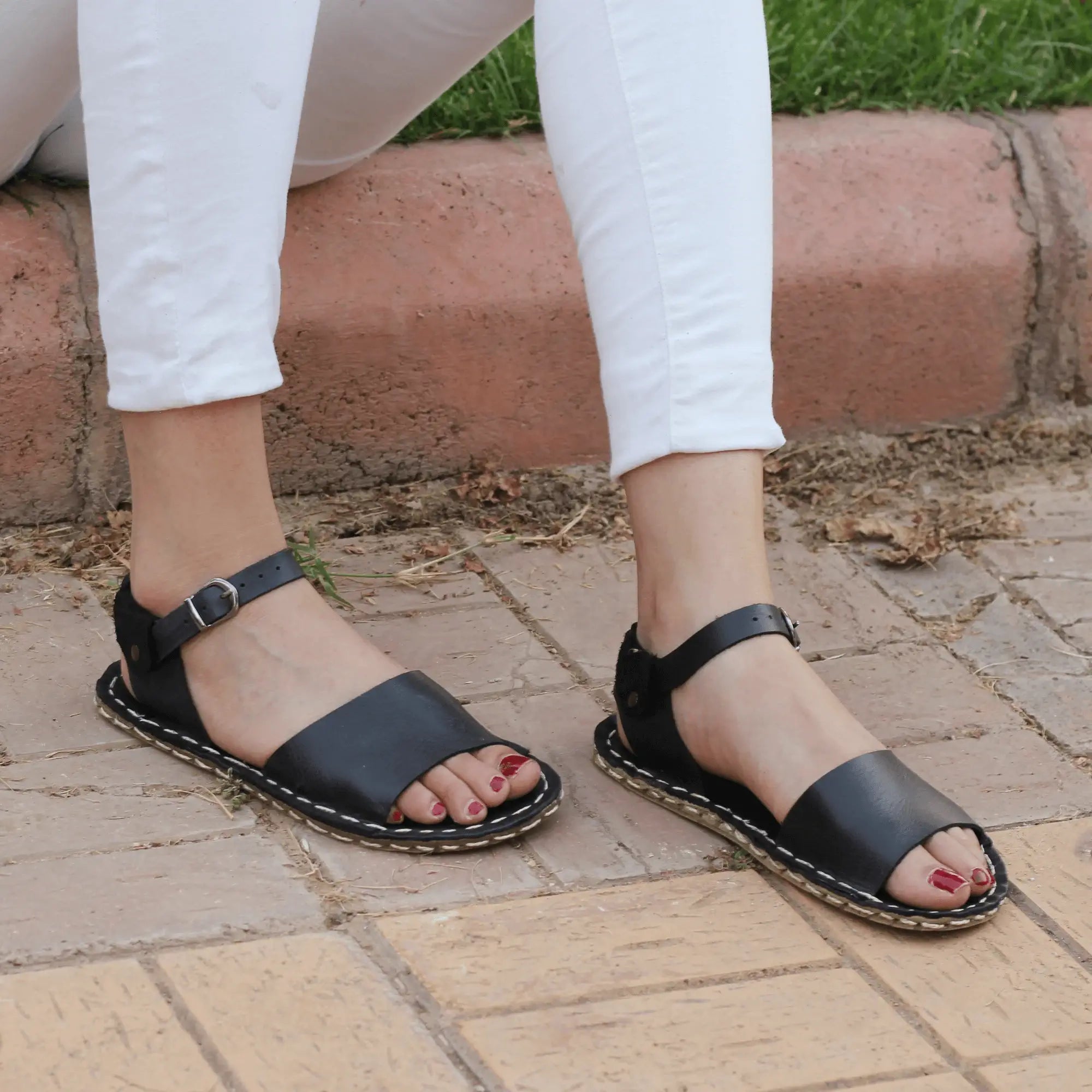
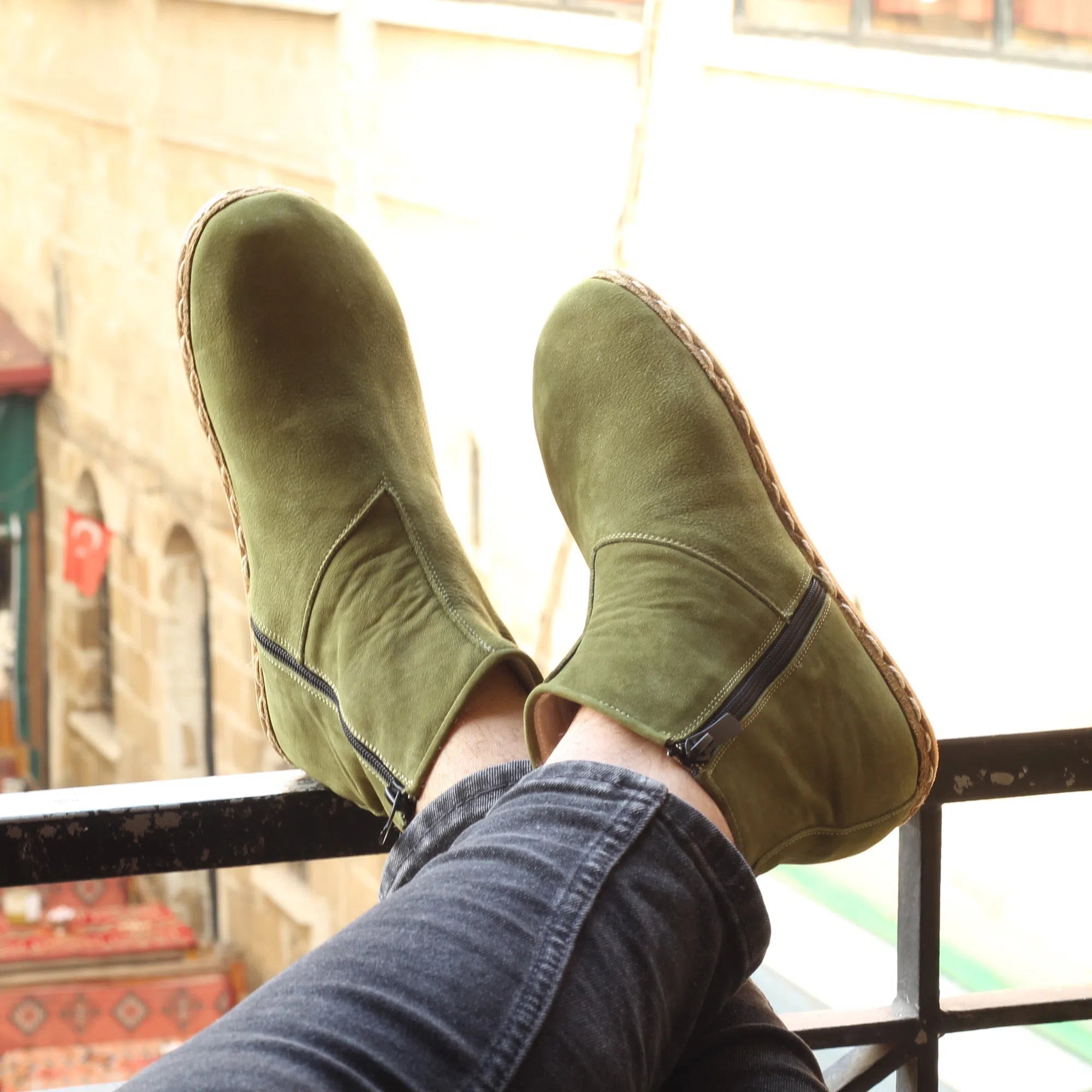
The difference between zero drop vs regular shoes is not a small design detail. It changes how your feet meet the ground, how your ankles and knees stack, and how your body carries weight from the first step to the last.
Most people have spent years inside shoes with raised heels, narrow toe boxes, and thick soles that do too much of the work. That setup can feel normal simply because it is familiar. But familiar is not always natural, and it is definitely not always better for your feet.
If you are curious about minimalist footwear, posture, grounding, or simply why your shoes leave your feet feeling trapped by the end of the day, this comparison matters.
Zero drop vs regular shoes: the core difference
A zero drop shoe keeps the heel and forefoot at the same height. There is no built-in heel lift. Your foot sits level, closer to how it would stand on the ground without a shoe.
A regular shoe usually has some heel-to-toe drop, meaning the heel sits higher than the front of the foot. In athletic shoes, casual sneakers, boots, and even dress shoes, that raised heel is often treated like a standard feature. Many people never question it.
But a lifted heel shifts your body forward. That can subtly change alignment through the ankles, knees, hips, and lower back. It can also encourage you to load your body differently when you walk or stand.
Zero drop construction aims to remove that artificial tilt. The idea is simple: let the foot function in a more natural position.
What regular shoes do to foot mechanics
Regular shoes are not all the same, but many share a pattern. They elevate the heel, squeeze the toes, and cushion the sole so heavily that the foot becomes less involved in its own movement.
That can create short-term comfort and long-term trade-offs.
A raised heel can reduce demand on the calves and Achilles in the moment, which is why zero drop can feel intense at first for people used to traditional footwear. But over time, constant heel elevation may contribute to tight calves, altered posture, and less natural loading through the foot.
A narrow front end is another issue. Toes are meant to spread. That splay helps with balance, stability, and shock management. When shoes taper too aggressively, the foot loses space it was designed to use.
Then there is the sole itself. Thick, heavily structured soles can dull sensory feedback from the ground. That feedback matters more than most people realize. Your feet are packed with information. When the shoe filters too much of it out, movement often becomes less responsive and less precise.
Why zero drop shoes feel different
The first thing many people notice in zero drop shoes is not just comfort. It is awareness.
You may feel the ground more. You may notice your toes spreading. You may recognize that your stride changes slightly because your body is no longer pitched forward by a raised heel.
That does not mean every zero drop shoe is automatically healthy. Some are still stiff, narrow, or made from synthetic materials that trap heat and moisture. True natural movement depends on more than heel height alone.
The strongest zero drop designs usually pair a level platform with a wide toe box, flexibility, and materials that let the foot breathe and move. That combination supports the foot rather than forcing it into a shape.
For people interested in grounding and earthing, the sole material matters too. A natural leather sole creates a very different feel from thick rubber and foam. It brings you closer to the earth, physically and sensorially, in a way mass-market shoes rarely do.
Zero drop vs regular shoes for posture and alignment
This is where the conversation gets more serious.
When the heel is elevated, the body has to adapt. That adaptation may be subtle, but it adds up. A higher heel can encourage forward lean, place more strain on the knees, and alter pelvic position. Some people feel that effect immediately in the lower back. Others only notice it after hours on their feet.
With zero drop shoes, the body starts from a more level base. That can support more natural alignment through the entire chain. Many people report feeling more stable and evenly balanced, especially during walking and standing.
Still, this is not a magic switch. If your mobility is limited, if your calves are tight, or if your gait has adapted to regular shoes over many years, zero drop may feel demanding at first. That does not mean it is wrong. It means your body may need time to relearn a more natural pattern.
Comfort is not always what it seems
A padded shoe can feel comfortable in a store. That is not the same as saying it supports healthy movement over time.
Regular shoes often create what could be called borrowed comfort. They cushion, prop, and correct, but in doing so they can reduce the foot's own role in stabilizing and sensing.
Zero drop shoes can feel less immediately forgiving if you are used to heavy cushioning. Yet many people find that once they adapt, their feet feel freer, stronger, and less fatigued. The comfort comes from function, not just softness.
This is especially true when the shoe allows natural toe splay and uses breathable materials. Leather, when it is well made, can mold to the foot in a way synthetic uppers rarely do. It tends to breathe better, reduce sweat buildup, and create a more grounded, less plastic feeling on the body.
Who benefits most from zero drop shoes
People who value natural movement usually notice the biggest difference. That includes walkers, professionals who stand for long hours, wellness-minded shoppers, and anyone tired of cramped footwear.
Zero drop shoes may also appeal to people dealing with toe crowding, a disconnected walking feel, or the sense that conventional shoes are always fighting their feet. If you care about posture, foot strength, or reconnecting with the ground, zero drop is worth serious attention.
That said, it depends on your starting point. Someone moving out of highly cushioned running shoes may need a gradual transition. Someone with an existing injury or a very sensitive Achilles may also need to pace the change.
The better question is not whether zero drop is trendy. It is whether your current shoes are helping your feet function as feet.
When regular shoes still make sense
There are situations where regular shoes may feel easier, at least temporarily.
If you have spent decades in heeled footwear, your calves and tendons may have adapted to that position. A sudden switch to zero drop for all-day wear can feel like too much too soon. Some structured or slightly raised options may be part of a transition period.
There are also specific sports or medical situations where cushioning or support may serve a purpose. But purpose should be the standard, not habit. Too many regular shoes are worn not because they solve a real need, but because the market trained people to accept elevated heels and restrictive shapes as normal.
Normal has done a lot of damage to feet.
How to transition from regular shoes to zero drop
The smartest approach is gradual.
Start by wearing zero drop shoes for shorter periods, especially during walking rather than long, static days if your body is not used to them yet. Let your calves, arches, and ankles adapt. Pay attention to how your feet land and whether your toes finally have room to spread.
If you feel soreness, that can be part of the adjustment. Sharp pain is different. That is your signal to slow down, not push through.
It also helps to choose a shoe that does more than remove heel lift. Look for a foot-shaped design, flexible construction, and natural materials. A handmade leather shoe with a wide toe box and grounded feel can make the transition more intuitive because it works with the foot instead of against it.
That is one reason brands like Nefes Shoes speak so directly to people ready to leave conventional footwear behind. The goal is not fashion at the expense of function or function at the expense of beauty. It is footwear that respects the body.
The real choice in zero drop vs regular shoes
This comparison is not really about trends. It is about whether your shoes interfere with natural movement or allow it.
Regular shoes often ask your feet to adapt to the shoe. Zero drop shoes, at their best, ask the shoe to adapt to the foot. That is a different philosophy. It challenges the idea that tight, lifted, synthetic footwear is the price of modern style or everyday comfort.
Your feet were not designed to live on a slope, with the toes compressed and the sole cut off from the ground. They were designed to move, sense, balance, and support you from a level foundation.
If your current shoes leave you feeling disconnected from your body, start there. The right pair should not numb your feet into submission. It should let them remember what they were built to do.