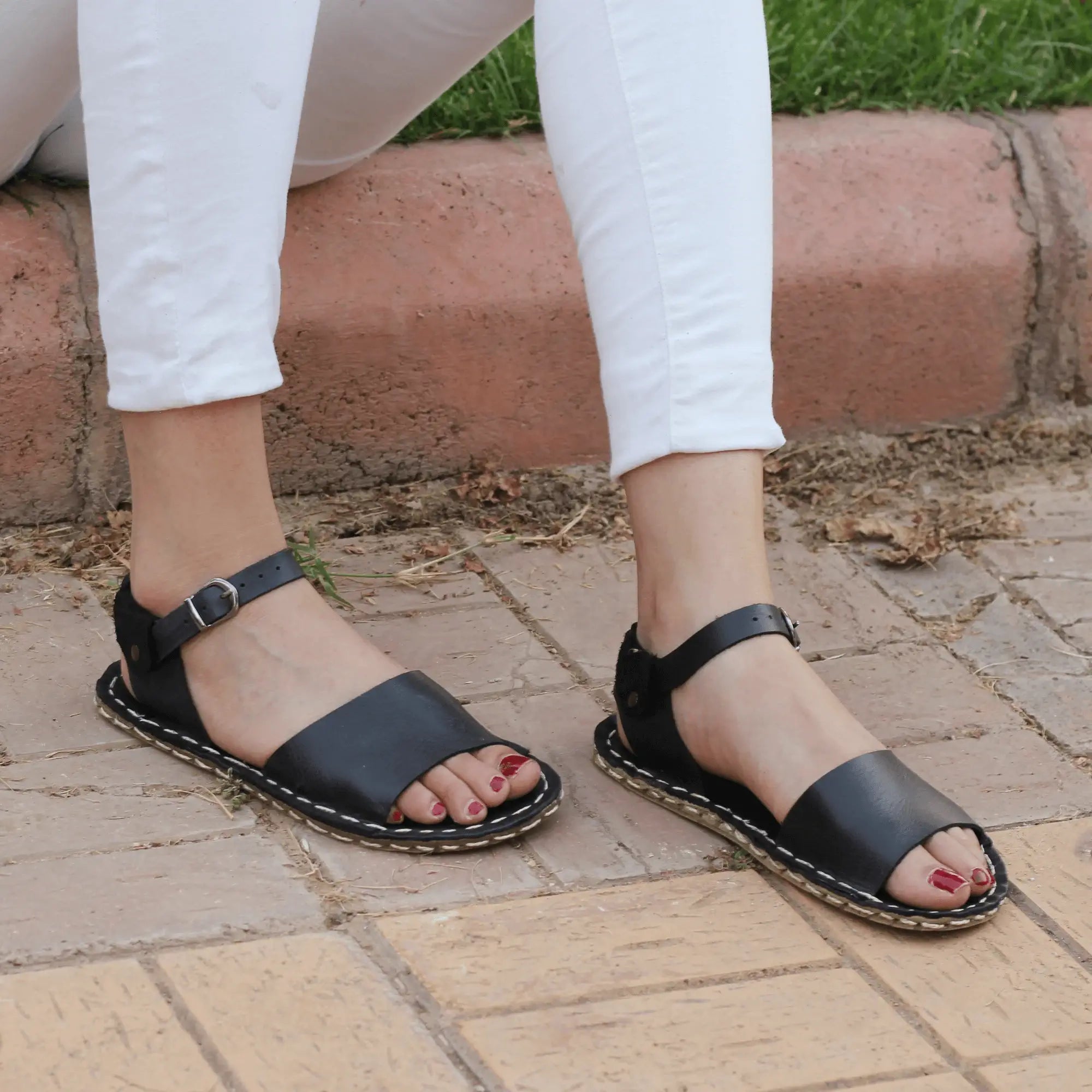
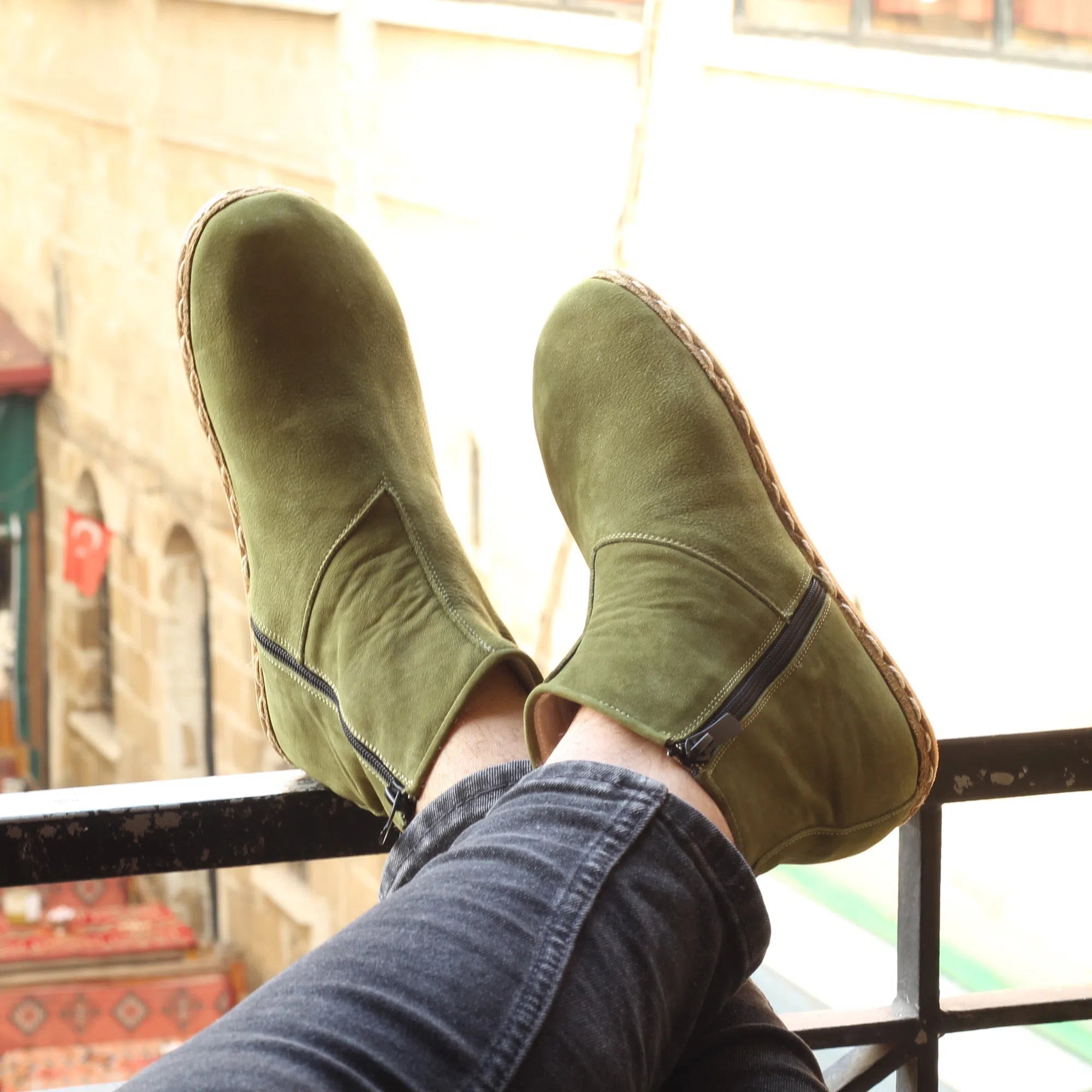
Most shoes ask your feet to adapt to them. Handmade barefoot shoes do the opposite. They start with the shape of the human foot, not the shape of a factory mold built to compress, cushion, and control.
That difference is not cosmetic. It changes how you stand, how you walk, and how your body feels at the end of the day. If your toes feel crowded, your arches feel tired, or your shoes leave you counting the hours until you can kick them off, the problem may not be your feet. It may be the design standards modern footwear has normalized for too long.
What handmade barefoot shoes actually change
A true barefoot shoe is built to interfere less. That usually means a wide toe box, a zero-drop sole, a flexible structure, and less unnecessary bulk between your foot and the ground. When that design is handmade, another layer of value enters the picture: the shoe can reflect material integrity and careful construction instead of assembly-line compromise.
The wide toe box matters because toes are meant to spread. That natural splay helps with balance, pressure distribution, and stability. Narrow shoes push the big toe inward and crowd the smaller toes together, which can leave feet feeling restricted and fatigued. Handmade barefoot shoes respect the foot's natural outline, giving your toes room to do what they were built to do.
Zero-drop construction matters for a similar reason. In most conventional shoes, the heel sits higher than the forefoot. That heel lift may seem small, but it shifts posture and changes how force travels up through the ankles, knees, hips, and spine. A flat sole keeps the foot level with the ground, encouraging a more natural stance and gait.
Flexibility is another major difference. Stiff soles reduce feedback from the ground and often force a less natural walking pattern. A more flexible sole allows the foot to bend and move with each step. For many people, that translates to better body awareness and a stronger connection to movement instead of feeling like the shoe is doing all the work.
Why handmade matters beyond aesthetics
Plenty of footwear brands talk about comfort. Fewer talk about how the shoe is made and why that changes the experience. Handmade shoes carry the imprint of decisions made by craftspeople rather than just machines. That does not automatically make every handmade shoe superior, but in barefoot footwear, craftsmanship tends to matter more because the design relies on precision, balance, and materials that can move naturally with the foot.
Leather is a good example. Natural leather tends to breathe better than many synthetic uppers, and it softens with wear in a way that feels personal rather than generic. It molds over time, developing character instead of simply breaking down. For people who deal with sweat, odor, or that overheated feeling common in synthetic shoes, leather often feels noticeably different on the foot.
There is also a durability conversation here. Handmade construction can support repairability, stronger stitching, and a closer attention to finishing details. Not every shopper wants disposable fashion. Many want a pair of shoes that feels honest, lasts, and gets better with use. That is part of the appeal of artisan footwear, especially when it is built around wellness rather than trend alone.
Handmade barefoot shoes and natural alignment
Health begins with the feet because the feet are your base. When they are constrained, the rest of the body often compensates. That does not mean a shoe can magically fix every discomfort, and it would be misleading to promise that. But footwear can either support natural mechanics or work against them.
Handmade barefoot shoes support a more natural alignment by removing common design features that distort posture. There is no raised heel to tip the body forward. There is no narrow front to force the toes inward. There is no heavily structured sole that limits motion at every step. For people trying to move with better balance and less interference, those choices matter.
The trade-off is that barefoot shoes can feel different at first. If you have spent years in heavily cushioned shoes, your feet and lower legs may need time to adjust. Some people transition quickly. Others need a slower shift, wearing barefoot styles for shorter periods before making them an everyday habit. That is not a flaw. It is simply what happens when the body starts working more naturally again.
The grounding connection people can feel
For some wearers, the appeal goes beyond biomechanics. They want shoes that do not just free the foot but reconnect it to the earth. That is where grounding and earthing enter the conversation.
Grounding shoes are designed to help maintain a more direct relationship with the ground underfoot. Natural materials, especially leather, play an important role in that story. Unlike thick synthetic barriers that separate the body from the earth, natural leather soles and minimalist construction can feel more connected, more breathable, and more alive.
This is one reason handmade barefoot shoes resonate so strongly with wellness-minded shoppers. They are not only looking for comfort. They are looking for a different relationship with what they wear. They want less plastic, less stiffness, less artificial support, and more honest contact with natural materials. They want their shoes to feel like an extension of the body, not a shell around it.
Style matters too, and that is where many brands fail
A lot of people are curious about barefoot shoes until they see them. Then the hesitation starts. Some minimalist footwear leans so hard into function that it forgets people still want to look good. That has kept many shoppers stuck in conventional shoes they know are not serving them.
Handmade barefoot shoes solve that tension better than most. When craftsmanship leads the design, minimalist shoes do not have to look clinical or awkward. They can look refined, earthy, bold, and distinctive. A well-made leather moccasin, sandal, boot, or sneaker can support natural movement while still feeling stylish enough for daily life.
That balance matters because wellness habits only stick when they fit real life. If a shoe supports your feet but stays in the closet because it does not match your style, it is not truly helping. The strongest barefoot designs make room for both freedom and personal expression.
How to tell if a pair is worth buying
Not all barefoot shoes deserve the label. Some borrow the language while keeping the features that cause problems in the first place. If you are shopping carefully, look at the actual construction.
Start with the toe box. It should be anatomically shaped and genuinely roomy, not just marketed as wide. Then check the sole. A true barefoot sole should be flat from heel to toe and flexible enough to bend with the foot. Materials matter too. Natural leather, especially when used thoughtfully in the upper and sole, often offers a more breathable and grounded feel than synthetic alternatives.
It is also worth paying attention to where and how the shoe is made. Boutique production often reflects a stronger commitment to craft than mass-market output. Brands that build by hand and speak clearly about their materials tend to offer more transparency, which is helpful when you are buying footwear for both comfort and long-term wear.
Nefes Shoes stands out in this space because it combines artisanal Turkish craftsmanship, all-leather construction, and a grounding philosophy in a way that feels both functional and deeply personal.
Who benefits most from handmade barefoot shoes
These shoes are especially appealing if you are tired of fighting your footwear. People with toe crowding, discomfort from stiff soles, sensitivity to synthetic materials, or frustration with bulky modern shoes often notice the difference quickly. They also make sense for anyone interested in posture, natural walking mechanics, and holistic wellness.
That said, expectations should stay realistic. Handmade barefoot shoes are not a shortcut. They are a better foundation. They can create space for stronger movement, better comfort, and a more natural relationship with the ground, but the experience depends on your body, your habits, and how gradually you transition.
The best pair will not make your feet feel trapped, padded into numbness, or shaped into something they are not. It will feel honest. It will let your toes spread, let your stride relax, and let the materials breathe. After that, your body usually knows the difference.
If your shoes have been asking your feet to shrink, stiffen, and submit, it may be time to choose a pair that does something far more radical: let them be feet.