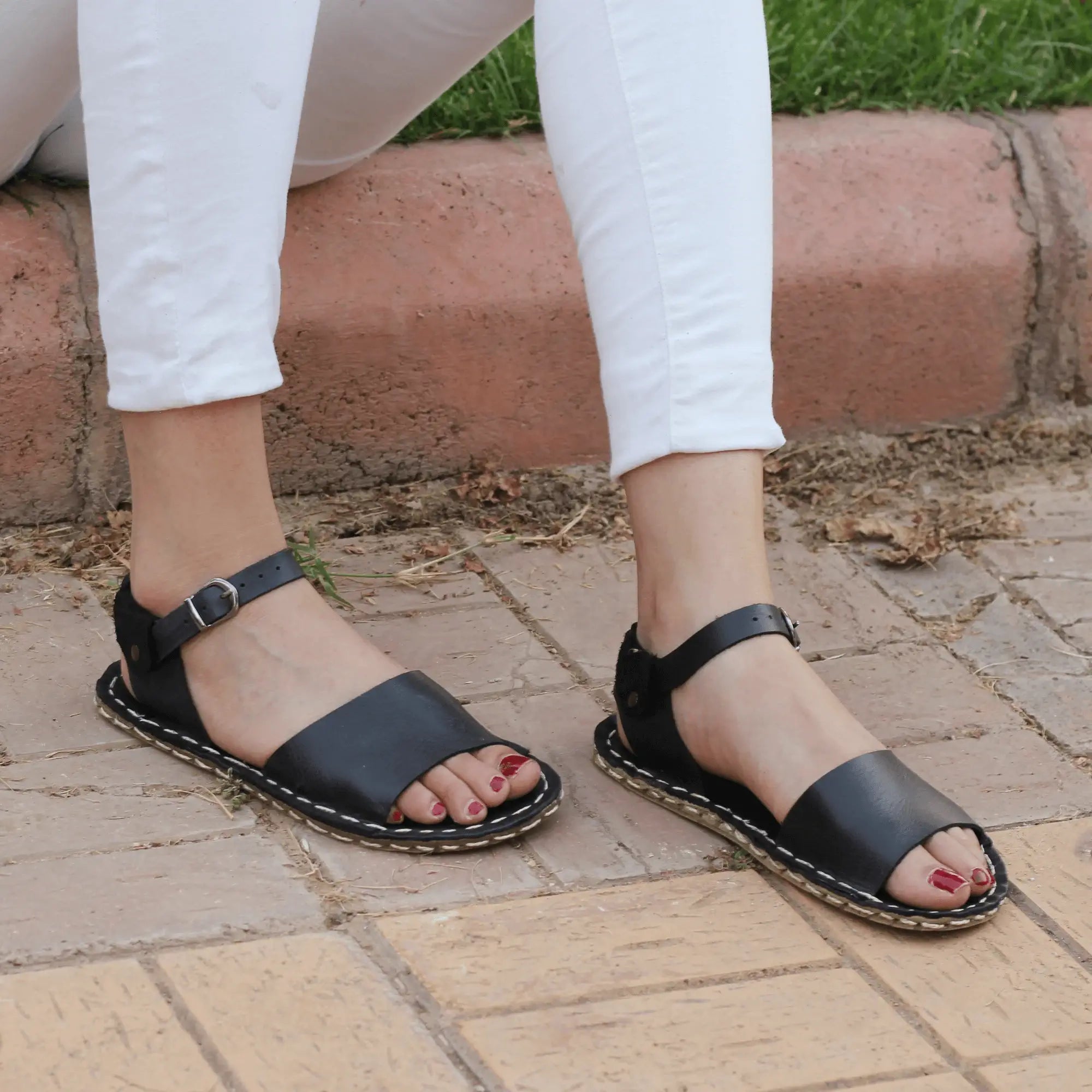
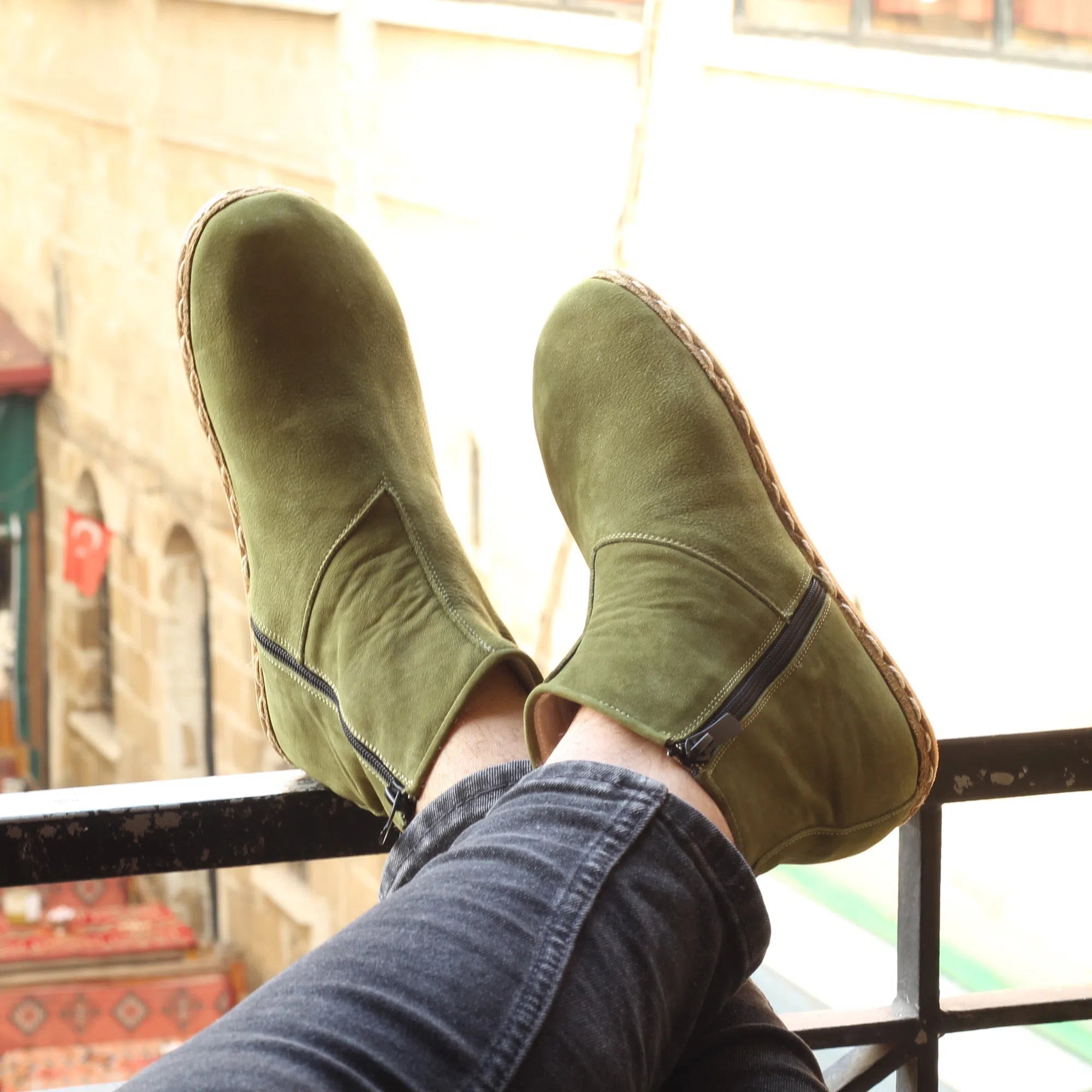
Your feet were not built to spend every day squeezed into pointed toe boxes, perched on raised heels, and separated from the ground by thick layers of synthetic foam. They were built to spread, flex, sense, and support you. The natural movement footwear benefits begin there: shoes that stop fighting the anatomy of your feet and give them room to do their job.
This is not about chasing a trend or pretending every shoe needs to look like athletic gear. It is about choosing footwear that respects the way the human body moves, while still looking distinctive, feeling refined, and holding up to real life.
Why Conventional Shoes Change the Way You Move
Most modern shoes ask your feet to adapt to the shoe rather than the other way around. Narrow fronts pull the toes together. Elevated heels tip the body forward. Stiff soles limit the small motions that help your feet respond to uneven ground, stairs, and daily movement.
A raised heel may feel familiar, but it changes your starting position from the ground up. Your ankles, knees, hips, and torso must continually compensate. That does not mean every heel automatically causes pain or that one pair of shoes explains every posture issue. Bodies are more complex than that. But when elevated, restrictive footwear is the default, it can make natural alignment harder to access.
The same is true of heavily structured shoes. Cushioning can feel protective, especially on hard city surfaces, yet more padding is not always more freedom. If a sole is overly thick or rigid, it can reduce the sensory feedback your feet use to adjust each step. The result may be a foot that is comfortable inside the shoe but less engaged with the ground beneath it.
Natural movement footwear takes a different position: let the foot be a foot.
Natural Movement Footwear Benefits That Matter Daily
The best minimalist shoes are not defined by a single feature. They work as a system. A wide toe box, zero-drop platform, flexible sole, and natural materials each address a different part of the experience.
Space for toes to spread
Your toes are not decorative. They help stabilize your body during walking, standing, and changes of direction. When a shoe tapers sharply at the front, it can crowd the big toe inward and stack the smaller toes together. Over time, that constant compression can feel limiting, irritating, or simply unnatural.
A foot-shaped, wide toe box gives the forefoot space to relax and the toes room to splay. Many people notice the difference immediately when standing: less pinching, less pressure at the sides of the foot, and more freedom in every step. For anyone who has spent years buying shoes by length while tolerating a cramped width, this can be a real reset.
A level foundation for posture and gait
Zero-drop means the heel and forefoot sit at the same height. Instead of pitching your body forward, a level shoe allows you to stand closer to your natural position.
For some wearers, that can support a more balanced feeling through the ankles and lower legs. It may also encourage a shorter, gentler stride rather than a hard heel strike far in front of the body. The benefit is not a guaranteed posture cure. It is a simpler foundation that does not add an artificial slope under your heel all day.
If you are used to traditional shoes with a noticeable heel, your calves and feet may need time to adapt. That adjustment period is not a failure. It is your body getting reacquainted with a position it has not practiced much.
Flexible soles that let feet respond
Feet contain an extraordinary number of joints, muscles, and sensory receptors. They are designed to make constant small adjustments. A flexible sole allows more of that movement to happen instead of locking the foot onto a stiff platform.
This matters when you walk across a sidewalk, stand in the kitchen, travel, or move through a full day on your feet. With each step, flexible footwear can help you feel terrain more clearly and place your foot with more intention. You are not walking on a mattress. You are moving with awareness.
There is a trade-off. A thin, flexible sole offers less insulation from sharp objects and extreme cold than a thick conventional sole. The right choice depends on your environment, your activity, and your current comfort level. Natural movement does not mean ignoring common sense.
More sensory connection to the ground
One reason people love barefoot-inspired shoes is the return of feedback. When your sole can feel the surface beneath it, your brain receives more information about where your body is in space. That awareness can make walking feel less automatic and more connected.
For people drawn to grounding or earthing practices, footwear made with natural leather soles offers an additional appeal. Natural materials create a different relationship with the ground than layers of plastic and rubber. While personal experiences with grounding vary and should not replace medical care, many wearers value the ritual of slowing down, stepping outside, and feeling more present in their bodies.
Shoes should not make you forget the earth is there.
Leather Changes the Experience
Material matters as much as shape. Many mass-produced shoes rely on plastic-based uppers, glued layers, and synthetic linings that trap heat and create a sealed-in feeling. They may be convenient, but convenience is not the same as comfort.
Well-made leather adapts over time. It softens, develops character, and begins to reflect the contours of the wearer rather than forcing the wearer into a fixed form. Natural leather can also help manage moisture more comfortably than many synthetic materials, which matters if you struggle with sweaty feet, odor, or shoes that feel clammy by midday.
At Nefes Shoes, handmade leather construction is part of the point. The goal is not to create a disposable product that looks perfect for a season. It is to make shoes with texture, soul, and a more natural feel against the foot. Buffalo leather soles, artisan finishing, and foot-shaped design bring function and individuality into the same pair.
Leather still needs care. It is not maintenance-free, and it is not the best choice for every soaking-wet condition without proper protection. But for daily wear, a quality leather shoe can offer a breathable, durable alternative to synthetic footwear that often feels lifeless long before it wears out.
Transition Slowly, Especially if Your Feet Feel Weak
The freedom of minimalist footwear can be exciting, but there is no prize for making the switch overnight. If your feet have spent years in stiff, narrow, highly cushioned shoes, suddenly wearing thin zero-drop footwear for all-day errands may ask too much too soon.
Start with shorter walks, relaxed indoor wear, or a few hours at a time. Notice how your arches, calves, ankles, and toes feel the next day. Mild fatigue can be part of adaptation. Sharp pain, persistent discomfort, numbness, or worsening symptoms are signals to stop and seek guidance from a qualified health professional.
Your terrain matters, too. A flexible sandal may feel perfect on dry grass or around the house but may not be your first choice for icy sidewalks, steep rocky trails, or a job requiring protective footwear. Natural movement is about making better choices for your body, not following rigid rules.
What to Look for in Natural Movement Shoes
A shoe can use the word “minimalist” without truly giving your feet freedom. Look past the label. The shape should allow the toes to spread rather than narrowing to a point. The heel should sit level with the forefoot. The sole should bend with the foot instead of resisting every step.
Pay attention to fit. Extra room in the toe box is intentional, but the heel and midfoot should still feel secure enough that your foot is not sliding around. Leather may relax with wear, so a thoughtful fit at the beginning matters. Choose the style that fits your real life, whether that is a moccasin for daily errands, a sandal for warm weather, a boot for cooler months, or a slipper that lets your feet decompress at home.
Style belongs in this conversation, too. You should not have to choose between footwear that supports natural movement and footwear you actually want to wear. A handmade shoe with honest materials and a clean silhouette can carry both.
The most helpful first step is simple: spend time noticing your feet. Notice whether your toes can move, whether your heel is lifted, and whether your shoes leave you eager to take them off. The right pair will not ask your body to become smaller. It will give your feet room to come back to themselves.